
Hear from Our Customers
A properly installed waste line doesn’t announce itself. Your drains work. Your toilets flush. You don’t smell anything you shouldn’t.
That’s what correct pipe pitch and slope give you. When the line from your house to your cesspool is installed at the right angle—minimum quarter-inch per foot—gravity does its job. Waste moves. Nothing sits in the pipe to clog, corrode, or back up into your basement.
Most line failures we see in Montauk come from two things: age and bad installation. The clay and silt loam soil here doesn’t forgive shortcuts. If the trench wasn’t dug right or the pipe wasn’t set at the proper grade, you’ll know soon enough. Slow drains turn into standing water. Standing water turns into backups. And backups turn into thousands in emergency repairs.
We replace the line correctly so you’re not calling us back in two years. That means proper excavation, correct slope from start to finish, and materials that’ll outlast the next owner.
Quality Cesspool isn’t new to Suffolk County. We’ve handled everything from seasonal home backups to full main waste line replacements across Montauk, and we know what works here.
Montauk’s soil is tough on waste systems. The silt loam doesn’t drain like sand, so systems that work fine in other parts of Long Island fail here. We’ve seen it enough times to know what holds up and what doesn’t.
When you call us, you’re getting a licensed crew that shows up on time, gives you a straight answer, and doesn’t upsell you on work you don’t need. We’ll locate your cesspool with electronic equipment so we’re not guessing where to dig. We’ll trench cleanly, set the line at the right pitch, and backfill it properly. Then we’re done.
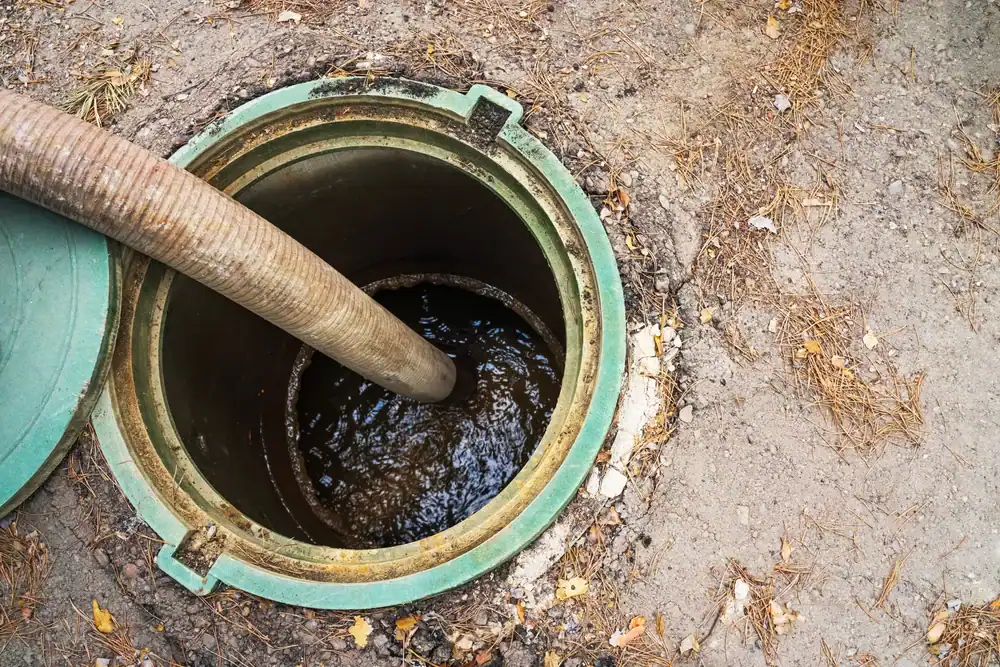
First, we locate your cesspool. We use electronic locating equipment to pinpoint where your tank sits so we’re not tearing up your yard blindly. That saves you time, money, and unnecessary damage to your property.
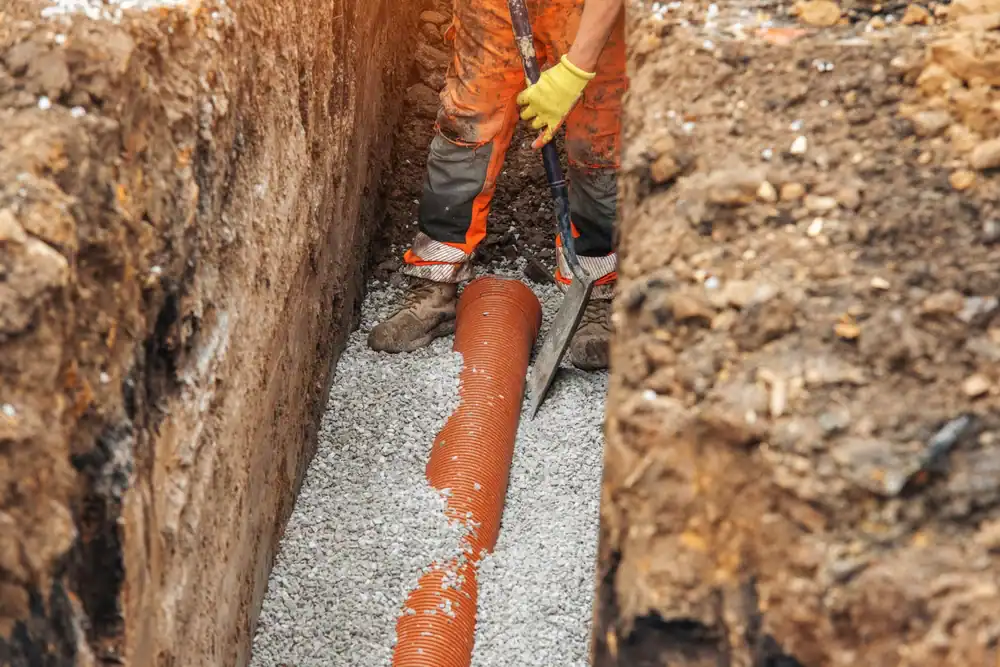
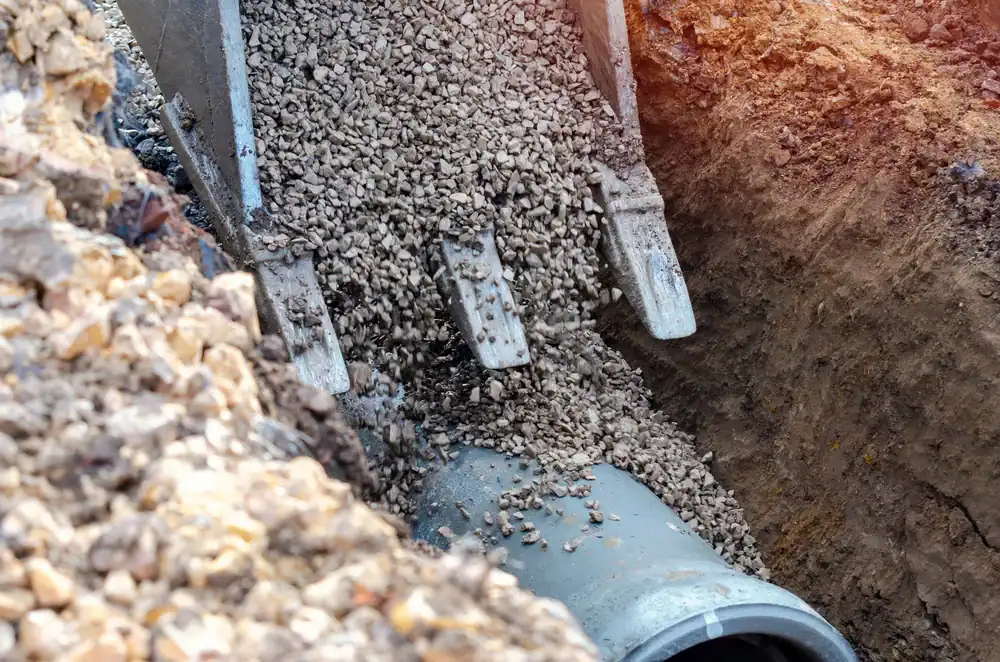
Next comes excavation. We trench from your house to the cesspool, following the path of the old line or cutting a new one if the original route is the problem. Montauk’s soil requires clean, stable trenching—no shortcuts.
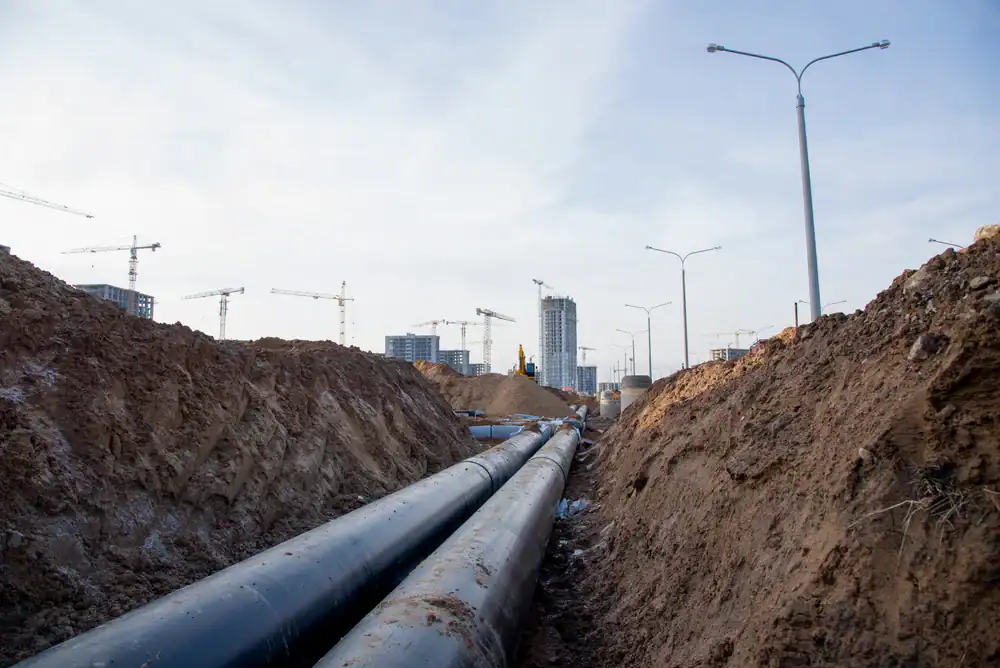
Then we set the new pipe. This is where pitch and slope matter most. We install the line at a consistent grade so waste flows downhill without pooling. Every joint gets checked. Every section gets tested.
Finally, we backfill and compact. The trench gets filled in layers, tamped down to prevent settling. You’re not left with a dip in your yard six months later.
Before we leave, we test the system. We run water, check for leaks, and make sure everything drains the way it should. If there’s a problem, we find it now—not after we’ve packed up.
Ready to get started?
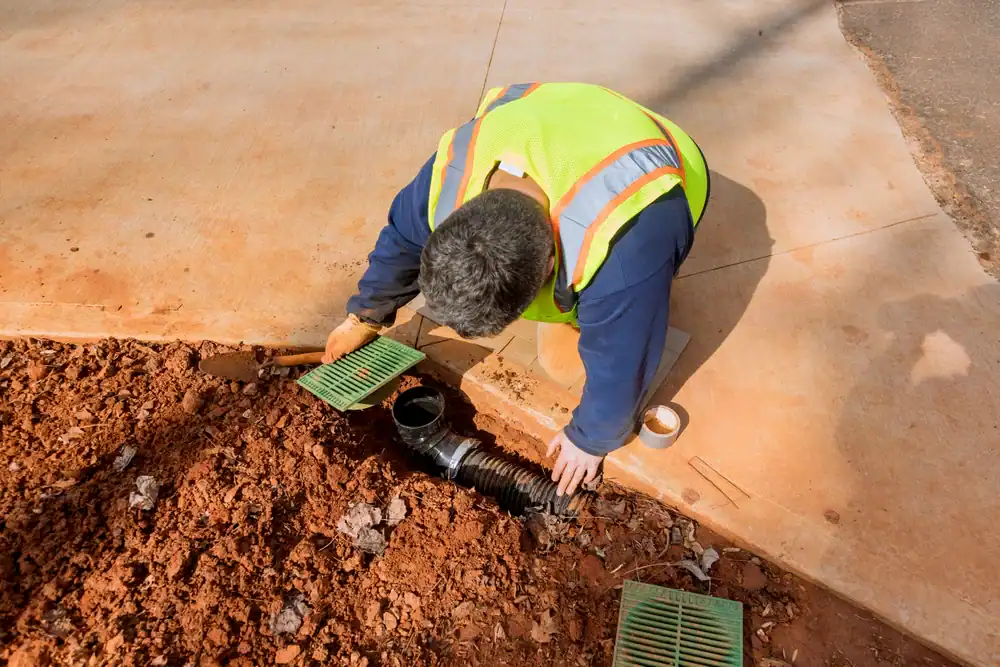
You get full trenching and excavation from the house to the cesspool. That includes removing the old, failed pipe and any damaged sections that caused the backup or leak in the first place.
We install new pipe at the correct slope—quarter-inch per foot minimum, following New York State code. If your old line was too flat or had bellies where waste collected, we fix that. The new line runs clean and straight.
In Montauk, soil conditions mean we sometimes hit clay or compacted silt that requires more than a shovel. We bring the equipment to handle it. If we need to go deeper to hit proper grade or avoid tree roots, we do it.
You also get a system test before we close the trench. We’re not leaving until we know the line works. That means running water through the system, checking the connection at the cesspool, and confirming there are no leaks along the way.
If your cesspool needs pumping or inspection while we’re there, we handle that too. Most line failures happen because the tank was full or the inlet baffle was damaged. We’ll tell you if there’s a bigger issue before it becomes an emergency.
If you’re dealing with recurring backups, slow drains in multiple fixtures, or sewage smells near your yard, the line itself is usually the problem. A single clog can be snaked or jetted. But if the pipe is cracked, collapsed, or installed at the wrong slope, a repair won’t fix it.
We see a lot of older pipes in Montauk that were never set correctly. The pitch is off, so waste doesn’t flow. Or the pipe has settled over time and now has low spots where solids collect. You can clear it temporarily, but it’ll clog again in a few months.
The other sign is age. If your sewer line to cesspool connection is original to a home built 30+ years ago, it’s likely cast iron or clay tile. Both corrode and crack. At that point, you’re better off replacing the line than patching it every year.
The minimum slope for a waste line is one-quarter inch per foot. That’s the standard in the New York State Plumbing Code, and it’s not arbitrary. Gravity moves waste through the pipe, but only if the angle is steep enough.
Too flat, and solids settle in the line. You’ll get slow drains, clogs, and eventually a full backup. Too steep—rare, but it happens—and the liquid runs ahead of the solids. That leaves waste stuck in the pipe, which also leads to clogs and smells.
In Montauk, we see a lot of lines that were never set at the right grade. Someone eyeballed it or didn’t check the slope with a level. Five years later, the homeowner is dealing with backups and doesn’t know why. When we dig it up, the pipe is flat or even running uphill in sections. That’s not something you can fix without replacing the line.
Most line changes take one to two days, depending on distance and soil conditions. If your cesspool is 50 feet from the house and the ground is cooperative, we’re usually done in a day. Longer runs or tough soil—like the clay and silt loam common in Montauk—can add time.
As for your yard, we trench only where the line runs. That’s typically a path two to three feet wide from your house to the tank. We’re not excavating your entire property. Once the new line is in and tested, we backfill and grade it so you’re not left with a ditch.
If you’re worried about landscaping, let us know up front. We can often work around plantings or adjust the trench route slightly to avoid mature trees. The goal is to get your waste line working without destroying your yard in the process.
We work year-round. Frozen ground makes excavation harder, but if your line has failed and you’re dealing with backups, waiting isn’t an option. We bring equipment that can handle winter conditions.
The bigger issue in cold weather is the soil itself. Montauk’s silt and clay can freeze solid, which means more time and effort to trench. But once we’re down to the line, the work is the same. We install the new pipe, test it, and backfill.
If your situation isn’t an emergency and you’d rather wait for better weather, that’s fine. But if you’re dealing with sewage backing up into your house or a collapsed line, we’re not telling you to live with it until April. We’ll get it done.
We’ll tell you. If we’re digging up your line and find a full cesspool, a damaged inlet baffle, or cracks in the tank itself, you need to know. We’re not going to install a new line and leave you with a failing cesspool.
In most cases, we can handle it on the spot. If your tank needs pumping, we pump it. If the baffle is broken, we replace it. If there’s a bigger structural issue with the cesspool, we’ll explain what’s needed and give you a clear price before moving forward.
The goal is to fix the whole system, not just the line. A new pipe won’t help if the tank is full or the inlet is clogged. We’d rather catch those issues while we’re already there than have you call us back in six months with the same symptoms.
In most cases, yes. Suffolk County requires permits for cesspool work, including main waste line replacement. We handle that process. You don’t need to visit Town Hall or figure out what forms to file.
Permit requirements exist to make sure the work is done correctly and inspected. That protects you. If you ever sell your property, having permitted, inspected work on record is a selling point. Buyers and inspectors want to see that your waste system was handled by licensed professionals, not a handshake deal with someone’s cousin.
We pull the permit, schedule the inspection, and make sure everything is up to code before we close the trench. You get a paper trail that shows the work was done right. That matters in Montauk’s real estate market, where a well-maintained cesspool system adds value and a sketchy one kills deals.
Other Services we provide in Montauk