
Hear from Our Customers
You know that sinking feeling when your septic system starts acting up. Slow drains, gurgling sounds, or worse – actual backups in your home. It always seems to happen at the worst possible time, like when you have a house full of guests or during peak rental season.
Regular septic tank pumping eliminates these headaches before they start. Your system works the way it should – quietly, efficiently, without any unpleasant surprises. No more wondering if your toilets will flush properly or if that smell in your yard means trouble.
When your septic system is properly maintained, you get back to focusing on what matters. Your property stays valuable, your tenants stay happy, and you sleep better knowing everything is working as it should.
We’ve been keeping septic systems running smoothly across Montauk and the East End for years. We understand the unique challenges of coastal properties – from sandy soils to seasonal usage spikes that can overwhelm unprepared systems.
You’re not getting a fly-by-night operation or someone learning on your property. Our team knows exactly what works in this area, what doesn’t, and how to handle everything from routine maintenance to complex system issues.
We’re licensed, insured, and equipped with modern pumping trucks that get the job done right the first time. Most importantly, we show up when we say we will and explain exactly what we’re doing and why.
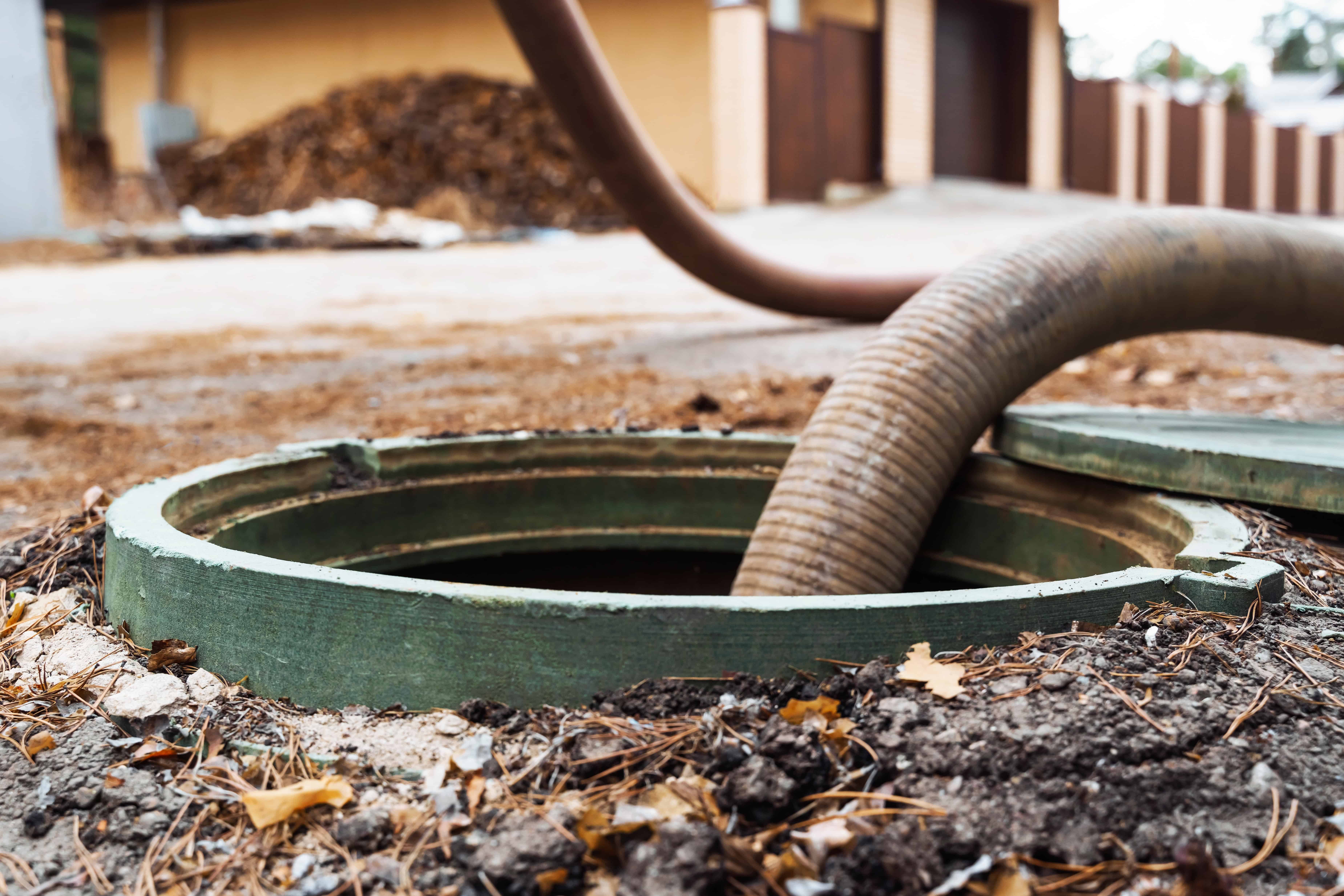
First, we locate and uncover your septic tank access ports – we handle the digging so you don’t have to. Our truck-mounted equipment removes all accumulated solids and liquids from your tank completely.
While we’re pumping, we inspect your tank for any signs of damage, excessive wear, or potential issues that could cause problems down the road. We check baffles, inlet and outlet pipes, and the overall condition of your system.
After pumping is complete, we properly dispose of all waste at licensed treatment facilities – never illegally dumped or improperly handled. We’ll also let you know when you should schedule your next pumping based on your household size and usage patterns. Most Montauk homes need pumping every 2-4 years, but we’ll give you a timeline specific to your situation.
Ready to get started?
Your septic tank pumping includes complete removal of all solids and liquids, not just the easy-to-reach stuff on top. We pump until your tank is completely empty, giving you the maximum time before your next service.
Every job includes a basic system inspection while we’re there. We’ll spot potential problems early – like damaged baffles or inlet pipes – before they turn into expensive emergencies. If we find anything concerning, we’ll explain it in plain English and give you options for addressing it.
We also handle the paperwork side of things. In Suffolk County, septic pumping records need to be maintained for health department compliance. We provide you with proper documentation and can help ensure you’re meeting local requirements for your property type. This is especially important for Montauk’s many seasonal rental properties where proper maintenance records protect both your investment and your rental income.
Most residential septic tanks in Montauk need pumping every 2-4 years, but your specific timeline depends on several factors. A family of four typically needs pumping every 3 years, while smaller households might go 4-5 years between services.
If you rent your property seasonally or have high usage periods, you’ll likely need more frequent pumping. Properties with garbage disposals or hot tubs also fill up faster. Montauk’s unique coastal environment and seasonal population changes mean systems experience dramatic usage variations that can stress components.
We’ll assess your specific situation and give you a realistic timeline based on your household size, usage patterns, and tank capacity. This personalized approach ensures you’re not over-servicing or risking system failure.
Several warning signs indicate your septic tank is getting full and needs attention. Slow drains throughout your house, gurgling sounds from toilets or drains, and sewage odors in your yard are common early indicators.
More serious signs include sewage backing up into your home, standing water or wet spots over your drain field, and lush green grass growing over your septic area. These problems always seem to happen at the worst possible times – during family gatherings or peak rental season.
Don’t ignore these warning signs. Early intervention prevents minor issues from becoming major system failures that disrupt your property use. In Montauk’s seasonal rental market, a septic emergency during peak season can cost you significant rental income on top of expensive emergency repairs.
Septic tank pumping costs in Montauk typically range from $300-600 for standard residential tanks, depending on tank size, accessibility, and how full the tank is. Factors that affect pricing include whether we need to dig to locate your tank, distance from the truck to your tank, and any additional services like inspections or minor repairs.
We provide upfront pricing before starting work, so you know exactly what you’re paying. Emergency or weekend service may cost more, but routine scheduled pumping keeps costs predictable and manageable. Compare this to the $8,000+ cost of system failure repairs, and regular maintenance is clearly the smart financial choice.
Regular pumping also prevents drain field replacement costs that can run $15,000-25,000. It’s an investment in your property’s long-term value and functionality.
Septic tank pumping requires specialized equipment, proper waste disposal permits, and knowledge of safety procedures – it’s not a DIY job. The vacuum trucks needed to properly empty tanks aren’t available for homeowner rental, and improper handling can create serious health hazards.
Septic additives and treatments marketed as alternatives to pumping don’t work as advertised. Your tank accumulates solids that must be physically removed, and no chemical additive can eliminate this need. These products are often expensive and can actually disrupt the natural bacterial processes in your tank.
Professional pumping ensures complete removal of all accumulated waste, proper disposal at licensed facilities, and system inspection that catches problems early. In Montauk’s regulated environment, proper documentation and compliance with local health department requirements are essential for property owners.
Absolutely. Vacation rental properties need specialized maintenance schedules that account for heavy usage periods and seasonal demands. Properties with high summer rental use typically need more frequent service than year-round residences due to increased water usage and system stress.
We can coordinate service during low-occupancy periods to minimize disruption to your rental income. Montauk’s seasonal population changes mean systems experience dramatic usage variations, and proper timing of maintenance prevents emergencies during your peak earning season.
Seasonal properties also benefit from pre-season inspections to ensure everything’s ready for peak usage periods. We understand the unique challenges of coastal properties and can work with your rental schedule to keep your system functioning properly when it matters most to your business.
Montauk’s sandy soil and high water table create unique drainage challenges that affect septic system performance. Sandy soils drain quickly but don’t filter as effectively, while high water tables can cause systems to back up during heavy rains or high tides.
Salt air accelerates corrosion of metal components, and local environmental regulations are stricter due to groundwater protection requirements. Seasonal population changes mean systems experience dramatic usage variations that can stress components beyond normal residential use.
We understand these specific conditions and adjust our maintenance approach accordingly. Our team has worked on hundreds of Montauk systems and knows the common issues before they become expensive problems. This local expertise ensures your system handles Montauk’s unique demands while staying compliant with Suffolk County regulations.