
Hear from Our Customers
Your drains empty the way they should. No slow toilets, no sewage smell in the yard, no panic when someone takes a shower.
A proper line change means your waste flows downhill at the right pitch—not pooling in low spots or backing up into your home. The pipe sits at the correct slope, typically a quarter-inch drop per foot, so gravity does its job without you thinking about it.
You’re not calling for emergency pumping every few months because solids keep clogging a back-pitched line. You’re not watching water bubble up through your basement floor drain. You’re done with that.
When the main waste line replacement is done correctly, your system works quietly in the background for 50-plus years. That’s what you’re paying for—decades of not dealing with this again.
We’ve handled cesspool and septic work in Shoreham for nearly two decades. We’re a family operation—four generations deep—so we understand what it means to do work that lasts.
We know the soil here. We know the local codes. We know Suffolk County’s permit requirements and how they’ve changed since the 2019 cesspool ban went into effect.
When you call, you’re talking to people who’ve been doing this work since before you had the problem. We’re licensed, insured, and available around the clock because line failures don’t wait for business hours.
First, we run a video inspection through your line. You see exactly what we see—the break, the belly, the root intrusion, whatever’s causing the backup. No guessing.
If the line needs replacement, we map out the path from your house to the cesspool. We’re looking at depth, distance, obstacles. Then we give you an upfront price before any digging starts.
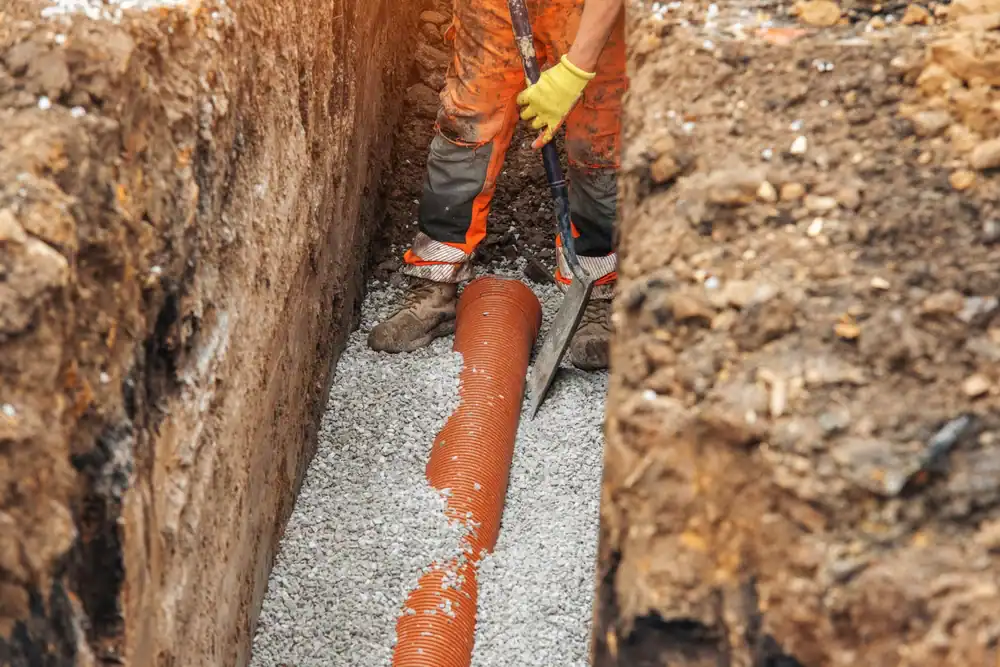
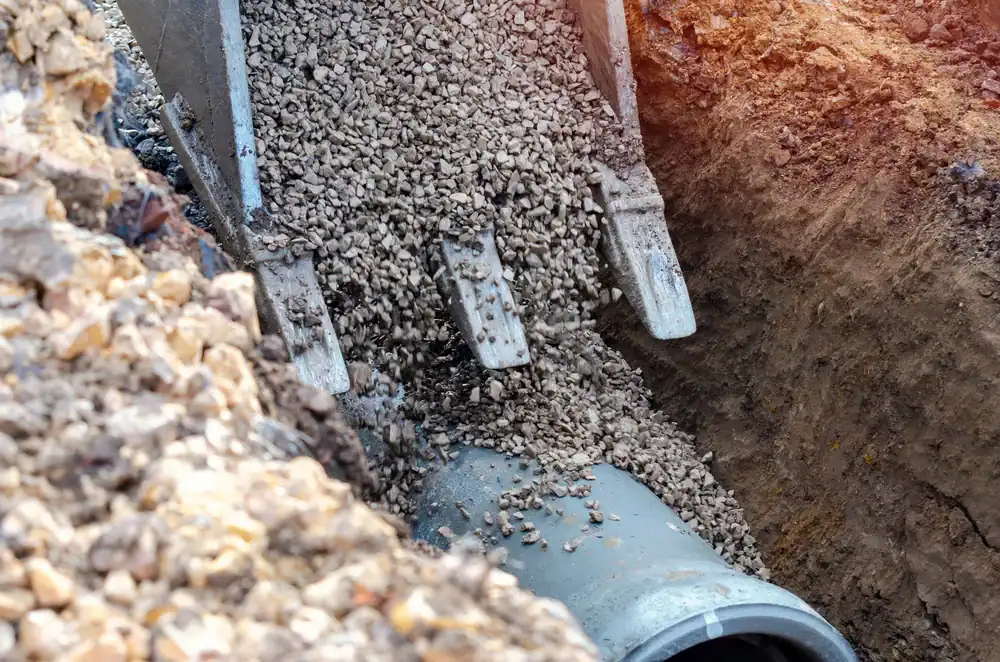
Trenching and excavation come next. We dig down to the old pipe, remove it, and lay in new heavy-duty polyethylene pipe at the proper pitch and slope. Every connection gets checked. Every section gets inspected.
Once the new sewer line to cesspool connection is in and tested, we backfill the trench and restore your yard. The whole process typically takes one to three days depending on distance and conditions.
You get a system that drains correctly, meets current code, and comes with a ten-year guarantee. That’s the standard.
Ready to get started?
You’re getting a full video inspection with footage you can review. We measure the line with a foot counter so you know exactly where the problem sits and how much pipe needs replacing.
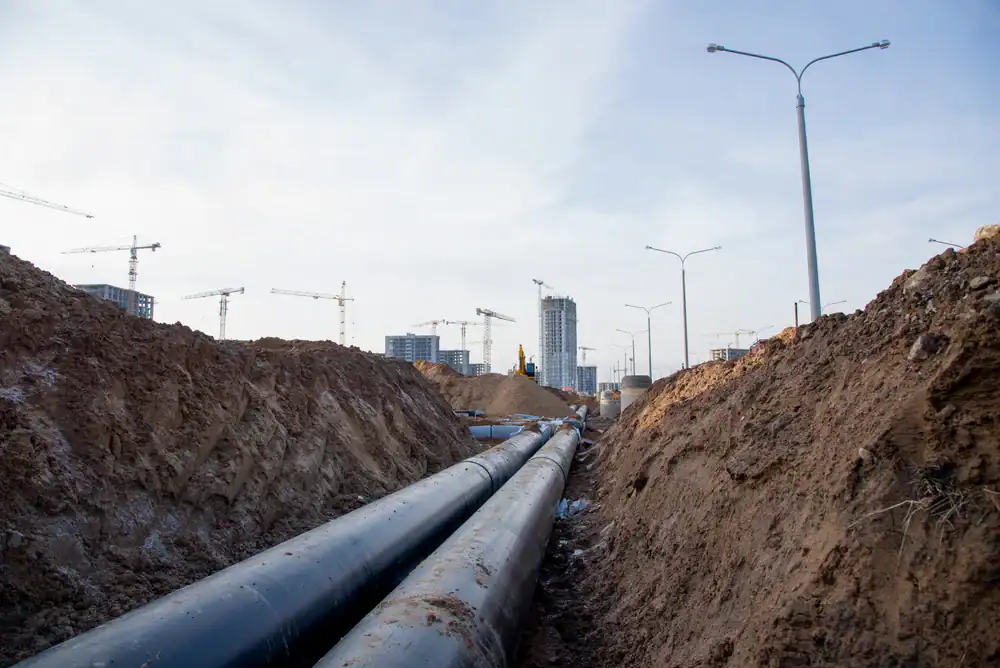
The new line is seamless polyethylene—rated for 100 years, guaranteed for ten. It won’t corrode, crack from ground movement, or let roots punch through like old clay or cast iron.
We handle the permit application with the Town of Brookhaven and coordinate inspections with Suffolk County Health Department. You don’t chase paperwork.
In Shoreham, most line changes run between 30 and 80 feet depending on where your cesspool sits. At $80 to $250 per linear foot, you’re looking at real money—but you’re also looking at a fix that outlasts your mortgage.
If your system qualifies, we’ll walk you through Suffolk County’s Septic Improvement Program. That’s up to $10,000 in grant money, sometimes $15,000 for income-qualified households. It doesn’t cover everything, but it helps.
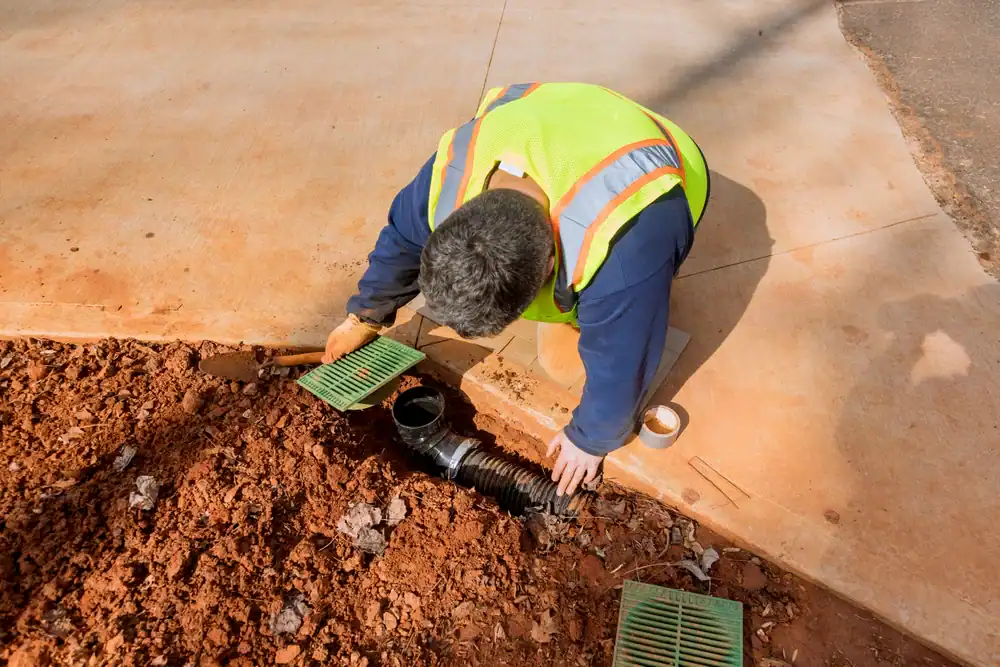
If your pipe has a belly—a low spot where waste pools instead of draining—you need a replacement. Repairs can’t fix pitch problems.
Same goes for back-pitched sections where the pipe slopes the wrong direction. You can patch a crack, but you can’t make water flow uphill. The only fix is pulling the old line and installing new pipe at the correct slope.
Root intrusion is another common issue. If roots have crushed the pipe or broken through joints, a spot repair might buy you a year or two. But if the line’s old clay or cast iron, those roots will find another weak spot soon enough. Replacing the whole run with solid polyethylene ends the problem permanently.
We’ll show you the video footage and explain what you’re looking at. You’ll see whether it’s an isolated crack or a systemic issue. Then you decide.
Building code requires a minimum slope of one-quarter inch per foot. That’s enough drop for gravity to move waste without it sitting in the pipe.
Too flat and solids settle. Too steep and liquids run ahead, leaving solids behind. Either way, you get clogs.
In Shoreham’s sandy soil, we can usually achieve proper pitch without major excavation. But if your cesspool sits close to the house or the ground is level, we might need to dig deeper at the house end to get that quarter-inch-per-foot drop.
When we run the video inspection, we’re checking current pitch with a level. If it’s off, we’ll tell you by how much and what it takes to correct it. Most homeowners don’t think about slope until they have a backup problem—but it’s the single biggest factor in whether your line works or fails.
Most residential line changes in Shoreham take one to three days depending on distance and site conditions.
If we’re replacing 40 feet of pipe with clear access and no obstacles, that’s typically a one-day job. Dig the trench, pull the old pipe, lay the new line, backfill, done.
Longer runs—say 70 or 80 feet—or difficult access adds time. If we’re working around mature trees, underground utilities, or a paved driveway, we’re moving slower to avoid damage.
Weather matters too. Heavy rain turns trenches into mud pits. Frozen ground in winter means slower digging. We’ll give you a realistic timeline upfront based on your specific property conditions, not a generic estimate.
Trenchless pipe bursting works when your existing line is intact enough to guide the new pipe through. A hydraulic machine pulls a new polyethylene pipe through the old path while breaking up the damaged pipe.
You still need entry and exit pits at both ends, but you avoid a 60-foot trench across your lawn. It’s faster, less disruptive, and often costs less than full excavation.
The catch: if your old pipe has completely collapsed or shifted out of alignment, there’s no path to follow. Trenchless won’t work. Same issue if the line has severe bellies or major elevation changes that would prevent pulling the new pipe through.
We’ll assess your situation during the video inspection. If trenchless is an option, we’ll recommend it. If traditional trenching is the only way to do it right, we’ll explain why. You’re not paying for unnecessary excavation—but you’re also not getting sold a method that won’t hold up.
Call us. We’re available 24/7 because backups don’t wait for Monday morning.
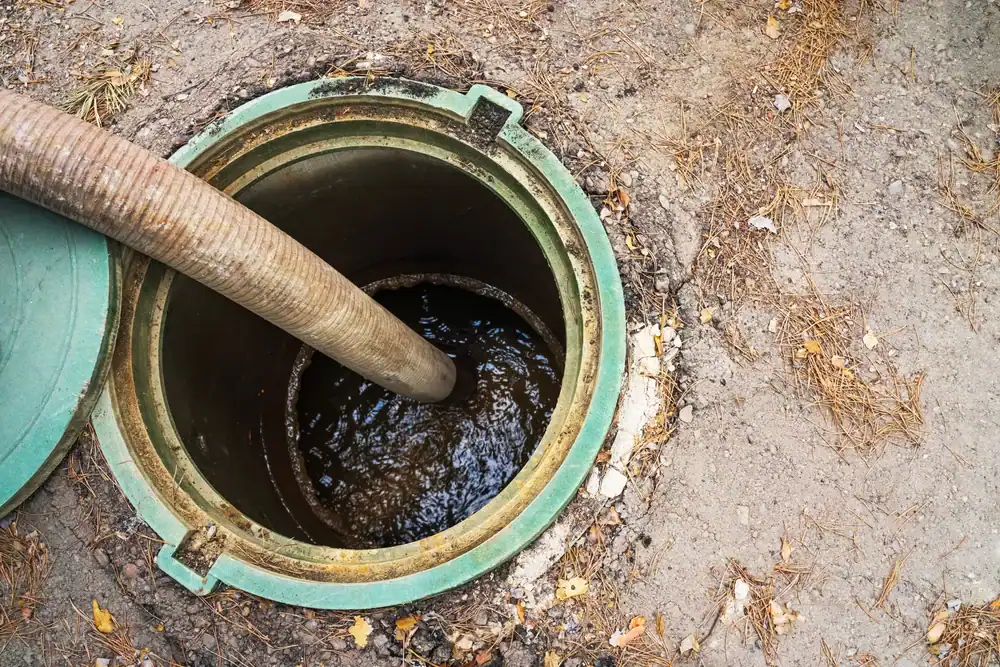
If sewage is coming up through your drains, we’ll get a truck out to pump your cesspool and relieve the immediate pressure. That stops the backup and gives you time to figure out next steps without raw sewage in your house.
Emergency calls cost more—usually three to four times the rate of scheduled service. That’s standard across the industry because you’re pulling a crew off other jobs or calling them in after hours.
Once the emergency is handled, we’ll schedule the video inspection and give you a proper diagnosis. If you need a line change, we’ll walk through options, pricing, and timing. Most homeowners choose to schedule the replacement work rather than pay emergency rates, unless the situation is critical and can’t wait.
Yes. Any work on your cesspool system requires a permit from the Town of Brookhaven and approval from Suffolk County Health Department.
We handle the permit application as part of the job. You’ll need a property survey showing your cesspool location, and the Health Department will want to inspect the work before we backfill the trench.
Suffolk County changed the rules in 2019. If your cesspool structure has failed, you can’t replace it with another cesspool—you have to upgrade to an advanced treatment system. But if you’re just replacing the sewer line to cesspool connection and the tank itself is sound, you can keep your existing cesspool.
The permit process typically adds a few days to the timeline while we wait for approval and schedule inspections. It’s not optional, and working without permits can cost you thousands in fines plus the expense of redoing the work to pass inspection later. We do it right the first time.