
Hear from Our Customers
You get peace of mind knowing your septic system won’t fail when you least expect it. No more worrying about sewage backups during family gatherings or foul odors embarrassing you in front of neighbors.
Your drains flow freely again. Your toilets flush without that concerning gurgle. Your property stays protected from the kind of damage that costs thousands to fix.
Most importantly, you get years added to your septic system’s life. Regular pumping and maintenance prevent the expensive repairs that catch most homeowners off guard. You’re not just fixing today’s problem – you’re preventing tomorrow’s headaches.
We’ve been serving Shoreham and the surrounding Long Island communities for years. We understand the unique challenges of septic systems in our sandy soil and high water table conditions.
Unlike companies that treat every system the same, we know that Shoreham’s fast-draining sandy soil means your septic tank needs attention more often than the typical 3-5 year schedule. We’ve seen what happens when homeowners follow generic advice that doesn’t account for local conditions.
Our experience with Long Island’s coastal environment means we can spot problems before they become disasters. We’re not just pumping tanks – we’re protecting your investment and your family’s comfort.
We start by locating and accessing your septic tank, using electronic detection equipment if needed. No guesswork, no digging up your entire yard trying to find it.
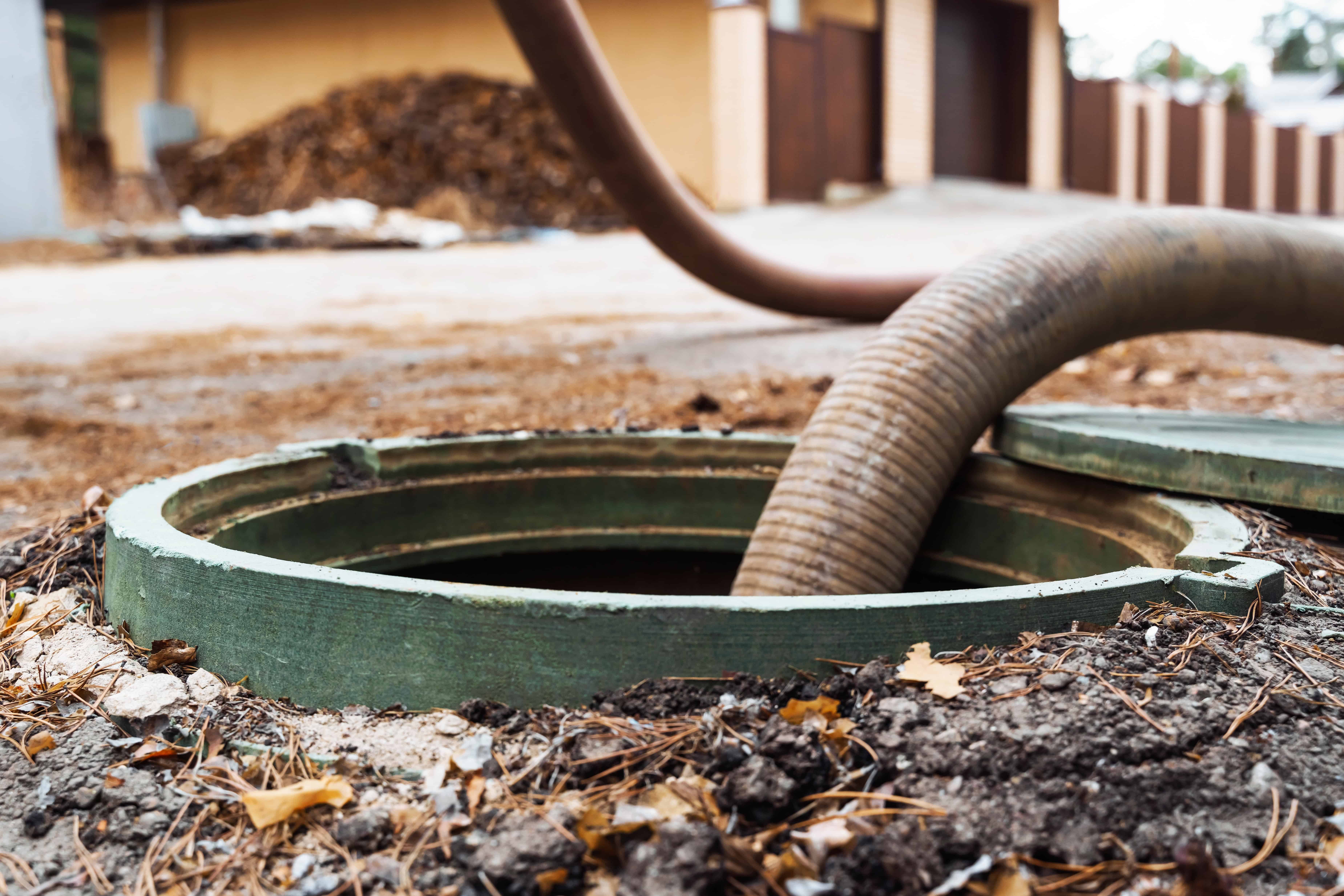
Next comes the complete waste removal using our high-capacity vacuum trucks. We don’t just pump out the liquids – we remove all the accumulated solids and sludge that build up over time. This includes breaking up any stubborn material that’s been sitting at the bottom.
After pumping, we inspect the tank’s condition, checking for cracks, damaged baffles, or other issues that could cause problems down the road. We measure sludge levels, test the inlet and outlet pipes, and give you an honest assessment of what we found.
You get a clear explanation of your system’s condition and recommendations for keeping it running properly. No technical jargon, no pressure tactics – just straight information you can use to make smart decisions about your property.
Ready to get started?
Our septic tank pumping service includes complete waste removal, tank inspection, and honest assessment of your system’s condition. We handle both routine maintenance pumping and emergency situations when your system backs up.
For new installations, we design and install septic systems that meet all local codes and work efficiently in Shoreham’s soil conditions. We handle the permits, the excavation, and the final inspections so you don’t have to navigate the bureaucracy.
Our repair services cover everything from broken pipes to failed pumps. We diagnose the real problem – not just the symptoms – and fix it right the first time. Whether it’s a simple component replacement or a more complex repair, we have the experience to get your system working properly again.
In Shoreham’s unique coastal environment, we understand how high water tables and sandy soil affect system performance. We know which solutions work in our local conditions and which ones are just expensive mistakes waiting to happen.
Most septic tanks in Shoreham need pumping every 3-5 years, but it depends on your household size and water usage. Shoreham’s sandy soil drains quickly, which means solids can escape your tank faster than in other areas.
We recommend having your system inspected every 1-3 years to determine the right pumping schedule for your specific situation. Factors like the number of people in your home, whether you use a garbage disposal, and your tank size all affect how often you need service.
A good rule of thumb: if you have a 1,000-gallon tank and three people in your home without a garbage disposal, you’ll likely need pumping every 3 years. Add a garbage disposal or more family members, and that timeline shrinks to 1.5-2 years.
Septic tank pumping in Shoreham typically costs between $300-600, depending on your tank size, accessibility, and current condition. Larger tanks or those that are difficult to access may cost more.
We provide upfront pricing before starting any work, so you know exactly what you’re paying. Emergency services during weekends or holidays may include additional charges, but we’ll always discuss pricing before starting any work.
The cost of regular pumping is much less than dealing with a failed system, which can run into thousands of dollars for repairs or replacement. Think of pumping as insurance – a small cost now prevents massive expenses later.
Yes, we handle complete septic system installations in Shoreham, including all permits and inspections. A new system installation typically takes 2-3 days depending on soil conditions and system complexity.
We’ll assess your property, design a system that meets current codes, and handle all the paperwork with Suffolk County. The process includes soil testing, permit applications, excavation, installation, and final inspections.
Shoreham’s sandy soil and potential high water table conditions require specific design considerations. We know which systems work best in local conditions and can recommend options that will give you reliable service for decades, not just pass the initial inspection.
Yes, we provide emergency septic services throughout Shoreham and surrounding Long Island areas. Septic emergencies don’t wait for business hours, and neither do we.
If you’re dealing with sewage backups, overflowing tanks, or other urgent septic problems, call us right away. We’ll respond as quickly as possible to minimize damage to your property and restore your system’s function.
Emergency services may include additional charges for after-hours calls, but we’ll always discuss pricing before starting any work. Our goal is to get your system working safely again as fast as possible.
Common signs include slow-draining sinks, toilets, or showers, unpleasant odors around your yard, or wet patches on your lawn that don’t dry up. You might also notice gurgling sounds when water drains or toilets that don’t flush properly.
In severe cases, you’ll see sewage backing up into your house – usually starting with floor drains in the basement or the lowest fixtures. If you notice any of these symptoms, don’t wait. The longer you delay, the more expensive the problem becomes.
Shoreham’s sandy soil means problems can develop quickly. What starts as slow drainage can become a full backup within days, especially during heavy rain when the water table rises.
Long Island’s sandy soil and high water table create unique challenges for septic systems. The sandy soil drains quickly, which sounds good, but it also means wastewater doesn’t get filtered as thoroughly before reaching groundwater.
High water tables, especially near the coast, can flood septic systems during storms or seasonal changes. When groundwater saturates your drain field, wastewater has nowhere to go and backs up into your home.
Many Long Island systems are also older and weren’t designed for today’s water usage patterns. A system installed 20-30 years ago for a family of three might struggle with modern appliances and increased water consumption. That’s why regular maintenance and proper sizing are so important here.