
Summary:
Your cesspool handles waste every single day without complaint. Until it doesn’t. When that toilet won’t flush or that drain backs up, you’re not dealing with a minor inconvenience—you’re facing a health hazard and property damage costing thousands to fix.
Some homeowners face these emergencies. Others don’t. What separates them? Understanding when their system actually needs attention. Not guessing based on what a neighbor said or waiting until something breaks.
This guide walks you through what cesspool pumping really involves, how to know when your system needs service, and why Long Island properties face unique challenges affecting your maintenance schedule.
How Cesspool Pumping Works for Long Island Properties
Cesspool pumping isn’t just sticking a hose in the ground. The process involves several steps separating thorough service from quick cash grabs.
Our technicians locate and access your system properly first. Many Long Island cesspools sit buried under decades of landscaping additions. We use locating equipment rather than guessing, protecting your yard and ensuring we access the right components.
We measure waste levels before pumping. This tells you whether your current schedule works or needs adjustment. Most companies skip this because it takes time, but it’s the only way to customize maintenance to your actual usage rather than generic recommendations.
The Complete Cesspool Pumping Process Explained
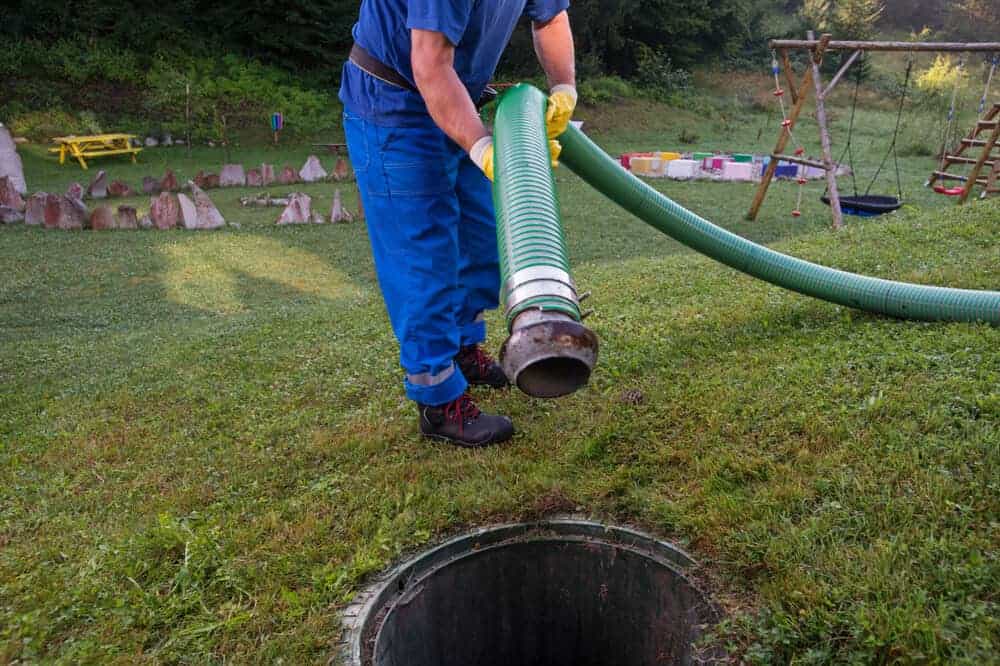
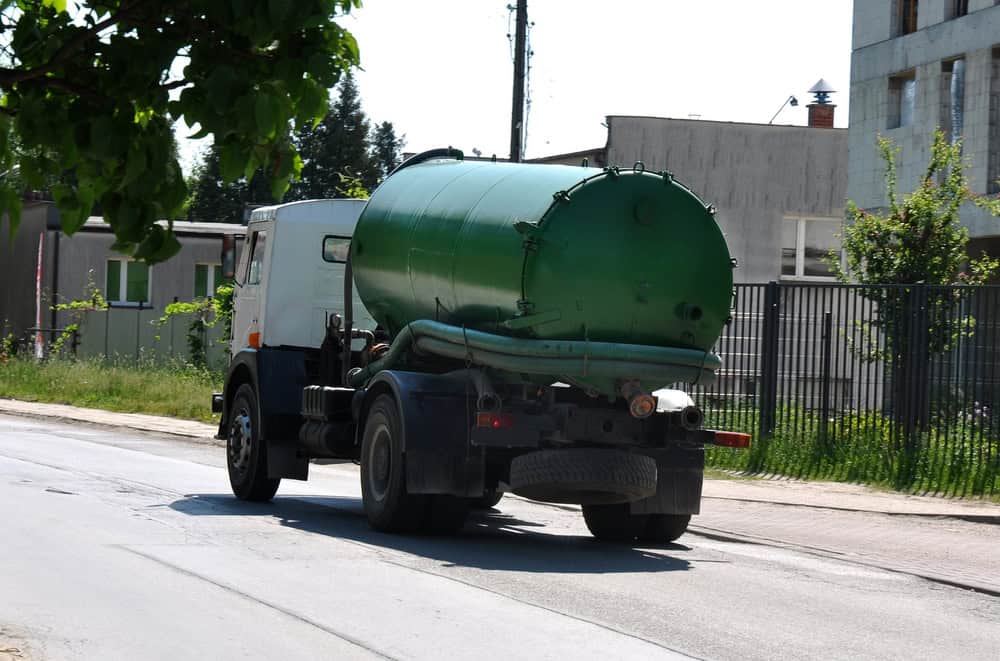
The actual pumping removes both liquid waste and solid sludge layers from your cesspool. Professional vacuum trucks extract everything while preserving beneficial bacteria needed for ongoing waste treatment in systems with septic tanks preceding the cesspool.
Most Long Island cesspools hold between 1,000 and 1,500 gallons. When solid waste reaches about 25 to 30 percent of tank capacity, it’s time to pump. For a family of four, that typically means service every one to two years. A single person might go three to four years between pumpings.
After pumping, our technicians inspect system components. We look for cracks in the structure, signs of groundwater infiltration, or evidence your cesspool is reaching the end of its functional life. This inspection catches problems while they’re still manageable instead of waiting until complete system failure.
The whole process typically takes one to two hours for residential properties. You receive documentation of the service, which matters for Suffolk County’s regulatory requirements. The county mandates system inspections every three years, and proper service records demonstrate compliance when you need to show appropriate maintenance.
Quality service comes down to what happens after the pumping. Our technicians explain what we found, recommend a realistic schedule for your next service based on actual measurements, and answer questions about what to watch for between visits. We’re not selling you services you don’t need. We’re giving you information helping you make informed decisions about your property.
Creating Your Custom Cesspool Pumping Schedule
The standard answer is every two to three years. That’s true for many Long Island households, but your specific schedule depends on factors generic timelines ignore.
Household size matters more than most people realize. A single person might comfortably go three to four years between pumpings. A family of four typically needs service every one to two years. Hosting frequent gatherings, running multiple laundry loads daily, or using a garbage disposal means your system fills faster than average.
Your cesspool’s age also affects the schedule. Older systems without septic tanks require more frequent attention—sometimes annually. These cesspool-only systems don’t separate solids from liquids, filling up faster than properties with septic tanks preceding the leaching structure.
Long Island’s soil conditions and seasonal occupancy changes influence timing. Properties with high water tables or clay soils need more frequent pumping because drainage is compromised. Homes near water or in low-lying areas face additional challenges during wet weather when the water table rises.
The most reliable approach combines professional assessment with your household’s actual usage patterns. During pumping, we measure sludge levels to determine your optimal schedule. This customized timeline prevents problems instead of just reacting to them. You’re not guessing based on calendar dates. You’re making decisions based on how your specific system actually performs.
Commercial properties face entirely different requirements. Restaurants, office buildings, and other businesses typically need cesspool service every 30 to 120 days depending on usage. A busy restaurant might need monthly service. A small office could go quarterly. Establishing a regular schedule based on actual usage matters more than waiting for problems to develop.
Choosing the Right Local Septic Service in Suffolk County
Not all cesspool companies operate the same way. Some show up, pump your system, hand you a bill, and leave. No explanation of findings. No guidance on what to watch for. No conversation about whether you’re on the right maintenance schedule.
Companies that just pump cesspools versus those that actually service them differ in expertise and communication. You want technicians who understand Long Island’s unique soil conditions, stay current on Suffolk County regulations, and take time to explain what’s happening with your system.
When choosing a service provider, you’re not just buying a one-time pump-out. You’re establishing a relationship with people who’ll help protect one of your home’s most important systems.
Why Local Septic Companies Know Long Island Better
Long Island’s geology creates specific challenges companies from outside the area don’t always understand. Sandy soil in some areas drains quickly. Clay soil in other locations slows drainage significantly. These conditions directly impact how often your cesspool needs pumping and what warning signs indicate problems.
Local septic companies know where cesspools are typically located in homes from different eras. We understand properties built before 1973 often have cesspool-only systems, while newer homes might have septic tanks preceding the leaching structure. This knowledge translates to faster service because we’re not spending hours trying to locate your system.
Suffolk County’s regulatory environment also requires local expertise. The county banned new cesspool installations in July 2019. When existing systems fail, property owners must upgrade to at least a conventional septic system with a tank and leaching structure. For new construction and major renovations, requirements go further, often mandating nitrogen-reducing systems.
Companies familiar with these regulations help you understand when upgrades are mandatory versus optional. We explain what Suffolk County Department of Health Services requires for permits, inspections, and system replacements. This guidance prevents confusion leading homeowners to make expensive mistakes or fall out of compliance with local requirements.
The high water table common across Long Island also affects cesspool performance. When the water table rises during wet weather, there’s less space for wastewater to go. Systems performing adequately during dry periods might struggle when groundwater levels increase. We recognize these patterns and can advise whether seasonal pumping schedules make sense for your property’s specific conditions.
Long Island’s drinking water comes entirely from underground aquifers—the same ground your cesspool drains into. This creates environmental stakes that don’t exist in areas with different water sources. As local septic service providers, we understand the connection between proper cesspool maintenance and protecting the water supply for 2.8 million Long Islanders. We’re not just servicing your system. We’re helping protect a shared resource everyone depends on.
Essential Qualities in Local Septic Tank Service Providers
Choosing a cesspool service provider isn’t about finding the lowest price. The cheapest option often becomes most expensive when you factor in poor service, missed problems, or work not meeting county standards.
Start with licensing and insurance. Suffolk County requires specific credentials for cesspool work. You want confirmation your service provider carries proper insurance. This protects you if something goes wrong during service. It also ensures the company meets minimum professional standards the county considers essential for safe, compliant work.
Transparent pricing matters more than you might think. Companies providing clear, upfront estimates without hidden fees demonstrate respect for customers. You should know what you’re paying before work begins, not after the truck pulls away. Be wary of service providers who can’t or won’t give you a clear price for standard pumping service.
Emergency availability tells you something about a company’s commitment. Cesspool problems don’t wait for business hours. When sewage backs up into your home at two in the morning, you need someone who’ll actually answer and dispatch a truck. Companies offering 24/7 emergency response demonstrate they’re serious about serving customers when it matters most.
Experience with both cesspools and septic systems gives service providers broader expertise. Many Long Island properties have hybrid systems with septic tanks preceding cesspools. Companies understanding both components can diagnose problems more accurately and provide better maintenance guidance than those working with only one type of system.
Communication style reveals how a company operates. During initial contact, do they take time to understand your specific situation? Do they ask questions about household size, water usage, and when the system was last serviced? Or do they just quote a price and try to schedule you? Companies that ask questions provide customized service rather than one-size-fits-all approaches.
Local reputation matters in a service industry where quality varies dramatically. Check what other Suffolk County homeowners say about their experiences. Look for patterns in reviews—not just whether people are happy, but what specifically they mention. Do customers talk about technicians explaining findings? About fair pricing? About problems being solved rather than temporarily patched? These details tell you more than star ratings alone.
Family-owned businesses often bring a different approach than large corporate operations. We’re invested in the community long-term, caring about reputation in ways affecting how we treat customers. Four generations in business doesn’t happen by accident. It happens because we’ve been doing right by customers for decades.
Protecting Your Property Through Professional Cesspool Maintenance
Your cesspool works quietly underground, handling everything your household sends down the drain. Give it the attention it needs with regular professional maintenance, and it serves you reliably for decades. Neglect it, and you’re gambling with one of your home’s most important systems.
Understanding what warning signs matter, how Long Island’s unique conditions affect your system, and which maintenance practices actually extend cesspool lifespan keeps your household running smoothly. Regular pumping costs a fraction of what you pay when your system fails.
Most Suffolk County homeowners spend a few hundred dollars every few years on scheduled service. Emergency repairs and complete system replacements can reach tens of thousands. That gap represents money you keep in your pocket by staying ahead of problems. When you’re ready for reliable cesspool service understanding Long Island’s specific needs, we bring nearly two decades of local expertise to every job.