Summary:
You’re researching drain field costs because something’s forcing your hand. Maybe your system’s failing and you’re seeing soggy spots in the yard. Maybe you’re planning a renovation and Suffolk County says you need to upgrade. Or maybe you just got three wildly different quotes and you’re trying to figure out which contractor is being straight with you.
Here’s what actually matters: drain field installation in Suffolk County typically costs between $3,000 and $15,000, but that range exists for specific reasons related to your property, the type of system local regulations now require, and how the work gets done. Understanding what drives these costs helps you budget accurately, qualify for available grants, and avoid contractors who cut corners or overcharge.
Let’s start with what actually determines your final number.
What Determines Septic Drain Field Installation Cost
The cost to install a drain field isn’t arbitrary. It’s determined by measurable factors that any legitimate contractor should be able to explain clearly when they evaluate your property.
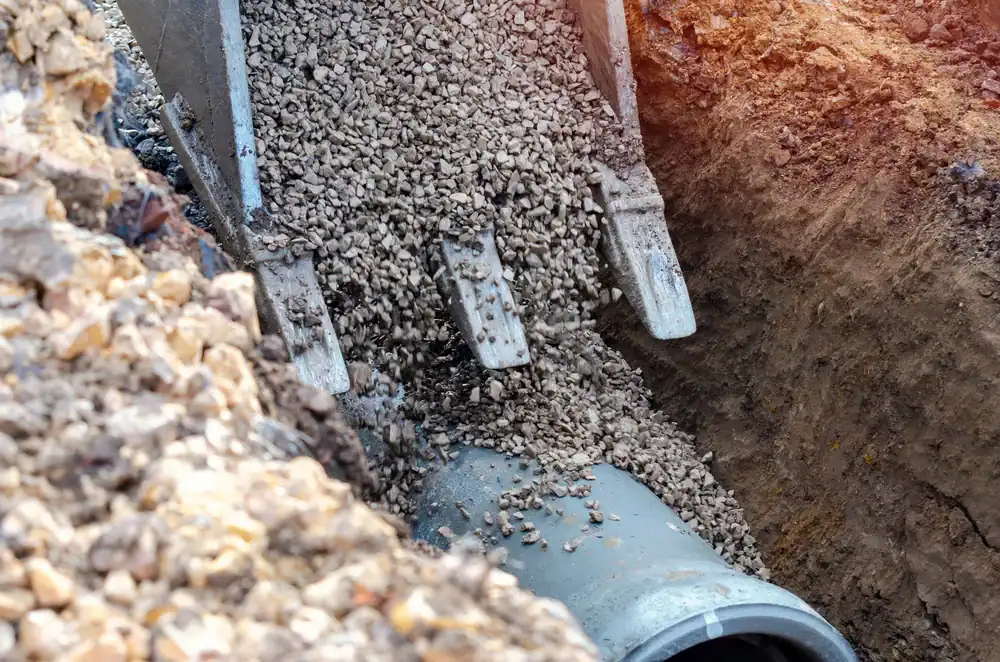
Labor typically represents 50 to 60 percent of your total cost. Installation involves excavation , proper placement of perforated pipes or chambers, ensuring correct slope for drainage, and connecting everything to your septic tank. Properties with difficult access, high water tables, or rocky soil face higher labor costs because the work takes longer and requires specialized equipment.
The type of system you need creates the biggest price spread. A conventional gravity-fed drain field with standard trenches runs $5,000 to $12,000. But if your property has challenging conditions—shallow soil over bedrock, high groundwater, or poor drainage—you might need an engineered solution like a mound system, which can push costs toward $20,000 or higher. For a typical three-bedroom home with favorable soil conditions, you’re looking at the lower end of that range, while a five-bedroom property with clay soil or a high water table will land on the higher end.
Soil Conditions and Site Preparation Costs
Your soil determines everything about how your drain field functions and what it costs to install. Long Island’s predominantly sandy soil drains quickly, which sounds good until you understand it means less natural filtration of wastewater before it reaches groundwater.
Before any installation begins, you’ll need a percolation test. This test measures how quickly water absorbs into your soil and costs $600 to $2,000. The results determine what type of drain field your property can support and how large it needs to be. Properties that fail perc tests because of clay soil, high water tables, or bedrock close to the surface need alternative systems that cost significantly more.
Site preparation adds to your budget. If your property has trees near the planned drain field location, removal costs $400 to $1,200 per tree depending on size. Excavation itself runs $2.50 to $15 per cubic yard. Properties with slopes require additional grading work to ensure proper drainage, and areas with limited equipment access mean more manual labor and higher costs.
Suffolk County’s regulations also impact site work. The county requires specific setback distances from wells, property lines, and water bodies. If your property layout forces the drain field into a difficult location, expect installation costs to increase. We know Suffolk County’s requirements and can often suggest placement options that meet code while minimizing excavation costs.
System Type and Suffolk County Requirements
Suffolk County changed the game on July 1, 2021, when new regulations took effect requiring nitrogen-reducing systems for most new installations and major reconstruction projects. This shift directly impacts what you’ll pay for drain field installation.
Conventional anaerobic systems that were standard for decades now cost $3,000 to $8,000 for basic installations. These systems rely on gravity and natural soil bacteria to treat wastewater. They work fine in properties with good soil conditions and adequate space, but they don’t reduce nitrogen levels enough to meet current environmental standards.
Nitrogen-reducing I/A OWTS systems—what Suffolk County now requires for new construction and major renovations—run $15,000 to $25,000. These advanced systems use aerobic treatment, which means they actively inject oxygen to accelerate bacterial breakdown of waste and significantly reduce nitrogen before wastewater enters the drain field. The higher cost reflects additional components like aerators, pumps, electrical connections, and more complex installation requirements.
The distinction matters because Suffolk County’s regulations apply differently depending on your situation. If you’re simply replacing a failing drain field on an existing system without major reconstruction, you might not need the advanced nitrogen-reducing technology. But if you’re adding bedrooms, significantly expanding your home, or building new construction, the I/A OWTS requirement applies.
Here’s where it gets interesting: Suffolk County offers grants specifically to offset the cost of upgrading to nitrogen-reducing systems. The Septic Improvement Program provides a $10,000 base grant, with the potential for an additional $10,000 if you install a pressurized shallow drain field system or qualify based on income. Nassau County offers similar programs with grants up to $20,000. These aren’t loans—they’re grants you don’t pay back, designed specifically to help homeowners upgrade aging systems while protecting Long Island’s groundwater.
The catch is timing and paperwork. Grant applications take weeks to process, and you need specific documentation about your current system. If you’re dealing with an emergency failure with sewage backing up into your home, you might not have time to wait for funding approval. But if you’re planning ahead or your system is showing early warning signs, the grant programs can cover most or even all of your installation cost.
Septic Tank Drain Field Repair vs Replacement
Not every drain field problem requires complete replacement. Understanding when repair makes sense versus when you need full replacement saves you from unnecessary expenses or from throwing money at a system that’s beyond saving.
Drain field repair costs $1,000 to $5,000 on average, depending on the problem and its location. Minor issues like clogged distribution boxes, damaged baffles, or isolated pipe problems can often be fixed without tearing up your entire yard. If your drain field is relatively new and the problem stems from a specific component failure rather than overall system collapse, repair is usually the right call.
Drain field rejuvenation costs $1,000 to $5,000 and can sometimes restore function to a failing field. This process involves injecting air into the soil through hollow tubes, which fractures compacted soil and creates an oxygenated environment that encourages beneficial aerobic bacteria to recolonize. It doesn’t work for every situation, but when a drain field has failed due to biomat buildup or soil compaction rather than structural damage, rejuvenation can add years of life.
Full drain field replacement becomes necessary when the system has reached the end of its functional life, when soil conditions have permanently degraded, or when tree roots have extensively damaged the field. Replacement costs $3,000 to $15,000 depending on the factors we’ve already discussed.
Signs Your Drain Field Needs Professional Attention
Recognizing drain field problems early gives you options. Waiting until complete failure forces emergency decisions and eliminates the possibility of less expensive repairs.
Sewage backing up into your home through toilets, sinks, or showers is the most obvious sign of drain field failure. When wastewater can’t properly drain into the field, it has nowhere to go but back through your plumbing. This isn’t just inconvenient—it’s a health hazard that requires immediate professional attention.
Foul odors around your yard, particularly near the drain field area or septic tank, indicate that wastewater isn’t being properly filtered and absorbed into the soil. A functioning drain field shouldn’t produce noticeable odors. If you’re smelling sewage outside, something’s wrong.
Soggy, spongy ground or standing water above your drain field, especially when it hasn’t rained recently, means the soil isn’t absorbing wastewater properly. You might notice unusually lush, bright green grass over the drain field area—wastewater acts as fertilizer, creating abnormally vigorous growth. Some homeowners see actual pools of water or consistently damp areas that never dry out.
Slow draining throughout your home suggests your septic system can’t handle the volume of wastewater being produced. If multiple fixtures drain slowly at the same time, the problem likely isn’t a simple clog in one pipe—it’s a systemic issue with your drain field’s capacity.
Gurgling sounds in your plumbing when you flush toilets or run water indicate air trapped in the system because wastewater isn’t flowing properly. This often accompanies slow draining and suggests your drain field is saturated or failing.
Any of these symptoms warrants immediate inspection by a licensed septic professional. The longer you wait, the more expensive the problem becomes. A drain field that’s showing early warning signs might need repair or rejuvenation costing a few thousand dollars. A completely failed system that’s been ignored requires full replacement and potentially emergency cleanup if sewage has surfaced in your yard.
How Septic System Repair Contractors Should Evaluate Your Property
A legitimate contractor’s evaluation process tells you everything about whether they’re qualified to do the work right. Here’s what should happen when a professional assesses your drain field situation.
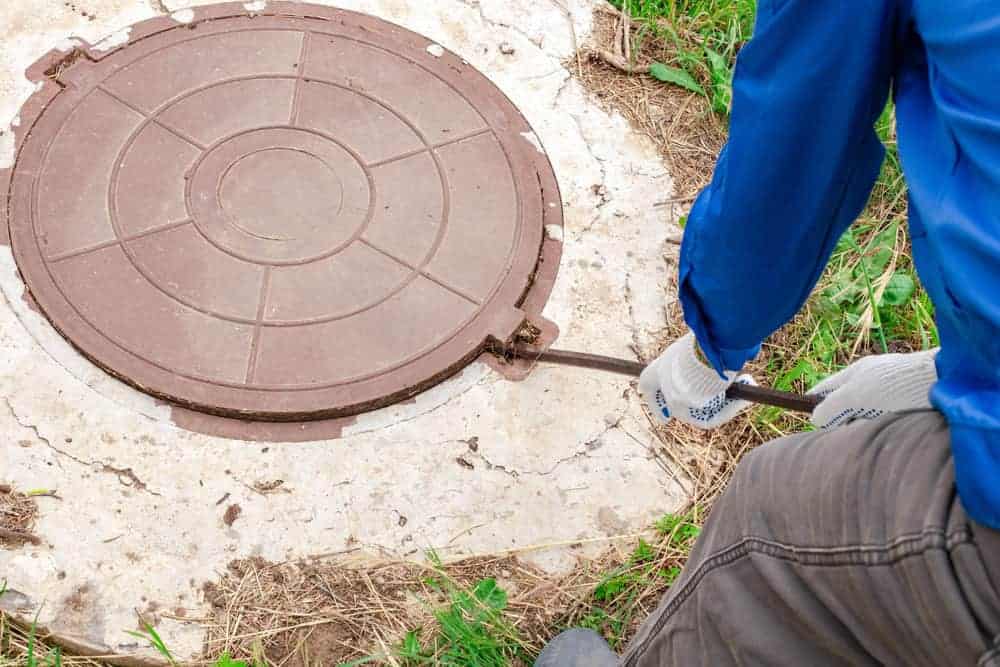
First, we’ll locate and inspect your existing system. This might involve using electronic location devices or fiber optics if your tank and drain field aren’t clearly marked. We should open your septic tank to check sludge levels, examine baffles for damage, and verify the tank itself is structurally sound. A contractor who quotes drain field replacement without even looking at your tank is guessing, not diagnosing.
We’ll evaluate your drain field for visible signs of failure—standing water, soggy soil, odors, or unusually lush vegetation. We should ask about your home’s water usage patterns, the number of people in your household, and when the system was last pumped. This information helps us determine whether the problem stems from system failure or from overuse of an adequately sized system.
Soil evaluation matters. A qualified contractor will review any existing perc test results or recommend new testing if your soil conditions aren’t documented. We should explain how your soil type affects both the problem you’re experiencing and the solutions available.
We’ll discuss Suffolk County requirements specific to your situation. Do you need a nitrogen-reducing system? What permits are required? How does your property’s location relative to wells, wetlands, or water bodies affect your options? A contractor who doesn’t know these regulations or who brushes off permit requirements is someone you should avoid.
The estimate should be detailed and in writing. It should itemize costs for materials, labor, permits, testing, and site restoration. Vague “all-in” pricing without breakdown makes it impossible to compare quotes or understand what you’re paying for. Ask specifically what’s included: Does the price cover permits? Perc testing? Restoring your lawn after installation? If these items aren’t included, you need to know that upfront.
Finally, we should explain your options clearly, including the pros and cons of different system types, realistic timelines, and what you can expect during and after installation. A contractor who pressures you to decide immediately or who uses fear tactics about imminent system collapse is prioritizing their sale over your best interest.
Making the Right Decision on Drain Field Installation
Drain field installation represents a significant investment, but understanding the costs, requirements, and contractor selection criteria puts you in control of the decision rather than at the mercy of whoever answers your first call.
The $3,000 to $15,000 range you’ll encounter reflects real differences in system complexity, site conditions, and the type of installation Suffolk County regulations require for your specific situation. Properties with good soil, adequate space, and straightforward access naturally cost less than those requiring engineered solutions for challenging conditions.
Suffolk County’s grant programs offer substantial financial help—up to $20,000 in some cases—but accessing these funds requires working with approved contractors and allowing time for application processing. If your situation allows planning ahead rather than emergency response, exploring grant options can dramatically reduce your out-of-pocket costs.
The contractor you choose matters as much as the system itself. Proper licensing, adequate insurance, local experience with Suffolk County regulations, and transparent communication separate professionals who’ll stand behind their work from operators who disappear after cashing your check. Take time to verify credentials, compare detailed written estimates, and check references before making a decision.
If you’re dealing with drain field issues in Suffolk County and need straight answers about your options and costs, we bring four generations of family expertise to every evaluation. Reach out for a consultation that focuses on your specific property conditions and the solution that makes sense for your situation.