Summary:
Your septic system handles everything that goes down your drains, working quietly underground until the day it doesn’t. By then, you’re looking at sewage backups, emergency calls, and repair bills that can hit thousands. Most septic problems give you plenty of warning if you know what to watch for. This guide breaks down the year-round septic tank maintenance essentials that keep your Suffolk County system running smoothly, protect your property value, and help you avoid those 2 AM emergency calls. The first thing you need to understand is what actually determines when your tank needs attention—and it’s not the same for every household.
Septic System Maintenance Schedules for Long Island Homes
The standard advice says pump every three to five years, but that’s not the full story for Suffolk County homeowners. Your actual septic maintenance schedule depends on household size, tank capacity, water usage, and Long Island’s unique sandy soil conditions.
A family of four typically needs septic pumping every one to two years. Single-person households can often stretch to three or four years. Those are starting points, not rules.
Long Island’s porous soil drains faster than most regions. Sounds good until you realize it also means less natural filtration time before wastewater reaches groundwater. Your system works harder here, and that affects how often you need professional septic tank service.
How Often Should You Schedule a Septic System Inspection
Suffolk County requires professional septic system inspections every three years. That’s not a suggestion—it’s a regulatory requirement that keeps your property compliant and protects Long Island’s groundwater quality.
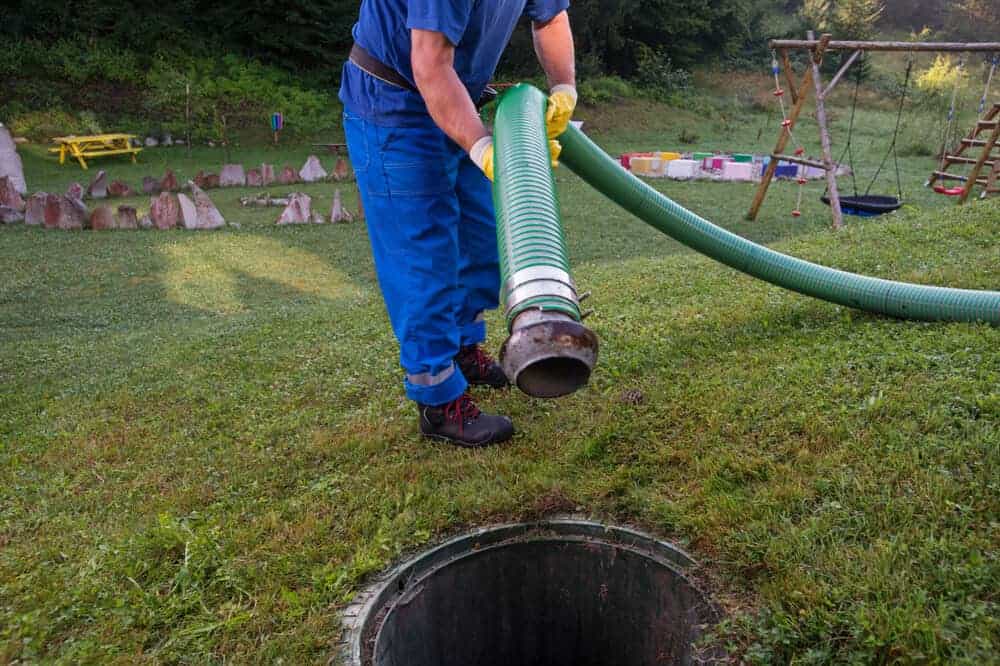
During a septic inspection, we measure sludge and scum levels in your tank. If these layers exceed one-third of the tank’s volume, septic pumping becomes necessary to prevent solids from escaping into your drain field. We also check baffles, inspect for cracks or leaks, and test how well your system is handling your household’s actual usage.
Think of septic tank inspections as preventive care. That $100-300 inspection catches a $400 baffle repair before it turns into a $7,000 drain field replacement. Camera inspections take this further, revealing problems inside pipes and tanks that visual checks miss entirely.
The timing matters for your septic maintenance schedule. Spring inspections make sense before summer usage increases and while ground conditions are optimal. You’re not competing with everyone else’s emergency calls, and we can schedule you without the rush that comes during peak season.
Keep records of every septic inspection and pumping. When you sell your property, buyers will request this documentation. Complete maintenance records demonstrate responsible ownership and prevent delays during the sale process. Many buyers now require septic tank inspections as part of their purchase agreement, and having current records ready shows you’ve maintained the system properly.
Your specific septic maintenance timeline might vary based on system age and household habits. Larger families using garbage disposals need more frequent septic tank service. Older systems benefit from annual checks even if pumping isn’t needed yet. We understand Suffolk County conditions and can help you determine the right schedule for your situation rather than following generic advice that doesn’t account for Long Island’s unique challenges.
What Professional Septic Tank Inspections Actually Cover
A thorough septic tank inspection involves more than just checking if your tank is full. We use specialized tools to measure exactly what’s happening inside your system and catch problems you can’t see.
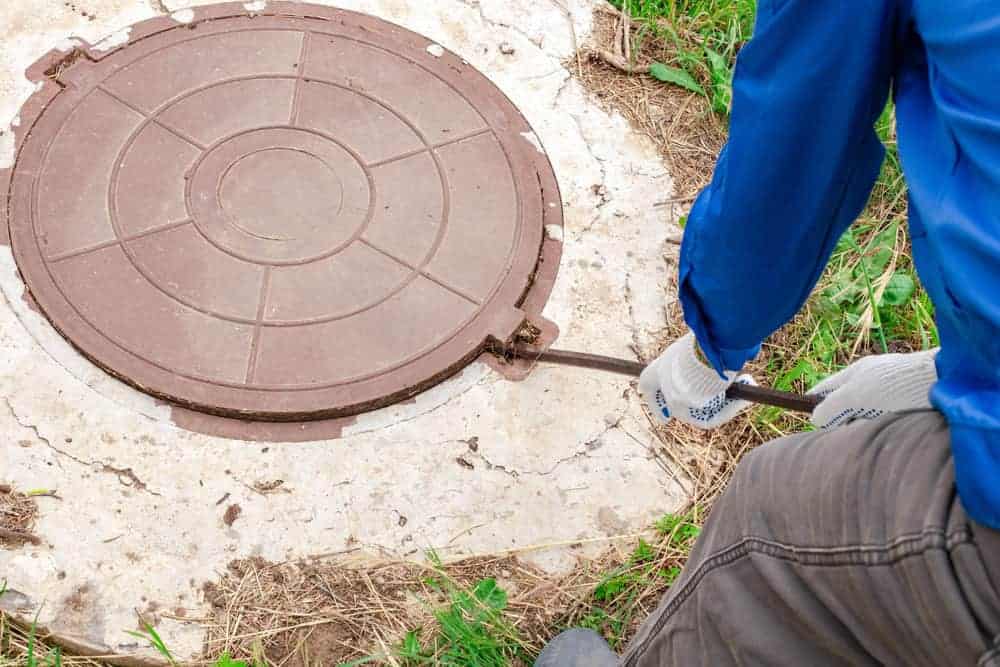
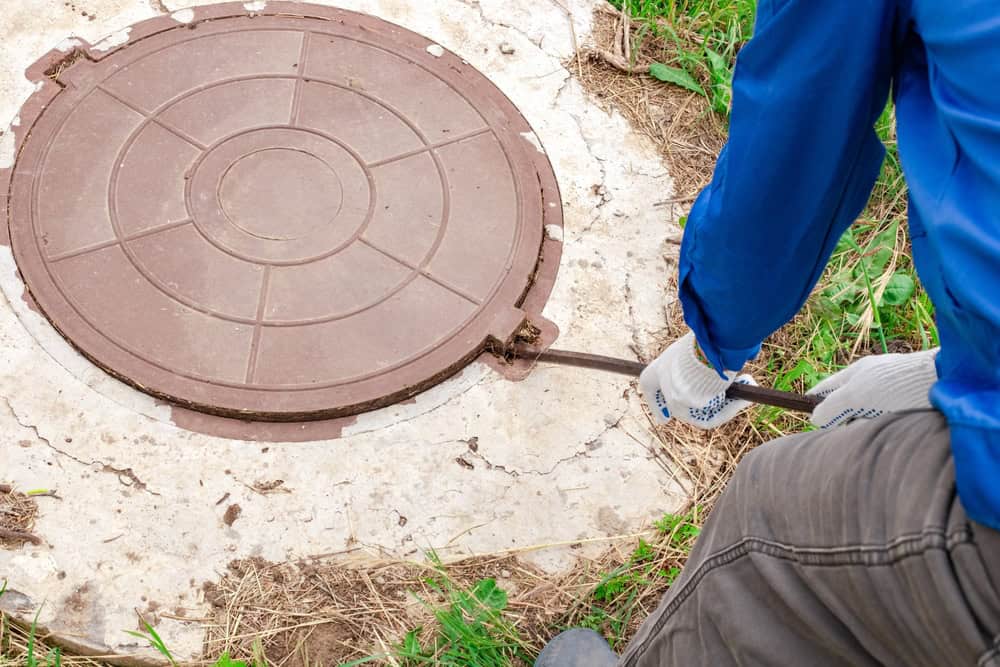
We start by locating and opening your tank access points. Using a device called a sludge judge, we measure the depth of solid waste that’s accumulated at the bottom. We also check the scum layer floating on top. When the bottom of the scum layer gets within six inches of the outlet, or when the top of the sludge layer reaches within twelve inches of the outlet, your tank needs pumping.
The septic inspection doesn’t stop there. We examine the baffles that direct flow through your tank. Damaged baffles might only cost a few hundred dollars to repair during routine septic maintenance, but if ignored, they’ll destroy your entire drain field. We look for cracks in the tank walls, check that inlet and outlet pipes are clear, and verify that your distribution box is level and functioning.
For septic systems with effluent filters, these need checking every six to twelve months. A clogged filter can cause backups even when your tank isn’t full. Some filters have alarm systems, but many don’t, which is why regular professional septic inspections matter.
Camera inspections add another layer of insight to your septic system maintenance. A waterproof camera fed through your pipes can reveal root intrusion, pipe damage, or blockages forming in areas you can’t see. This technology catches problems early, when they’re still manageable and before they turn into septic emergencies.
After the inspection, you receive a detailed report explaining what was found, what was done, and when you should schedule your next septic tank service. No surprises, no upselling—just honest information about your system’s condition and what it needs to keep working properly. That documentation becomes part of your septic maintenance records and proves valuable whether you’re planning ahead or preparing to sell your home.
Signs Your Septic Tank Needs Maintenance or Pumping
Your septic system usually gives plenty of warning before complete failure, but you need to know what to watch for. These septic tank problems develop gradually, and Long Island homeowners often miss them until they escalate into expensive emergencies.
Slow drains are often the first indicator. When toilets, showers, or sinks take longer than usual to drain, that’s your system telling you something’s wrong. One slow drain might be a simple clog, but multiple slow drains throughout your home point to a septic issue that needs professional attention.
Foul odors are harder to ignore. Sewage smells near your septic tank, in your yard, or coming from drains mean waste isn’t being contained properly. These odors can also indicate that gases produced by your full tank have nowhere to go except back through your plumbing.
Septic Warning Signs in Your Yard and Drain Field
Your lawn often shows septic system problems before your plumbing does. Pooling water or soggy areas near your tank or drain field when it hasn’t rained suggests your system is overflowing. On Long Island, where we get our drinking water from the same ground these septic systems drain into, this isn’t just a property issue—it’s a health concern for your family and neighbors.
Unusually green or lush grass over your septic area might seem like a good thing, but it’s actually a red flag for septic tank problems. It means your system is leaking nutrients into the soil, fertilizing that patch of lawn. This happens when your tank is full enough that waste is escaping where it shouldn’t, and it’s a clear sign you need septic pumping soon.
During wet weather or after heavy storms, watch how your drain field responds. Long Island’s high water table means that seasonal flooding can saturate drain fields and cause multiple septic systems in an area to fail simultaneously. If you notice standing water that won’t drain or if your system acts up specifically during wet periods, that’s worth mentioning when you schedule service.
Tree roots pose another risk to your septic system maintenance. Roots naturally seek out water and nutrients, which makes your septic lines attractive. If you have trees within thirty feet of your system and you’re experiencing drainage issues, roots might be infiltrating your pipes. This requires camera inspection to diagnose properly, but catching it early prevents the kind of damage that requires excavation and pipe replacement.
Pay attention to any changes in how your yard looks or smells near your septic tank. These changes don’t happen overnight, which means you have time to schedule septic service before you’re dealing with an emergency. The homeowners who end up with sewage in their basements are usually the ones who ignored these outdoor warning signs for months.
Indoor Plumbing Signals That Indicate Septic Problems
Gurgling sounds from your drains or toilets tell you that air is trapped in your plumbing system. This happens when your septic tank is full enough that it’s affecting how water and waste flow through your pipes. You might hear these sounds when you flush a toilet, run water in a sink, or use your washing machine—all signs that your septic system maintenance is overdue.
Sewage backup is the septic emergency nobody wants. If wastewater is coming back up through your drains—especially in your basement or lowest-level bathroom—your tank is beyond full. This is a health hazard that requires immediate professional septic tank service. The bacteria and pathogens in sewage can cause serious illness, and the damage to your home can be extensive.
Multiple fixtures acting up at once is more telling than a single problem. If your toilet won’t flush properly and your shower is draining slowly and your washing machine is backing up, that’s not coincidence. It’s your septic system failing to handle your household’s wastewater, and you need septic pumping right away.
Water usage patterns matter for your septic maintenance too. If you’ve recently had houseguests, hosted a party, or otherwise sent more water into your system than usual, watch for these signs in the days that follow. Your tank might have been close to needing service, and that extra usage pushed it over the edge.
Some homeowners try to solve these problems with drain cleaners or by calling a plumber for the individual fixtures. That might provide temporary relief, but it doesn’t address the underlying septic issue. If you’re experiencing these symptoms and it’s been more than two years since your last septic pumping, your septic tank is the likely culprit.
Long Island homeowners face an additional concern with septic system maintenance. Our shallow groundwater table means contamination from failing septic systems reaches drinking water sources faster than in other regions. When your system fails, you’re not just dealing with property damage—you’re potentially affecting your neighbors’ wells and the broader aquifer. That’s why Suffolk County has pushed for stricter septic inspection regulations and why septic tank service can’t wait when you notice these warning signs.
Protecting Your Investment with Regular Septic Care
Septic tank maintenance isn’t complicated, but it is essential for Long Island homeowners. Regular septic inspections catch small issues before they become expensive emergencies. Pumping on schedule prevents the drain field damage that costs thousands to repair. Paying attention to warning signs gives you time to schedule septic service instead of dealing with backups.
Suffolk County’s three-year septic system inspection requirement exists for good reason—it protects both your property and Long Island’s drinking water. Meeting that requirement doesn’t just keep you compliant; it keeps your system working when you need it most.
The homeowners who avoid septic emergencies are the ones who treat septic maintenance as routine rather than optional. They know their system’s location, keep records of service, and work with professionals who understand Long Island’s unique challenges. If you’re ready to protect your investment and avoid those emergency calls, we bring four generations of local expertise to every septic tank service job.