Summary:
What Is Septic Tank Pumping
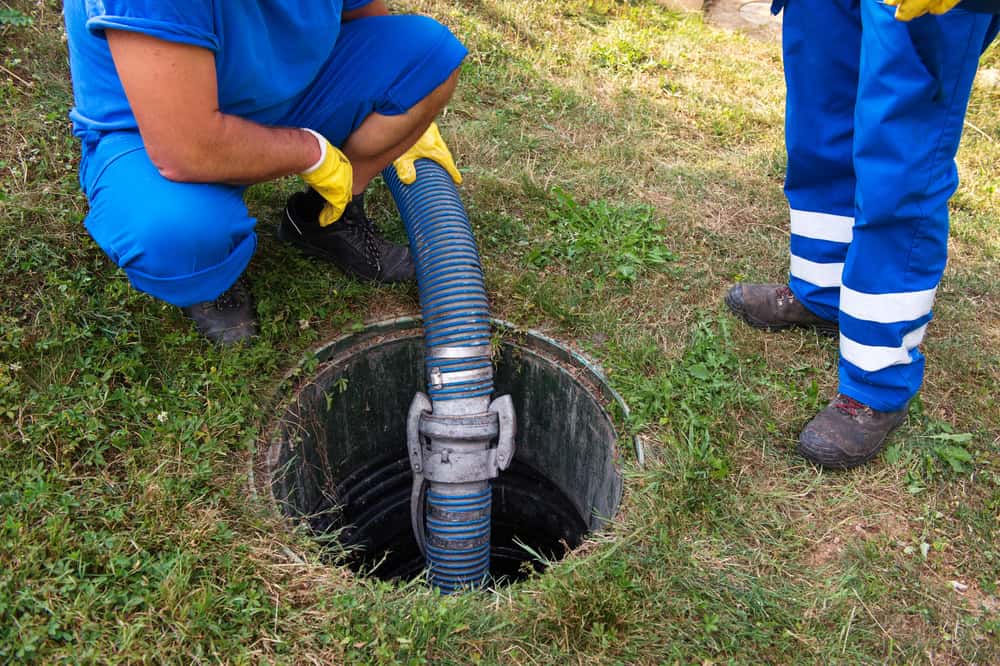
Pumping is the service most people think of when they schedule septic maintenance . We arrive with a vacuum truck, locate your tank, and remove the liquid wastewater along with some of the floating debris and sludge that’s accumulated since your last service.
The process targets the stuff that’s easiest to remove. Scum floats on top. Liquids sit in the middle. Some of the loose sludge gets pulled out too. The vacuum hose does its job, the truck hauls the waste away, and your tank has more capacity again.
For many Long Island homes, this is the routine maintenance that keeps things flowing. It’s what prevents your drains from backing up and your yard from turning into a swamp. Most families need this done every two to three years, though your specific timeline depends on household size, water usage, and how well your system was designed for Long Island’s soil conditions.
How Septic Tank Pumping Works
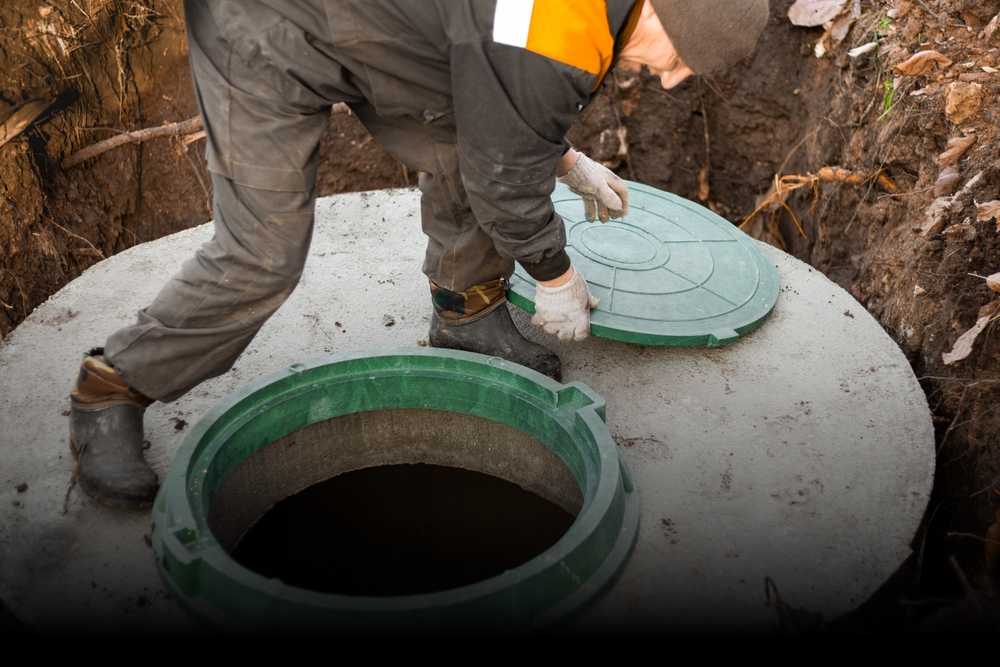
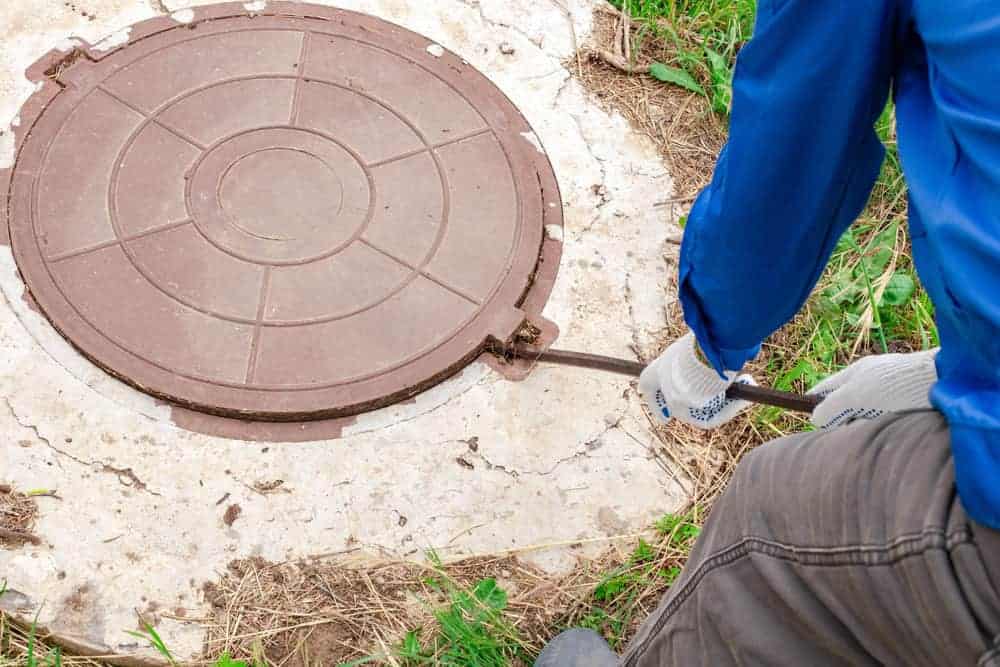
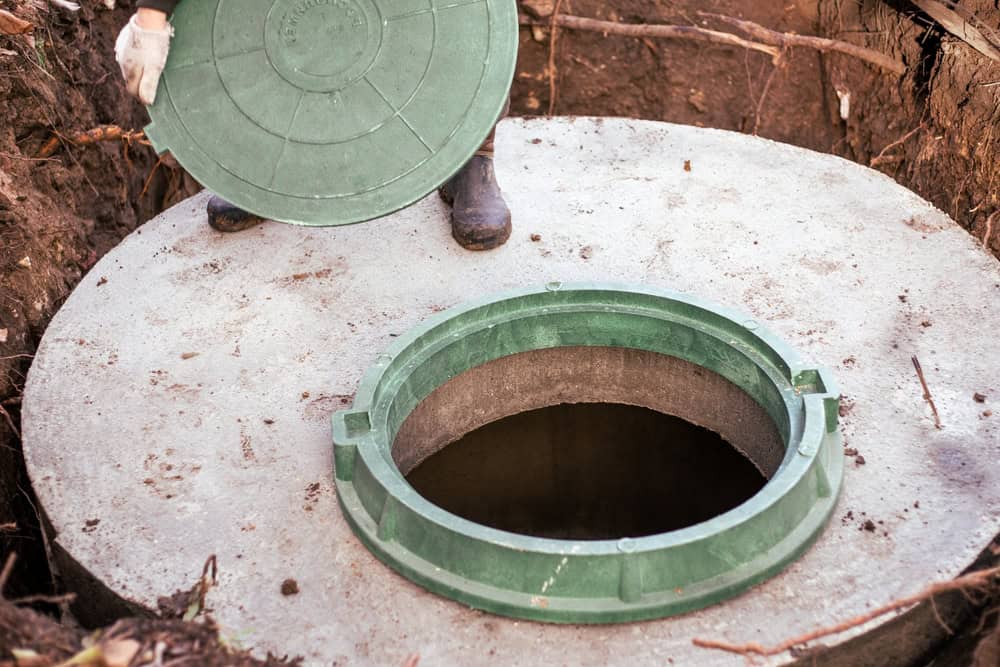
The pumping process starts with access. On Long Island properties, tanks are sometimes buried under landscaping that’s changed over the years, or records are incomplete on older homes. We use locating equipment or probe the ground to find the tank without tearing up your entire yard.
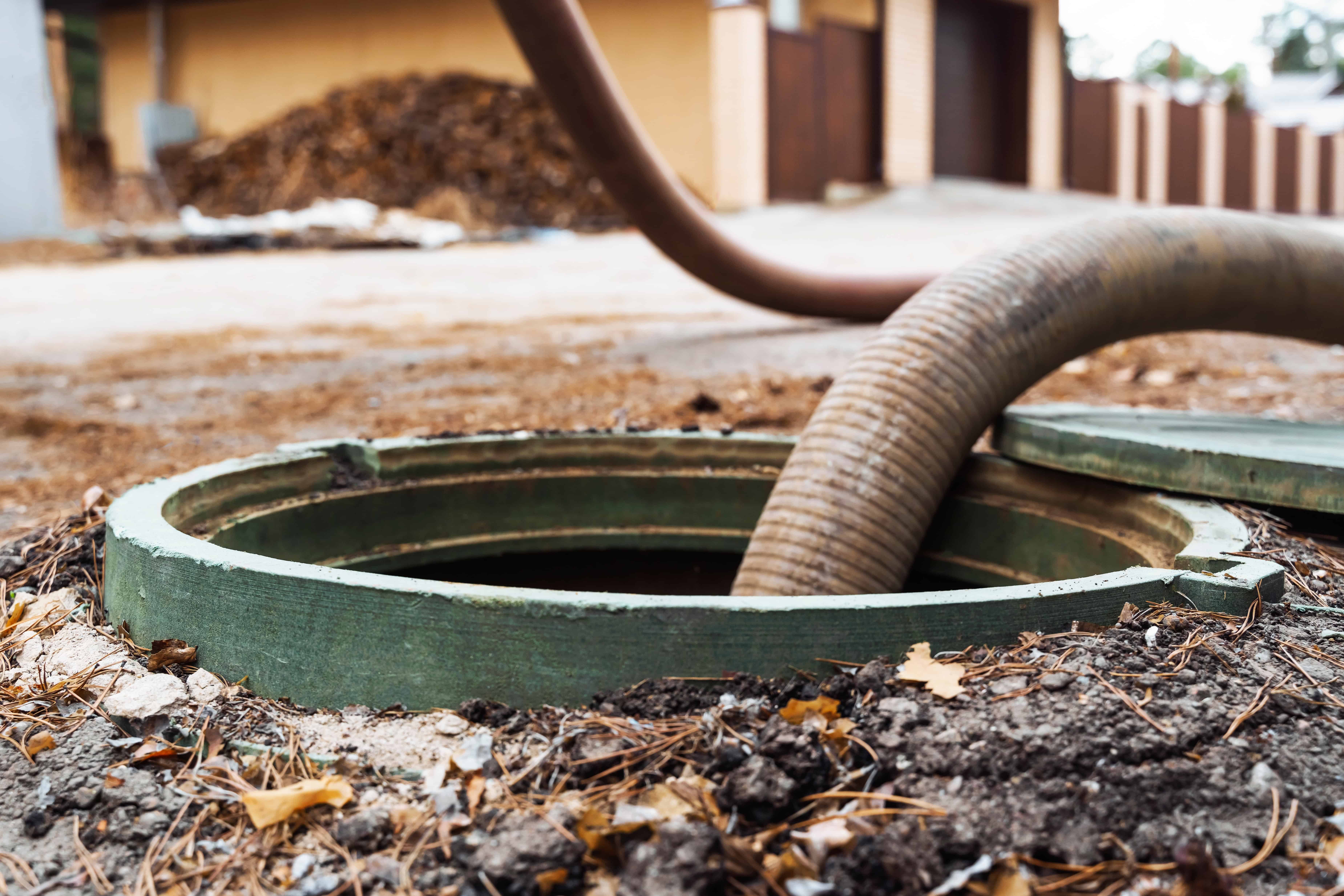
Once the tank is accessible, the real work begins. A large vacuum hose gets inserted through the tank’s access port. The truck’s pump creates suction strong enough to pull out liquids, floating scum, and loose solids. This isn’t a five-minute job if it’s done right.
Some companies rush through pumping. They remove enough waste to stop your immediate problem but leave residual sludge that shortens the time until your next service. That’s not how it should work. A thorough pumping means removing as much material as the vacuum system can handle, not just the minimum.
After the waste is removed, we inspect what’s left. We’re checking sludge depth at the tank bottom. We’re looking at the condition of baffles and filters. We’re making sure the tank isn’t taking on groundwater, which is a real concern with Long Island’s high water table. These observations tell you whether pumping alone is enough or if your system needs more attention.
The waste goes into the truck’s holding tank and gets transported to an approved treatment facility. You’re left with a tank that has capacity again and, ideally, some information about your system’s condition. That’s pumping in a nutshell.
When Pumping Is Enough
Pumping works well when you’ve stayed on top of maintenance. If your system gets serviced every few years like it should, and you’re not flushing things that don’t belong in a septic tank, standard pumping handles what needs to be removed.
Think of it as regular upkeep. Your tank fills gradually with normal household waste. Bacteria break down some of the solids. The rest settles as sludge or floats as scum. When those layers get thick enough that they’re reducing your tank’s working capacity, it’s time to pump.
For Long Island homes with typical water usage, this rhythm works. A family of four using 250 to 400 gallons of water daily will generally need pumping every two to three years. Smaller households can stretch it longer. Larger families or homes with high water use need it more often.
You’ll know pumping is working when your drains flow normally, you don’t smell sewage near your tank or drain field, and you’re not seeing wet spots in your yard. These are signs your system is processing wastewater the way it should.
But here’s where it gets tricky. Pumping removes what’s easy to remove. It doesn’t scrub the tank walls. It doesn’t break up hardened sludge that’s been sitting at the bottom for years. It doesn’t address buildup that’s compacted and stuck. That’s where cleaning comes in.
If it’s been more than five years since your last service, or if you’ve never had your tank fully cleaned, pumping alone might not be enough. The compacted material at the bottom won’t come out with standard vacuum equipment. It needs mechanical agitation or high-pressure water to break it loose.
Long Island’s sandy soil and high water table add another layer to this. Systems here face challenges that don’t exist in other parts of the country. Water tables rise during heavy rain. Soil drains quickly but doesn’t filter as well as denser soils. These conditions mean your tank needs to work efficiently, and that efficiency drops when sludge builds up beyond what pumping can handle.
What Is Septic Tank Cleaning
Septic Tank Cleaning is the more thorough service. While pumping removes liquids and loose material, cleaning removes everything, including the compacted sludge stuck to your tank bottom and walls. It’s a reset for your system.
This process typically involves more than just vacuum equipment. We use high-pressure water jets or mechanical scrapers to break up hardened waste that won’t budge with suction alone. The goal is to leave your tank as close to empty and clean as possible.
Cleaning isn’t something you need every time you service your tank. It’s the deeper maintenance that becomes necessary when standard pumping isn’t cutting it anymore, or when your system hasn’t been properly maintained for years. Think of pumping as your regular oil change and cleaning as the full engine flush you do periodically to keep everything running right.
How Septic Tank Cleaning Works
Cleaning starts the same way pumping does. The tank gets located and opened. The vacuum truck removes the liquids and loose material first. But then the work continues.
High-pressure water jets or mechanical agitation tools go into the tank to break up the compacted layer at the bottom. This sludge has been sitting there, sometimes for years, getting denser and harder. It won’t come out with vacuum suction alone. The water jets blast it loose. The agitation tools break it apart. Then the vacuum equipment can pull it out.
Tank scrubbing addresses buildup on the walls too. Over time, solids stick to the interior surfaces of your tank. This reduces the tank’s effective volume and can interfere with how well it separates waste. Scrubbing removes this coating and restores the tank’s full capacity.
We use hydro-jetting equipment for this work. These systems push water through specialized nozzles at pressures high enough to cut through roots, break apart grease buildup, and scour pipes clean. For septic tanks, lower pressure settings work, but the principle is the same. The pressurized water does what vacuum suction can’t.
After everything is broken loose and removed, the tank gets a final rinse. This ensures no debris is left that could cause problems. The result is a tank that’s genuinely clean, not just pumped.
The difference shows up in how long your system stays functional. A properly cleaned tank processes waste more efficiently. The full volume is available for separation. Bacteria can work on fresh waste instead of struggling with compacted material. Your drain field receives clearer effluent, which extends its life too.
For Long Island properties, this matters more than you might think. The high water table here means your system doesn’t have as much soil depth for filtration as systems in other areas. When your tank isn’t processing waste efficiently, more solids escape to the drain field. Those solids clog the soil. The drain field fails. And you’re looking at repairs that run into five figures.
When You Need Cleaning Instead of Pumping
You need cleaning when pumping alone won’t solve the problem. If it’s been five or more years since your last full service, cleaning is probably overdue. If you’ve bought a home and have no records of septic maintenance, assume cleaning is needed.
Signs that point to cleaning include slow drains that don’t improve after pumping, persistent odors even with a recently serviced tank, or a history of frequent backups. These suggest buildup that pumping can’t address.
Cleaning also becomes necessary when inspection reveals excessive sludge depth. We measure the sludge layer during service. When it reaches about 12 inches, or when it’s taking up more than a third of your tank’s volume, you’ve moved beyond what pumping can handle. The compacted material needs to be broken up and removed, not just reduced.
Long Island homeowners face an additional consideration. Many properties here have older systems that were installed before modern standards. These systems may have never been fully cleaned, just pumped periodically. Decades of compacted sludge sit at the bottom, reducing capacity and efficiency. A thorough cleaning brings these systems back to functional condition.
If your system has experienced problems like drain field saturation or backup events, cleaning should be part of the repair process. You need to start with a completely clean tank to give your system the best chance of recovery.
Homes with high water usage need cleaning more often too. If you run a home business, have a large family, or entertain frequently, your tank processes more waste faster. The sludge accumulates quicker. Standard pumping intervals might not be enough. A periodic deep cleaning keeps the system from getting overwhelmed.
Chemical treatments and additives don’t replace cleaning. Some products claim to break down sludge or reduce pumping frequency. They don’t work as advertised. The only reliable way to remove compacted waste is mechanical removal. Save your money and invest in proper service instead.
Choosing the Right Service for Your Long Island Septic System
The difference between pumping and cleaning comes down to thoroughness. Pumping handles routine maintenance for systems that are kept up regularly. Cleaning addresses deeper buildup and brings neglected systems back to proper function. Most homes need pumping every two to three years, with a full cleaning every several pumpings or when inspection shows it’s necessary.
For Long Island properties, this maintenance matters more than in other areas. The high water table, sandy soil, and environmental regulations here don’t forgive neglect. A system that’s not processing waste efficiently fails faster and causes more damage when it does.
If you’re not sure what your system needs, start with an inspection. We can measure sludge depth, check component condition, and tell you whether pumping or cleaning is the right call. Don’t wait for warning signs like slow drains or odors. By then, you’re already behind. We’ve been helping Long Island homeowners keep their systems running for nearly two decades. If it’s time for service or you just want to know where your system stands, reach out.