Septic Tank vs. Cesspool: What Are the Key Differences?
Septic tanks and cesspools are two types of wastewater treatment systems used to treat wastewater from homes and businesses. While both systems are designed to treat wastewater, there are some key differences between them.
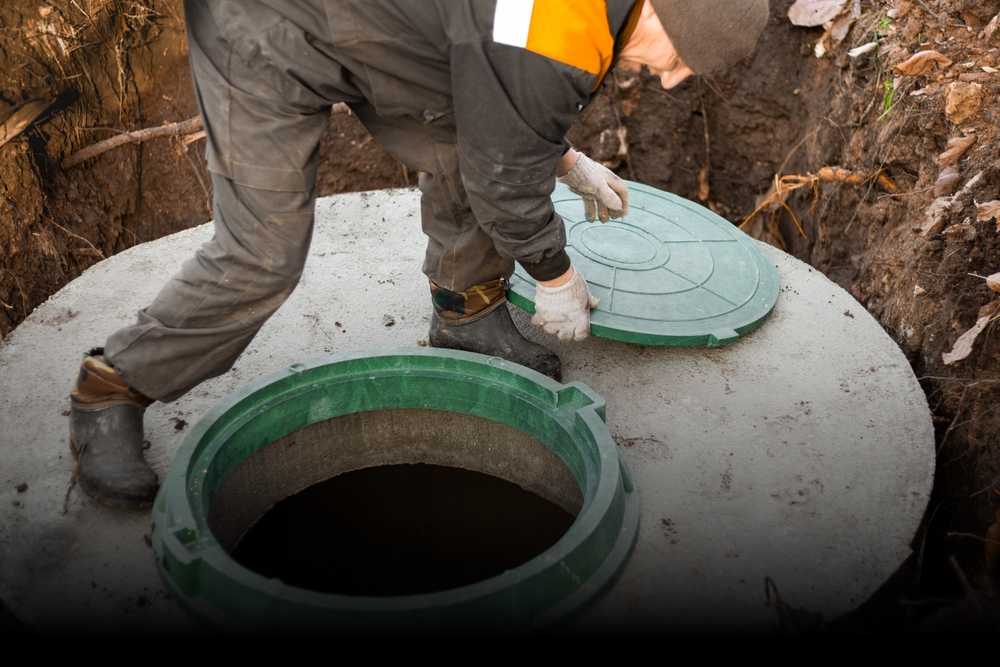
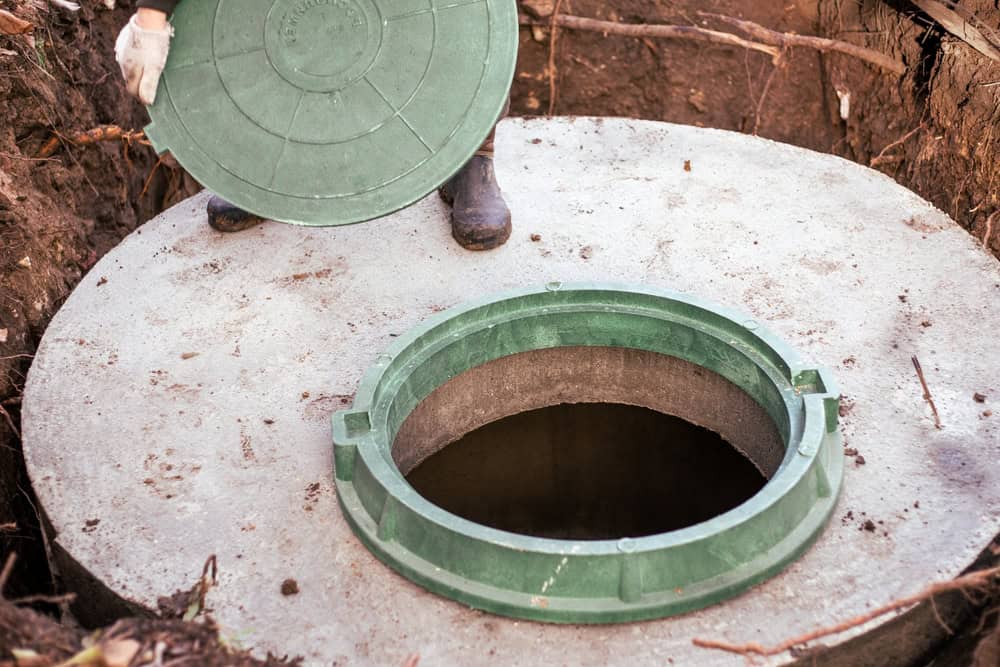
A septic tank is a large, underground tank that is used to treat wastewater from a home or business. The tank is typically made of concrete, fiberglass, or plastic and is designed to separate solids from liquids. The solids settle to the bottom of the tank, while the liquids are allowed to flow out of the tank and into a drain field. The drain field is a series of trenches filled with gravel and soil that allow the wastewater to slowly seep into the ground.
A cesspool, on the other hand, is a large, underground pit that is used to collect wastewater. Unlike a septic tank, a cesspool does not treat the wastewater. Instead, the wastewater is simply stored in the cesspool until it is pumped out and disposed of. Cesspools are not as common as septic tanks, as they are not as effective at treating wastewater.
The main difference between a septic tank and a cesspool is that a septic tank treats wastewater, while a cesspool simply stores it. Septic tanks are more effective at treating wastewater, as they are designed to separate solids from liquids and allow the liquids to flow into a drain field. Cesspools, on the other hand, do not treat wastewater and simply store it until it is pumped out and disposed of.
How to Maintain a Septic Tank vs. a Cesspool: A Guide for Homeowners
Maintaining a septic tank and a cesspool are two very different tasks. Homeowners should understand the differences between the two systems and the maintenance requirements for each. This guide will provide an overview of the differences between septic tanks and cesspools, as well as the maintenance requirements for each.
What is a Septic Tank?
A septic tank is an underground wastewater treatment system. It is typically made of concrete, fiberglass, or plastic and is designed to hold wastewater from a home or business. The wastewater is broken down by bacteria in the tank, and the solids settle to the bottom of the tank. The liquid is then released into a drain field, where it is further filtered and treated before being released into the environment.
What is a Cesspool?
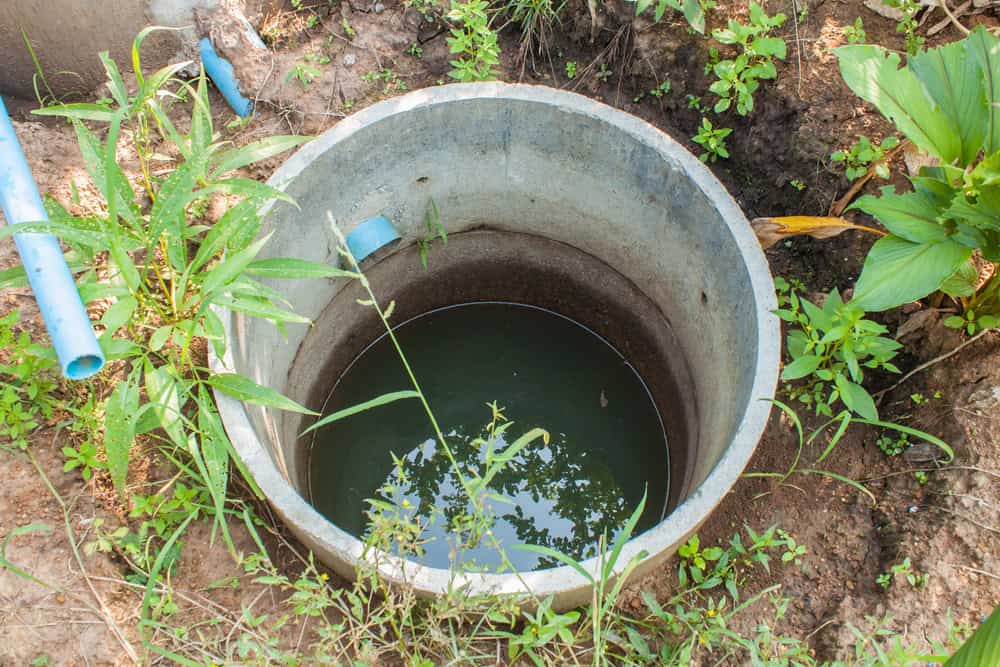
A cesspool is an underground chamber that is designed to collect and store wastewater. Unlike a septic tank, a cesspool does not treat the wastewater. Instead, it simply collects the wastewater and stores it until it is pumped out. Cesspools are typically made of concrete, brick, or stone and are not designed to break down solids.
Maintenance Requirements
The maintenance requirements for a septic tank and a cesspool are very different. Septic tanks should be inspected and pumped out every three to five years, depending on the size of the tank and the amount of wastewater it receives. The tank should also be checked for any signs of damage or leaks.
Cesspools should be inspected and pumped out every one to two years, depending on the size of the tank and the amount of wastewater it receives. The tank should also be checked for any signs of damage or leaks. Additionally, cesspools should be treated with a bacterial additive to help break down solids and reduce odors.
Conclusion
Maintaining a septic tank and a cesspool are two very different tasks. Homeowners should understand the differences between the two systems and the maintenance requirements for each. Septic tanks should be inspected and pumped out every three to five years, while cesspools should be inspected and pumped out every one to two years. Additionally, cesspools should be treated with a bacterial additive to help break down solids and reduce odors. By following these guidelines, homeowners can ensure that their septic tank or cesspool is properly maintained.
The Pros and Cons of Installing a Septic Tank vs. a Cesspool
Installing a septic tank or a cesspool is a major decision for any homeowner. Both systems have their advantages and disadvantages, and it is important to understand the differences between them before making a choice.
The primary advantage of installing a septic tank is that it is a more efficient system than a cesspool. A septic tank is designed to separate solids from liquids, allowing the liquids to be filtered and released into the ground. This helps to reduce the amount of waste that is released into the environment. Additionally, septic tanks require less maintenance than cesspools, as they do not need to be emptied as often.
On the other hand, cesspools are less expensive to install than septic tanks. They also require less maintenance, as they do not need to be emptied as often. However, cesspools are not as efficient as septic tanks, as they do not separate solids from liquids. This means that more waste is released into the environment, which can be damaging to the environment.
In conclusion, both septic tanks and cesspools have their advantages and disadvantages. It is important to consider the cost, efficiency, and maintenance requirements of each system before making a decision. Ultimately, the best choice will depend on the individual needs of the homeowner.