Summary:
Your drains are backing up. You’re smelling sewage near your foundation. Or you’re buying a home in Huntington and your lender wants sewer line documentation before closing. Whatever brought you here, you need answers about what’s happening underground and what it’s going to cost.
The diagnostic method you choose determines everything – how much you pay, whether your yard gets destroyed, and if you’re actually fixing the root problem or just treating symptoms. Camera technology lets you see 40 feet underground without touching your landscaping. That visibility changes the entire equation.
Sewer Camera Inspection Cost in Suffolk County
Camera inspections typically cost $200 to $400 for residential properties in Suffolk County. The final price depends on how much sewer line needs inspection and whether your property has existing cleanout access.
Emergency sewer repairs start around $3,000. Full sewer line replacement runs $8,000 to $25,000 depending on depth and location. The $300 you spend on camera inspection protects you from those five-figure surprises.
The cost advantage isn’t just the inspection itself. When you know exactly where the problem sits – 47 feet from your house, 3 feet deep, roots breaking through a cracked joint – repair crews dig one targeted hole. Not three exploratory trenches across your yard hoping to find it.
What You Get During a Sewer Line Camera Inspection
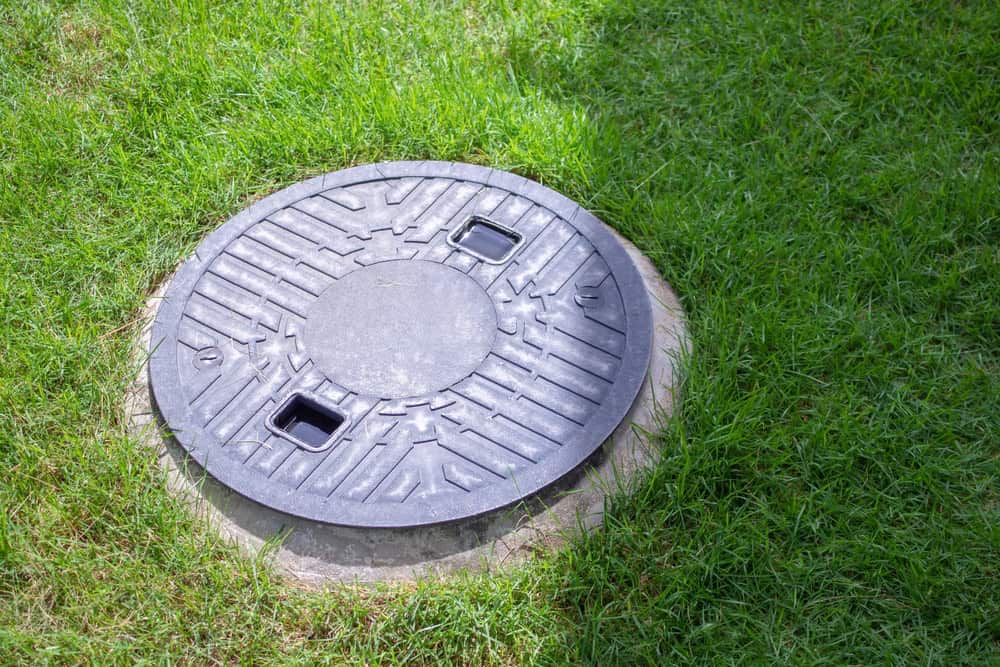
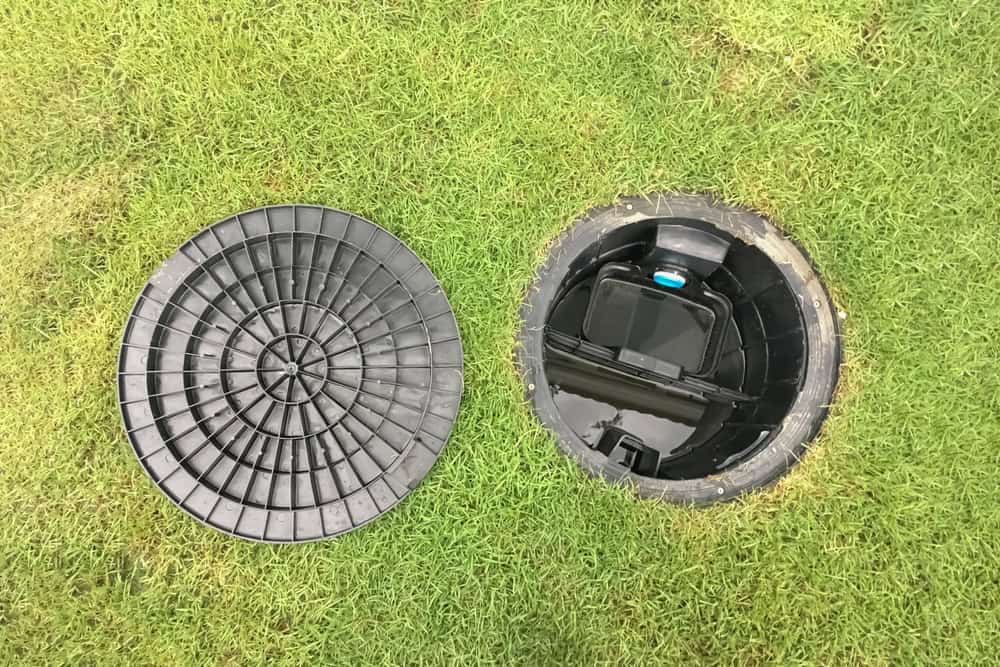
A waterproof high-definition camera on a flexible cable goes through your sewer line via existing access points. Most homes have a cleanout – that capped pipe in your yard specifically designed for maintenance access. Homes without cleanouts can be accessed through toilet connections.
The camera travels your entire sewer line sending real-time video to a monitor. You watch alongside the technician. When the camera hits a crack, you see it. When roots have broken through a joint, you see exactly where and how extensive. When pipe sections have separated or bellied, the footage shows it clearly.
Most inspections take one to two hours. Simple drain lines might finish in 30 minutes. Full sewer line inspections from your house to the street connection typically need 90 minutes to two hours. We document everything found and note exact locations and depths.
Modern camera systems include transmitters that let crews locate problems from above ground. Some show how deep the issue sits. That precision means repair excavation happens in one spot – not multiple test holes across your property.
Your yard stays intact. Your driveway doesn’t get jackhammered. Your landscaping remains undisturbed. The camera reveals what traditional methods couldn’t see without tearing up half your property.
Suffolk County’s conditions make this especially valuable. Sandy soil that shifts. High water tables. Homes in Commack, Smithtown, and Northport with original 1950s sewer lines. Those older clay and cast iron pipes are reaching end of life. Camera inspection shows their current condition without the exploratory digging that used to be the only option.
Traditional Excavation Diagnostic Costs and Property Damage
Traditional diagnosis meant guessing based on symptoms. Multiple drains backing up. Sewage smell in the yard. Those signs pointed to a sewer line problem somewhere. Finding the exact location required digging.
Excavation accounts for roughly 60% of total sewer repair costs. You pay for trenching labor, equipment rental, disposal of excavated material, and restoration of everything that got torn up. The process takes days instead of hours. Results need interpretation and often require follow-up checks.
The real cost comes when they dig in the wrong spot first. Symptoms suggested a blockage near your foundation. Crew excavates there and finds nothing. Actual problem sits 60 feet down the line where oak tree roots broke through. Now you’re paying for a second excavation plus restoring the first dig site that accomplished nothing.
Property damage compounds quickly. Driveways need repaving. Landscaping needs replacement. Sewer lines running under patios or walkways mean demolishing and rebuilding those structures. Damaged sprinkler systems. Accidentally severed utility lines. Each issue carries its own repair bill.
Long Island’s conditions make traditional excavation more expensive. Sandy soil requires shoring to prevent trench collapse. High water tables mean crews working in standing water. Mature trees throughout Huntington Station, East Northport, and Greenlawn create root systems that complicate digging. Properties with additions built over undocumented sewer lines.
Emergency excavation runs three to four times normal rates. Sewage backing into your basement at 2 AM means emergency service calls. Rush fees. Overtime rates. No time for competitive bids or price shopping.
The hidden expense is repeat work. Traditional methods might clear a blockage without identifying why it happened. Tree roots caused it? They grow back within months. Cracked pipe? Blockage returns. You pay for the same repair repeatedly because the underlying cause never got properly diagnosed.
Camera Inspection vs Traditional Methods Accuracy Comparison
Camera inspections achieve roughly 98% diagnostic accuracy compared to about 72% with traditional methods. That 26-point difference determines whether you’re fixing your actual problem or wasting money treating symptoms.
High-definition footage shows pipe interior conditions in detail. Cracks forming before they become full breaks. Root intrusion while it’s manageable instead of after complete blockage. Grease buildup, corrosion, separated joints, bellied sections collecting waste – all visible in real-time.
Traditional methods relied on indirect evidence. Dye testing confirmed leaks existed but couldn’t show causes. Running a snake cleared blockages but provided zero information about overall pipe condition. Excavation revealed problems only in the specific section dug up – everything else remained unknown.
Video Pipe Inspection Benefits for Aging Long Island Infrastructure
Suffolk County’s infrastructure creates unique diagnostic challenges. Communities like Babylon, Bay Shore, and Huntington have homes built during the post-war boom with original plumbing from the 1940s through 1960s. Those systems used clay pipes, cast iron, sometimes Orangeburg pipe. Each material degrades differently.
Camera inspection identifies pipe material and current condition in one pass. Clay pipes crack at joints. Cast iron corrodes from inside out. Orangeburg – compressed wood pulp pipe – softens and collapses. Knowing what you’re dealing with determines the right repair approach.
Tree roots cause approximately 60% of sewer line failures across Suffolk County. Those mature oak and maple trees lining streets throughout the county have root systems growing 20 to 30 feet searching for moisture. Sewer lines carrying wastewater are exactly what they seek.
Roots enter through hairline cracks or slightly loose joints. Once inside they grow into masses that block flow or crack pipe walls completely. Camera inspection catches root intrusion early – when it’s a $500 cleaning instead of a $15,000 replacement.
Suffolk County’s 2019 cesspool installation ban changed requirements. You can’t replace a failing cesspool with another cesspool. Upgrades to septic systems or advanced treatment technology are mandatory. Lenders increasingly require sewer documentation before mortgage approval. Camera inspection provides the dated visual proof they need.
Sandy soil throughout Long Island shifts constantly. Heavy rains, freeze-thaw cycles, simple settling over decades – all cause ground movement. That shifting cracks pipe joints or causes sections to separate. Camera inspection reveals these developing issues before they become backups.
High water tables affect how cesspools and septic systems function. When groundwater rises close to your leaching pit, system failure follows. Camera footage shows whether water seeps into your sewer line from outside or leaks out into surrounding soil. That distinction determines if you need simple repairs or full system replacement.
Real Estate Transactions Require Sewer Line Documentation
Most Suffolk County lenders now require cesspool or septic documentation before mortgage approval. Regulations around wastewater systems tightened significantly after 2019. Camera inspection satisfies requirements by providing dated visual proof of system condition.
Buyers request sewer inspections during due diligence even when lenders don’t mandate it. They want assurance they’re not inheriting a system on the verge of failure. Recent camera inspection footage removes that uncertainty from the transaction.
Sellers benefit equally. Documented proof that your sewer line and cesspool function properly eliminates a major negotiation obstacle. Buyers can’t demand $10,000 credits for potential sewer problems when you’ve got video showing everything in good condition.
When inspections find problems, both parties work from facts instead of speculation. Footage shows exactly what’s wrong and precise locations. Buyers get accurate repair estimates. Sellers know what they’re actually facing. Negotiations proceed based on real information instead of worst-case assumptions.
Standard home inspections don’t examine underground pipe interiors. Home inspectors verify water drains and check for obvious surface issues. They don’t send cameras through sewer laterals. That gap leaves buyers vulnerable to expensive post-closing surprises.
Sewer line replacement costs $8,000 to $25,000 depending on depth, length, and access requirements. Discovering that need three months after closing means paying entirely out of pocket. Discovering it before closing means negotiating with sellers or walking away if numbers don’t work.
Inspection footage also prevents disputes. When both parties viewed the same video and received identical written reports, no disagreement exists about system condition at time of sale. Documentation becomes part of the permanent transaction record.
Many Suffolk County properties approach the point where sewer system upgrades become necessary due to aging infrastructure. Camera inspection reveals whether you’re buying a home with five years remaining sewer line life or one needing immediate replacement. That timeline significantly affects financial planning.
Choosing the Right Diagnostic Method for Your Sewer Line
Camera inspection runs $200 to $400. Traditional excavation-based diagnosis starts at $3,000. The price difference is clear. What matters more is what you receive for that investment.
Camera inspection provides real-time visual confirmation of actual conditions. Documented proof for insurance claims, real estate transactions, and repair planning. Protection from unnecessary property damage. Early problem detection while issues remain manageable instead of waiting for emergencies.
Traditional excavation still has its place for actual repairs once you know what and where. Using excavation as a diagnostic tool when camera technology exists doesn’t serve most Suffolk County homeowners’ financial interests.
We’ve served Long Island for nearly two decades with four generations of family expertise in cesspool and septic services. Our camera inspection capabilities help Suffolk County homeowners make informed decisions based on what’s actually happening underground – not guesswork and hope.