Summary:
Your cesspool has been in the ground since the 1970s. Now you’re hearing about Suffolk County’s ban and wondering if you’re suddenly out of compliance or facing a forced upgrade you can’t afford.
Here’s what actually happened: the July 2019 regulatory changes didn’t outlaw existing cesspools. They changed what happens when your system fails or when you choose to replace it. If you’re planning a renovation, buying or selling a home, or dealing with an aging system, these regulations affect your options and your costs. The details matter more than the rumors suggest.
What Changed in July 2019 for Suffolk County Cesspools
Before July 1, 2019, Suffolk County homeowners could replace a failing cesspool with another cesspool. That loophole closed. County Executive Steve Bellone signed the legislation in December 2017, giving homeowners and the industry 18 months to prepare.
The core change is straightforward: when you replace your cesspool now, you must install at minimum a conventional septic system with a septic tank and leaching structure. You’re meeting the same standards that have applied to new construction since 1973.
Your existing cesspool can stay if it’s working. There’s no mandatory replacement timeline. Regular pumping every 2-3 years and proper maintenance can extend system life for years. The regulations kick in when you decide to replace your system or when specific property changes trigger requirements.
Cesspool Replacement Regulations After 2019
The cesspool replacement regulations distinguish between voluntary and mandatory upgrades. If your system is functioning but you want to upgrade for environmental reasons or peace of mind, that’s your choice. Many Suffolk County homeowners continue operating cesspools installed decades ago.
Mandatory replacement happens when your system fails—sewage backing up into your home, standing water that won’t drain, or catastrophic structural failure. When that happens, you’re not getting another cesspool. You’re installing a compliant system that meets current Suffolk County Sanitary Code standards.
What counts as compliant depends on your situation. For voluntary replacements of existing systems, the minimum is a conventional septic system: a watertight septic tank for solids separation, followed by a leaching structure where treated effluent infiltrates the soil. This costs $15,000-$20,000 instead of the $6,500-$8,000 homeowners used to pay for cesspool-to-cesspool replacements.
The Suffolk County Department of Health Services now requires registration for all cesspool replacements and septic system installations. Your contractor must file documentation showing the system type, location, and compliance with current standards. This isn’t the same as obtaining a construction permit, which is only required for new construction or when you want formal SCDHS approval of bedroom counts.
Registration creates accountability. Before 2019, replacements often happened without county oversight. Now every replacement is documented, and contractors who skip registration face penalties. For homeowners, this means working with licensed professionals who understand requirements and file proper paperwork.
The regulations also prohibit certain materials and configurations. Concrete block or brick structures must be replaced with precast reinforced concrete or approved alternatives. Systems without septic tanks preceding the leaching structure are banned. New installations must meet structural and treatment standards that protect groundwater quality.
Property owners in municipal sewer districts face different rules. If you’re within sewer district boundaries or served by community sewage systems, cesspool replacement is generally prohibited. You’re expected to connect to available sewer infrastructure instead.
Long Island Cesspool Laws and the Nitrogen Problem
The 2019 changes didn’t happen to burden homeowners. They happened because Long Island faces a water quality crisis that directly threatens drinking water supplies and coastal ecosystems.
Long Island gets 100% of its drinking water from underground aquifers. Every single drop. When more than 252,000 properties discharge wastewater through cesspool-only systems that do nothing to remove nitrogen, that nitrogen goes straight into the same aquifer supplying drinking water wells.
Conventional cesspools release approximately 40 pounds of nitrogen per household annually into groundwater. Multiply that across hundreds of thousands of homes, and you’re looking at the largest single source of nitrogen pollution degrading Suffolk County’s water quality.
Nitrogen fuels harmful algae blooms that close beaches, restrict shellfishing, kill fish, and create oxygen-depleted dead zones in bays and harbors. Studies from the Long Island Commission for Aquifer Protection showed nitrogen pollution in Long Island’s aquifers rose 200% between 1987 and 2005. Water quality monitoring in 2019 found every major bay and estuary across Long Island affected by toxic algae blooms, oxygen-starved waters, or both.
Long Island’s sandy soil makes the problem worse. Contaminants seep easily into groundwater with minimal natural filtration. In low-lying coastal areas, cesspools often fail when groundwater comes close to the leaching pit. Storm surges and heavy rain can submerge systems, causing multiple failures at once and releasing pathogens that threaten human health.
Even when working as designed, traditional cesspools and septic systems aren’t built to remove nitrogen. They handle bacteria and separate solids, but nitrogen passes through essentially unchanged. That’s why Suffolk County closed the replacement loophole—continuing to install cesspool-only systems perpetuated technology that couldn’t address the core pollution problem.
Understanding this environmental context helps homeowners see these regulations as more than bureaucratic hurdles. Your wastewater system directly impacts the aquifer supplying your drinking water and your neighbors’ wells. Upgrading to systems that actually treat nitrogen protects the water resources every Long Island resident depends on.
Cesspool Permit Requirements in Suffolk County
Navigating Suffolk County’s permit requirements means understanding the difference between registration and formal permits. Most cesspool replacements require registration, not full permits, which simplifies the process significantly.
Registration applies when you’re replacing an existing cesspool or septic system serving an existing home. Your contractor submits a registration notice to the Suffolk County Department of Health Services documenting the work. This covers system type, location, compliance with current standards, and separation distances from wells and property lines.
Formal permits become necessary for specific situations: new construction on vacant lots, replacement dwellings, additions that add bedrooms, and major reconstruction projects. If you want official department approval stating the number of bedrooms in your dwelling or design specifications for your system, you’ll need a permit.
The cost structure differs too. There’s currently no fee for registration of cesspool replacements and retrofits. Formal permit costs vary depending on system size and project complexity, typically ranging $200-$500, with processing times of 2-4 weeks.
When You Need Permits vs. Registration
The distinction between permits and registration determines your paperwork burden, timeline, and costs. Getting this right prevents delays and failed inspections.
Registration suffices for voluntary replacement of your existing cesspool with a conventional septic system or I/A OWTS. You’re not changing property use, not adding bedrooms, not building anything new—just upgrading your wastewater system to meet current standards. Your contractor handles the registration filing.
Formal permits are required when your project involves new construction or major changes. Building a new home on a vacant parcel requires a permit. Adding bedrooms that increase your property’s wastewater output triggers permit requirements because you’re expanding the system’s design capacity.
Major reconstruction projects fall under permit requirements too. Suffolk County defines this as work costing 50% or more of your property’s market value. A $400,000 home undergoing $200,000 in renovations qualifies. These projects must install I/A OWTS nitrogen-reducing systems, not just conventional septic tanks.
Bedroom count matters more than many homeowners realize. Remodeling without adding bedrooms and staying below the 50% reconstruction threshold may exempt you from advanced system requirements. But adding bedrooms beyond previous SCDHS approvals triggers permit requirements even if renovation costs stay under 50% of property value.
Certain modifications don’t trigger permit or registration requirements at all. Replacing a distribution box, adding a manhole, or reconfiguring system piping falls outside Article 6’s scope. Similarly, replacing pumps, control panels, effluent filters, or electrical components on existing systems can be done without SCDHS approval.
Working with contractors who understand these distinctions saves time and money. We know when registration suffices and when formal permits are required. We handle paperwork, schedule required inspections, and ensure compliance throughout installation.
The inspection process has specific requirements. The Suffolk County Department of Health Services must be notified at least 24 hours before inspections at excavation, tank placement, and backfill stages. Backfilling before calling for inspection can require re-excavation, and no approval will be issued until there’s verified compliance.
I/A OWTS Requirements and the 2021 Changes
The 2019 cesspool replacement ban was just the first step. In October 2020, Suffolk County Legislature passed additional requirements that took effect July 1, 2021, mandating Innovative and Alternative Onsite Wastewater Treatment Systems—I/A OWTS—for new construction and major reconstruction.
I/A OWTS systems are nitrogen-reducing technology that removes up to 70-90% of nitrogen from wastewater before it reaches groundwater. They use aerobic treatment, recirculating sand filters, or other approved methods to break down nitrogen compounds. Two manufacturers dominate the Suffolk County market: Fujiclean and HydroAction, both approved by SCDHS.
The 2021 requirements apply to new single-family residential construction, replacement dwellings, additions that add bedrooms, and expansions increasing building footprint or floor area beyond five bedrooms. Major reconstruction—work costing 50% or more of property market value—also triggers I/A OWTS requirements.
If you’re voluntarily replacing an existing cesspool and you’re not doing new construction or major reconstruction, you don’t need I/A OWTS. A conventional septic system with tank and leaching structure meets the minimum requirement. This distinction is crucial for budgeting because I/A OWTS costs $19,000-$25,000 compared to $15,000-$20,000 for conventional systems.
The cost difference is real, but so is the available funding. Suffolk County’s Septic Improvement Program provides up to $20,000 in grants for eligible homeowners installing I/A OWTS. The base grant is $10,000, with an additional $5,000 available for low-to-moderate income applicants and another $5,000 for installing pressurized shallow drainfield systems. New York State’s Septic System Replacement Fund adds up to $10,000 more for properties in priority areas.
Combined, you could receive up to $30,000 in grant funding that you never have to repay. Eligibility requirements are specific: single-family, owner-occupied primary residence, not connected to sewer systems, not used as rental property, with no outstanding tax liens. New construction doesn’t qualify—only replacements of existing systems.
Low-interest loans through the Community Development Corporation of Long Island help cover remaining costs at 3% fixed rates over 15 years. The combination of grants and affordable financing makes I/A OWTS installations accessible to homeowners who thought they couldn’t afford advanced treatment technology.
I/A OWTS systems require ongoing maintenance that conventional systems don’t. Annual service contracts cost approximately $300-$500 per year. Maintenance providers inspect the system, verify proper operation, and handle necessary adjustments. Suffolk County requires proof of maintenance contracts, and failure to maintain your system can result in obligations to repay grant funding.
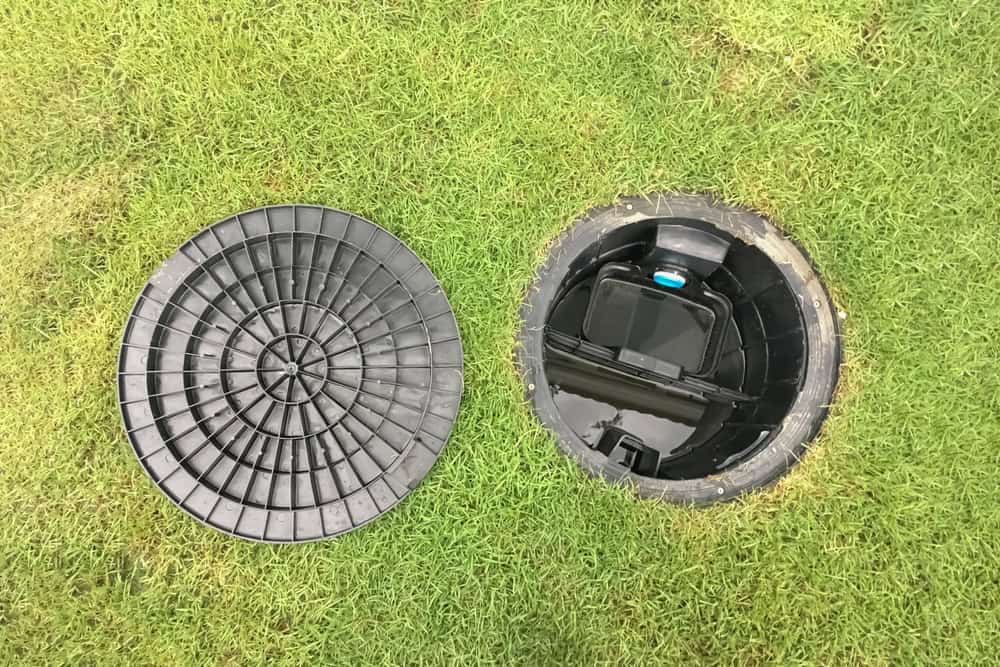
The systems include visible components you’ll need to maintain access to. Covers provide access for service providers and can be landscaped around but must remain fully accessible. Control panels are typically mounted to the side of your dwelling, monitoring operation and alerting you to any issues.
Understanding whether your project triggers I/A OWTS requirements versus conventional septic system standards determines your costs, grant eligibility, and compliance obligations. Working with cesspool service companies experienced in both system types ensures you install what’s actually required.
Making Sense of Suffolk County Cesspool Compliance
Suffolk County’s cesspool regulations changed what’s possible when your system fails or when you choose to upgrade. The 2019 ban on cesspool-to-cesspool replacements closed a loophole that existed since 1973. The 2021 I/A OWTS requirements for new construction pushed nitrogen-reducing technology into the mainstream.
For most homeowners, the path forward is clear. Existing systems can stay if they’re functioning. Replacements must meet minimum standards—septic tank and leaching structure at a minimum, I/A OWTS for new construction and major reconstruction. Grant funding up to $30,000 makes advanced systems affordable for those who qualify.
If you’re facing cesspool questions in Suffolk County, working with local professionals who understand these regulations makes the process manageable. We’ve navigated every regulatory change affecting Long Island wastewater systems, helping homeowners stay compliant without unnecessary expense or confusion.