Summary:
Your cesspool handled winter just fine. Spring came and went without issues. Then summer hits, and suddenly you’re dealing with slow drains, strange odors, or worse—sewage backing up while you’ve got a houseful of guests.
It’s not coincidence. Summer puts more stress on your cesspool than any other season. More people in your home, more showers, pools being filled, sprinklers running daily, and laundry piles that never seem to end. All that extra water has to go somewhere, and your system wasn’t designed for the surge without a little help.
The difference between homeowners who sail through summer and those calling for emergency service at midnight comes down to preparation. Here’s what your Suffolk County cesspool actually needs before peak season arrives.
Why Summer Puts Your Cesspool at Risk
Think about how your household changes between April and August. Kids are home all day instead of at school. You’re hosting weekend barbecues. Relatives visit for a week at a time. Everyone’s showering twice as often because of the heat and pool time.
Your water usage can spike by 30 to 50 percent during summer months. That’s not a small increase. It’s the difference between your cesspool processing waste at a manageable pace and struggling to keep up with the constant influx.
The problem compounds because summer doesn’t just mean more water going in. It affects how well your system processes that water. Long Island’s heat can dry out and compact the soil around your drain field, reducing its ability to absorb wastewater effectively. Meanwhile, the bacteria in your tank that break down solid waste work best at consistent temperatures—and summer’s fluctuations between hot days and cool nights throw that balance off.
How Increased Water Usage Leads to Cesspool Problems
Your cesspool has a specific capacity. When wastewater enters faster than the system can process and drain it, you’re headed for trouble.
Most Suffolk County homes use between 250 to 400 gallons of water daily during normal conditions. Add summer activities, and that number jumps significantly. A single load of laundry uses 25 to 40 gallons. A ten-minute shower consumes 25 gallons. Filling a pool, running sprinklers, and washing cars all add to the total.
Here’s what happens inside your system when water usage spikes. The tank fills faster than usual, giving solids less time to settle properly. The scum layer at the top and sludge layer at the bottom start creeping closer to the outlet pipe. If they get too close, solid waste escapes into your drain field or cesspool walls—exactly what the system is designed to prevent.
Once solids enter your drain field, they clog the soil pores that normally allow liquid to filter through. The soil becomes saturated and stops accepting water. Wastewater backs up into your tank, and eventually into your home through the lowest drains—usually basement floor drains, showers, or toilets.
This process doesn’t happen overnight. It builds gradually over weeks of heavy usage. By the time you notice slow drains or gurgling sounds, your system is already struggling. That’s why preparation before summer arrives matters more than reacting once problems start.
Suffolk County’s sandy soil normally drains well, but it can only handle so much volume. When your cesspool sends excessive liquid into already-saturated ground, you’re asking the soil to do something it physically cannot. The result is standing water in your yard, foul odors, and a system that’s essentially shut down until it gets professional attention.
Common Summer Cesspool Overflow Triggers
Cesspool overflow doesn’t happen randomly. Specific summer activities and patterns create the perfect conditions for system failure.
Houseguests rank at the top of the list. When you go from two people using your system to six or eight for a week, the sudden increase in toilet flushes, showers, and laundry overwhelms a tank that’s already near capacity. Most homeowners don’t think to pump their cesspool before visitors arrive, and by day three or four of having a full house, the system starts showing signs of stress.
Pool maintenance creates another surge. Whether you’re filling a pool for the first time or topping it off throughout summer, that water eventually needs draining or backwashing. If you’re sending pool water or filter backwash into your cesspool system, you’re adding hundreds or thousands of gallons that contain chemicals your tank’s bacteria don’t handle well.
Landscaping and lawn care contribute too. Running sprinklers for hours daily, especially if they’re positioned near your drain field, saturates the soil that’s supposed to be absorbing wastewater from your system. The ground becomes waterlogged from above and below, leaving nowhere for cesspool effluent to go.
Heavy summer storms compound these issues. Long Island can get intense rainfall during summer months. When the ground is already saturated from your cesspool’s normal drainage plus sprinkler use, a few inches of rain in a short period raises the water table dramatically. Your drain field essentially shuts down because the soil can’t accept any more liquid.
The timing of water usage matters as much as the total volume. Doing three loads of laundry back-to-back, then running the dishwasher while everyone showers before dinner, sends a massive surge of water into your system in a short window. Your tank doesn’t have time to process and drain the first wave before the next one arrives. Spreading that same water usage throughout the day gives your system time to recover between uses.
Temperature fluctuations affect bacterial action inside your tank. The beneficial bacteria that break down solid waste thrive at consistent temperatures. Summer heat can actually slow their activity, meaning waste accumulates faster than it decomposes. This accelerates how quickly your tank fills and reduces the time between necessary pump-outs.
Pre-Summer Cesspool Inspection Checklist
The best time to discover your cesspool has problems is before summer starts, not during your Fourth of July party. A thorough inspection in late spring catches issues while they’re still manageable and gives you time to address them before peak usage hits.
Start with the basics. When was your last pump-out? If it’s been more than two years and you know summer brings increased usage to your home, schedule service now. Pumping before the season starts gives your system maximum capacity to handle the surge.
Professional inspection goes beyond just pumping. It includes checking structural integrity, measuring sludge and scum levels, inspecting inlet and outlet pipes, and testing how well your drain field is absorbing water. These elements determine whether your system can handle summer demands or if it’s already operating at the edge of failure.
What Professional Inspectors Look For
A comprehensive cesspool inspection examines every component that affects system performance. Understanding what professionals check helps you recognize why this service matters.
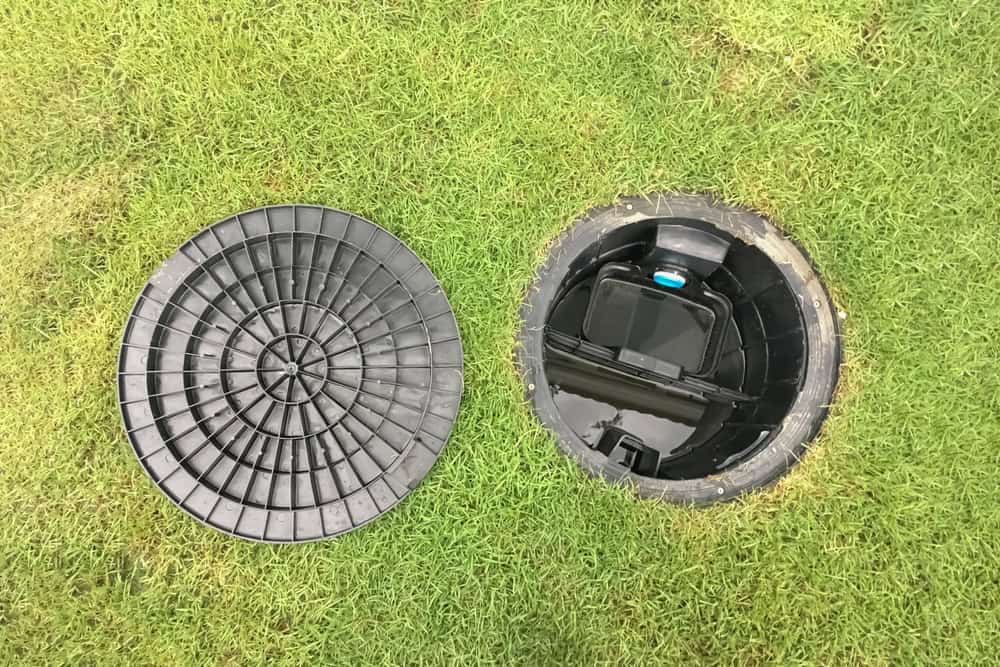
Inspectors start by locating and accessing your cesspool, which can be challenging since many covers sit three feet or more underground. Once exposed, they measure liquid levels to determine if your tank is draining properly. Liquid should sit near the outlet pipe level—significantly higher or lower indicates problems.
Sludge depth measurement comes next. Using a specialized tool, inspectors determine how much solid waste has accumulated at the tank bottom. When sludge reaches about one-third of the tank’s total depth, pumping becomes necessary. Waiting longer risks solids escaping into your drain field.
The scum layer gets similar attention. This floating layer of oils, grease, and lighter materials should stay well below the outlet pipe. If it’s creeping too close, it can flow out with liquid waste and clog your system.
Structural inspection identifies cracks, deterioration, or damage to the cesspool walls and cover. Long Island’s freeze-thaw cycles can crack concrete over time. Small cracks caught early cost hundreds to repair. The same cracks ignored until they cause structural failure can mean complete system replacement at $15,000 to $25,000.
Inlet and outlet pipe examination reveals blockages, root intrusion, or damage that restricts flow. Tree roots seek out the moisture in cesspool systems and can infiltrate through even small cracks or loose joints. Once inside, they create blockages that prevent proper drainage.
Baffle condition matters more than most homeowners realize. These components direct flow and prevent scum from exiting the tank. Damaged or missing baffles allow solid waste to escape, leading to drain field failure. Replacing a baffle costs a few hundred dollars. Replacing a failed drain field costs thousands.
Camera inspection technology takes this process further. A waterproof camera travels through your pipes, providing visual documentation of their condition. You see exactly what’s happening inside your system—roots, cracks, blockages, or deterioration. This eliminates guesswork and lets you make informed decisions about repairs.
The inspection should also evaluate your drain field or leaching area. Inspectors look for soggy spots, unusual odors, or excessively lush grass that indicates wastewater isn’t filtering properly through the soil. These signs suggest your drain field is saturated or failing, which requires immediate attention before summer usage makes it worse.
Timing Your Inspection for Maximum Benefit
When you schedule your pre-summer inspection affects both cost and effectiveness. Late spring offers the sweet spot between winter’s frozen ground and summer’s peak demand.
April through early June gives you ideal conditions. The ground has thawed completely, making access straightforward. The water table has started dropping from spring highs but hasn’t bottomed out yet, giving inspectors an accurate picture of how your system handles varying moisture levels.
This timing also means you’re not competing with every other homeowner for service appointments. Summer brings a rush of emergency calls from systems that failed under peak usage. Fall sees another surge as people prepare for winter. Spring inspection appointments are typically easier to schedule, often with shorter wait times and more flexible scheduling.
If inspection reveals issues, spring timing gives you weeks to address them before summer arrives. You’re not rushing repairs or making emergency decisions. You can get multiple quotes, schedule work during your availability, and ensure repairs are completed properly before you need your system working at full capacity.
The inspection itself takes one to three hours depending on your system’s size and accessibility. Professional services should provide a detailed report documenting current conditions, identifying any concerns, and recommending a maintenance schedule specific to your household’s usage patterns.
Suffolk County regulations increasingly require documentation of cesspool maintenance, especially for property transfers or renovation permits. Regular inspections create the paper trail that proves you’ve maintained your system properly. This documentation protects your property value and can prevent delays if you decide to sell.
For homes that weren’t inspected in spring, early fall offers a second opportunity. September through October provides similar benefits—accessible ground, moderate water tables, and the chance to address issues before winter. The key is avoiding summer itself, when your system is already stressed and emergency repairs cost significantly more than preventive maintenance.
Protecting Your System Through Peak Season
Your cesspool doesn’t have to fail just because summer brings increased demands. The systems that make it through peak season without issues belong to homeowners who prepared in advance and stayed aware of usage patterns.
Start with professional service if you haven’t had your tank pumped in the past two to three years. Schedule inspection to catch developing problems before they escalate. Then manage daily usage by spreading water-intensive activities throughout the day instead of clustering them together.
Watch for early warning signs like slow drains, gurgling sounds, or unusual odors. These signals give you time to address issues before they become emergencies. And remember that Suffolk County’s unique conditions—sandy soil, high water tables, and strict environmental regulations—make proper maintenance even more critical than in other regions.
When you’re ready for reliable service from a team that understands Long Island’s specific challenges, we at Quality Cesspool bring nearly two decades of local expertise to every job. Four generations of family knowledge means we’ve seen every type of system and every seasonal challenge this area presents.