Summary:
How Household Size Determines Septic Tank Pumping Frequency
The number of people using your septic system directly affects how quickly it fills with solid waste. More people means more wastewater flowing into your tank daily, which accelerates sludge accumulation at the bottom and scum buildup at the top.
A couple living alone might comfortably stretch pumping to every four or even five years, assuming normal water usage and a properly sized tank. But add two kids, and suddenly you’re looking at every two to three years instead. Throw in teenagers, and that timeline can shrink to 18-24 months depending on shower habits and laundry frequency.
Here’s why the math matters for Long Island homes specifically. Suffolk County recommends the three-year baseline to prevent solid matter from entering overflow cesspools. That recommendation assumes average usage. But average doesn’t account for your actual daily wastewater volume, which ranges from about 250 to 400 gallons per day for a family of four.
What Happens Inside Your Tank as Sludge Accumulates
Your septic tank operates through a simple but critical process. Wastewater enters and immediately begins separating into three distinct layers. Heavy solids sink to form sludge at the bottom. Lighter materials like grease and oils float to create a scum layer on top. In between sits the clarified liquid effluent that flows out to your drain field.
The problem develops gradually. Anaerobic bacteria living in your tank work constantly to break down organic matter in both the sludge and scum layers, but they can’t eliminate everything. Inorganic materials, bones, unconsumed food particles, and other non-biodegradable items accumulate despite bacterial action. Over time, these layers grow thicker.
As sludge builds up from the bottom and scum accumulates from the top, they squeeze the middle layer where actual treatment happens. This effective volume is where wastewater needs to sit long enough for proper separation. When that space shrinks too much, your system loses its ability to clarify effluent before sending it to your drain field.
The technical threshold matters here. When your combined sludge and scum layers reach about 30% of your tank’s total volume, it’s time to pump. For most tanks, that translates to when the sludge layer hits roughly 12 inches deep. Wait longer and you risk pushing partially treated wastewater into your drain field, where solids can clog the soil and cause expensive damage.
Long Island’s conditions complicate this process. The sandy soils common across Suffolk County mean your drain field depends heavily on proper effluent clarity. Push solids into that sand, and you’re looking at reduced absorption capacity that’s difficult and expensive to restore. The high water table in many areas adds another variable, especially during spring when groundwater levels peak and your system works harder to process the same amount of waste.
Your household’s specific waste stream affects accumulation rates too. Homes with garbage disposals send more food particles into the tank, increasing solid waste faster than households that compost or trash food scraps. Heavy detergent use, frequent laundry loads, and long showers all impact how quickly your tank fills and how hard the bacteria work to keep up with incoming waste.
This is why measuring actual sludge levels matters more than following arbitrary timelines. A professional inspection shows exactly where your tank stands, letting you schedule pumping based on real conditions rather than guessing based on calendar dates that might not match your usage patterns.
Why Water Usage Patterns Change Your Pumping Schedule
The amount of water flowing through your home directly impacts how often your septic tank needs pumping, but not in the way most people think. More water doesn’t just fill the tank faster—it affects how well the system can separate solids from liquids and how quickly sludge accumulates.
Every gallon of water entering your septic tank carries waste with it. A family of four typically uses between 250 and 400 gallons daily, depending on habits and fixtures. That’s roughly 70 gallons per person per day. But here’s where it gets interesting: a single leaky or running toilet can add 200 gallons daily without anyone noticing. That excess water doesn’t just take up space—it reduces retention time.
Retention time is how long wastewater sits in your tank before flowing out to the drain field. Your system needs at least 24 hours, ideally two to three days, for proper separation. When you flood the tank with excessive water, you reduce that settling time. Solids don’t have enough time to sink or float, so they flow out with the effluent. That’s how you end up with drain field problems even if you’re pumping on schedule.
Long Island homes face specific water usage challenges that accelerate this problem. Summer brings pools, frequent guests, and outdoor water use that increases household flow. Spring’s high water table means your drain field is already saturated, making it even more critical that your tank sends out only clarified effluent. Winter holidays often mean extra people staying over, creating usage spikes your system wasn’t designed to handle continuously.
The appliances and fixtures you use matter significantly. Older toilets with 3.5 to 5-gallon reservoirs send substantially more water into your system than newer high-efficiency models using 1.6 gallons or less per flush. Front-loading washing machines use about half the water of top-loaders. These differences compound over time, affecting how quickly your tank approaches capacity.
Garbage disposals deserve special attention. When you grind food waste and send it down the drain, you’re adding organic material that becomes sludge. Unlike wastewater that’s mostly liquid, food particles contribute directly to the solid layers in your tank. Homes with garbage disposals typically need pumping every one to two years, sometimes annually, depending on how heavily they use the disposal.
Your daily habits create patterns that either protect or stress your system. Doing all your laundry in one day might seem efficient, but it overwhelms your septic tank with a massive water surge. Spreading those loads throughout the week gives your system time to process wastewater properly. The same principle applies to dishwashers, showers, and any other high-water-use activities.
For Long Island homeowners, understanding these patterns means you can adjust both your schedule and your habits. If you know you have houseguests coming for two weeks, that’s not the time to discover your tank is near capacity. If your teenagers are taking 20-minute showers daily, your pumping frequency needs to account for that extra water volume. If you’ve installed water-efficient fixtures recently, you might be able to extend your schedule slightly—but only if you’re measuring actual sludge levels, not just guessing based on time elapsed since the last service.
The relationship between water usage and pumping frequency isn’t linear. You can’t simply calculate gallons per day and extrapolate a schedule. Too many variables affect how your specific system processes your specific waste stream. That’s why professional measurement beats calendar-based guessing every time.
Measuring Sludge Levels: The Only Accurate Way to Schedule Pumping
Calendars don’t tell you when your septic tank needs pumping. Sludge depth does. The difference between these approaches can mean thousands of dollars in prevented repairs or emergency costs you didn’t see coming.
We measure sludge using specialized tools that show exactly how much solid waste has accumulated since your last pumping. The most common method uses a device called a sludge judge—a long hollow tube with a check valve that captures a cross-section of your tank’s contents. Insert it through the access port, and you get a visual representation of the scum layer, clear effluent, and sludge layer all at once.
The measurement that matters is the distance between the bottom of your outlet pipe and the top of the sludge layer. When that space shrinks to about 18 inches, you’re approaching the point where solids can escape into your drain field. We recommend pumping before you hit that threshold, typically when sludge reaches 12 inches deep or when combined scum and sludge equal 30% of your tank’s total volume.
What Professional Tank Inspection Reveals About Your System
A proper septic tank inspection does more than just measure sludge depth. It evaluates your entire system’s condition and identifies problems before they become emergencies. Understanding what we look for helps you recognize the value of regular assessment beyond just pumping.
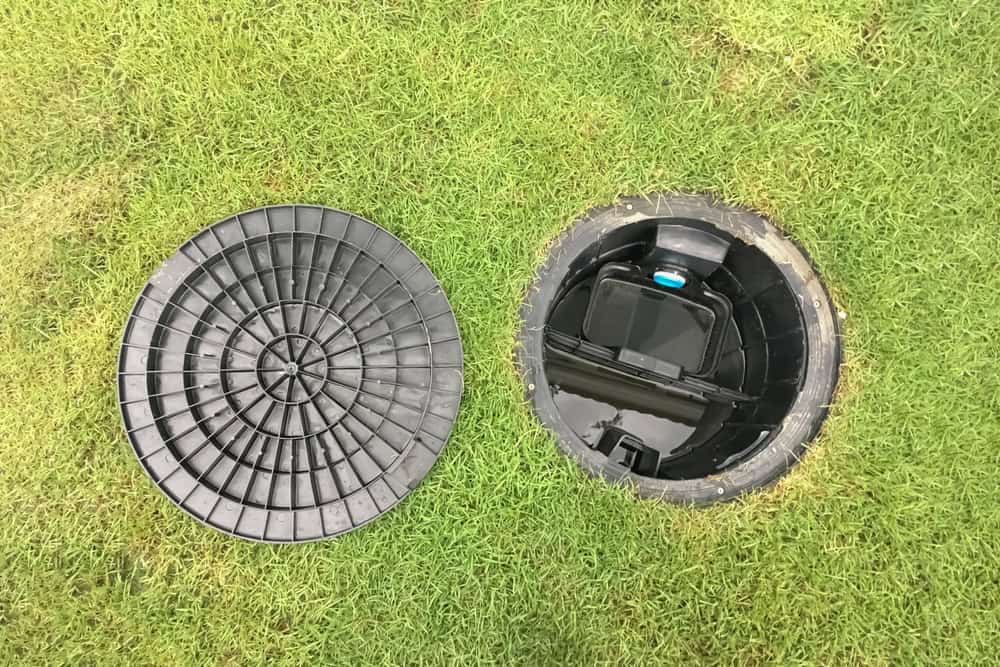
The inspection starts with locating your tank, which isn’t always simple on Long Island properties. Many homes have tanks buried three feet or more below grade, with access ports hidden under landscaping that’s changed since installation. Older properties often lack accurate records showing tank location. We use electronic locators or systematic probing to find tanks without damaging your yard, saving you the cost and hassle of exploratory digging.
Once located and opened, the visual inspection begins. We check the structural integrity of the tank itself, looking for cracks, corrosion, or signs of deterioration that could lead to leaks. Concrete tanks can develop cracks over time, especially in Long Island’s freeze-thaw cycles. Fiberglass and plastic tanks might show warping or damage from soil pressure or root intrusion. These structural issues need addressing before they cause groundwater contamination or system failure.
The inlet and outlet baffles get careful attention during inspection. These critical components direct flow through your tank and prevent scum and sludge from escaping. Damaged or missing baffles mean your tank isn’t functioning properly even if it’s not full. Concrete baffles can deteriorate, while plastic ones might crack or break. Finding baffle damage during routine inspection costs far less than discovering it after solids have clogged your drain field.
Measuring the three layers—scum, effluent, and sludge—provides the data needed for accurate scheduling. The scum layer thickness matters because excessive buildup reduces effective tank volume just like sludge does. The clear effluent zone in the middle should be substantial enough to allow proper settling time. The sludge layer measurement determines immediate pumping needs and helps calculate your household’s specific accumulation rate.
That accumulation rate is valuable information. By comparing sludge depth to time elapsed since the last pumping, we can calculate how quickly your household fills the tank. This data lets you customize your pumping schedule instead of following generic timelines. A family that accumulates sludge quickly might need annual service, while another household with the same size tank but different usage patterns might safely wait three years.
Long Island’s environmental regulations make documentation increasingly important. Suffolk County requires registration of septic system pumping and maintenance. We provide detailed records of tank condition, measurements taken, and work performed. These records prove valuable during property sales, permit applications, or if county inspectors have questions about your system’s maintenance history.
The inspection also reveals issues beyond the tank itself. We check for signs that your drain field might be struggling—like slow drainage, odors, or wet spots in your yard. We can identify whether problems stem from a full tank, damaged baffles, or drain field saturation. This diagnostic capability prevents throwing money at the wrong solution.
For Long Island homeowners, professional inspection offers peace of mind backed by actual data. You’re not guessing whether your system needs attention. You’re not following arbitrary schedules that might not match your usage. You’re making informed decisions based on your tank’s actual condition and your household’s specific waste accumulation patterns.
Signs Your Tank Needs Pumping Sooner Than Scheduled
Your septic system communicates its condition through clear warning signs that appear before complete failure. Recognizing these signals early means you can schedule pumping on your terms rather than dealing with an emergency backup during a holiday dinner or when houseguests are visiting.
Slow drains throughout your home often indicate your septic tank is approaching capacity. If multiple fixtures drain sluggishly—toilets, sinks, showers—the problem likely isn’t a simple clog in one pipe. When your tank fills with sludge and scum, there’s less room for incoming wastewater. That reduced capacity causes drainage to slow as the system struggles to accept more volume. This symptom typically appears gradually, getting worse over weeks or months as sludge continues accumulating.
Foul odors near your septic tank or drain field signal that gases from decomposing waste are escaping where they shouldn’t. A properly functioning system vents these gases through your home’s plumbing vents. When you smell sewage outside near your tank or in your yard where the drain field sits, it means wastewater isn’t being contained and processed correctly. This often happens when a full tank pushes effluent and gases out through any available opening.
Standing water or unusually lush grass over your drain field indicates effluent is surfacing instead of absorbing into the soil. On Long Island, where many properties have sandy soil that typically drains well, seeing persistent wet spots should raise immediate concern. The grass might be greener in that area because it’s receiving constant moisture and nutrients from wastewater that should be filtering through soil layers underground, not pooling on the surface.
Gurgling sounds from your plumbing when you run water or flush toilets suggest air is trapped in your lines because wastewater isn’t flowing freely through your system. This happens when your tank is too full to accept incoming waste efficiently. The gurgling is air being displaced as water tries to force its way through a system that’s reached capacity.
Sewage backup into your home represents system failure that requires immediate attention. If wastewater comes up through drains, toilets, or tubs, your tank is completely full and has nowhere else to send incoming waste. This emergency situation risks property damage and health hazards. It’s also the most expensive problem to address because you’re dealing with cleanup costs on top of the pumping service you should have scheduled earlier.
Long Island’s seasonal patterns can trigger these warning signs even if you’re following a regular pumping schedule. Spring’s high water table puts extra pressure on drain fields, potentially causing symptoms to appear earlier than expected. Summer’s increased water usage from guests, pools, and outdoor activities accelerates tank filling. Winter holidays often mean more people using your system intensively over short periods.
Changes in your household affect timing too. If you’ve recently had a baby, your teenagers started doing their own laundry, or elderly parents moved in, your waste accumulation rate has increased. The pumping schedule that worked for your previous household size no longer matches your current usage. Those warning signs might appear well before your scheduled pumping date because your system is processing more waste than it was designed to handle at that frequency.
Ignoring early warning signs doesn’t save money—it costs more. A scheduled pumping service typically runs $300 to $600 on Long Island. Wait until you have a backup, and you’re looking at emergency service rates that can triple that cost, plus potential cleanup expenses and damage to your drain field that might require repairs costing thousands. The soggy spot you noticed last month becomes a failed drain field requiring replacement that costs $5,000 to $15,000.
The smart approach is treating warning signs as your system telling you it needs attention now, not at the next scheduled date. Your septic tank doesn’t care what the calendar says. It responds to actual usage, actual accumulation, and actual capacity. When it signals it’s struggling, listening prevents the kind of failure that turns a manageable maintenance task into a financial emergency.
Creating a Septic Pumping Schedule That Matches Your Household
The three-year pumping schedule works for some Long Island homes, but treating it as universal advice ignores how household size, water usage, and actual sludge accumulation determine when your specific system needs service. Understanding these factors lets you create a schedule that protects your investment without wasting money on premature pumping.
Start with professional measurement rather than calendar dates. Knowing your current sludge levels and calculating your household’s accumulation rate gives you data to work with instead of generic recommendations. That baseline measurement shows whether your family fills the tank faster or slower than average, which determines your actual pumping frequency.
The cost difference between preventive maintenance and emergency repairs makes this approach financially sensible. Regular pumping based on actual need costs a few hundred dollars and prevents the thousands you’d spend replacing a failed drain field or dealing with sewage backup in your home. For Long Island homeowners, protecting your system also means protecting groundwater quality and staying compliant with Suffolk County’s environmental regulations.
If you’re seeing warning signs or it’s been more than three years since your last pumping, now is the time to schedule an inspection. We’ve served Long Island for nearly two decades, measuring sludge levels and creating customized maintenance schedules that match how your household actually uses your system.