Summary:
Finding reliable home improvement contractors in Suffolk County shouldn’t feel like rolling the dice. You need professionals who understand Long Island’s sandy soil, know the latest county regulations, and won’t disappear after cashing your check. The challenge isn’t just finding someone with a truck and tools—it’s finding contractors who’ve earned their stripes in this specific market, who carry proper licensing, and who treat your property like it’s their own. Let’s walk through what actually matters when you’re evaluating contractors near you.
What Makes Suffolk County Home Improvement Different
Suffolk County isn’t like other markets. The environmental conditions here create challenges that contractors from other regions simply don’t encounter. Your home likely sits on sandy soil with a high water table, and about 70% of properties in the county rely on private cesspool or septic systems rather than municipal sewers.
These factors affect everything from foundation work to wastewater management. A contractor who doesn’t understand how Long Island’s sole-source aquifer works, or why nitrogen pollution matters, isn’t equipped to advise you properly. The regulations have tightened significantly in recent years—cesspool installations have been banned since 2019, and new construction requires nitrogen-reducing systems.
When you’re evaluating home improvement contractors, their local knowledge isn’t just a nice bonus. It’s essential. Contractors who’ve worked in Suffolk County for years know which permits you’ll need, how to navigate the Department of Health Services requirements, and how to handle the unique soil conditions that affect everything from drainage to structural work.
Licensed Contractors: What Suffolk County Requires
Suffolk County doesn’t mess around when it comes to contractor licensing. If someone’s performing home improvement work valued at $200 or more, they need a home improvement contractor license issued by the Department of Consumer Affairs. That license requires passing an exam, providing proof of insurance, and demonstrating financial responsibility.
The exam isn’t a formality. It covers building codes, safety regulations, insurance requirements, and the legal obligations contractors face. More than 17,000 sellers hold licenses through the Department of Consumer Affairs, with over half of those specifically for home improvement work. That number tells you two things: the market is competitive, and the county takes licensing seriously.
Here’s what many homeowners don’t realize: some municipalities within Suffolk County require additional licensing beyond the county-level permit. Towns like Southampton, for example, have their own contractor registration requirements. A contractor licensed in Suffolk County can work anywhere in the county—unless the local municipality has its own rules. Ask any contractor you’re considering whether they hold the specific permits required for work in your town.
Licensed contractors must carry public liability and property damage insurance, plus workers’ compensation coverage. These aren’t suggestions. They’re legal requirements that protect you if something goes wrong. When a contractor shows up at your door offering a “great deal” but can’t produce current insurance certificates, you’re looking at potential liability that could cost you far more than you’d save.
The licensing requirement exists for good reason. It weeds out fly-by-night operators who lack the knowledge, insurance, or commitment to do the job properly. When you hire licensed contractors, you’re working with professionals who’ve demonstrated baseline competency and who have something to lose if they cut corners or disappear mid-project.
Verify licensing before you sign anything. The Suffolk County Department of Consumer Affairs maintains a searchable database of licensed contractors. It takes five minutes to check, and it could save you from a nightmare scenario where you’re left with incomplete work and no recourse. Don’t skip this step just because someone seems nice or offers the lowest bid.
Why Local Expertise Matters More Than You Think
You might think a contractor is a contractor—someone who knows how to swing a hammer and read blueprints. But Suffolk County’s environmental conditions and regulatory landscape create complications that out-of-area contractors simply aren’t prepared to handle.
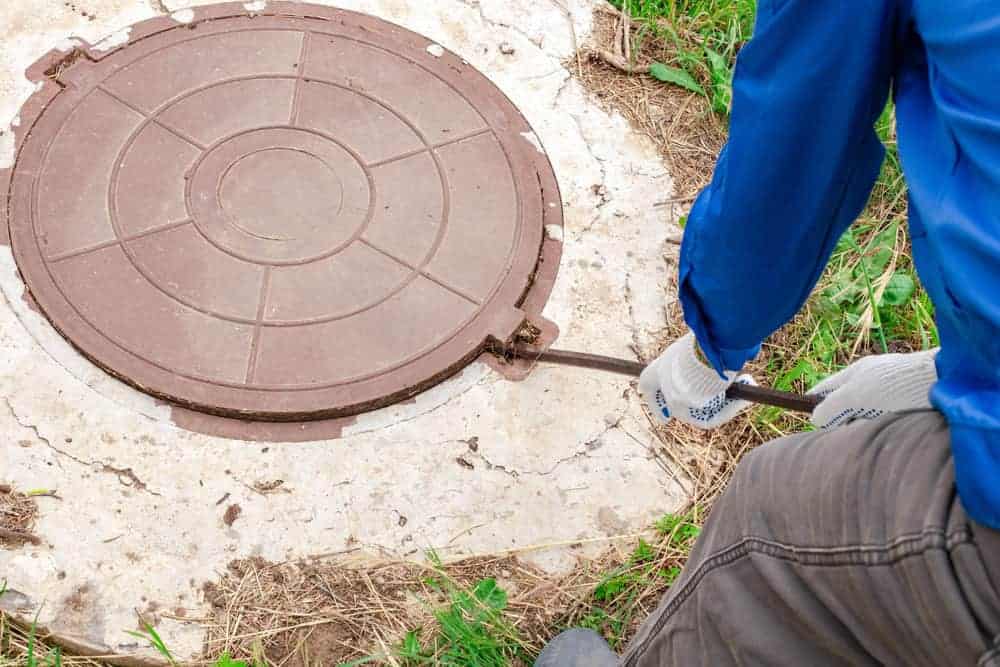
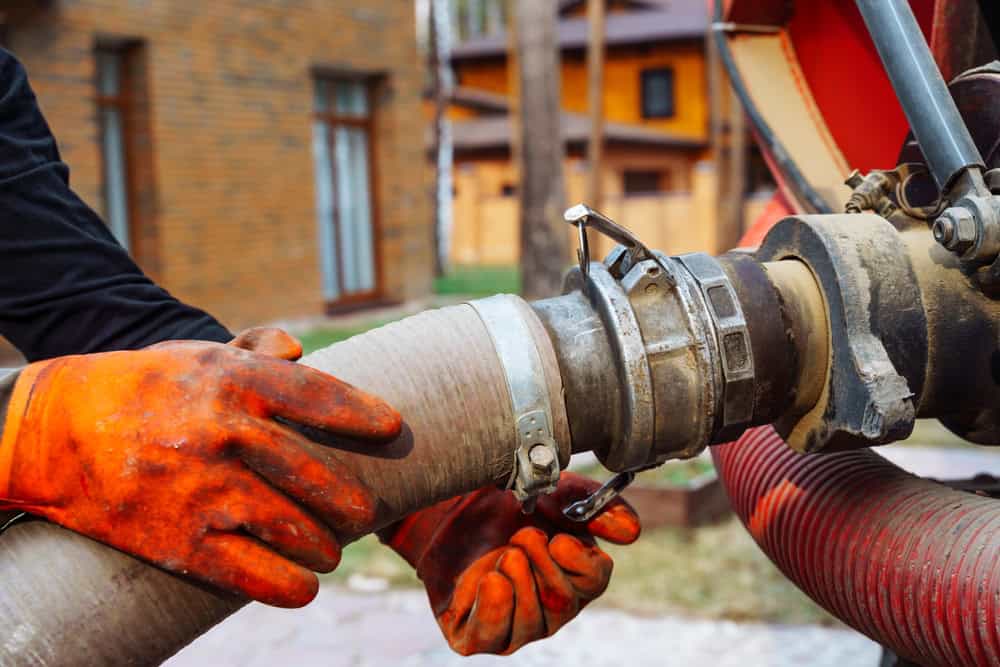
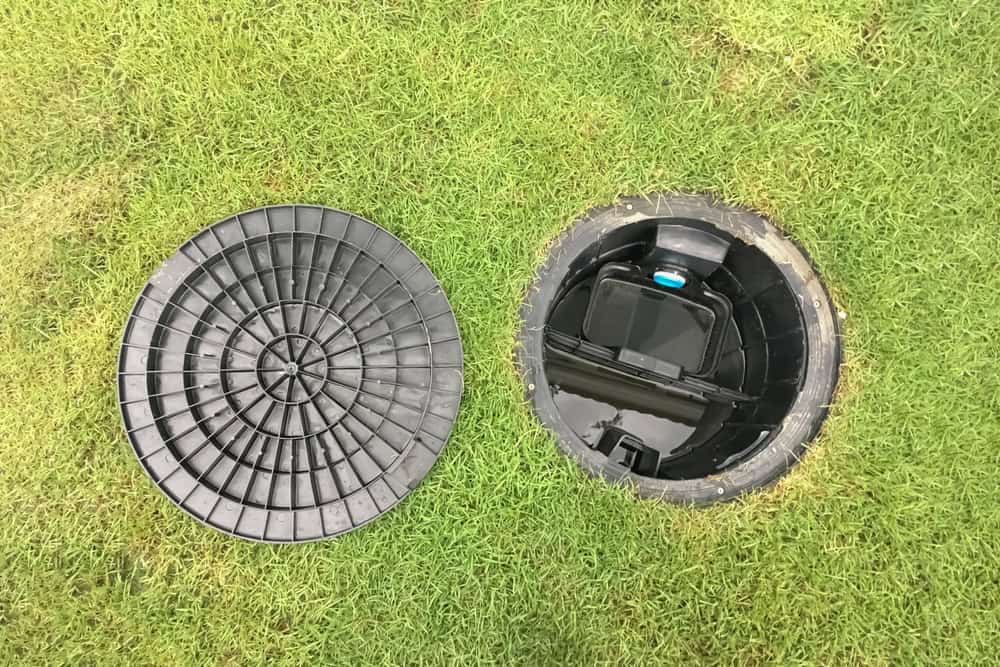
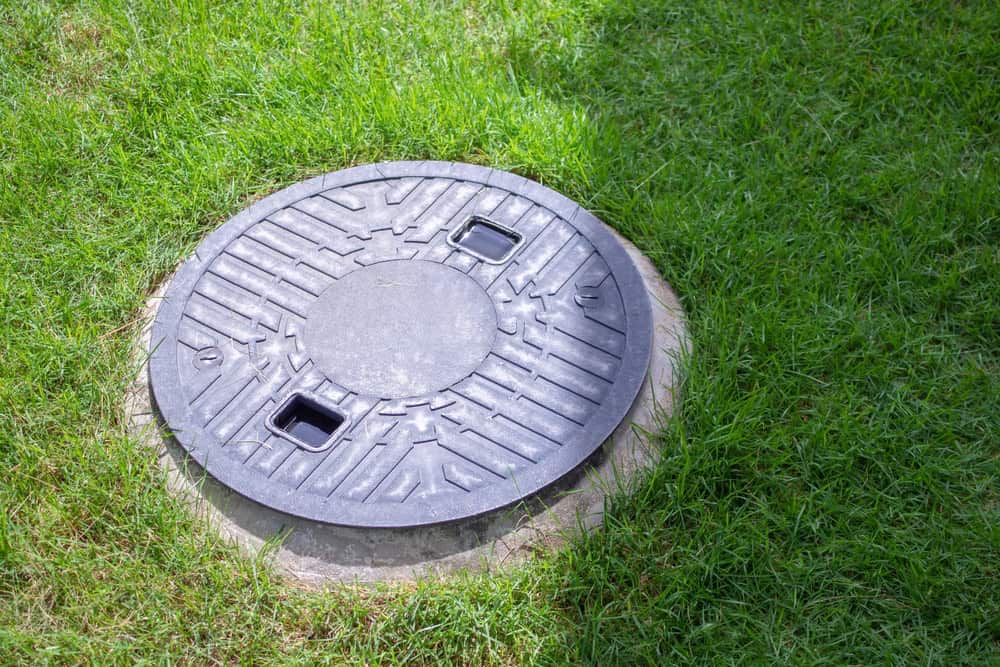
Take cesspool and septic systems. About 360,000 homes in Suffolk County rely on these systems, and the regulations governing them have changed dramatically. Since July 2019, you can’t replace an old cesspool with another cesspool—new installations must meet modern septic tank standards. Since July 2021, new construction and major reconstruction projects require I/A OWTS systems that reduce nitrogen by up to 70%.
A contractor who doesn’t understand these requirements can’t guide you properly. They might propose solutions that won’t pass inspection, or miss opportunities to take advantage of the Septic Improvement Program grants that can offset up to $11,000 of upgrade costs. Local contractors who’ve been working in Suffolk County for years know these programs inside and out. They know which systems qualify, how to navigate the application process, and how to coordinate with the Department of Health Services.
The soil conditions here create another layer of complexity. Suffolk County’s sandy soil allows for good drainage under normal conditions, but it also means systems can fail rapidly when problems develop. Unlike clay-heavy soils that might give you warning signs over months, sandy soil can go from “seems fine” to “complete failure” in weeks. Contractors with Long Island experience understand how to work with these conditions rather than against them.
Proximity to water bodies and environmentally sensitive areas adds yet another consideration. Properties near bays, harbors, or designated priority areas face stricter requirements. The county gives preferential consideration to system upgrades in these zones because of their environmental impact. A contractor who’s worked extensively in Suffolk County knows which properties fall into these categories and how to handle the additional scrutiny.
Family-owned businesses that have operated locally for decades bring institutional knowledge that newer companies simply can’t match. They’ve seen how regulations have evolved, they’ve worked through multiple economic cycles, and they’ve built relationships with local suppliers and inspectors. That history matters when problems arise or when you need guidance on the best approach for your specific property.
When you’re comparing contractors near you, ask how long they’ve been working specifically in Suffolk County. Ask about their familiarity with local regulations, their relationships with the Department of Health Services, and their experience with the types of systems common in your area. The answers will tell you whether you’re dealing with true local experts or out-of-area contractors hoping to cash in on Long Island’s robust home improvement market.
Contractors Near Me: How to Evaluate Your Options
When you search for “contractors near me,” you’re not just looking for geographic proximity. You’re looking for professionals who understand your neighborhood, who’ve worked on homes similar to yours, and who can respond quickly when issues arise.
Start with licensing verification. We covered why licensing matters, but it bears repeating: never hire an unlicensed contractor for work valued over $200. The Suffolk County Department of Consumer Affairs makes verification easy. Use their online database to confirm that any contractor you’re considering holds a current, valid license.
Check their insurance status independently. Don’t just accept a contractor’s word that they’re insured. Ask for certificates of insurance directly from their insurance carrier, and verify that the coverage is current and adequate. You want to see both general liability coverage and workers’ compensation. If someone gets hurt on your property and the contractor doesn’t carry workers’ comp, you could be liable.
Red Flags to Watch For When Hiring Contractors
Some warning signs should send you running in the opposite direction. A contractor who demands large upfront payments before starting work is a major red flag. Legitimate contractors typically work on a payment schedule tied to project milestones—you pay as work is completed and verified, not before they’ve lifted a single tool.
Contractors who can’t or won’t provide references from recent Suffolk County projects should raise immediate concerns. Any established contractor should have a portfolio of completed work and satisfied customers willing to vouch for them. If they claim all their previous clients want privacy or they’re “too busy” to compile references, that’s a problem.
Pressure tactics are another warning sign. Contractors who push you to sign immediately, who claim their “special price” is only available today, or who discourage you from getting multiple bids aren’t operating in your best interest. Reputable contractors understand that homeowners need time to evaluate options and make informed decisions.
Vague or incomplete estimates suggest either incompetence or intentional deception. A professional estimate should break down labor, materials, timeline, and payment schedule in detail. If a contractor hands you a number scribbled on a napkin with no explanation of what’s included, you’re setting yourself up for disputes and surprise charges later.
Watch for contractors who don’t ask questions about your property, your goals, or your concerns. Good contractors want to understand your situation thoroughly before proposing solutions. They’ll ask about your timeline, your budget, any previous issues you’ve experienced, and what you’re hoping to achieve. A contractor who launches into a sales pitch without gathering information isn’t focused on solving your problems—they’re focused on closing a sale.
Be cautious of contractors who claim they can skip permits or inspections to save you money. Permitted work isn’t optional in Suffolk County. It exists to ensure safety and code compliance. A contractor who suggests cutting corners on permits is telling you they’re willing to cut corners elsewhere too. When unpermitted work is discovered—and it usually is, eventually—you’re the one who faces fines and the cost of bringing everything up to code.
What to Ask Before You Hire Home Improvement Contractors
The questions you ask before hiring can save you from expensive mistakes. Start with the basics: How long have you been working in Suffolk County specifically? What’s your Suffolk County home improvement contractor license number? Can you provide proof of current insurance? These aren’t intrusive questions—they’re standard due diligence that any legitimate contractor expects.
Ask about their experience with projects similar to yours. If you need cesspool work, ask how many systems they service annually in Suffolk County. If you’re planning a renovation, ask about their familiarity with local building codes and the permitting process in your specific town. Generic answers like “we do all kinds of work” are less reassuring than specific examples of relevant experience.
Request a detailed written estimate that breaks down every aspect of the project. The estimate should specify materials by brand and grade, include labor costs, outline the timeline, and explain the payment schedule. It should also address who’s responsible for permits, inspections, and cleanup. Vague estimates lead to disputes. Detailed estimates protect both parties.
Ask how they handle unexpected issues. Every project encounters surprises—hidden damage, supply delays, weather problems. A contractor’s answer to this question reveals their professionalism and problem-solving approach. Do they have a process for communicating changes? How do they handle cost overruns? Will they proceed with additional work without your approval?
Find out who will actually be doing the work. Some contractors subcontract everything, which isn’t necessarily bad, but you should know who’s going to be on your property and whether they’re employees or independent subs. Ask about the crew’s experience and whether the same team will be there throughout the project or if you’ll see different people each day.
Inquire about their warranty or guarantee. What happens if something goes wrong after they’ve finished and collected payment? Reputable contractors stand behind their work with written warranties that specify what’s covered and for how long. If a contractor balks at providing a warranty, that tells you they’re not confident in their work’s quality.
Ask for a realistic timeline and what factors might cause delays. Contractors who promise impossibly fast completion are either inexperienced or dishonest. Professional contractors provide realistic schedules that account for permit processing, material delivery, weather, and inspection requirements. They’ll also explain what could cause delays and how they’d handle those situations.
Finally, ask how they prefer to communicate and how often you’ll receive updates. Some contractors are great at the work but terrible at communication, leaving homeowners anxious and uninformed. Establish expectations upfront about how you’ll stay in the loop—daily texts, weekly calls, an online portal, whatever works for both parties. Clear communication prevents misunderstandings and builds trust throughout the project.
Finding the Right Home Improvement Contractors for Your Suffolk County Property
Choosing home improvement contractors in Suffolk County comes down to verification, local expertise, and clear communication. Verify licensing and insurance before you even consider an estimate. Look for contractors with deep Suffolk County experience who understand the regulatory environment, the environmental challenges, and the specific systems common in Long Island homes.
Don’t let pressure tactics or lowball bids cloud your judgment. The cheapest option usually costs more in the long run through incomplete work, code violations, or outright abandonment. Focus on value: contractors who communicate clearly, provide detailed estimates, carry proper insurance, and have verifiable track records of satisfied customers in your area.
Whether you need routine maintenance, emergency services, or major renovations, the right contractor makes all the difference. Take the time to ask the right questions, check references, and verify credentials. Your home is likely your largest investment. Protect it by working with licensed professionals who’ve earned their reputation through years of quality work in Suffolk County. When you need experienced contractors who understand both cesspool systems and Long Island’s unique challenges, we bring four generations of local expertise and almost two decades of reliable service to every project.