Summary:
Understanding Long Island's Ground: How Soil Composition Shapes Your Septic System
The ground beneath your Long Island home plays a pivotal role in your septic system’s design and long-term performance. A mismatch between your septic system and soil type can lead to premature system failure, translating into repairs that could cost thousands. Proper soil assessment is not just a preliminary step; it’s a cornerstone of a lasting solution. Long Island’s geology presents a spectrum of soil types. You might have sandy soils, prevalent in areas like the outwash plains of the South Shore. These soils offer the benefit of rapid percolation, meaning wastewater can drain quickly. However, this rapid movement can be a double-edged sword, potentially allowing effluent to reach groundwater before it’s fully treated if the system isn’t designed with this in mind. Such conditions may require a specific leach field design, possibly utilizing finer aggregate materials or ensuring a greater vertical separation distance to groundwater. In contrast, some North Shore areas feature more clayey soils. Clay retains water, which significantly slows down drainage. While this can mean better filtration of effluent, it also poses a risk of waterlogging around your leach field, potentially causing system backups into your home or ponding in your yard. Systems in clay-rich areas often need larger drain fields or alternative solutions like aerobic treatment units (ATUs), which process wastewater to a higher standard before it’s dispersed. Comprehensive soil testing, including percolation tests—where water absorption rates are measured in test holes—and soil borings, helps determine the most suitable system. This crucial information directly impacts your septic maintenance schedule, as denser soils might necessitate more frequent septic tank cleaning to prevent solids from overwhelming a less permeable leach field. A septic system correctly matched to your soil can provide reliable service for 25 to 30 years, a significant lifespan compared to the 10 to 15 years you might get from a poorly suited one, ultimately saving you from considerable replacement expenses.
Your Property's Blueprint: Layout and Its Septic Implications
Beyond the soil, the physical layout of your Long Island property significantly influences how your septic system must be designed and installed. Overlooking these details can lead to system malfunctions, environmental contamination, or violations of local health codes, creating significant problems down the line. The available space is a primary consideration. If your lot is small, as many are in denser Long Island communities, a conventional septic system with large gravel trenches might not be feasible. In these situations, compact system designs become essential. Options include chamber systems, which use interconnected, hollow structures to create an underground void for effluent dispersal, requiring less square footage than traditional gravel beds. Advanced ATUs can also be beneficial as they treat effluent to a higher degree, often allowing for smaller dispersal fields. The slope of your land presents another set of variables. While gravity-fed systems are ideal due to their simplicity and lower septic maintenance needs, steeply sloped properties may require terraced leach fields or even pump systems to move effluent from the septic tank to a higher-elevation dispersal area. These pumped systems utilize durable components like effluent pumps specifically designed for wastewater, and all piping, such as Schedule 40 PVC, must be installed correctly to manage the pressure and prevent leaks. Furthermore, the proximity of your septic system to wells, streams, ponds, or marine waters like the Great South Bay or Long Island Sound is strictly regulated. Setback distances, often 100 feet from wells and 50-100 feet from surface waters (check Suffolk or Nassau County codes for specifics), are mandated to prevent contamination of these valuable water resources. Failing to adhere can result in fines and costly system relocation.
The Direct Link: Soil and Layout's Effect on Septic System Performance
Beyond the soil, the physical layout of your Long Island property significantly influences how your septic system must be designed and installed. Overlooking these details can lead to system malfunctions, environmental contamination, or violations of local health codes, creating significant problems down the line. The available space is a primary consideration. If your lot is small, as many are in denser Long Island communities, a conventional septic system with large gravel trenches might not be feasible. In these situations, compact system designs become essential. Options include chamber systems, which use interconnected, hollow structures to create an underground void for effluent dispersal, requiring less square footage than traditional gravel beds. Advanced ATUs can also be beneficial as they treat effluent to a higher degree, often allowing for smaller dispersal fields. The slope of your land presents another set of variables. While gravity-fed systems are ideal due to their simplicity and lower septic maintenance needs, steeply sloped properties may require terraced leach fields or even pump systems to move effluent from the septic tank to a higher-elevation dispersal area. These pumped systems utilize durable components like effluent pumps specifically designed for wastewater, and all piping, such as Schedule 40 PVC, must be installed correctly to manage the pressure and prevent leaks. Furthermore, the proximity of your septic system to wells, streams, ponds, or marine waters like the Great South Bay or Long Island Sound is strictly regulated. Setback distances, often 100 feet from wells and 50-100 feet from surface waters (check Suffolk or Nassau County codes for specifics), are mandated to prevent contamination of these valuable water resources. Failing to adhere can result in fines and costly system relocation.
Navigating Septic Systems in Long Island's Distinct Environment
Long Island’s unique geography and development patterns present particular considerations for your septic system. Proximity to the coast, prevalent across both North and South Shores, often means dealing with high water tables. A high water table reduces the amount of unsaturated soil beneath the leach field, which is essential for proper effluent treatment. This scenario might necessitate the construction of a mounded septic system, an engineered drain field built above the natural ground level using specific types of sand fill (often meeting ASTM C33 specifications for sand quality), or the installation of advanced treatment units designed to function effectively with less separation from groundwater. Protecting sensitive ecosystems like the Peconic Estuary also drives stringent local regulations. Suffolk County, for instance, has initiatives like “Reclaim Our Water,” which mandates the use of Innovative/Alternative Onsite Wastewater Treatment Systems (I/A OWTS) in many areas, especially those near water bodies. These systems are specifically designed to reduce nitrogen levels in treated effluent, a common concern for Long Island’s water quality. An I/A OWTS might use aerobic treatment processes, similar to small-scale wastewater treatment plants, or incorporate special nitrogen-reducing media layers, such as sand and woodchip combinations, within the dispersal area. Densely populated areas common in Nassau and western Suffolk counties mean smaller lot sizes, making compact and highly efficient system designs even more critical. You can rely on a knowledgeable cesspool service provider to navigate these complexities, ensuring your system, whether it requires new installation or significant cesspool repair, meets all local health and environmental codes, using materials and techniques suited for Long Island.
Making the Right Choice: Selecting Your Septic System Services
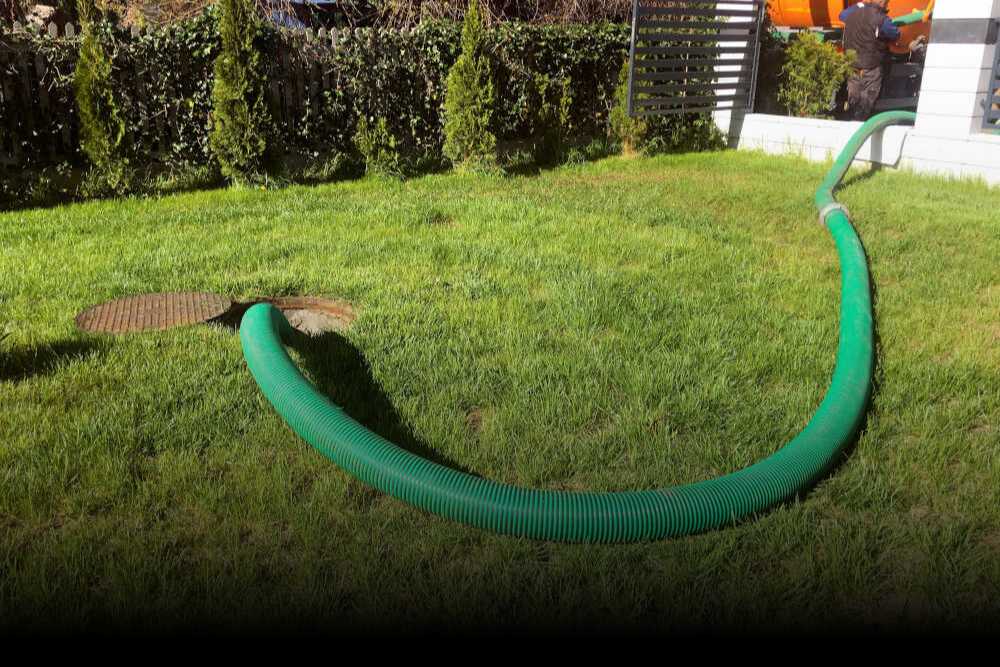
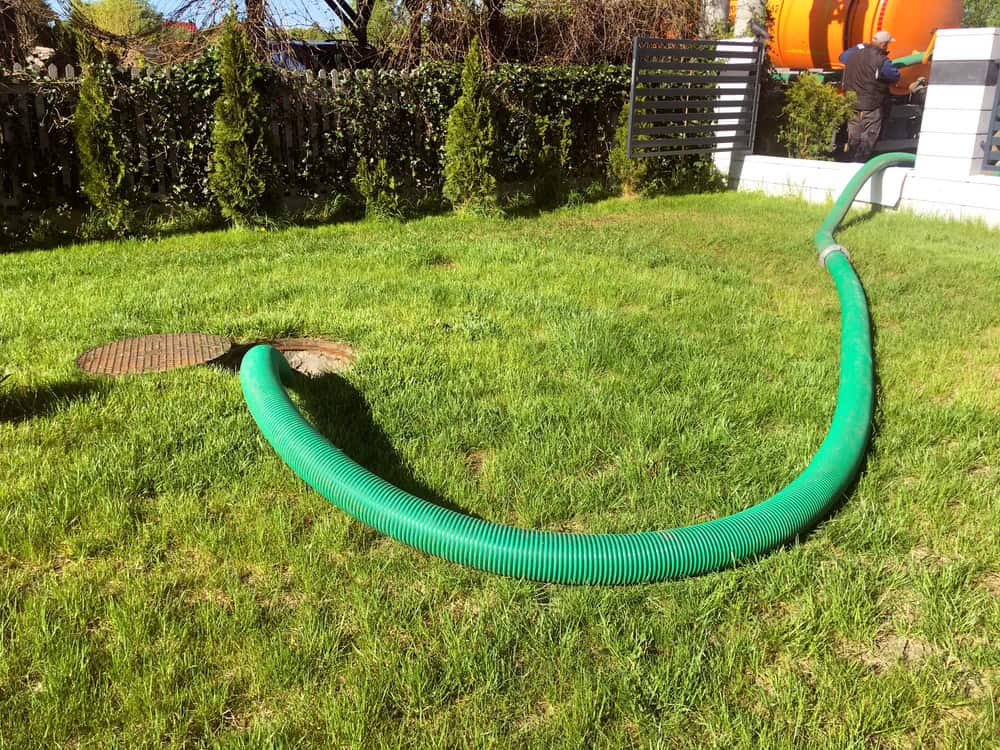
Selecting the correct septic services and a provider familiar with Long Island’s specific conditions is paramount to your system’s health. Choosing an inexperienced company or the wrong service can unfortunately worsen existing problems or lead to unnecessary expenses. A core service is septic tank pumping. This involves the removal of accumulated solids—sludge from the bottom and scum from the top—from your septic tank using a specialized vacuum truck. This should typically occur every 3 to 5 years for most homes, though it can vary based on tank size, household size, and water usage. Skipping this can allow solids to flow into your leach field, causing clogs that can lead to failure, a repair that might range from $3,000 to over $10,000. When septic repair is needed, it can involve various tasks. Simpler jobs might include fixing a broken distribution box or replacing a cracked PVC pipe leading to or within the leach field. More complex septic repair could entail leach field rejuvenation techniques, such as the Terralift procedure which fractures compacted soil to improve drainage, or repairs to the septic tank itself, like patching cracks in concrete tanks or replacing damaged inlet/outlet baffles. For properties with older systems, cesspool maintenance is key. This often includes more frequent pumping than septic tanks, and sometimes aeration or the careful application of bacterial additives designed to help break down solids. Harsh chemical additives should be avoided as they can disrupt the natural processes or even damage system components. The need for cesspool repair often becomes evident through signs like ground settling above the cesspool, persistent wet or lush green spots in that area of the yard, or chronically slow drains throughout the house.
Proactive Care: Strategies for Long-Term Septic Health
Consistent, proactive care is the most effective way to extend the life of your Long Island septic system and avoid the distress and expense of premature failures. A failed leach field, for example, is a significant undertaking, with replacement costs potentially ranging from $5,000 to $15,000 or more. A cornerstone of this proactive approach is regular septic maintenance. This encompasses more than just pumping; it includes periodic inspections as part of your septic service. During an inspection, a technician will check the integrity of your tank’s baffles (which prevent scum and solids from exiting the tank), look for any signs of leaks or structural damage to the tank, and measure the scum and sludge layers to determine if septic tank cleaning is due. Water conservation within your household plays a surprisingly large role. Every gallon of water you avoid sending down the drain is a gallon your septic system doesn’t have to process. Repairing leaky faucets and toilets promptly and installing water-efficient fixtures can reduce the load on your system, potentially extending the interval between necessary septic tank pumping by 6 to 12 months. Equally important is what you introduce into your system. Avoid flushing anything other than human waste and septic-safe toilet paper. Items like paper towels, feminine hygiene products, dental floss, and coffee grounds do not break down easily and can cause clogs. Fats, oils, and grease solidify in pipes and the tank, leading to blockages. Harsh chemical drain cleaners, paints, and solvents can kill the beneficial bacteria crucial for breaking down waste in your septic tank. Finally, protect your leach field area. Never drive or park vehicles over it, as this compacts the soil and can damage pipes. Avoid planting trees with aggressive root systems nearby, as roots can infiltrate and clog leach lines.
Your Path to an Efficient Septic System in Long Island
The specific soil type and unique layout of your Long Island property are not just details but determining factors in your septic system’s long-term efficiency and reliability. By proactively understanding these elements and making informed choices regarding system design, installation, and ongoing care, you can prevent many common septic headaches and safeguard your investment. Services like regular septic tank cleaning, prompt attention to any signs indicating a need for septic repair, and proper cesspool service for older systems are all part of this responsible stewardship. For expert guidance and services meticulously adjusted to your property’s distinct Long Island conditions, from the initial soil analysis and system design through to consistent septic maintenance and necessary cesspool pumping, please contact Quality Cesspool. Our team is prepared to support you with all your septic system requirements.