Summary:
You’ve got an old septic system that needs to go. Maybe you’re connecting to municipal sewer, replacing a failing tank, or dealing with Suffolk County’s regulations requiring upgrades. Whatever the reason, you’re staring at estimates that range from reasonable to eye-watering, and you’re wondering what you’ll actually pay and why the numbers vary so much.
The answer isn’t simple because removal rarely happens in isolation. Your final cost depends on your tank size, what’s happening with the property afterward, how accessible everything is, and whether you’re just removing or also replacing. This guide walks you through the real numbers Suffolk County homeowners face, the factors that drive your specific price, and what the removal process actually involves so you can plan accordingly.
Average Cost of Septic System Installation and Removal
Let’s start with the baseline. Septic system removal in Suffolk County typically runs between $3,000 and $10,000, with most homeowners landing around $5,500. That’s just for removal—pulling out or decommissioning the old tank and properly disposing of what’s inside.
If you’re also installing a new system, that’s a separate conversation. A complete septic system replacement in Suffolk County ranges from $20,000 to $40,000 depending on the type of system required. Conventional systems stay on the lower end. Nitrogen-reducing I/A OWTS systems, which Suffolk County now requires for most new installations, typically cost $15,000 to $25,000 before any grant assistance.
The reason for the wide range comes down to what your property needs and what regulations require. Your soil conditions, water table, lot size, and the number of bedrooms in your home all factor into sizing and system type. Suffolk County’s 2021 mandate requiring nitrogen-reducing technology for new installations and major replacements adds complexity and cost, but also opens the door to substantial grant funding that can cover most of your expense.
Cost of Installing New Septic System
When you’re installing a completely new system in Suffolk County, you’re looking at several cost layers beyond just the tank itself. The tank is actually one of the smaller expenses. A standard 1,000-gallon concrete tank costs $3,000 to $5,000. Plastic and fiberglass options run $500 to $2,500 for the tank alone, though installation labor varies by material.
The bigger expenses come from everything else. Excavation typically adds $1,500 to $6,000 depending on your soil conditions and how much digging is required. Rocky terrain or high water tables push costs higher because they require specialized equipment and more labor hours. Permit fees in Suffolk County range from $200 to $2,000, and you’ll need soil and percolation testing before installation, which costs $700 to $2,000.
Then there’s the drainfield. A conventional gravity drainfield might add $5,000 to $12,000. If your property requires a mound system because of poor soil drainage or a high water table, that jumps to $20,000 to $30,000. Nitrogen-reducing systems, which Suffolk County now mandates for most installations, add advanced treatment components that increase the base cost but qualify you for grant programs.
Labor makes up 50% to 70% of your total project cost. You’re paying for licensed professionals with specialized equipment—backhoes, excavators, vacuum trucks—plus the expertise to navigate Suffolk County Department of Health Services requirements. The inspection process alone involves multiple stages: pre-installation soil testing, mid-construction checks, and final approval before you can use the system.
What catches homeowners off guard are the related costs. If you need to relocate a well, that’s additional expense. Engineering design fees for complex sites can add thousands. Landscaping restoration after excavation isn’t typically included in septic quotes. And if your property has challenging access—narrow driveways, limited equipment clearance, or systems far from the road—expect labor costs to climb because everything takes longer.
The good news is Suffolk County offers substantial grant assistance. The Septic Improvement Program provides a $10,000 base grant, with potential for an additional $10,000 if you install a pressurized shallow drain field system or qualify based on income. Combined state and county programs can reach $30,000, which often covers the majority of an advanced system installation. These aren’t loans—they’re grants you don’t repay, designed specifically to encourage upgrades that protect Long Island’s groundwater.
Average Cost of Septic System Replacement
Replacement is different from new installation because you’re dealing with an existing system that needs to come out first. That adds a removal component to your total cost. The old tank must be pumped out, which runs $200 to $400. Then it either gets pulled out completely or decommissioned in place, adding $3,000 to $10,000 to your project before the new system goes in.
Tank-only replacement, where your drainfield is still functioning properly, costs significantly less than a complete system overhaul. If you’re just swapping out a failed tank and leaving the drainfield alone, you’re looking at $3,000 to $7,000 total instead of $10,000 to $25,000 for a full system. That’s why it’s worth having a licensed inspector evaluate your drainfield condition before assuming you need everything replaced.
Most Suffolk County replacement projects now involve upgrading to nitrogen-reducing I/A OWTS systems because of the county’s 2021 requirements. When you’re replacing an existing system—not just maintaining it—you must meet current standards, which means advanced treatment technology. That pushes replacement costs toward the $15,000 to $25,000 range before grant assistance.
The timing of replacement matters financially. If your system fails completely and you need immediate service, you’re paying out of pocket first and potentially seeking grant reimbursement later. Grant programs are designed for planned upgrades, not crisis response. That’s one reason proactive replacement, before complete failure, often costs less overall. You have time to apply for grants, compare multiple contractor bids, and schedule work during optimal seasons when labor costs are lower.
Material choice affects replacement costs more than most homeowners realize. Concrete tanks cost $700 to $2,000 for the tank itself and last 40+ years, but they require heavy equipment and specialized crews for installation. Plastic tanks cost $500 to $2,000 and are lighter to install, but they’re easier to damage during installation and may not last as long in certain soil conditions. Fiberglass tanks fall somewhere in between on both cost and durability.
Your property’s history also impacts replacement costs. If the original system was installed without proper permits or doesn’t match county records, you may need additional documentation and inspections. If your home has been expanded since the original installation—extra bedrooms added, for example—your replacement system needs to be sized for current usage, not the original design. That means a larger tank and potentially a larger drainfield, both of which increase costs.
Suffolk County’s funding availability changes based on state and county budget allocations. Nassau County currently has funding for 403 grants as of 2024, but when that money runs out, you’re waiting for the next budget cycle. It’s first-come, first-served, which means homeowners who plan ahead and apply early have better access to funding than those who wait until failure forces action.
Cost to Replace Septic Tank and Drainfield
When both your tank and drainfield need replacement, you’re looking at the higher end of the cost spectrum. A complete tank and drainfield replacement in Suffolk County typically runs $10,000 to $25,000 for conventional systems, or $15,000 to $40,000 if you’re installing nitrogen-reducing technology.
The drainfield is often the most expensive component. It’s not just pipes in the ground—it’s an engineered soil absorption system sized to your home’s wastewater output and your property’s soil characteristics. Conventional gravity drainfields cost $5,000 to $12,000. Alternative systems for challenging properties—mound systems, aerobic treatment units, or drip distribution systems—range from $10,000 to $30,000.
Suffolk County’s soil conditions vary significantly even within neighborhoods. Sandy soil with good drainage allows for simpler, less expensive drainfield designs. Clay soil or high water tables require engineered solutions that cost more but are necessary for proper function and regulatory approval. That’s why your neighbor’s replacement cost might differ substantially from yours even though your homes are similar sizes.
What Affects Your Septic Removal Cost
Tank size is the first variable. A 750-gallon tank for a small home costs less to remove than a 1,500-gallon tank for a larger property. Bigger tanks require more time to pump out, heavier equipment to extract, and more material to backfill if you’re decommissioning in place instead of removing completely.
Accessibility dramatically impacts your final bill. If your tank is easily reached from the street with clear equipment access, removal is straightforward. If it’s in a backyard with limited access, under landscaping, or near structures that complicate excavation, labor hours multiply. Some properties require hand digging or smaller equipment, which takes longer and costs more.
Tank material matters. Concrete tanks often get broken up and removed in pieces, which requires jackhammering and multiple loads. Steel tanks need to be pulled out and crushed. Plastic and fiberglass tanks are lighter and easier to extract but may have deteriorated to the point where they fragment during removal, requiring additional cleanup.
The reason for removal affects cost. If you’re just decommissioning a tank because you’re connecting to municipal sewer, the process is simpler than if you’re removing a failed tank that’s contaminated surrounding soil. Environmental remediation adds costs that basic removal doesn’t include.
Your location within Suffolk County creates price variations. Eastern Suffolk properties in areas like Montauk or Amagansett often face higher costs because of environmental sensitivity requirements and the distance contractors travel. Central Suffolk locations typically see mid-range pricing. Properties near existing sewer lines in more developed areas might pay less because equipment access is easier.
Disposal fees vary by contractor and waste hauler. Septic waste must be transported to licensed treatment facilities, and contractors build those costs into their quotes. Some companies own their disposal infrastructure, which can reduce costs. Others contract with third-party haulers, adding a markup.
Permit requirements add to your total. Suffolk County requires permits for system removal and replacement, though costs vary by township. Some areas charge $200, others approach $2,000 depending on the scope of work and inspection requirements. If your property is in a special environmental zone or near protected waterways, additional permits and reviews may be necessary.
The Septic System Removal Process
Understanding what actually happens during removal helps you evaluate contractor quotes and prepare your property. The process follows specific steps to ensure safety and regulatory compliance.
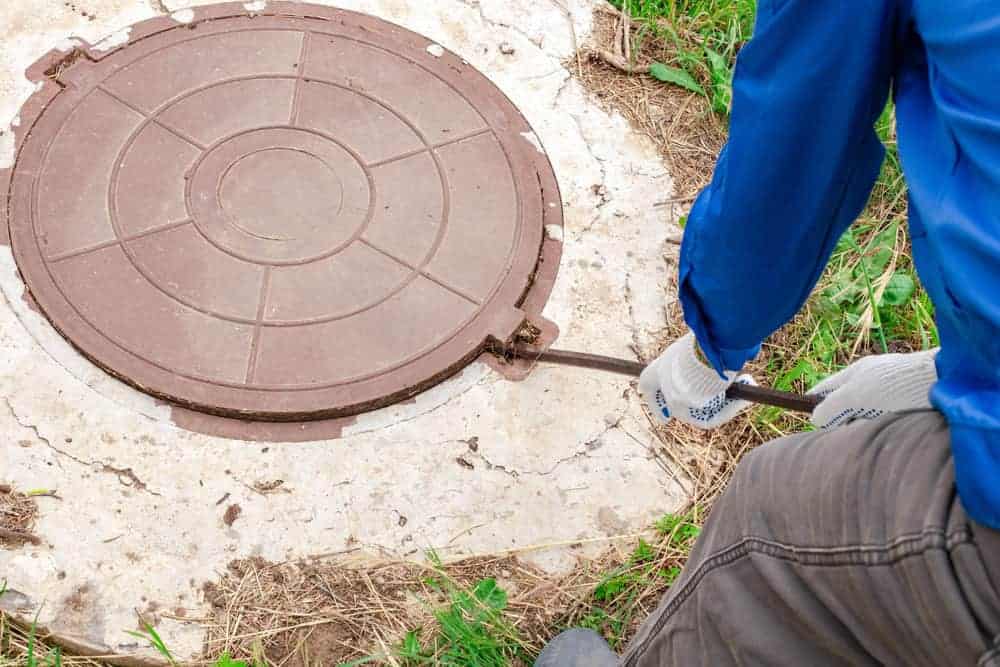
First, we locate and access your tank. This might involve digging if the access point is buried, or simply removing a lid if you have risers installed. Camera inspection often happens at this stage to confirm tank condition and identify any complications before work begins.
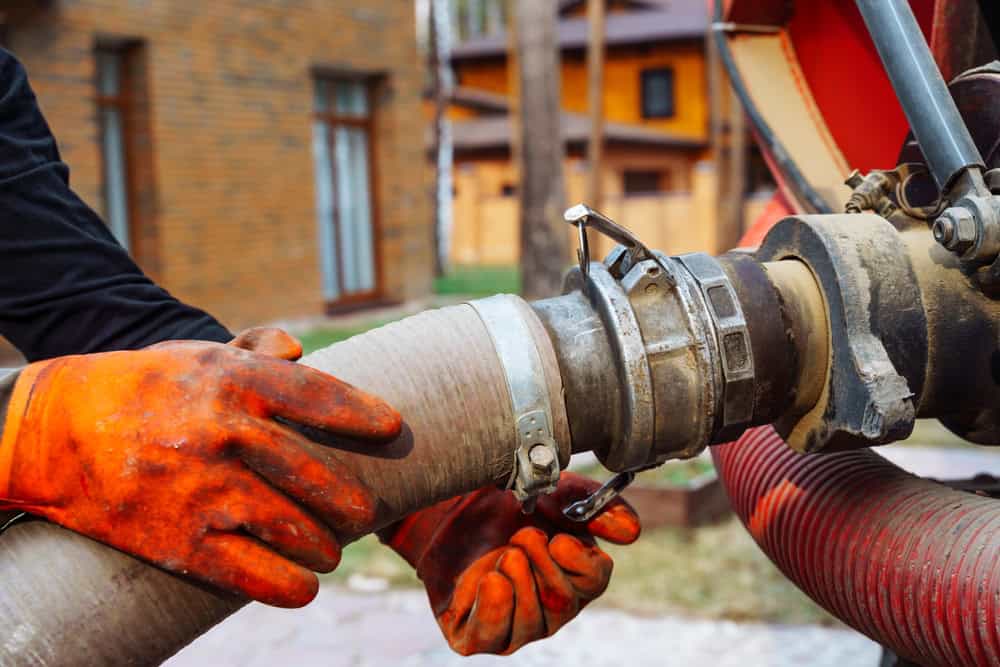
Next comes pumping. A vacuum truck removes all contents—sludge, scum, and liquid. This step is non-negotiable and must be performed by a licensed waste hauler. You’ll typically receive documentation proving proper disposal, which you may need for permit closure. Pumping costs $200 to $400 depending on tank size and contents.
Once empty, we disconnect all plumbing and electrical connections. If your system has pumps, alarms, or other mechanical components, these get removed and properly disposed of. Electrical lines are capped to prevent hazards.
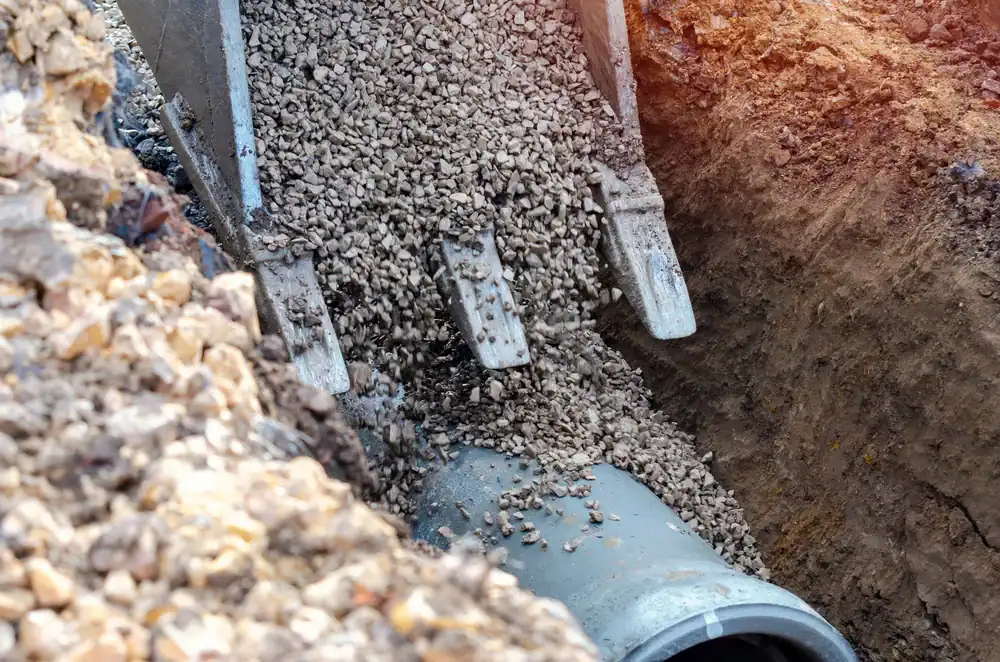
Then comes the decision point: complete removal or in-place decommissioning. Complete removal means excavating around the tank, breaking it into manageable pieces if it’s concrete, and hauling everything away. This costs more but leaves your yard completely clear for future use. In-place decommissioning means breaking holes in the tank bottom to prevent water accumulation, then filling the tank with sand, gravel, or concrete and backfilling over it. This costs less and works fine if you’re not planning construction in that area.
The tank bottom must have drainage holes regardless of method. Without them, the tank becomes a water reservoir that can cause sinkholes or attract pests. We break holes using jackhammers or excavators, ensuring rainwater can drain through instead of pooling.
Backfilling requires proper compaction. Loose fill settles over time, creating depressions or even collapses. We compact fill in layers, ensuring stability. This step takes time but prevents future problems.
Finally, the area gets graded and prepared for landscaping restoration. Most contractors don’t include landscaping in their quotes—that’s typically a separate cost. You’ll need to reseed grass, replace plants, or restore hardscaping depending on what was disturbed during removal.
Inspection and documentation close out the process. Suffolk County requires final inspection to confirm proper abandonment. We provide documentation showing the tank was pumped by a licensed hauler, properly decommissioned or removed, and the site restored to safe condition. Keep these records—they’re important for property sales and future permitting.
The entire process typically takes one to three days depending on complexity. Simple removals with good access might be done in a day. Complex situations with difficult access, contaminated soil, or unexpected complications can stretch to a week or more.
Planning Your Septic System Removal or Replacement
Septic system removal costs vary, but understanding what drives your specific price helps you plan realistically. Tank size, accessibility, material, and what happens next on your property all factor into your final bill. In Suffolk County, removal typically runs $3,000 to $10,000, while complete replacement with nitrogen-reducing technology can reach $20,000 to $40,000 before grant assistance.
The key is getting multiple quotes from licensed contractors who understand Suffolk County’s regulatory requirements and can help you navigate available grant programs. Up to $30,000 in combined funding can dramatically reduce your out-of-pocket costs, but accessing those programs requires proper documentation and approved contractors.
Don’t wait for complete system failure to force emergency decisions. Proactive replacement, when you have time to research options and apply for grants, almost always costs less than crisis response. If you’re facing septic system removal or replacement in Suffolk County, we bring four generations of local expertise to help you understand your options, navigate the process, and get the job done right.