Summary:
How Often Does Your Cesspool Really Need Maintenance
The standard answer you’ll hear is every two to three years. That’s not wrong, but it’s also not the full picture. Your actual cesspool maintenance schedule depends on factors most companies won’t ask about.
Household size matters more than you’d think. A family of four generates significantly more wastewater than a couple, which means solids accumulate faster. If you’ve added people to your household since your last service, you’re probably overdue.
Water usage patterns change everything. Homes with garbage disposals, teenagers doing multiple loads of laundry daily, or frequent guests need more frequent cesspool pumping. These aren’t luxuries your system was designed to handle when it was installed decades ago.
What Actually Happens During Cesspool Pumping
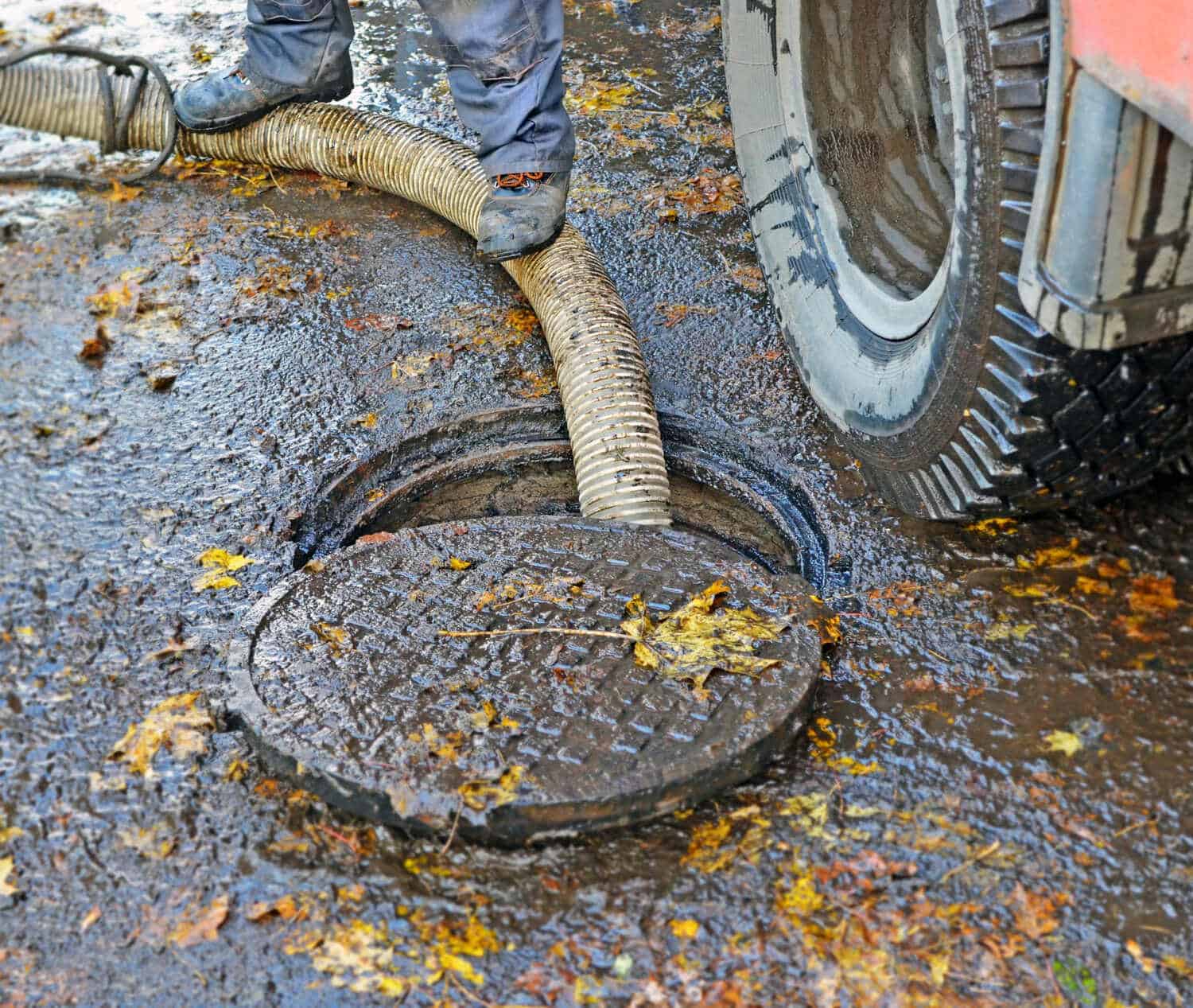
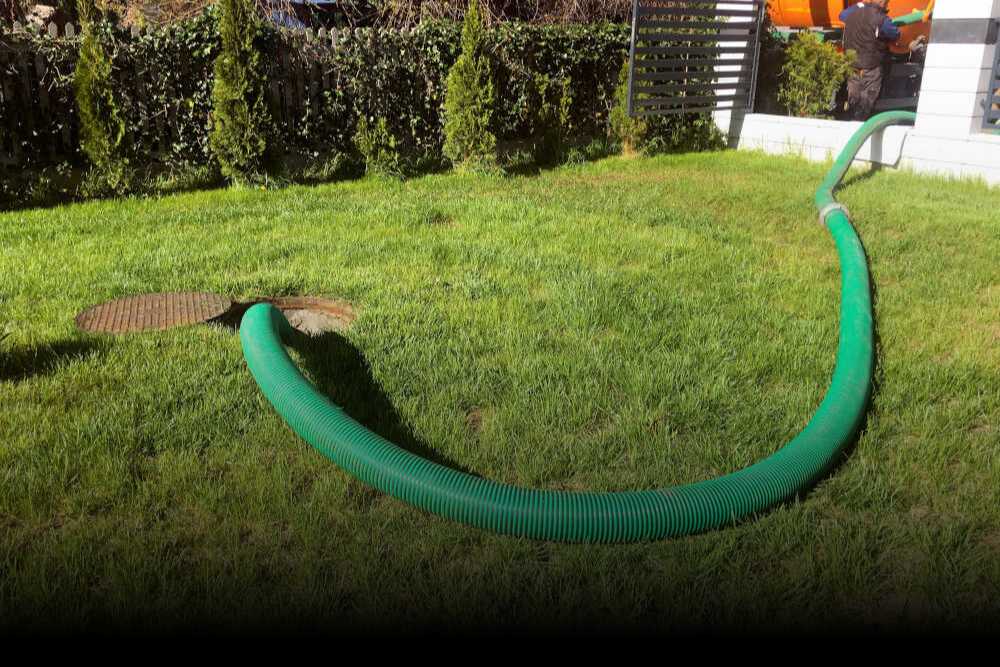
Most homeowners think cesspool service means a truck shows up, sticks a hose in the ground, and sucks everything out. That’s part of it, but proper cesspool maintenance involves several steps that separate thorough service from a quick cash grab.
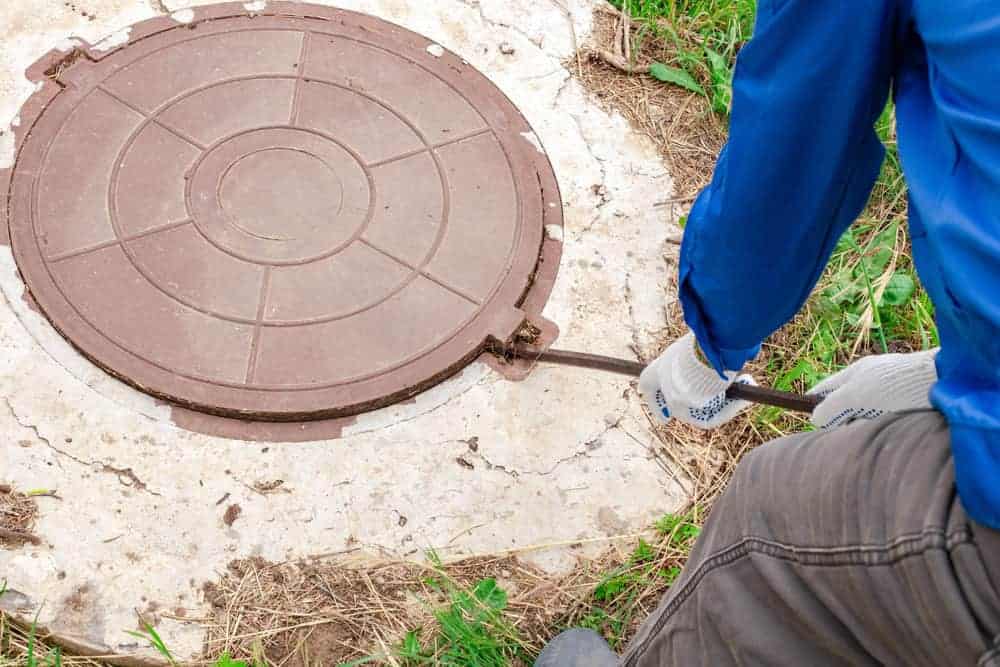
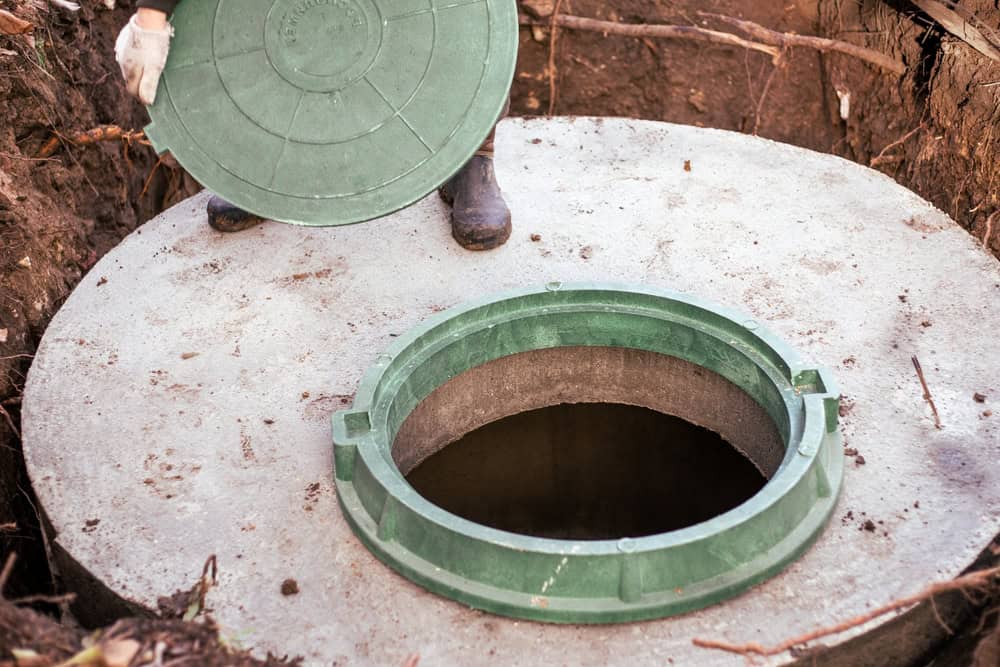
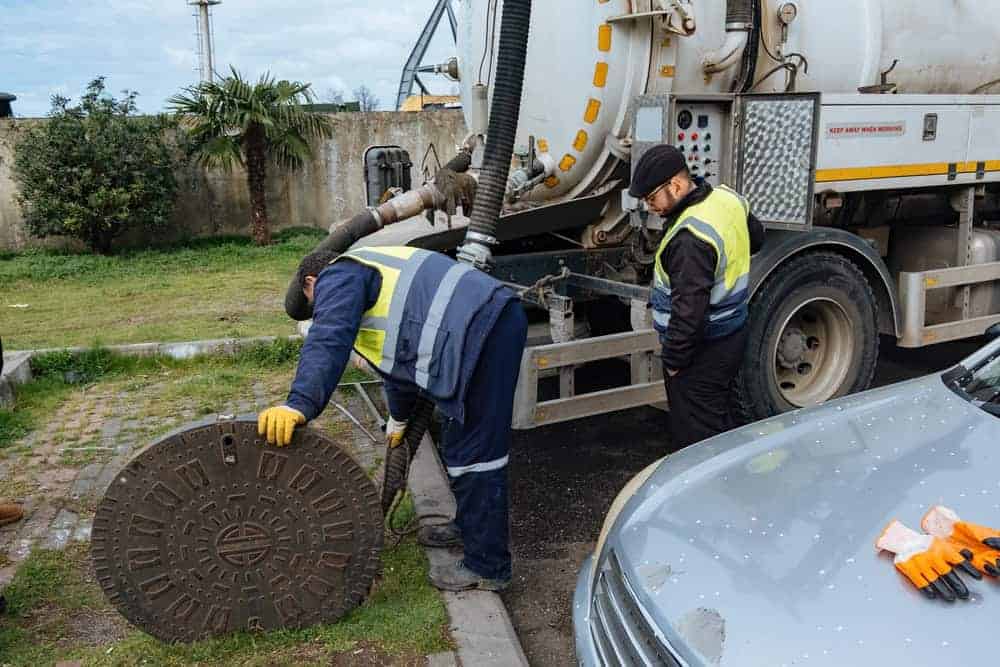
The process should start with locating and accessing your system properly. On Long Island, NY, many cesspools are buried under landscaping that’s been added over the years. A good technician uses locating equipment rather than guessing, which protects your yard and ensures they’re accessing the right components.
Once open, they should measure waste levels before pumping. This tells you whether your current schedule is appropriate or if you’re pumping too frequently—or not frequently enough. Most companies skip this step because it takes time, but it’s the only way to customize your maintenance plan.
Proper cesspool pumping means removing all liquid, sludge, and floating scum layers. Some companies do a partial pump to save time, leaving material that will cause problems sooner. The truck should cycle water back and forth through the tank several times to break up and remove everything. You’ll hear the equipment working longer when this is done correctly.
After pumping, a thorough cesspool inspection identifies cracks, blockages, or distribution issues before they cause backups. This is where you learn whether your system just needs regular maintenance or if cesspool repair is coming. Companies that skip this step leave you guessing until something fails.
The whole process typically takes one to two hours for residential systems. If your cesspool service is consistently faster, you’re probably not getting a complete job. Long Island’s sandy soil and high water tables create specific challenges that require attention to detail, not just speed.
Signs Your Cesspool Needs Service Now
Waiting for obvious problems before scheduling cesspool service is the expensive approach. By the time you notice major issues, you’re often looking at emergency repairs instead of routine maintenance. Recognizing early warning signs saves you from that scenario.
Slow drainage is usually the first signal, but most people dismiss it. If multiple fixtures drain slowly at the same time—not just one clogged sink—your cesspool is telling you it’s reaching capacity. This happens weeks or months before a complete backup, giving you time to schedule cesspool cleaning on your terms rather than during a weekend emergency.
Odors around your property mean wastewater is escaping somewhere it shouldn’t. This isn’t normal and it’s not something that goes away on its own. On Long Island, NY, where properties are close together, these smells affect your neighbors too. It also indicates your system is contaminating the ground around it, which brings regulatory issues into play.
Wet or unusually green patches in your yard over the cesspool location show the system is overloaded. The grass looks healthier because it’s being fertilized by wastewater that should be contained and treated. This is actually a sign of system failure, not good drainage.
Gurgling sounds from drains or toilets indicate air displacement issues in your plumbing. When your cesspool can’t accept more waste, air gets pushed back through your pipes. This sound means you’re very close to a backup situation.
The most obvious sign is sewage backing up into your home through drains or toilets. If this happens, stop using all water immediately. Every flush or shower is adding to the problem. This is an emergency that requires immediate professional response, and it’s completely preventable with proper cesspool maintenance scheduling.
Long Island homeowners often ignore early signs because the system still technically works. That’s exactly when cesspool maintenance should happen—before you’re dealing with contamination, property damage, and emergency service rates.
Cesspool Regulations Long Island Homeowners Need to Know
Nassau and Suffolk Counties have different rules, and they’ve gotten stricter in recent years. Most cesspool service companies won’t explain how regulations affect you unless you specifically ask. That leaves homeowners confused about what’s required versus what’s recommended.
The big change came in July 2019 when Suffolk County banned new cesspool installations. If your system fails now, you can’t just replace it with another cesspool. You’ll need to upgrade to an advanced treatment system, which costs significantly more but also qualifies for grant programs that can offset up to $11,000 of the expense.
Nassau County has similar restrictions, though enforcement varies by area. The North Shore, where more properties still use on-site systems, faces increasing pressure to upgrade. Both counties now require documentation of regular maintenance, especially for property sales.
Why Long Island Takes Cesspool Maintenance Seriously
The regulatory push isn’t arbitrary bureaucracy. Long Island’s drinking water comes entirely from underground aquifers, and approximately 360,000 homes in Suffolk County alone have on-site sewage systems. That’s a lot of potential contamination sources sitting directly above the water supply.
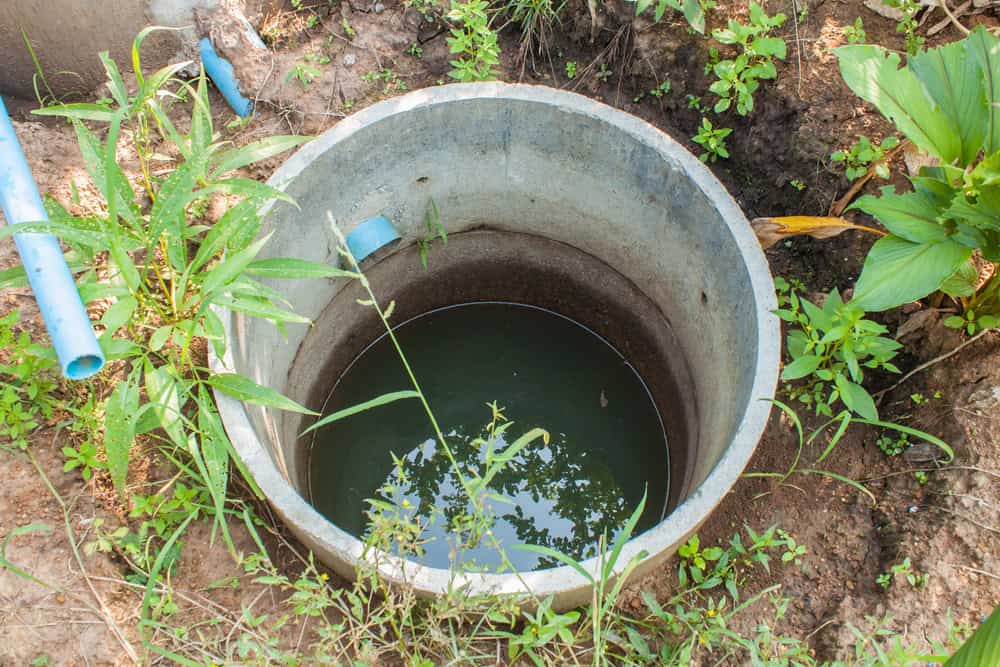
Cesspools don’t treat wastewater—they just hold it while liquids seep into the surrounding soil. Everything in that wastewater, including nitrogen, bacteria, and whatever chemicals went down your drains, goes straight into the ground. Modern septic systems separate and treat waste before it reaches the soil, which is why regulations now favor them.
Suffolk County’s groundwater already has higher nitrate levels than 95% of the country. Nitrogen pollution causes algae blooms in local waterways, creates dead zones where marine life can’t survive, and threatens drinking water quality. When environmental groups and health officials talk about Long Island’s water crisis, they’re talking about the cumulative effect of hundreds of thousands of aging cesspools.
Climate change is making the problem worse. Rising sea levels and more frequent flooding put additional strain on outdated wastewater systems. Areas that never had drainage issues before are now seeing seasonal problems. Cesspools that worked fine for decades are failing because groundwater tables are higher than they used to be.
This is why missed pump-outs can result in fines ranging from $250 to $2,000 in New York. Counties are serious about enforcement because contamination affects entire communities, not just individual properties. Regular cesspool maintenance isn’t just about your convenience—it’s about protecting the shared water supply that everyone depends on.
Property sales now require documentation showing your system has been properly maintained. Mortgage companies want proof that the cesspool or septic system won’t fail immediately after closing. If you can’t produce service records, you’ll need a cesspool inspection, and if that inspection reveals problems, you’ll be paying for repairs before the sale can proceed.
What Cesspool Maintenance Actually Costs
Routine cesspool pumping on Long Island, NY typically runs $300 to $600 for residential systems. The range depends on tank size, how much material needs removal, and how accessible your system is. Companies that quote significantly below this range are usually cutting corners somewhere—partial pumping, no inspection, or surprise fees added later.
Emergency service costs more, often 50% to 100% above regular rates. Weekend and holiday calls come with premium pricing. This is why scheduling maintenance before problems occur saves money. The difference between a planned Tuesday morning service and a Sunday evening emergency can be hundreds of dollars for the exact same work.
System replacement costs are where the real financial pain happens. Installing a new advanced treatment system runs $8,000 to $15,000 depending on property conditions and system type. Suffolk County’s grant program can cover up to $11,000, but you still need to finance the difference. Compare that to spending $400 every two years for cesspool maintenance, and the math is pretty clear.
Neglected cesspools fail faster, and the failure often involves more than just the tank itself. Distribution lines clog, surrounding soil becomes saturated, and structural damage occurs. What could have been prevented with regular cesspool service becomes a major excavation project. Some homeowners have faced $20,000+ bills for complete system failures that involved property damage and contamination cleanup.
The hidden cost nobody talks about is property value impact. Homes with failing or improperly maintained cesspools sell for less, take longer to close, and often require seller concessions to cover buyer concerns. A $500 maintenance call today protects tens of thousands in property value down the road.
Insurance typically doesn’t cover cesspool failures that result from lack of maintenance. If sewage backs up into your home because you skipped pumping, you’re paying for cleanup, repairs, and temporary housing out of pocket. Most policies classify this as preventable maintenance issues, not covered incidents.
Long Island homeowners who budget for regular cesspool maintenance as a routine expense—like HVAC service or lawn care—avoid these larger financial hits. The ones who wait until something breaks are the ones writing big checks under pressure.
Making Cesspool Maintenance Work for Your Property
Your cesspool doesn’t need to be a source of stress or surprise expenses. Understanding the real maintenance schedule your household requires, recognizing warning signs early, and staying compliant with local regulations keeps your system functional for years.
The difference between homeowners who have cesspool problems and those who don’t usually comes down to one thing: they treat maintenance as prevention rather than waiting for emergencies. A properly maintained cesspool can last decades. A neglected one fails in a fraction of that time.
If you’re in Long Island, NY and you’re not sure when your system was last serviced, or if you’ve noticed any of the warning signs mentioned here, now is the time to schedule an inspection. We’ve been helping Long Island homeowners with honest, thorough cesspool service for almost two decades. Our team can assess your system, explain exactly what it needs, and set you up with a maintenance schedule that actually fits your household—not just an industry average.