Summary:
What Septic Tank Services Actually Include
Septic tank services aren’t just about pumping out waste every few years. The term covers inspection, pumping, maintenance, repairs, and sometimes full system replacement. For Long Island homeowners, this becomes more complex because over 70% of Suffolk County residents rely on septic systems rather than municipal sewers.
Your system processes everything that goes down your drains. Solids settle at the bottom as sludge, liquids drain into your leach field, and a layer of scum floats on top. When any part of this process breaks down, you notice it in your home first—slow drains, backups, odors. Professional septic services keep that process working so you don’t have to think about what’s happening underground.
How Often Does Your Septic Tank Need Pumping
The standard answer is every three to five years, but that’s not the full story. Your actual pumping schedule depends on how many people live in your home, your tank size, and what goes down your drains.
A family of four with a 1,000-gallon tank typically needs septic pumping every two to three years. Add a garbage disposal to that scenario, and you’re looking at annual service because food waste doesn’t break down like human waste. It accumulates faster, fills your tank quicker, and puts strain on the entire system.
Long Island’s sandy, porous soil creates another variable. Water moves through our ground quickly, which helps drainage but also means less natural filtration time. Your septic system has to work harder here than it would in other regions. That’s why sticking to a maintenance schedule matters—you’re not just preventing backups, you’re protecting the sole-source aquifer that supplies 100% of Long Island’s drinking water.
Most homeowners wait until they notice problems before calling for service. That’s the expensive approach. Sludge builds up, solids escape into your drain field, and suddenly you’re looking at drain field replacement costs that run $7,000 or more. Regular septic tank maintenance prevents that scenario. A technician measures sludge levels, checks baffles and filters, inspects for cracks or leaks, and pumps the tank before problems develop.
You can’t see what’s happening inside your tank, but we can. We use specialized tools to measure waste levels and determine whether you’re on the right pumping schedule or need to adjust. Some households need annual service, others can stretch to four years. The only way to know is through actual inspection, not guesswork.
Signs Your Septic System Is Failing
Your septic system talks to you through your plumbing, your yard, and sometimes your nose. Slow drains throughout your home—not just one sink, but multiple fixtures—signal that your tank is reaching capacity or your drain field is struggling. When wastewater has nowhere to go, it backs up into the lowest point, often your basement or first-floor bathroom.
Foul odors around your property mean sewage is surfacing or your system’s ventilation is blocked. That smell isn’t just unpleasant, it’s a health hazard. Sewage contains pathogens that make people and animals sick. If you’re catching whiffs near your septic tank or drain field, or if drains inside your home smell like sewage, your system needs immediate attention.
Wet spots or standing water in your yard, especially near the drain field, indicate your system isn’t absorbing wastewater properly. Sometimes this shows up as unusually lush, green grass in one area—the sewage is actually fertilizing your lawn. That’s not a good thing. It means untreated waste is too close to the surface.
Gurgling sounds from your plumbing, toilets that won’t flush completely, or water backing up into sinks when you run the washing machine all point to the same problem: blockage or system failure. These aren’t minor inconveniences you can ignore. They’re warnings that you’re days or weeks away from a complete backup.
Long Island homeowners face an additional concern. Our shallow groundwater table means contamination from failing septic systems reaches drinking water sources faster than in other regions. When your system fails, you’re not just dealing with property damage—you’re potentially affecting your neighbors’ wells and the broader aquifer. That’s why Suffolk County has pushed for stricter regulations and why septic inspection and repair can’t wait when you notice these signs.
Understanding Septic Tank Maintenance Requirements
Maintenance isn’t the same as emergency repair, though many homeowners don’t realize that until they’re facing a crisis. Proper septic tank maintenance means scheduled inspections, regular pumping, and small fixes before they become expensive problems.
Your septic system has several components that need attention. The tank itself holds waste while solids settle and bacteria break down organic matter. Baffles control flow and prevent solids from escaping. Filters catch debris before it reaches your drain field. The drain field disperses treated water into the soil. When any component fails, the entire system struggles.
What Happens During Professional Septic Service
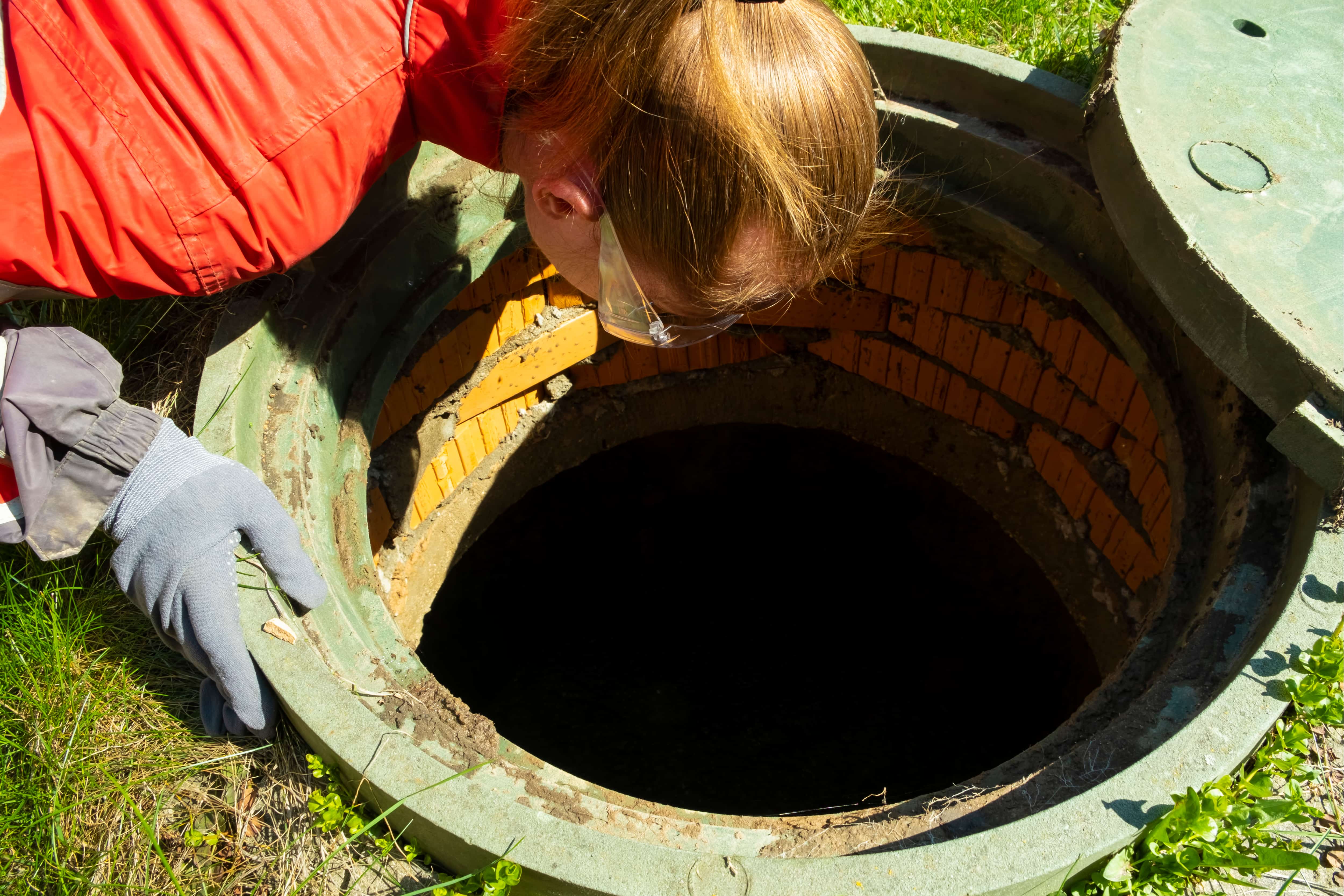
Professional septic service starts with locating your tank and exposing the access lids. On Long Island properties, tanks are sometimes difficult to find, especially on older homes where records are incomplete or landscaping has changed. We use electronic locators or probe the ground to find the tank without damaging your yard.
Once the tank is accessible, we inspect waste levels using a specialized measuring tool. We’re looking at three layers: scum on top, liquid in the middle, and sludge on the bottom. When the sludge layer reaches about 12 inches, it’s time to pump. Waiting longer risks solids escaping into your drain field, which clogs the soil and causes system failure.
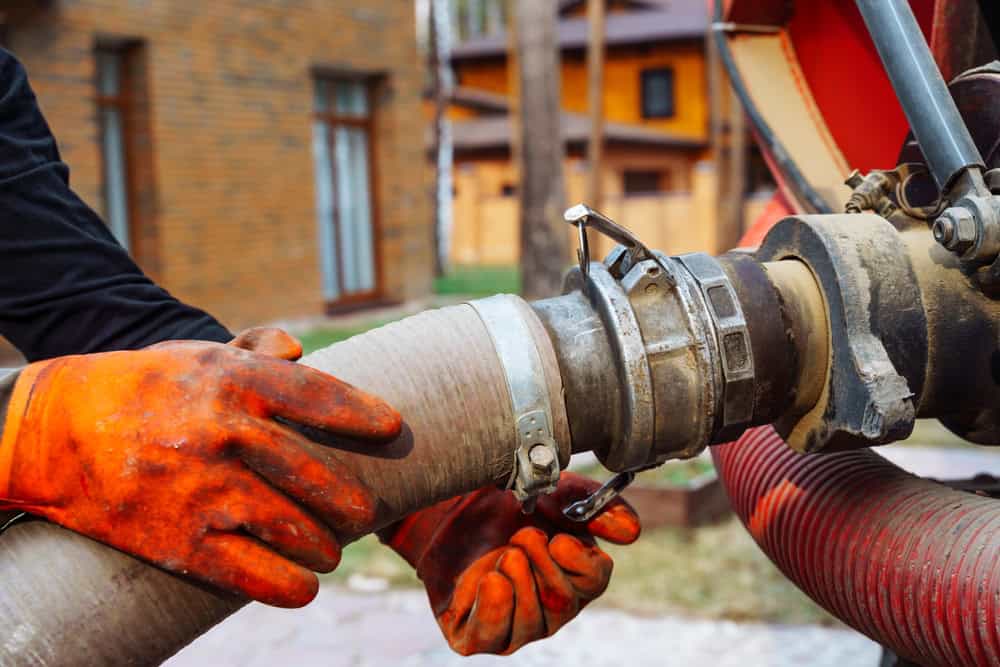
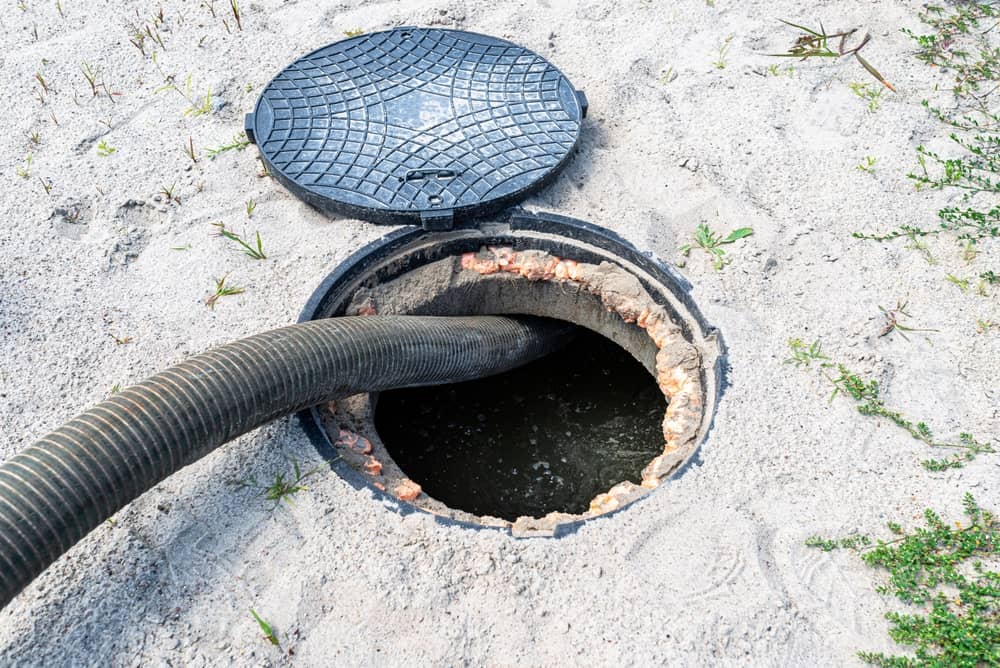
The pumping process uses a vacuum truck to remove all wastewater, solids, and accumulated sludge. This isn’t a quick process—a thorough job takes time. Some companies rush through pumping, leaving residual sludge that shortens the time until your next service. Quality septic services mean complete waste removal, not just enough to stop immediate problems.
After pumping, we inspect internal components. We check inlet and outlet baffles for damage or deterioration. We examine filters and clean or replace them if needed. We look for cracks in the tank walls or signs of structural failure. We verify that water levels are appropriate and that the tank isn’t taking on groundwater from a high water table.
This inspection catches problems early. A damaged baffle might cost a few hundred dollars to replace, but if ignored, it can ruin your entire drain field—a $10,000+ problem. Small cracks can be filled with resin or concrete compound before they become major leaks. Filters can be cleaned before they cause backups. That’s the value of regular maintenance: catching issues when they’re still manageable.
Long Island’s environmental conditions make professional service even more critical. Sandy soil drains quickly but filters poorly. High water tables can saturate drain fields. Nitrogen pollution from failing systems has increased 200% in Long Island’s aquifers since 1987. Your septic system isn’t just a household convenience—it’s an environmental responsibility.
Septic Repairs vs. Full System Replacement
Not every septic problem requires replacing your entire system. Many issues can be repaired at a fraction of replacement cost, but you need accurate diagnosis to know the difference. That’s where experience matters.
Septic repairs might include replacing a pump ($500-$1,300), fixing broken pipes ($150-$3,800), replacing a distribution box ($500-$1,500), or removing tree roots that have invaded your lines. These are significant expenses, but they’re manageable compared to full system replacement, which runs $10,000-$20,000 or more depending on your property and the type of system required.
The challenge is knowing when repair makes sense versus when you’re throwing money at a failing system. A septic tank typically lasts 20-30 years with proper maintenance. If your system is approaching that age and experiencing multiple problems, replacement might be the smarter financial decision. If your tank is relatively new but experiencing specific component failures, repair is usually the right call.
Suffolk County now requires nitrogen-reducing I/A OWTS systems for all new installations and major replacements. These advanced systems cost more upfront—$15,000-$25,000—but rebate programs can cover up to $30,000 of that expense. If you’re facing replacement anyway, upgrading to a compliant system while grants are available makes financial sense.
Some companies will push for replacement when repair would suffice. Others will patch problems on a system that’s truly at end-of-life, leaving you with recurring failures and mounting costs. Honest septic services mean getting a realistic assessment of your system’s condition, understanding your options, and making an informed decision based on facts, not fear.
Long Island homeowners should also consider property value. A functioning, compliant septic system is essential for real estate transactions. Buyers will require septic inspections, and failing systems become negotiation points that cost you money at closing. Addressing problems proactively protects your investment.
Taking Action Before Your System Fails
Your septic system won’t fix itself, and problems don’t improve with time. That slow drain will become a backup. That faint odor will become overpowering. That wet spot in your yard will become a sewage pond. The question isn’t whether to address septic issues—it’s whether you’ll handle them on your schedule or during an emergency.
Regular septic tank services protect your home, your property value, and Long Island’s water supply. They prevent the kind of expensive disasters that homeowners remember for years. Most importantly, they give you control over a system that’s easy to ignore until it’s impossible to overlook.
If you’re noticing warning signs, if it’s been more than three years since your last pumping, or if you’re simply not sure about your system’s condition, now is the time to find out. We’ve served Long Island for nearly two decades because we understand what homeowners actually need—straight answers, quality work, and service you can count on when it matters most.