Summary:
What Cesspool Maintenance Actually Involves
Cesspool maintenance isn’t complicated, but it does require professional attention on a regular schedule. The process involves inspecting your system to assess current conditions, pumping out accumulated solids and liquids, and identifying any developing issues before they cause failures. This proactive waste management approach keeps your system functioning efficiently year after year.
Most Long Island cesspools need this service every 2-3 years, though your specific timeline depends on household size, water usage, and system age. Larger families or older systems typically need more frequent attention. Commercial properties face entirely different requirements, often needing service every 30-120 days depending on usage.
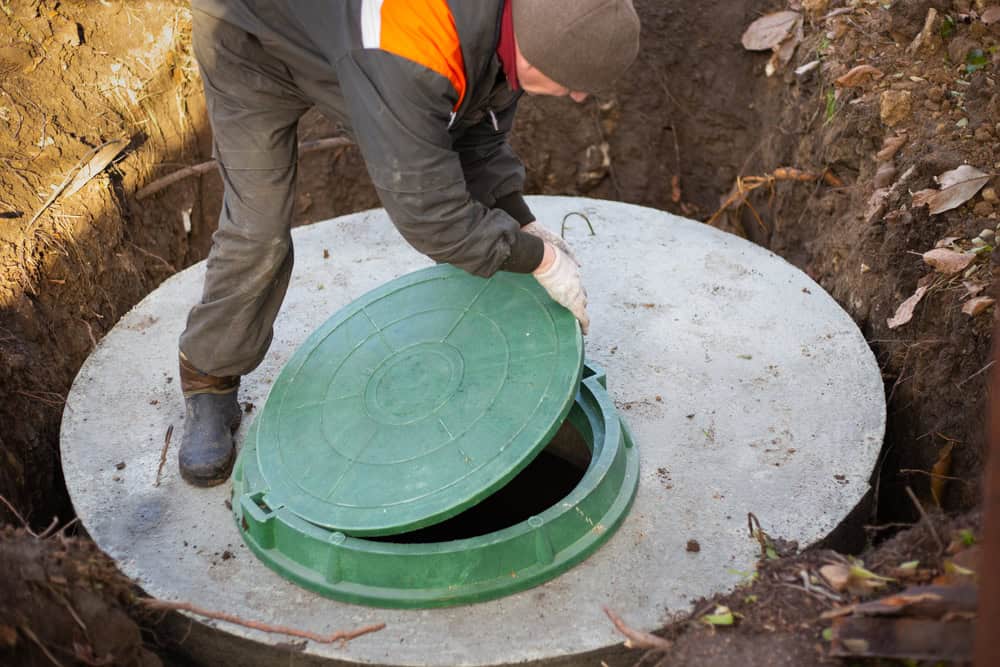
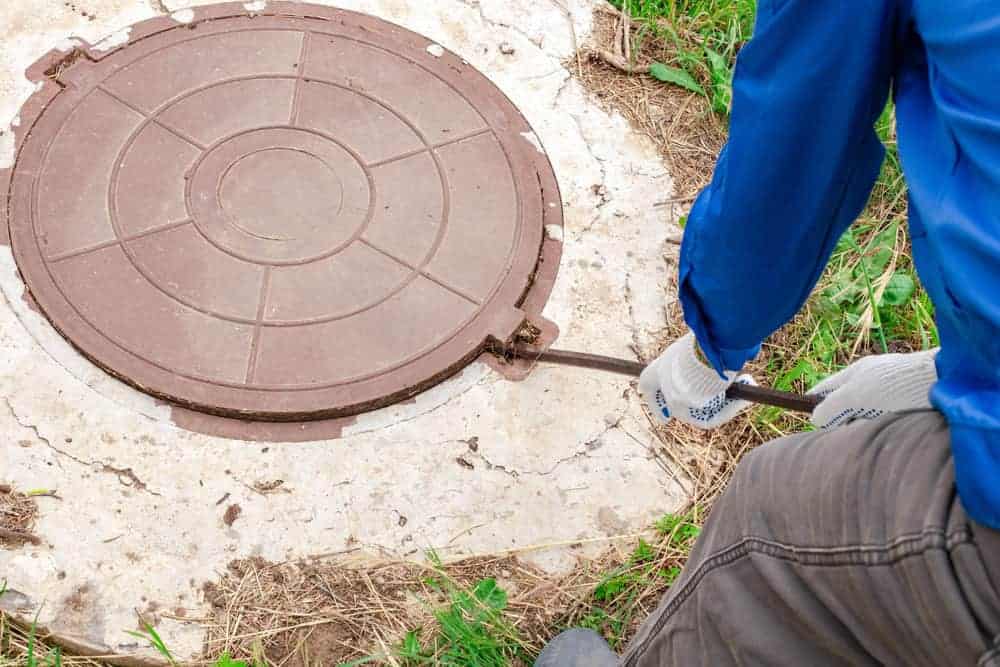
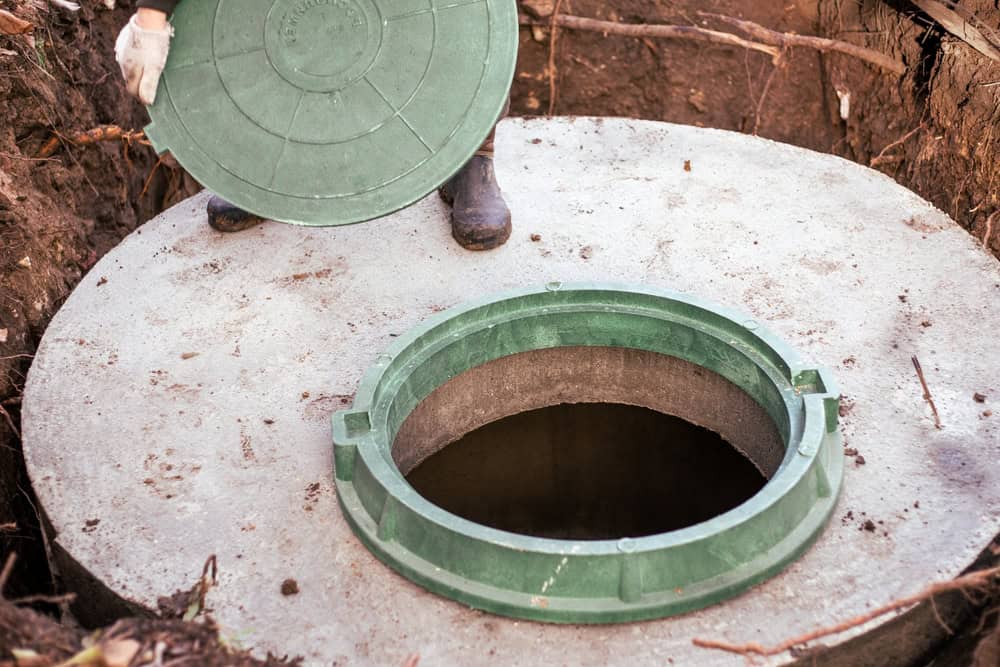
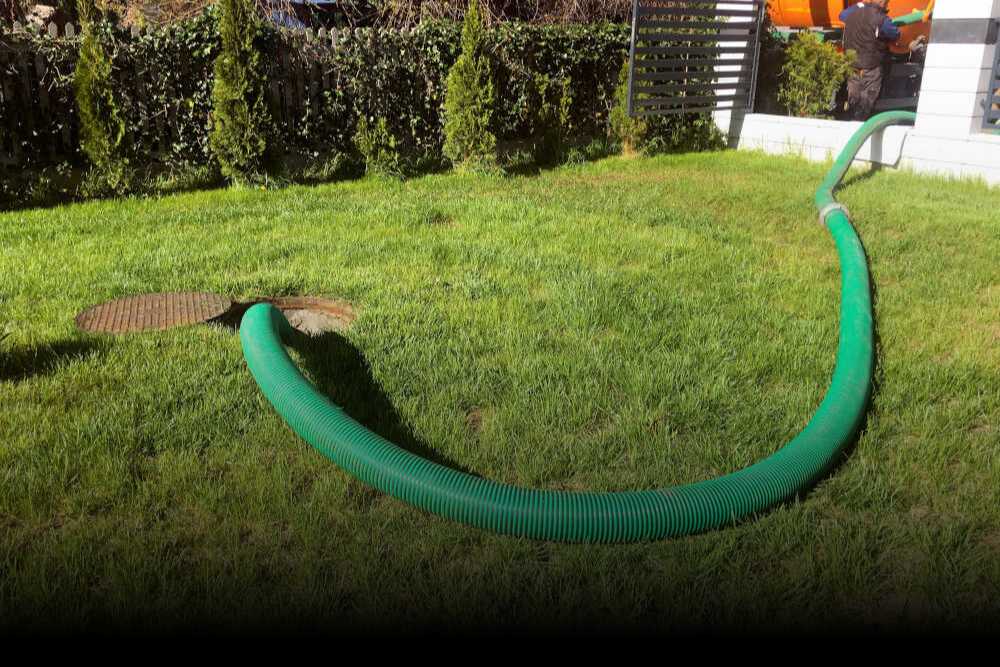
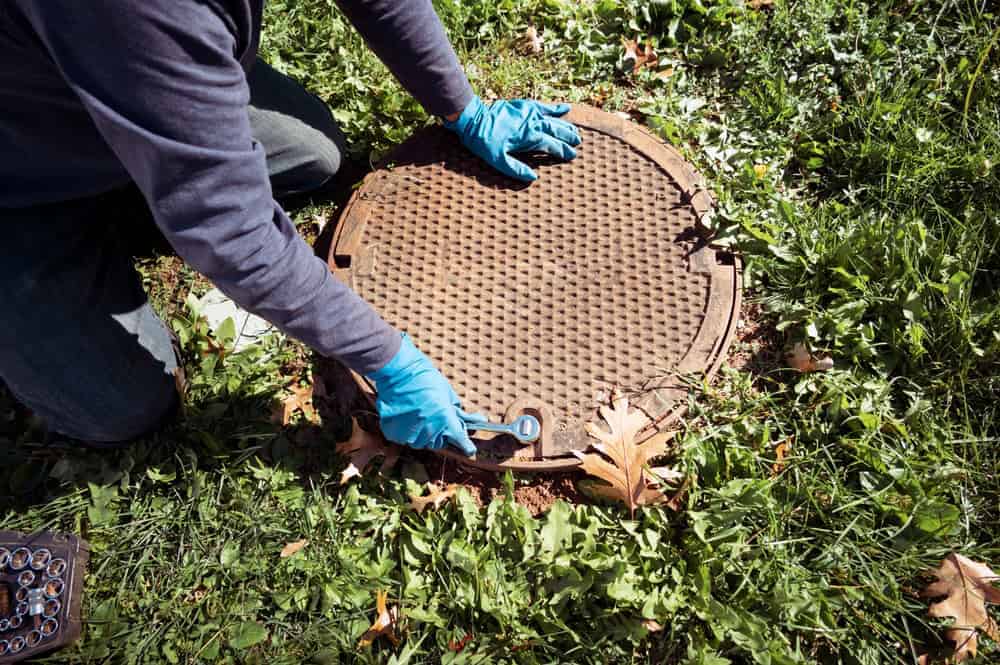
The maintenance process starts with locating and accessing your cesspool, which can be challenging since many covers sit three feet or more underground. We then measure liquid levels, inspect components for damage, and use vacuum equipment to remove waste. We’ll also check for cracks, worn baffles, or other signs of deterioration that could signal future problems.
How routine inspections catch problems early
The real value of regular maintenance comes from catching small issues before they become expensive emergencies. During routine service, our technicians inspect your system’s structural condition, check drainage performance, and look for warning signs that most homeowners would never notice.
Early detection makes all the difference. A small crack identified during routine maintenance might cost a few hundred dollars to repair. That same crack, left unaddressed, can lead to structural failure requiring complete system replacement at $15,000-$25,000. Professional inspections reveal problems at the stage when they’re still manageable.
Long Island’s soil conditions make these inspections even more critical. Nassau County’s clay soil doesn’t absorb liquids quickly, so overloaded cesspools can cause surface contamination affecting neighboring properties. Suffolk County’s sandy soil presents different challenges. We understand these variations and know what to look for in your specific area.
Inspections also verify compliance with Suffolk County regulations, which have changed dramatically in recent years. Cesspools can no longer be replaced with like-kind systems and must be upgraded to septic systems if they fail. Staying on top of maintenance helps you avoid triggering these mandatory upgrades that cost significantly more than routine care.
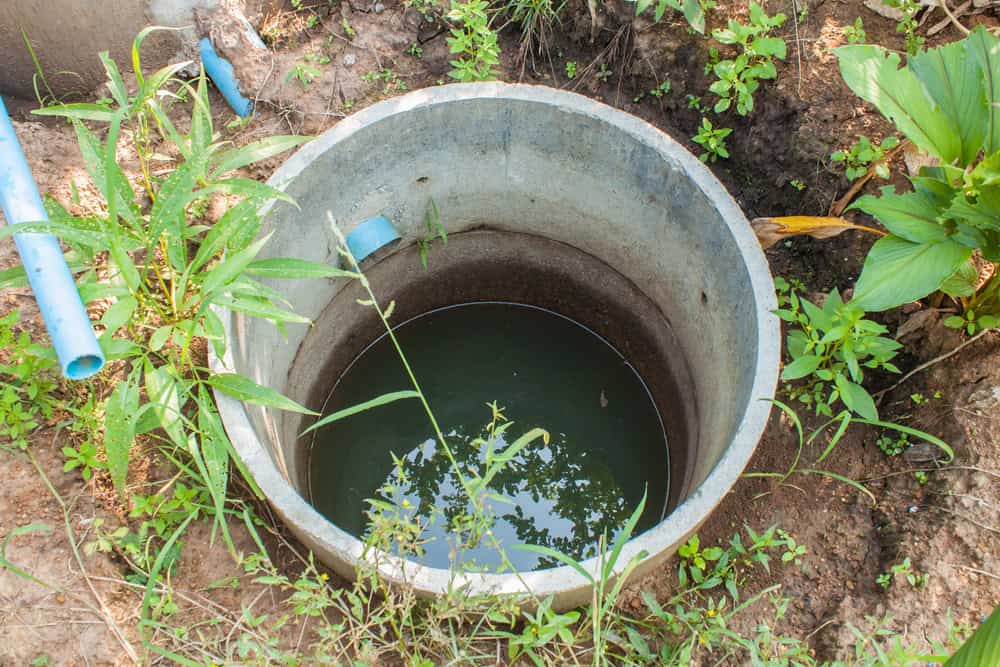
The inspection process includes checking baffle conditions, measuring sludge levels, assessing the distribution system, and testing drainage capacity. We document everything and provide recommendations for ongoing care. This documentation becomes valuable if you ever sell your property, showing potential buyers that the system has been properly maintained.
Many homeowners wait until they notice problems before calling for service. By then, you’re already dealing with slow drains, foul odors, or wet spots in your yard. These symptoms mean your system is already struggling. Scheduled inspections find issues before you see any warning signs at all.
Why Long Island cesspools need specialized care
Long Island cesspools face unique challenges that make regular maintenance essential. Many systems in Nassau and Suffolk Counties were built before 1970 using concrete blocks that have exceeded their structural lifespan. These aging systems are essentially time bombs waiting to collapse under the pressure of accumulated waste and groundwater infiltration.
The island’s high water table creates additional stress on cesspool systems. During heavy rains, systems can become overwhelmed, especially if they’re already near capacity from delayed maintenance. Water infiltration speeds up the accumulation of solids and reduces the system’s ability to process new waste effectively.
Environmental factors also play a role. Suffolk County already has higher nitrate levels in its drinking water than 95% of the country. Long Island’s drinking water comes entirely from underground aquifers, making groundwater contamination from failing cesspools a community-wide crisis. When your cesspool overflows or fails, it doesn’t just affect your property—it threatens the water supply for thousands of neighbors.
Local regulations reflect these environmental concerns. Suffolk County’s cesspool regulations have become increasingly strict, making professional licensing and compliance more critical than ever. Unlicensed work risks steep fines and failed inspections that can cost homeowners thousands in penalties and required corrections.
The soil composition varies significantly across Long Island. North Shore systems from the 1970s have different layouts than South Shore construction from the 1990s. Nassau County clay soil behaves completely differently than Suffolk County sand. These local variations mean that generic maintenance approaches don’t work here.
With our Long Island experience, we can diagnose problems in minutes that would take outsiders hours to figure out. We know where cesspools are typically located in homes from different eras, understand local permitting requirements, and have relationships with county health departments for required inspections. This local knowledge translates directly into faster service and lower costs for you.
The Real Cost of Skipping Maintenance
The financial impact of neglected cesspool maintenance often surprises homeowners who assumed their biggest risk was an occasional backup. Emergency repairs, property damage, and regulatory fines can quickly escalate into major financial crises that strain family budgets for years. Proactive waste management through scheduled maintenance prevents these costly scenarios.
Routine pumping costs $300-$600 every few years. Emergency service calls typically cost 2-3 times more than scheduled maintenance, and that’s before considering additional damage. Complete system replacement ranges from $8,000-$15,000 for standard installations, reaching $17,000-$25,000 when you factor in property restoration and upgraded systems required by current regulations.
Most homeowners who skip routine cleaning face emergency repairs within 5-7 years of neglect. The math is straightforward: spend a few hundred dollars every few years on maintenance, or risk tens of thousands on emergency repairs and replacement. Over your system’s lifetime, proper maintenance can save you $10,000 or more.
Hidden costs beyond the repair bill
The direct cost of repairs tells only part of the story. Secondary expenses from cesspool failures can exceed the original problem. Water damage from sewage backups requires professional remediation, often involving carpet replacement, wall repair, and extensive sanitization that can cost more than fixing the cesspool itself.
Insurance coverage for cesspool-related damage varies significantly. Many standard homeowner policies exclude damage from “gradual” problems like poor maintenance, leaving you responsible for the full cost of repairs and cleanup. The average sewage backup cleanup costs between $3,000 and $7,000, not including structural repairs or temporary housing expenses if your home becomes uninhabitable.
Property value takes a hit when cesspool problems occur. Real estate disclosures require you to report known sewage issues, and potential buyers often avoid properties with cesspool-related damage. Even after repairs, the stigma of sewage problems can reduce your home’s market value by thousands of dollars.
Legal liability adds another layer of financial risk. If your cesspool failure contaminates neighboring properties or causes injury to visitors, you could face lawsuits for property damage, medical expenses, and other costs. New York state regulations impose fines of $250 to $2,000 for missed pump-outs or failed inspection reports, adding regulatory penalties to your financial burden.
Lost work time dealing with emergencies, temporary housing during extensive repairs, and the stress of sewage contamination in your home create impacts that extend far beyond dollars. Many homeowners attempt to handle backups themselves, unknowingly exposing themselves to dangerous pathogens. Proper cleanup requires specialized equipment, protective gear, and disinfection protocols that most homeowners don’t have access to.
The investment in preventive maintenance pays dividends beyond avoiding emergencies. Well-maintained systems last longer, operate more efficiently, and maintain property values. A well-maintained cesspool can last 20-30 years, while neglected systems often fail within 10-15 years, requiring complete replacement. That difference represents years of additional service from your existing system.
Warning signs you're heading toward expensive repairs
Your cesspool sends clear signals when it needs attention, but many Long Island homeowners miss these early warnings until damage becomes extensive. Recognizing these signs early can save you thousands in emergency repairs and protect your family’s health.
Slow drainage in sinks, bathtubs, and toilets is often the first indicator. When multiple fixtures throughout your home drain slowly, it’s not a simple clog—it’s your cesspool telling you it’s approaching capacity. The first signs appear in your lowest drains, where basement floor drains start gurgling, laundry room sinks drain slowly, and toilets become sluggish.
Foul odors around your property are impossible to ignore and represent a serious warning. One of the first signs of cesspool problems is a strong smell coming from your plumbing system that can smell like sewage or rotten eggs. These odors don’t stay confined to your drains—they migrate throughout your home and yard as the problem worsens.
Wet spots or standing water in your yard, especially near the cesspool location, indicate overflow or leakage. If the grass above your cesspool seems healthier and greener than surrounding areas, it means untreated sewage is fertilizing the soil. This isn’t the kind of lush lawn growth you want—it’s your yard telling you that your system is failing.
Gurgling sounds from plumbing fixtures indicate air displacement as your system struggles to handle waste. These sounds aren’t normal plumbing noises—they indicate your system is under stress. The gurgling phase is your window of opportunity to address the issue before it becomes a true emergency. The escalation from gurgling to backup happens faster than most homeowners expect.
Sewage backups into your home require immediate professional intervention to prevent health hazards. At this point, you’re looking at an urgent situation that could escalate quickly without professional help. The most obvious sign of a broken cesspool is when the plumbing system backs up or fails, and immediate action can save you thousands of dollars and prevent further contamination.
Don’t wait for these symptoms to appear. By the time you notice problems, your system is already struggling. Scheduled maintenance finds issues before you see any warning signs at all, catching problems at the stage when they’re still simple and affordable to fix.
Protecting your investment with proactive care
The choice between proactive maintenance and reactive emergency repairs isn’t just about convenience—it’s about protecting thousands of dollars and your family’s safety. Regular cesspool maintenance costs a few hundred dollars every few years, while emergency repairs and system replacements can reach $25,000 or more.
Smart Long Island homeowners understand that professional cesspool maintenance isn’t an expense—it’s insurance against catastrophic property damage and health hazards. The numbers tell a clear story: routine care extends your system’s lifespan, prevents expensive emergencies, and maintains your property value.
Your cesspool works quietly underground, handling everything your household sends down the drain. Give it the attention it needs with regular professional maintenance, and it will serve you reliably for decades. When you’re ready to protect your investment with expert service, we bring the local knowledge and professional care that keeps Long Island systems running efficiently.