Summary:
Why Your Long Island Septic System Is Different
Long Island sits on top of a sole-source aquifer. That means every drop of water that goes into your septic system eventually reaches the same groundwater that supplies your drinking water. There’s no municipal treatment plant catching your mistakes. Your cesspool or septic tank is the only thing standing between raw sewage and the water your family drinks.
The sandy soil here drains fast—great for absorption, terrible for filtration. In Suffolk County especially, that porous soil means liquids move through quickly with less time for natural bacterial treatment. What you flush today could reach groundwater in weeks, not months. And with over a million Long Island residents relying on on-site wastewater systems, the cumulative impact of bad flushing habits shows up in contaminated bays, toxic algae blooms, and expensive regulatory crackdowns.
Your system also faces unique physical challenges. High water tables in many areas mean your drain field is already working overtime. Sandy soil compacts easily under pressure. And unlike systems in other parts of the country, yours operates under some of the strictest environmental regulations in the nation. That’s why what you flush matters more here than almost anywhere else.
How Septic Systems Actually Work and Why They Fail
Your septic system isn’t complicated, but it is specific. Wastewater flows from your house into a tank where solids settle to the bottom, grease floats to the top, and liquid effluent sits in the middle. That liquid eventually flows out to your drain field—a network of perforated pipes buried in gravel-filled trenches. As the effluent seeps into the surrounding soil, beneficial bacteria break down harmful contaminants before the water reaches groundwater.
This process depends entirely on balance. The bacteria in your tank need the right environment to survive and multiply. They break down organic waste, but they can’t handle synthetic materials, harsh chemicals, or non-biodegradable items. When you flush something they can’t process, it either kills the bacteria or clogs the system. Either way, you’re headed for problems.
Most system failures start small. Maybe you’ve been flushing “flushable” wipes for months without issue. The wipes don’t break down, but they make it through your pipes and into the tank. Slowly, they accumulate. They hook onto baffles, tangle together, and eventually form a thick mat that blocks the flow of effluent. By the time you notice slow drains or foul odors, you’re already looking at a pump-out that costs three times the normal rate—or worse, a drain field that needs replacement.
The drain field is where most catastrophic failures happen, and it’s the most expensive part of your system to fix. When non-biodegradable materials make it past your tank, they clog the soil’s pores. When grease makes it through, it forms a waterproof layer that prevents absorption. When too much water floods the system at once, it oversaturates the soil. Any of these scenarios can lead to drain field failure, which typically costs $10,000 to $25,000 to replace.
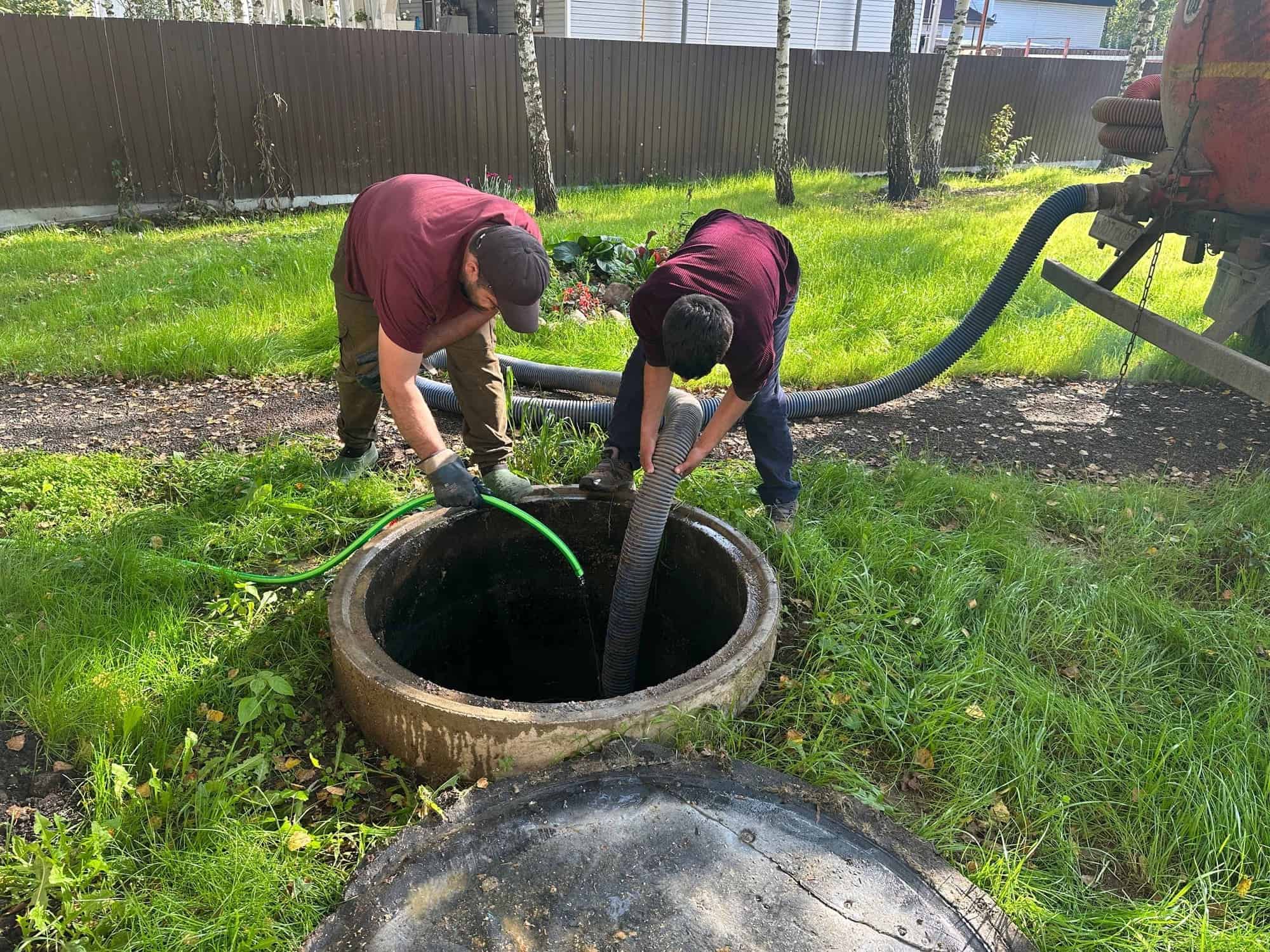
Here’s what most people don’t realize: your septic tank is designed to be pumped every three to five years. Your cesspool might need it every one to three years depending on household size. But if you’re flushing the wrong things, you could need emergency service every few months. And emergency pumping doesn’t just cost more—it’s a sign that you’re damaging your system faster than it can recover. The solids that should stay in your tank are escaping into your drain field, shortening its lifespan by years or even decades.
On Long Island, the stakes are higher because of soil conditions and regulations. Suffolk County requires documentation of regular pumping for property transfers. If you’re selling your home and can’t prove you’ve maintained your system, you could face delays or requirements for expensive upgrades. And if your system contaminates groundwater, you’re not just facing repair costs—you’re potentially liable for environmental damage.
The Flushable Wipes Myth That's Costing Homeowners Thousands
Let’s address the biggest lie in the septic industry: flushable wipes. They’re marketed as safe for septic systems. The packaging says they break down just like toilet paper. Major brands like Cottonelle, Charmin, and Scott all sell versions labeled “septic-safe” or “flushable.” And they’re all causing massive problems for Long Island homeowners.
Here’s the reality: flushable wipes don’t break down. Not in your pipes, not in your tank, and not in your drain field. Toilet paper is designed to disintegrate almost instantly when it hits water. Drop a square in a glass and it falls apart in seconds. Wipes are designed to stay strong when wet—that’s literally their selling point. They’re made with synthetic fibers or plastic polymers that can take years to break down, if they break down at all.
We see the same thing across Long Island: when we open a tank that’s been backing up, we find feet of compacted wipes clogging the inlet. The wipes form thick mats that prevent liquid from flowing through the system. They hook onto baffles and filters, creating blockages that require manual removal. In some cases, we’ve had to physically enter tanks with shovels to remove the buildup. That’s not a service call you want to pay for.
The cost adds up fast. A routine septic tank pumping on Long Island runs $300 to $600. When wipes are involved, that cost can double or triple because of the extra time and labor required. If the wipes have already migrated into your drain field, you’re looking at potential field failure—a repair that starts at $10,000 and can exceed $25,000. And here’s the kicker: your homeowner’s insurance probably won’t cover it, because it’s considered a maintenance issue, not a sudden accident.
Even the “septic-safe” versions cause problems. Yes, some brands have developed wipes that technically pass industry flushability standards. But those standards test whether wipes clear a toilet and make it through standard sewer pipes. They don’t test what happens in a septic tank over months or years. They don’t account for Long Island’s specific soil conditions or the strain on an aging cesspool system. The wipes might eventually break down, but not before they’ve caused damage.
Plumbing and septic companies have been unanimous in their warnings. Multiple studies and real-world tests show that wipes—even the flushable ones—stay intact far longer than toilet paper. Consumer Reports found that after 10 minutes of agitation, most “flushable” wipes were still largely whole while toilet paper had disintegrated. Municipalities across the country have spent millions removing wipe clogs from sewer systems. And we see wipes as one of the top causes of system backups on a regular basis.
If you’ve been using flushable wipes, don’t panic. Stop using them now, and schedule a septic tank inspection. We can check whether you’ve already got buildup that needs to be addressed. The good news is that if you catch it early, it’s usually just an extra pump-out. Wait too long, and you’re risking serious damage to your drain field. The choice is simple: throw wipes in the trash, not the toilet. Your septic system will last years longer, and you’ll avoid emergency repair bills that could have paid for a decade of regular maintenance.
The Complete List of What Never to Flush Down Your Septic System
Your septic system has one job: process human waste and toilet paper. That’s it. Everything else is a risk. Some items cause immediate clogs. Others kill the beneficial bacteria your system needs. Some contaminate groundwater. And a few do all three. Understanding what belongs in your drains—and what doesn’t—is the difference between a system that lasts 30 years and one that fails in 10.
The rule is simple: if it’s not human waste or toilet paper designed to disintegrate in water, it doesn’t belong in your toilet or drains. But let’s be specific, because some of the worst offenders are things most people flush without a second thought.
Items That Clog Your System Immediately
Some things cause problems the moment they enter your septic system. These are the items that lead to emergency service calls, backed-up toilets, and sewage flooding into your home. If you’ve been flushing any of these, stop immediately.
Feminine hygiene products top the list. Tampons, pads, and applicators are designed to absorb liquid and expand. That’s the opposite of what you want in a septic system. They don’t break down, they don’t compress, and they don’t flow through pipes easily. They create immediate blockages, often in the pipe leading from your house to your tank. When that pipe clogs, sewage backs up into your home. The fix requires a professional with a snake or jetting equipment, and it’s not cheap.
Paper towels and facial tissues seem harmless—they’re paper, after all. But they’re engineered to stay strong when wet. That’s why paper towels can clean up spills without falling apart in your hands. In your septic system, that strength becomes a problem. They don’t disintegrate like toilet paper. They clump together, catch on rough edges in your pipes, and create blockages that grow over time. Even if they make it to your tank, they add to the solid waste that needs to be pumped out, filling your system faster than it should.
Dental floss is small, but it’s surprisingly destructive. It doesn’t break down in water. Instead, it forms long strands that wrap around other debris, creating a net that catches everything else trying to pass through. Over time, these nets grow into dense clogs that block pipes and baffles. We’ve found masses of tangled floss mixed with hair, wipes, and other debris—clogs that require hours of work to clear.
Cotton swabs, cotton balls, and cotton pads all share the same problem: they don’t disintegrate. They absorb water, expand, and then sit in your tank soaking up liquid. This reduces the effective capacity of your tank and forces more frequent pump-outs. Worse, they can clog filters and baffles, preventing proper flow through your system. They’re small enough that people assume they’ll just wash away, but they don’t. They accumulate.
Condoms are made from latex or polyurethane—materials specifically designed not to break down in liquid. They float, they don’t compress, and they can block pipes or wrap around pump impellers if you have a pump system. They’re also non-biodegradable, so they’ll sit in your tank indefinitely until they’re manually removed during pumping.
Diapers might seem too obvious to mention, but people do try to flush them. They’re designed to absorb huge amounts of liquid and swell to several times their original size. Flushing one is asking for an immediate, catastrophic clog. The same goes for baby wipes, which are even worse than “flushable” wipes because they’re not designed to break down at all.
Cat litter—even the kinds marketed as flushable—causes serious problems. Most litter is made from bentonite clay, which clumps when wet. That’s great for scooping a litter box. It’s terrible for your septic system. When cat litter gets wet in your pipes, it forms cement-like clumps that create rock-hard blockages. Even “flushable” litter takes far too long to break down and can clog your system in the meantime. And cat waste itself contains parasites like Toxoplasma that septic systems aren’t designed to filter out, potentially contaminating groundwater.
Cigarette butts contain toxic chemicals and don’t biodegrade. They’re small enough to make it through your pipes, but they accumulate in your tank and add to the solid waste. More importantly, the chemicals they contain can disrupt the bacterial balance in your system and contaminate groundwater when they reach your drain field.
Items That Kill Your System Slowly and Contaminate Groundwater
Some items don’t cause immediate clogs, but they’re even more dangerous because they destroy your system from the inside out. These are the things that kill beneficial bacteria, contaminate soil, and turn a functioning septic system into an environmental hazard.
Grease, fats, and cooking oils are septic system killers. When hot grease goes down your drain, it’s liquid. But as it cools in your pipes, it solidifies. It coats the inside of your pipes, catching other debris and building up over time. In your septic tank, it floats to the top and forms a thick scum layer. If too much accumulates, it can block the outlet baffle and prevent effluent from flowing to your drain field. And if grease makes it to your drain field, it creates a waterproof layer on the soil that prevents absorption. This is one of the leading causes of drain field failure. The fix is expensive, and prevention is simple: pour grease into a container and throw it in the trash.
Chemical drain cleaners are marketed as solutions to clogged drains, but they’re poison to septic systems. Products like Drano or Liquid-Plumber contain harsh chemicals designed to dissolve clogs. Those same chemicals kill the beneficial bacteria in your septic tank—the bacteria that break down waste and keep your system functioning. Without those bacteria, solid waste accumulates faster, your tank fills up quicker, and untreated sewage can flow into your drain field. The chemicals themselves can also corrode pipes over time and contaminate groundwater. If you have a clog, use a plunger, a drain snake, or call a professional. Never pour chemical cleaners down your drains.
Antibacterial soaps and cleaning products have the same problem. They’re designed to kill bacteria—which is great for keeping your kitchen clean, but terrible for your septic tank. The bacteria in your tank are what make the system work. When you regularly flush antibacterial products down your drains, you’re slowly poisoning your own wastewater treatment system. This doesn’t mean you can’t use these products, but be mindful of how much you’re using and consider switching to septic-safe alternatives when possible.
Medications—pills, liquids, or expired prescriptions—don’t belong in your septic system. They can disrupt the bacterial balance in your tank, making it less effective at breaking down waste. More importantly, many medications don’t break down in septic systems and can leach into groundwater, contaminating drinking water supplies. This is especially concerning on Long Island, where the sole-source aquifer is already dealing with contamination issues. Dispose of medications through pharmacy take-back programs or follow FDA guidelines for safe disposal in trash.
Paint, solvents, pesticides, and other household chemicals are hazardous waste. They kill bacteria, contaminate soil and groundwater, and can cause serious damage to your septic system components. Even small amounts can be harmful. These products should never go down any drain—take them to a household hazardous waste collection facility.
Coffee grounds seem harmless, but they don’t break down in your septic system. They’re too fine to be filtered out by your tank, so they flow into your drain field and clog the soil’s pores. Over time, this reduces the drain field’s ability to absorb water, leading to backups and potential field failure. Coffee grounds belong in your trash or compost bin, not your drains.
Food waste in general is problematic for septic systems, which is why garbage disposals are discouraged if you have a septic tank. Even if food makes it through your pipes, it adds to the solid waste in your tank and can overwhelm the bacterial processes. Starchy foods like rice and pasta expand when wet. Fibrous foods like celery and broccoli don’t break down easily. Eggshells and bones don’t break down at all. All of this material accumulates in your tank, requiring more frequent pumping and potentially clogging your drain field. Scrape plates into the trash or start a compost pile instead.
Hair is another slow-building problem. It doesn’t break down in water, and it tangles with other debris to create clogs. A little hair here and there might not seem like a big deal, but over months and years, it accumulates. In your septic tank, it can wrap around baffles and filters. In your drain field, it can clog pipes. Use drain screens in your showers and sinks to catch hair before it enters your system.
The common thread with all these items is that they either disrupt your system’s biological processes or add material that can’t be broken down naturally. Your septic system is a living ecosystem that depends on bacteria to function. Anything that kills those bacteria or introduces non-biodegradable material is shortening your system’s lifespan and increasing your risk of expensive failures.
Protecting Your Long Island Septic System Starts With What You Flush
The difference between a septic system that lasts 30 years and one that fails in 10 comes down to daily choices. Every time you flush something that doesn’t belong, you’re adding stress to a system that’s already working hard in Long Island’s challenging conditions. Sandy soil, high water tables, and strict environmental regulations mean your margin for error is smaller here than in most places.
But here’s the good news: prevention is simple and costs nothing. Throw wipes in the trash. Pour grease in a container. Use septic-safe cleaning products. Scrape plates instead of using a garbage disposal. These small changes add up to thousands of dollars in avoided repairs and decades of extended system life.
Regular septic tank cleaning and maintenance are still essential—most systems need pumping every three to five years. But when you’re mindful about what goes down your drains, those routine services stay routine. You avoid the emergency calls, the sewage backups, and the drain field failures that turn a manageable expense into a financial crisis. If you’re dealing with slow drains, foul odors, or haven’t had your system serviced in years, it’s time to schedule an inspection. We’ve been helping Long Island homeowners protect their systems for nearly two decades, and we’ve seen firsthand how simple changes prevent expensive disasters.