Summary:
Your drains are running slower than usual. There’s an odd smell near the yard that wasn’t there last week. Or maybe you just bought a Long Island home and have no idea when the septic tank was last serviced.
These aren’t problems that fix themselves. Septic systems work quietly until they don’t, and by the time you notice obvious signs, you’re often looking at an expensive situation that could have been prevented.
Regular septic tank pumping isn’t just maintenance. It’s what keeps sewage out of your basement and thousands of dollars in your bank account. Here’s what Suffolk County homeowners actually need to know about keeping their systems running right.
Septic System Maintenance
Your septic system handles everything that goes down your drains, toilets, and washing machine. It’s working every single day, separating solids from liquids and filtering wastewater before it reaches the soil. That process creates sludge that accumulates at the bottom of your tank.
When sludge builds up too much, it doesn’t just sit there. It gets pushed into your drain field, clogging the soil that’s supposed to filter your wastewater. Once that soil clogs, water has nowhere to go except back toward your house. That’s when you get slow drains, gurgling toilets, and eventually sewage backing up into your home.
Regular maintenance means pumping out that sludge before it causes problems. For most Suffolk County homes, that’s every 2-3 years. Your specific timeline depends on household size, water usage, and whether you have a septic tank or an older cesspool system.
Septic System Inspection
Pumping removes waste, but inspection tells you if your system is actually working correctly. A proper septic inspection checks the tank structure for cracks, measures sludge and scum levels, examines inlet and outlet baffles, and looks at your drain field condition.
Suffolk County requires inspections every three years with mandatory reporting for certain systems. This isn’t bureaucracy for its own sake. It’s because Long Island’s drinking water comes entirely from groundwater aquifers, and failing septic systems contaminate that water supply.
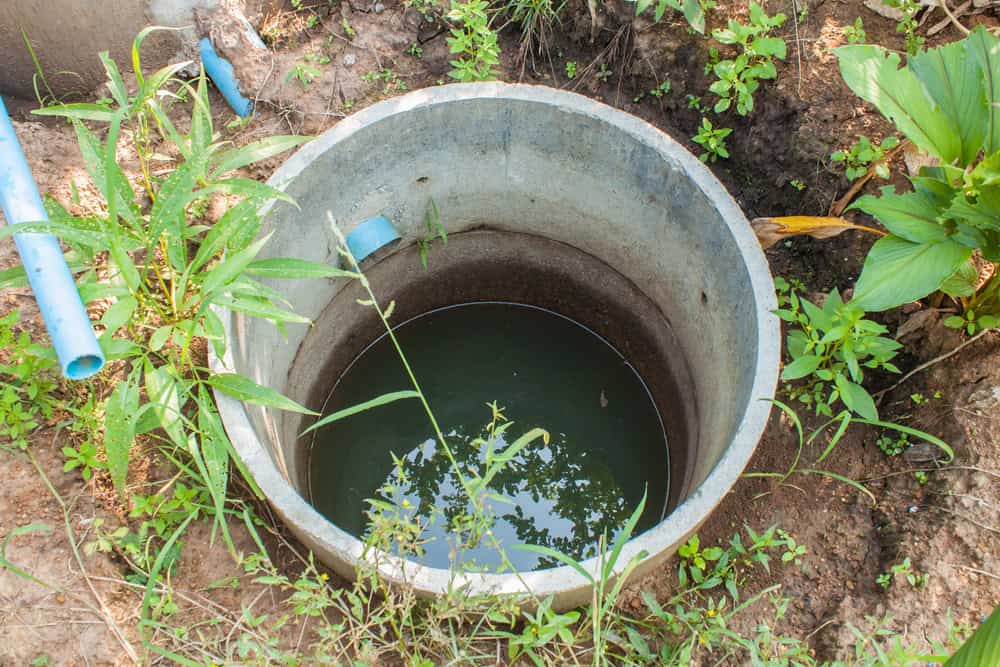
During an inspection, we insert a camera or measuring device to see what’s happening inside your tank. We’re checking if the liquid level is where it should be, if solids are building up too fast, and if there’s any structural damage that needs attention. The water level should match the bottom of the outlet pipe. If it’s higher, you likely have a blockage somewhere in the system.
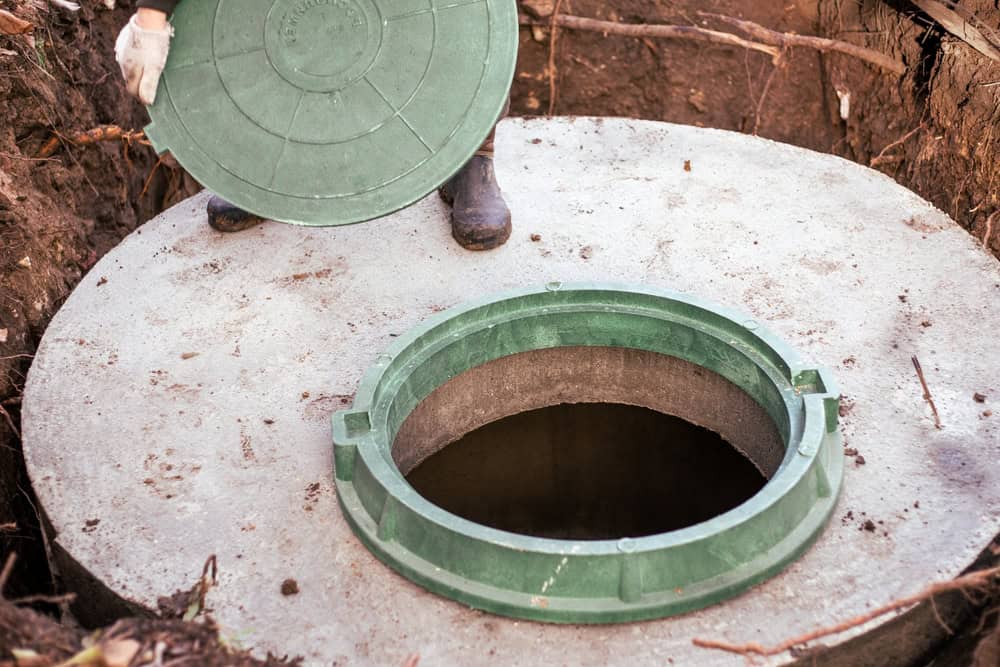
This visual assessment catches problems early. A small crack in your tank might cost a few hundred dollars to repair now. Ignore it, and you’re looking at a complete system replacement that runs $10,000 to $25,000. Finding your tank buried under grass or soil adds time to the process, which is why many homeowners install risers that bring access points closer to ground level.
Camera inspection technology shows exactly what’s causing issues. Is your tank full? Is there a clog in the line between your house and tank? Did tree roots invade your pipes? Each problem has a different solution and different cost. Accurate diagnosis means you’re not guessing or paying for services you don’t need.
Inspections also document your system’s condition for compliance purposes and future reference. If you’re selling your home, having recent inspection records shows buyers the system has been maintained. If you’re applying for county grants to upgrade to a nitrogen-reducing system, inspection documentation is part of the application process.
Septic Maintenance
Maintenance goes beyond just pumping and inspection. It’s about how you use your system every day. What you put down your drains directly affects how often you’ll need service and how long your system lasts.
Garbage disposals increase sludge buildup by up to 50%. All those ground-up food scraps end up in your tank, and they don’t break down as efficiently as human waste and toilet paper. If you use a disposal regularly, subtract a year from whatever pumping schedule you’d normally follow. A family that would typically pump every three years should pump every two years instead.
Water usage matters more than most people realize. Long showers, multiple daily laundry loads, and running the dishwasher constantly all push more volume through your system. The more water flowing in, the faster your tank fills and the sooner you need pumping. High water usage also doesn’t give solids enough time to properly separate and settle.
What you flush makes a difference. Septic systems rely on bacteria to break down waste. Harsh chemicals, paint thinners, and excessive bleach kill those bacteria and disrupt the natural treatment process. “Flushable” wipes don’t actually break down in septic systems despite the marketing claims. They create clogs that can back up your entire system.
Grease and cooking oils should never go down your drains. They solidify in pipes and create blockages that are expensive to clear. Pour grease into a container and throw it in the trash instead. This simple habit prevents problems that cost hundreds of dollars to fix.
Septic additives and chemical treatments aren’t necessary if your system is properly sized and maintained. The bacteria you need are already present in the waste entering your tank. Adding chemicals might actually harm the biological balance your system depends on. Save your money and skip the additives unless we specifically recommend them for a diagnosed problem.
Annual maintenance contracts take the guesswork out of timing. We track when you’re due and reach out to schedule pumping before you have to remember. This proactive approach means you’re never caught off guard by a full tank, and you avoid the premium pricing that comes with emergency service calls.
Price to Pump Septic Tank
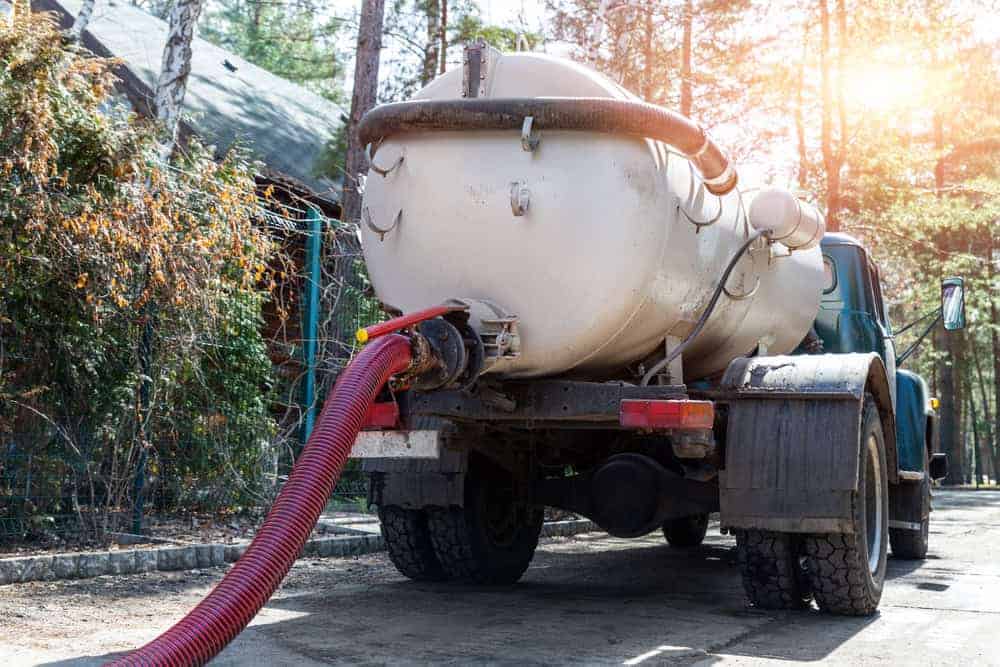
Standard septic tank pumping in Suffolk County runs $225 to $400 for a typical 1,000-gallon tank. Larger 2,000-gallon systems cost $400 to $600. These prices cover pumping out the tank, basic inspection, and proper waste disposal at an approved facility.
Emergency pumping costs three to four times more than scheduled service. That same tank that costs $300 to pump during a regular appointment might cost $1,200 when you call at 2 AM because sewage is backing up into your basement. The premium covers immediate response, after-hours labor, and the urgency of the situation.
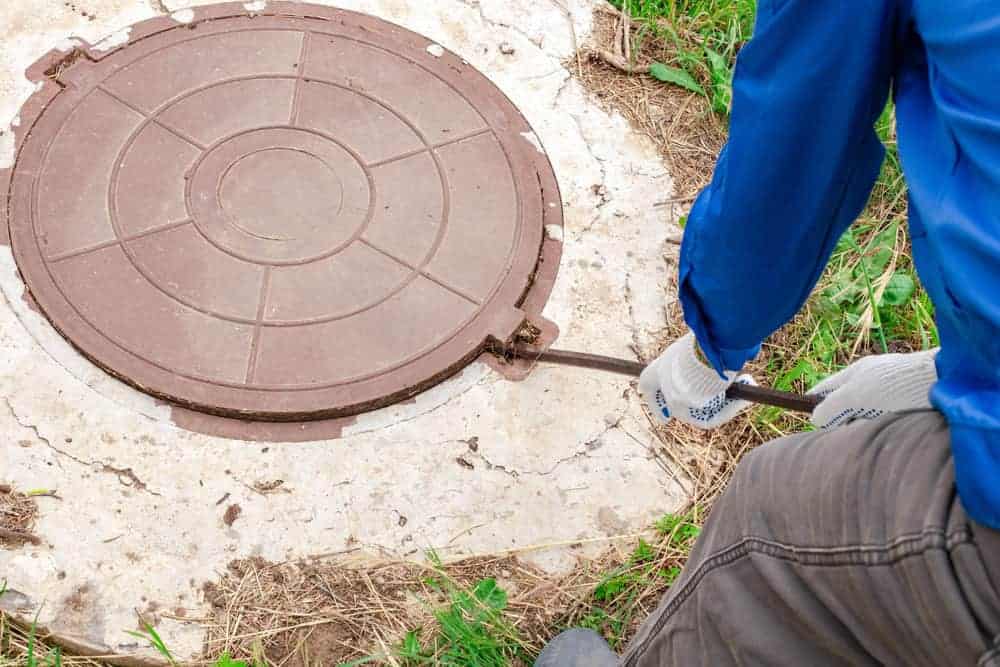
Tank accessibility affects pricing. If your tank is easy to reach with clear access covers, the job goes faster and costs less. Tanks buried under several inches of soil, hidden by landscaping, or located in difficult-to-reach areas require extra time to locate and access. That additional labor adds to your final bill.
Septic System Pumping Cost
Several factors beyond tank size influence what you’ll actually pay. Pumping frequency affects cost over time. If you’re pumping every year because you’re ignoring an underlying drainage problem, you’re spending more annually than someone who addresses the root cause and pumps every three years.
Additional services add to the base pumping price. Camera inspection to diagnose problems runs $150 to $300. Locating a buried tank using electronic equipment costs extra. Jetting to clear clogged lines, repairing damaged baffles, or treating a failing drain field all come with separate charges.
Some companies include basic inspection with pumping. Others charge separately for each service. Understanding what’s included in the quoted price prevents surprise charges when the work is done. Transparent pricing means knowing upfront exactly what you’re paying for.
The real cost comparison isn’t just pumping versus emergency service. It’s regular maintenance versus system failure. Pumping every 2-3 years costs $250 to $500. Neglecting maintenance leads to system failure that costs $5,000 to $15,000 for major repairs or $10,000 to $25,000 for complete system replacement.
Long Island’s regulatory environment adds another cost consideration. If your cesspool fails, you can’t replace it with another cesspool. Suffolk County banned new cesspool installations in 2019. You must upgrade to a compliant septic system that meets current environmental standards. That upgrade costs significantly more than a simple cesspool replacement would have cost.
Grant programs help offset upgrade costs. Suffolk County offers up to $10,000 for qualifying replacements. Nassau County provides up to $20,000 for nitrogen-reducing systems. Southampton, East Hampton, and Shelter Island offer additional Community Preservation Funds. These aren’t loans you pay back. They’re grants designed to encourage upgrades that protect Long Island’s water supply.
The catch is timing and paperwork. Grant applications take weeks to process, and you need specific documentation about your current system. If you’re dealing with an emergency failure, you might not have time to wait for funding approval. Planning ahead and applying for grants before your system fails gives you access to money that dramatically reduces your out-of-pocket costs.
Average Cost to Pump Septic Tank
Average costs in Suffolk County reflect the local market and unique Long Island conditions. Most homeowners pay between $300 and $500 for routine pumping every 2-3 years. That breaks down to roughly $100 to $250 per year when you spread the cost over time.
Compare that to emergency scenarios. Sewage backing up into your basement requires immediate pumping plus cleanup and potential property damage repair. The pumping alone might cost $1,200 to $2,400 for emergency service. Sewage cleanup and sanitization add another $2,000 to $8,000 depending on how much contamination occurred and what materials need to be removed or replaced.
System replacement costs dwarf maintenance expenses. Traditional septic system installation runs $10,000 to $25,000. Advanced nitrogen-reducing systems required for new installations in Suffolk County cost $20,000 to $40,000. Regular pumping at $300 every three years means spending $3,000 over 30 years. One system replacement costs more than a lifetime of proper maintenance.
Hidden costs emerge when maintenance is neglected. Property value decreases if your system isn’t functioning properly or if you’re facing mandatory upgrades during a sale. Failed systems create health hazards that can result in fines from the county. Environmental contamination from a failing system might make you liable for soil remediation costs.
The smartest financial approach is budgeting for regular maintenance rather than hoping your system lasts forever. Setting aside $150 to $200 annually covers most pumping costs and gives you flexibility to address minor issues before they become major problems. This proactive budgeting prevents the financial shock of unexpected emergency repairs.
Documented maintenance actually increases home value. When you sell your Long Island property, buyers want to know the septic system has been properly maintained. Having records of regular pumping, inspections, and any repairs shows responsible ownership and gives buyers confidence they’re not inheriting a problem.
Local Septic Service
Your septic system isn’t something you should think about every day. But it should be something you plan for every few years. Regular pumping prevents the emergencies that disrupt your life and drain your bank account.
Suffolk County’s unique conditions make local expertise essential. Sandy soil, high water tables, and strict environmental regulations mean generic advice from national websites doesn’t always apply to your specific situation. Working with a company that understands Long Island soil, knows county requirements, and has experience with both aging cesspools and modern septic systems gives you service that actually matches your needs.
If your drains are slowing down, if you’re noticing odors, or if you simply can’t remember the last time your tank was pumped, now is the time to schedule service. We’ve been serving Suffolk County homes for almost two decades, offering transparent pricing, 24/7 emergency response, and the camera inspection technology that diagnoses problems accurately the first time.