Summary:
You just got three quotes for septic installation. One’s $8,000. Another’s $18,000. The third is $23,000—and all three contractors insist they’re giving you the right system for your property.
Welcome to the most confusing purchase most Suffolk County homeowners ever make. The price spread isn’t random, and you’re not being taken advantage of (probably). Your soil, your property layout, and Suffolk County’s nitrogen-reducing requirements all push costs in different directions. Some of those factors you can control. Most you can’t. But understanding what actually drives septic tank installation cost helps you make a confident decision instead of just picking the middle quote and hoping for the best.
What Does Septic System Installation Actually Cost in 2026?
The national average for septic system installation sits between $3,600 and $12,485. That’s the number you’ll find on most cost guides, and it’s technically accurate for basic conventional systems on properties with cooperative soil and straightforward access.
Suffolk County costs run higher. You’re looking at $10,000 to $25,000 for most residential installations here, and that’s not contractors padding bills. Long Island’s soil conditions, higher labor rates, and nitrogen-reducing system requirements all push costs up compared to rural areas with simpler regulations. If someone quotes you $5,000 for a complete new installation in Suffolk County, you should ask what they’re leaving out—because that number doesn’t cover a system that meets current health department standards.
Labor makes up 50-70% of your total cost. The tank itself—whether concrete, plastic, or fiberglass—only runs $500 to $2,500 depending on size and material. Everything else is the work of getting it in the ground correctly, connecting it to your home, installing the drain field, and making sure it all passes inspection.
Cost to Install Septic Tank and Leach Field: The Two Biggest Line Items
Your septic tank and leach field (also called a drain field) represent the two major components of any system, and they’re priced separately for good reason.
The tank collects and begins treating your household wastewater. Size matters here. A standard 1,000-gallon concrete tank for a three-bedroom home costs $900 to $1,500 for just the tank. Plastic tanks run $500 to $2,000. Fiberglass tanks land between $1,200 and $2,000. Larger homes need bigger tanks—4-bedroom homes require 1,250-gallon tanks, and 5+ bedrooms need 1,500 gallons or more. Suffolk County sizes tanks based on bedroom count, not bathroom count, because bedrooms indicate how many people live in the home and therefore how much wastewater the system needs to handle.
The leach field is where your system actually treats and disperses wastewater back into the soil. This is the expensive part. Drain field installation costs $5,000 to $12,000 depending on size, soil conditions, and whether you need a conventional gravity-fed field or something more complex. The field consists of perforated pipes buried in gravel-filled trenches that allow treated water to seep into surrounding soil. Your soil’s absorption rate determines how large this field needs to be and whether a basic design will work or if you need engineered alternatives.
Here’s where costs jump: if your soil doesn’t absorb water well (clay-heavy soil is common in parts of Long Island), you might need a mound system where the drain field is built above ground level. Mound systems cost $10,000 to $20,000 just for the drain field because they require importing sand and building an elevated filtration system. Properties with high water tables face the same issue—you can’t put a conventional drain field where it’ll be underwater half the year.
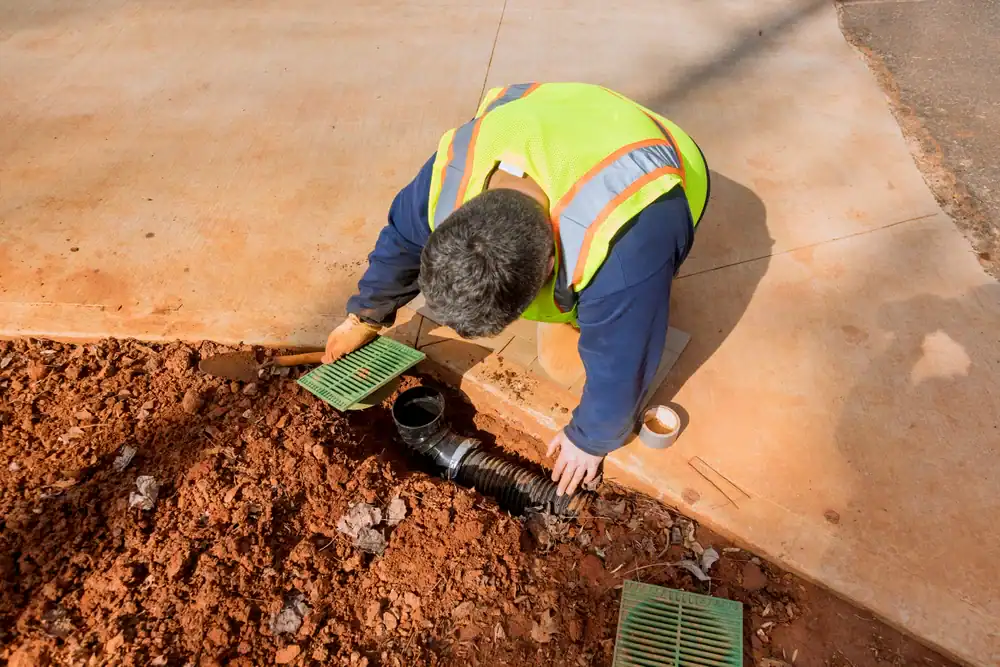
Excavation adds another $1,500 to $6,300 to your total depending on how much digging your property requires. Easy access, level ground, and no obstacles mean lower excavation costs. Rocky soil, steep slopes, mature trees in the way, or limited equipment access all increase the time and difficulty of digging, which increases your bill. Some Suffolk County properties need excavators to remove old cesspools before installing new septic systems, which adds removal and disposal fees on top of installation costs.
Permits and testing aren’t optional. Suffolk County requires permits for all new septic installations, which cost $300 to $650 for residential systems. You’ll also need a percolation test (perc test) to measure how quickly your soil absorbs water—that runs $700 to $2,000. Some properties need a land survey to verify property lines and ensure your system placement meets setback requirements from wells, property boundaries, and buildings. Surveys cost $330 to $900. Engineering fees for system design add another $1,500 to $3,000 for properties that need custom solutions rather than standard installations.
When you add up tank, drain field, excavation , permits, testing, and labor, you see why $10,000 to $25,000 is the realistic range for Suffolk County installations. The properties on the lower end have good soil, easy access, and qualify for conventional systems. The properties on the higher end face challenging conditions or require advanced treatment systems to meet nitrogen-reduction mandates.
Septic Installation: What Suffolk County's Nitrogen-Reducing Requirements Mean for Your Cost
Suffolk County changed the game in 2019 and 2021 with regulations that directly affect what you’ll pay for septic installation.
On July 1, 2019, Suffolk County banned new cesspool installations. Cesspools—the simpler, older waste collection pits that many Long Island properties still use—do virtually nothing to reduce nitrogen pollution. With nitrogen levels in Long Island’s drinking water higher than 95% of the country and 252,000 cesspool-only systems still operating, the county decided enough was enough.
Then on July 1, 2021, Suffolk County went further. New construction, major reconstruction projects (where repair costs exceed 50% of your home’s market value), and projects adding bedrooms that push your total above five now require I/A OWTS—Innovative and Alternative Onsite Wastewater Treatment Systems. These nitrogen-reducing systems use advanced technology like aerobic digestion, media filtration, or other approved methods to remove up to 70-90% of nitrogen from wastewater before it reaches groundwater.
This matters to your wallet because I/A OWTS systems cost significantly more than conventional septic systems. Where a basic anaerobic system might run $5,000 to $12,000, an aerobic or nitrogen-reducing system costs $15,000 to $25,000. The higher price reflects additional components—pumps, aerators, control panels, and more sophisticated treatment processes. These systems also require ongoing maintenance contracts with quarterly inspections, adding $200 to $400 annually to your operating costs.
Not every replacement triggers the nitrogen-reducing requirement. If you’re simply replacing a failing system on an existing home without adding bedrooms or doing major reconstruction, you might qualify for a conventional system under current regulations. But if your project involves new construction, substantial renovation, or expanding your home’s capacity, you’ll need to budget for the advanced system.
Here’s the important part: Suffolk County offers grants specifically to help homeowners afford these nitrogen-reducing systems. The Septic Improvement Program provides a $10,000 base grant, with potential for an additional $10,000 if you install a pressurized shallow drain field system or qualify based on income. Nassau County offers up to $20,000 through their SEPTIC program. The state’s Septic System Replacement Fund adds another $10,000 for eligible projects. When you stack these programs, some homeowners receive $30,000 or more in grant funding—often covering the entire cost of their nitrogen-reducing system.
The catch is timing and paperwork. Grant applications take weeks to process, and you need specific documentation about your current system, property ownership, and compliance with local requirements. If you’re dealing with an emergency failure, you might not have time to wait for funding approval. But if you’re planning ahead—say you know your 30-year-old cesspool is nearing the end of its life—applying for grants before you face an emergency can make the difference between an affordable upgrade and a financial crisis.
We help Suffolk County homeowners navigate this grant application process and understand which system type their specific project requires. Four generations of Long Island experience means we know exactly which projects trigger nitrogen-reducing requirements and how to access available funding before you’re facing emergency pricing with no options.
Aerobic Septic System Cost vs. Anaerobic: Understanding Your Options
The biggest cost difference in septic systems comes down to whether bacteria in your tank need oxygen to break down waste. That distinction—aerobic versus anaerobic—determines not just your installation cost but your ongoing maintenance expenses for the next 20-30 years.
Anaerobic systems are the conventional septic tanks most people picture. Waste flows from your home into a sealed tank where bacteria that don’t need oxygen slowly break down solids. Liquid waste then flows into the drain field for final treatment in the soil. These systems cost $3,000 to $8,000 to install, require no electricity to operate, and need pumping every 3-5 years. They’re simple, reliable, and have been used successfully for decades. The downside is they require more space for the drain field and provide less thorough wastewater treatment than aerobic systems.
Aerobic systems pump oxygen into the treatment tank, creating an environment where oxygen-loving bacteria can break down waste 5-10 times faster and more completely than anaerobic bacteria. This more thorough treatment means cleaner effluent and smaller drain fields. Aerobic systems cost $10,000 to $20,000 to install—about double or triple the cost of anaerobic systems. They require electricity to run the aerator pump, adding $5 to $15 monthly to your electric bill. They also need more frequent professional maintenance—typically quarterly inspections rather than annual or biannual check-ups.
Septic Tank Cost Factors: Material, Size, and Access
Three factors determine what you’ll pay for the tank itself: what it’s made of, how big it needs to be, and how hard it is to get into the ground.
Material affects both price and lifespan. Concrete tanks are the most common in Suffolk County. They cost $700 to $2,000 and last 40+ years with proper maintenance. They’re heavy—4,000 to 8,000 pounds—which means you need a crane to place them, but that weight also means they won’t shift or float if groundwater rises. Plastic (polyethylene) tanks cost $500 to $2,000 and weigh much less, making installation easier. They last 20-30 years and won’t crack from freezing, but they can be damaged during installation if not handled carefully. Fiberglass tanks run $1,200 to $2,000, last 20-30 years, and resist cracking and rust. They’re lightweight like plastic but more durable. Steel tanks used to be common but are rarely installed now because they rust and typically only last 20-25 years.
Size follows Suffolk County’s standards based on bedroom count. A 750-1,000 gallon tank works for 1-2 bedroom homes. Three-bedroom homes (the most common configuration) need 1,000-gallon tanks. Four-bedroom homes require 1,250 gallons. Five or more bedrooms need 1,500+ gallon tanks. Larger tanks cost more—not just for the tank itself but for the bigger hole you need to dig and the larger drain field required to handle the increased wastewater volume.
Access determines how much your installation labor costs. If your septic location is in an open area of your yard with clear access for trucks and excavators, installation goes quickly. If the tank needs to go under a deck, behind your house where there’s only a narrow path, or in an area requiring removal of mature trees or landscaping, labor costs increase substantially. Some Suffolk County properties have the septic system under driveways or patios, which means breaking and repairing concrete on top of the actual septic work.
Property conditions you can’t control also affect cost. Rocky soil requires more excavation time and potentially specialized equipment. High water tables mean you might need to pump water out of the hole while installing the tank. Bedrock close to the surface might force you to use a smaller tank with more frequent pumping or pay for rock removal. Clay soil that doesn’t drain well might require engineered drain field solutions that cost thousands more than conventional designs.
This is why three contractors give you three different prices—they’re each assessing your property’s specific challenges and quoting based on what they think it’ll take to install a system that works reliably and passes inspection. The lowest bid might be from someone who’s underestimating the work required or planning to cut corners. The highest bid might be from someone padding their numbers or assuming worst-case scenarios. The middle bid might be the most accurate—or it might not be. Understanding what drives your specific cost helps you ask the right questions instead of just picking a number and hoping.
Cost of Installing New Septic System: Hidden Expenses to Budget For
The quote you get for septic installation should include the major components, but several expenses catch homeowners off guard if they’re not spelled out clearly upfront.
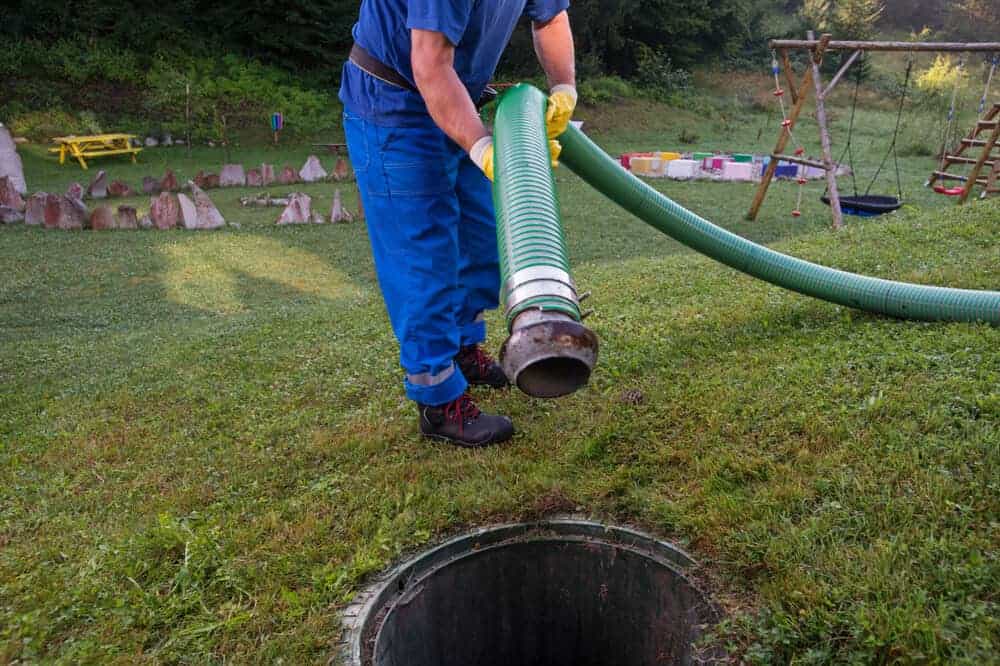
Old system removal and disposal isn’t always included in installation quotes. If you’re replacing a failed cesspool or septic system, someone needs to pump out the old tank, excavate it, and dispose of it properly according to environmental regulations. Old septic tank removal costs $45 to $200 per hour depending on the size and condition of the system. Some contractors include this in their installation quote. Others charge it separately. Make sure you know which approach your quote reflects.
Landscaping restoration can add hundreds to several thousand dollars depending on how much of your yard gets torn up during installation. Excavators will dig trenches for your drain field, create a large hole for your tank, and potentially drive heavy equipment across your lawn. Most contractors will backfill and grade the area, but replanting grass, replacing damaged plants, or repairing hardscaping often falls to you. Some homeowners budget $500 to $2,000 for post-installation landscaping to restore their property to its previous condition.
Utility connections or relocations sometimes become necessary during septic installation. If your water line, electrical service, or other utilities run through the area where your new system needs to go, you’ll pay to relocate them. This is rare but expensive when it happens—potentially adding $1,000 to $5,000 to your project depending on which utilities are affected and how far they need to move.
Driveway or patio removal and replacement applies if your septic system is located under paved surfaces. Breaking up concrete or asphalt, installing the system, and then repaving costs significantly more than working in open yard space. Budget an additional $2,000 to $8,000 for concrete work depending on the area affected.
Maintenance contracts are required for aerobic and I/A OWTS systems in Suffolk County. These aren’t one-time installation costs but ongoing expenses you’ll pay for the life of your system. Quarterly inspections and maintenance typically run $200 to $400 annually. Some contractors include the first year or two of maintenance in their installation price. Others charge separately from day one. Factor this into your long-term cost comparison when deciding between system types.
Financing costs matter if you’re not paying cash. Some homeowners use home equity loans, personal loans, or contractor financing to cover septic installation. Interest on a $15,000 loan at 7% over five years adds about $2,800 to your total cost. Grant programs that cover part or all of your installation eliminate this expense, which is another reason to explore available funding before committing to a loan.
The most expensive hidden cost is doing it wrong the first time. Cutting corners with an unlicensed installer, skipping required permits, or installing a system that doesn’t meet Suffolk County standards might save money initially but costs far more when the health department requires you to rip it out and start over. Professional installation by licensed contractors who know local requirements costs more upfront but protects you from the nightmare scenario of paying twice for the same system.
Septic System Replacement Cost: When Repair Isn't Enough
Replacing an existing septic system costs $10,000 to $25,000 in Suffolk County—sometimes less than new installation, sometimes more, depending on what needs to happen with your old system.
The “50% rule” helps determine whether repair or replacement makes financial sense. If fixing your current system costs more than 50% of what a new system would cost, replacement usually makes more sense long-term. A $4,000 repair on a system that’s already 25 years old and approaching the end of its useful life might buy you another 3-5 years. A $12,000 replacement gives you a brand new system with 20-30 years of life ahead and compliance with current Suffolk County standards.