Summary:
You probably don’t think about your septic system until something goes wrong. And by then, you’re dealing with slow drains, foul smells, or worse—sewage backing up into your home. The truth is, most septic problems are completely preventable with one simple task: regular pumping.
But how often is “regular”? What actually happens during pumping? And how do you know if you’re being told the truth about when your tank really needs service? This guide answers those questions with straight talk, no fluff, and the kind of detail that helps you make confident decisions about your system.
Why Septic Pumping Matters More Than You Think
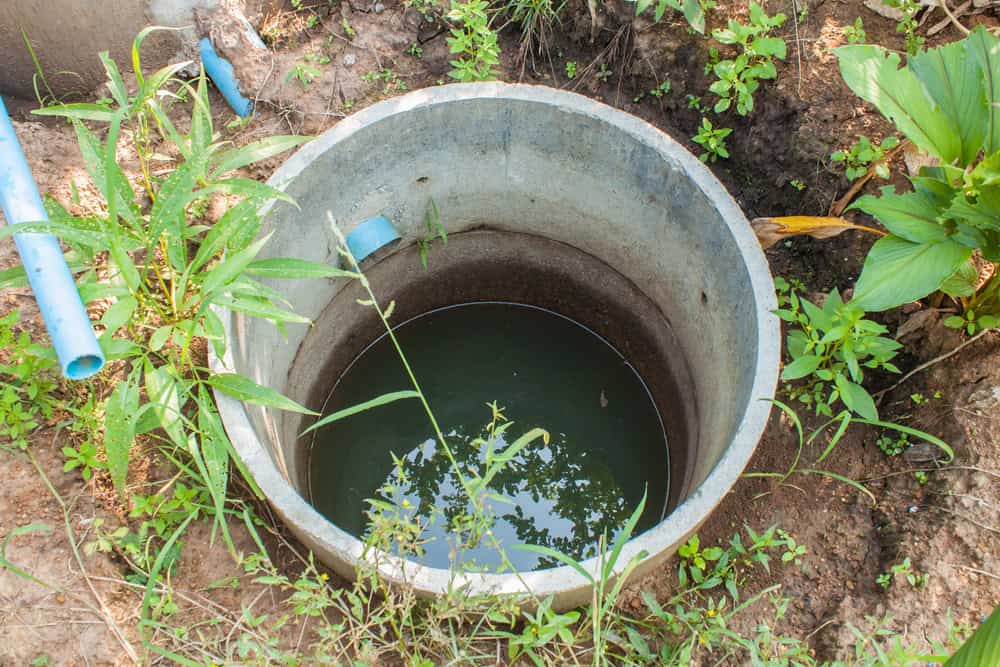
Your septic tank does one job: separate solids from liquids so wastewater can flow safely into your drain field. Over time, solid waste accumulates at the bottom as sludge, and lighter materials float to the top as scum. The liquid in between exits the tank and gets filtered through your drain field.
When you skip pumping, those solid layers keep building. Eventually, they take up so much space that solids start escaping into your drain field. Once that happens, you’re not just looking at a pumping bill—you’re looking at drain field failure, which can cost anywhere from $10,000 to $30,000 to replace.
Regular pumping removes the sludge and scum before they cause problems. It’s preventive care that keeps your system running the way it’s supposed to, protects your property value, and saves you from emergencies that always seem to happen at the worst possible time.
How Often Should You Pump Your Septic Tank
There’s no one-size-fits-all answer, but most Suffolk County homes need septic pumping every two to three years. That’s more frequent than the national average of three to five years, and it’s because of Long Island’s unique conditions—sandy soil, high water tables, and the prevalence of older cesspool systems that need more attention.
Your household size makes the biggest difference. A family of four with a standard 1,000-gallon tank typically needs service every two and a half to three years. Smaller households might stretch it to four years. Larger families or homes with heavy water use might need annual pumping.
Tank size matters too. If you have a 1,500-gallon tank, you’ve got more capacity before solids reach critical levels. But if you’re working with a 750-gallon system, you’ll hit that threshold faster. Most homes in Suffolk County were built with tanks sized to the number of bedrooms—roughly 1,000 gallons for a three-bedroom home, with an extra 250 gallons per additional bedroom.
Water usage also plays a role. Long showers, frequent laundry loads, and running the dishwasher daily all increase the volume flowing through your system. The more water you use, the faster your tank fills up. And if you have a garbage disposal, you’re adding about 50% more solids to your tank, which means more frequent pumping.
The most reliable way to know when your tank needs service is to have a professional check the sludge and scum levels. Your tank should be pumped when the sludge layer reaches within 12 inches of the outlet pipe, or when the scum layer is within 6 inches of it. A good septic company will measure these levels during service and give you a realistic timeline for your next pumping based on your actual usage patterns.
What Happens During Septic Tank Pumping
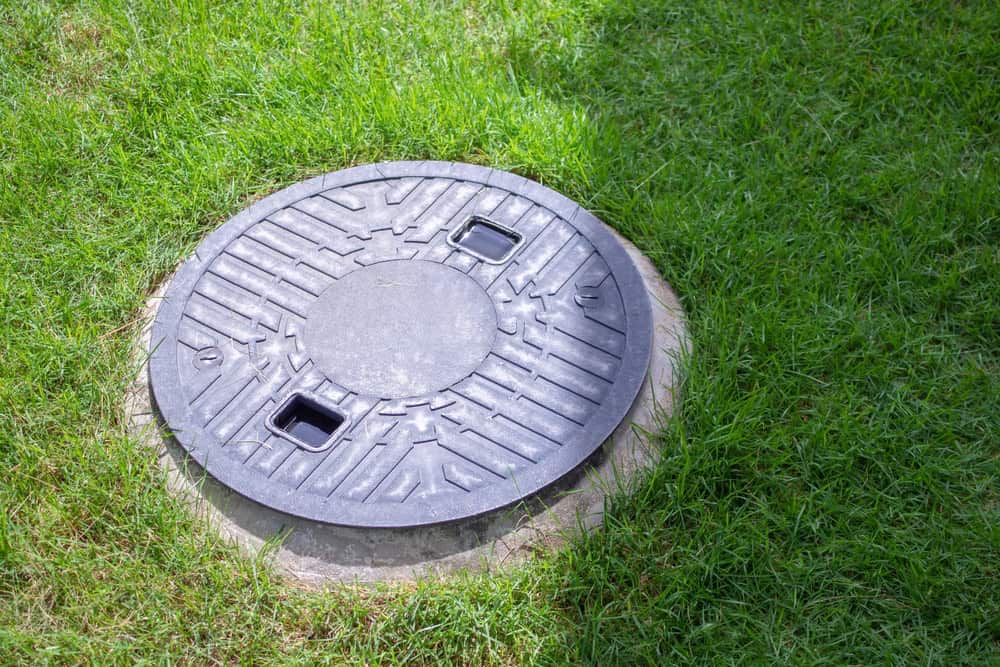
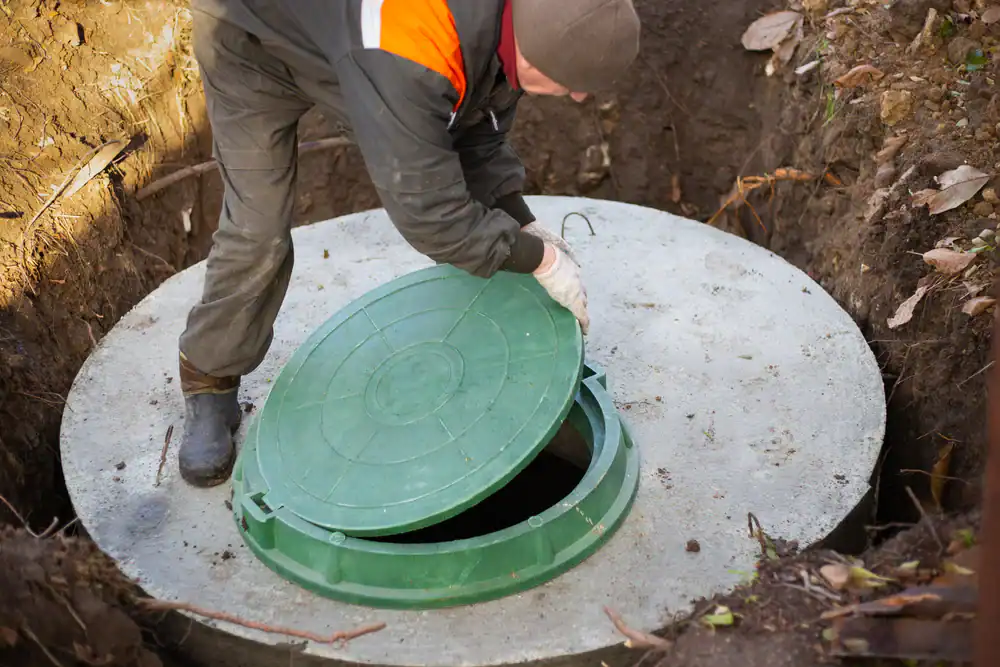
Understanding the process takes away some of the mystery—and helps you know if you’re getting quality service. When a septic technician arrives, the first step is locating and accessing your tank. If you don’t have a riser installed, that means digging down to uncover the lid. Depending on how deep your tank is buried, this can take anywhere from a few minutes to half an hour.
Once the lid is off, the technician will visually inspect the tank’s interior before starting the pump. They’re looking at the sludge and scum levels to confirm pumping is actually needed, and checking for any obvious problems like cracks in the tank or damage to the baffles.
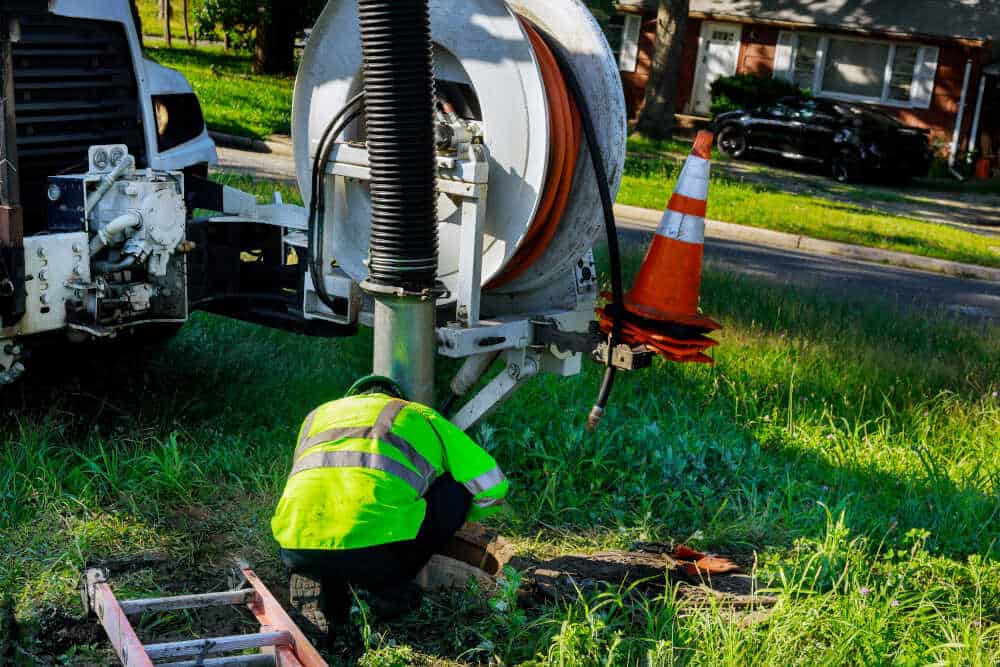
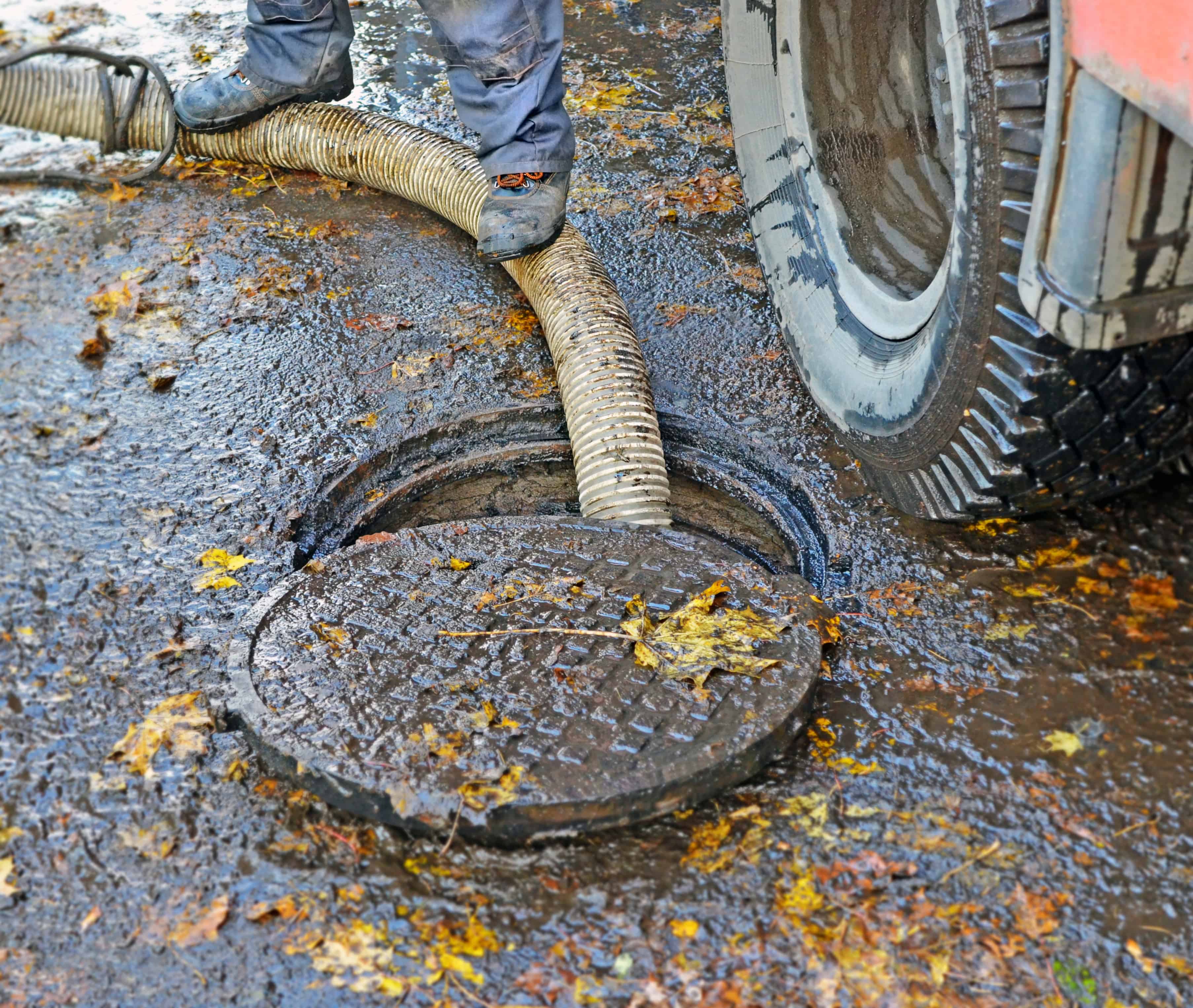
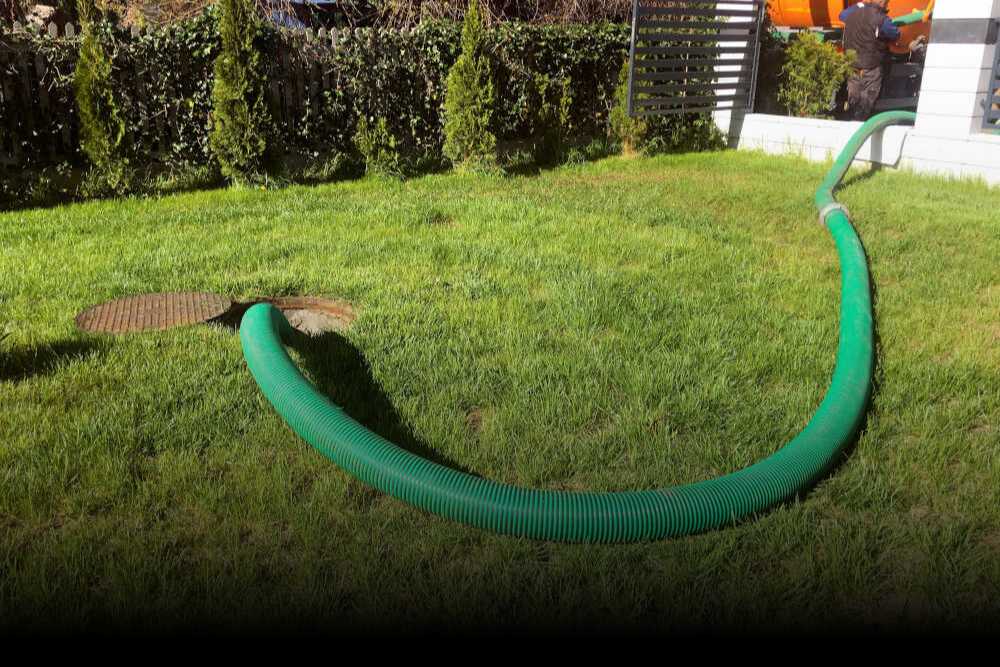
The pumping itself involves inserting a large vacuum hose into the tank. This removes the liquid waste, sludge, and scum—everything except what’s settled at the very bottom in a thin layer. The entire pumping process typically takes between 20 and 60 minutes, depending on your tank size and how full it is.
During pumping, a good technician will also inspect your inlet and outlet baffles. These T-shaped pipes control how wastewater flows through the tank. The inlet baffle directs incoming waste downward to prevent it from disturbing settled sludge. The outlet baffle blocks floating scum and solids from escaping to your drain field. If these baffles are damaged or missing, solids will flow directly into your drain field and clog it—a problem that leads to expensive repairs.
After pumping, the technician should note any issues they found and give you a realistic recommendation for your next service. If they’re pushing for annual pumping when your tank is barely a third full, that’s a red flag. A trustworthy company will tell you the truth about what your system actually needs.
Warning Signs Your Septic Tank Needs Pumping
Your septic system will tell you when it’s reaching capacity—you just need to know what to look for. Catching these signs early means you can schedule service on your terms instead of dealing with an emergency on a Sunday night.
Slow drains throughout your house are often the first indicator. If water is taking longer than usual to drain from sinks, showers, or tubs—and it’s happening in multiple fixtures, not just one—your tank is likely getting full. This is different from a simple clog in one drain. When your whole system is draining slowly, it’s because there’s nowhere for the water to go.
Foul odors are hard to miss. If you’re smelling sewage near your drains, toilets, or outside around your tank or drain field, that’s a clear sign something’s wrong. As your tank fills up, gases produced by decomposing waste have nowhere to go and start seeping out. Don’t ignore this—it’s your system’s way of telling you it needs attention now.
Physical Signs in Your Yard
Standing water or soggy spots in your yard—especially over your tank or drain field area—mean your system is overflowing. In Suffolk County, where we deal with sandy soil and seasonal water table changes, this can happen when your tank is too full to function properly. The wastewater has nowhere to go, so it’s surfacing in your yard.
You might also notice unusually lush, bright green grass over your septic area, even during dry weather. That’s because the grass is getting “fertilized” by nutrients leaking from an overfull tank. While a green lawn sounds nice, this particular shade of green is a warning sign you can’t afford to ignore.
Gurgling sounds from your plumbing fixtures are another telltale indicator. When you flush a toilet or run water down a drain and hear gurgling or bubbling noises, it means air is trapped in your lines because wastewater isn’t flowing properly. This often happens when your tank is nearing capacity.
The most serious warning sign is sewage backing up into your home. If you see wastewater coming up through drains, toilets, or floor drains, your tank has exceeded capacity and you need emergency service immediately. This isn’t just unpleasant—it’s a health hazard that exposes your family to harmful bacteria and can cause significant property damage.
Don’t wait for multiple warning signs to appear before calling for service. Acting on the first indicator saves money and prevents the kind of messy emergencies that disrupt your life and cost far more to fix than routine pumping.
Just Had Your Septic Tank Pumped and It's Full Again?
This is one of the most common questions homeowners have, and it causes a lot of unnecessary panic. Here’s what you need to understand: your septic tank is supposed to be full. That’s how it works.
When we say “full,” we’re talking about the normal operating level—usually about 8 to 12 inches from the top of the tank. After pumping, your tank will fill back to this level within a few days to a week, depending on your household’s water usage. That’s completely normal. The pumping service removed the sludge and scum buildup, not all the liquid.
If you can see the outlet pipe when you look into your tank, your water level is probably right where it should be. The problem only exists if the water level is above the outlet pipe—that means your tank is overfilled, and something else is going on.
Common causes of an actually overfilled tank include drain field problems, excessive water usage, or a clogged outlet baffle or effluent filter. If your drain field is saturated—which can happen after heavy rain in Suffolk County, NY—it can’t absorb the wastewater leaving your tank. That causes backup. Similarly, if you’re using way more water than normal (house full of guests, multiple loads of laundry in one day), you can temporarily overwhelm your system.
A clogged outlet baffle or filter can also make it seem like your tank is full when really you just have a blockage preventing proper flow. This is usually a quick fix that doesn’t require another full pumping.
If you just had your tank pumped and you’re seeing actual signs of a problem—sewage backing up, standing water in your yard, or water levels well above the outlet pipe—call a professional to diagnose the issue. It’s likely not a pumping problem, but rather a drain field issue or a clog that needs to be addressed separately.
Protecting Your System Starts with the Right Schedule
Septic pumping isn’t complicated, but it is essential. Most Suffolk County homeowners need service every two to three years, though your specific timeline depends on household size, tank capacity, and water usage. The key is staying ahead of problems instead of reacting to them.
Watch for warning signs like slow drains, foul odors, or standing water in your yard. Don’t wait until you’re dealing with a backup to schedule service. And if you can’t remember the last time your tank was pumped, now’s the time to take care of it.
We’ve been helping Long Island homeowners maintain their septic systems for nearly two decades. If you’re due for pumping or you’re seeing signs your system needs attention, reach out and we’ll make sure your system gets the care it needs.