Summary:
Your septic tank doesn’t ask for much attention. Until suddenly it demands all of it.
By then, you’re dealing with backups, odors, or standing water in places water shouldn’t be. The difference between a system that runs smoothly for decades and one that fails expensively often comes down to understanding what professional septic tank cleaning services actually do and when you need them.
If you’re in Suffolk County, NY, your system faces challenges that homeowners in other regions don’t deal with. Long Island’s sandy soil and high water table mean your septic works harder and needs more frequent attention than generic maintenance schedules suggest. This guide walks you through what septic tank cleaning services involve, how to know when it’s time, and what makes the process different here on Long Island.
What Professional Septic Tank Cleaning Services Include
Professional septic tank cleaning services go beyond just pumping out waste. A complete service involves inspection, pumping, cleaning, and documentation that protects your system and your property value.
When our technicians arrive, we locate your tank, remove the access cover, and inspect the interior condition. We measure sludge and scum levels to determine if pumping is necessary and check baffles, filters, and structural integrity. This inspection catches small problems before they become expensive failures.
The actual cleaning process removes all contents from the tank, not just liquids. Proper technique involves pumping and backflushing between the truck and tank multiple times to break up accumulated solids. This thoroughness matters because partial cleaning leaves material that can clog your drain field and cause system failure.
How Often to Schedule a Septic Clean Out
The standard answer of every three to five years doesn’t account for what’s actually happening in your home or under your property. Your septic clean out schedule depends on tank size, household size, water usage, and local soil conditions that vary dramatically across Long Island.
A family of four with a 1,000-gallon tank typically needs service every one to two years. Single-person households with the same tank might stretch to three or four years. But here in Suffolk County, NY, those timelines compress because of how quickly our sandy soil processes wastewater.
Long Island’s porous soil drains liquids faster than clay-heavy soils in other regions. That sounds beneficial until you realize it means less time for natural filtration and more stress on your system. Solids can escape your tank and reach the drain field faster here than elsewhere. That’s why we recommend pumping every two to three years instead of the generic three to five year schedule you’ll find in national guidelines.
Your household habits also affect frequency. If you use a garbage disposal, run multiple loads of laundry daily, or have water-intensive appliances, you’re adding more solids to your tank. More solids mean more frequent pumping to prevent overflow into your drain field.
The only way to know your specific needs is through professional inspection. We measure your sludge and scum levels and recommend pumping when the bottom of the scum layer sits within six inches of the outlet or when the sludge layer reaches within twelve inches. These measurements, not arbitrary timelines, determine when your tank actually needs service.
Waiting too long between cleanings doesn’t save money. It costs more. When solids overflow into your drain field, you’re looking at repairs that run $7,000 or more compared to a few hundred dollars for routine pumping. Suffolk County’s inspection requirements exist because regular maintenance prevents the expensive failures that affect property values and drinking water quality throughout Long Island.
Warning Signs You Need Septic Tank Cleaning Services Now
Your septic system communicates problems long before complete failure, but you need to recognize what it’s telling you. Slow drains across multiple fixtures signal that your tank is reaching capacity. When water takes longer than usual to drain from sinks, showers, and tubs throughout your home, it’s not a coincidence. It’s your system warning you.
Gurgling sounds from toilets or drains indicate trapped air in your system. As the tank fills, wastewater has nowhere to go and creates air pockets that produce these noises. If you hear gurgling when you flush or run water, your system is struggling to process what you’re sending down the drains.
Odors near your septic tank area, in your yard, or coming from drains mean gases are escaping because your tank is too full. Septic systems are designed to contain these smells. When you notice them, it’s because the normal venting process isn’t working properly due to high waste levels.
Standing water or soggy patches over your tank or drain field area, even during dry weather, suggest your system is overflowing. This isn’t just an aesthetic problem. Untreated wastewater surfacing in your yard poses serious health risks and indicates your drain field may be failing.
Unusually lush or green grass over your septic area can seem positive until you realize it’s being fertilized by leaking wastewater. While a healthy lawn is desirable, a patch that’s noticeably greener than surrounding areas often indicates your system is releasing nutrients into the soil because it’s overloaded.
Sewage backing up into your home through toilets, tubs, or floor drains represents an emergency. By this point, your tank is completely full and wastewater has nowhere to go except back into your house. This situation requires immediate professional attention to prevent property damage and health hazards.
In Suffolk County, NY, these warning signs can progress quickly because of our soil conditions. The same sandy soil that usually drains well can also allow problems to escalate faster when your system fails. If you notice any of these indicators, scheduling inspection and cleaning now prevents the emergency service calls that cost three to four times more than routine maintenance.
Understanding the Septic Tank Clean Out Process
Understanding what happens during a professional septic tank clean out helps you know what to expect and why the process takes the time it does. The work involves more than backing a truck up to your property and flipping a switch.
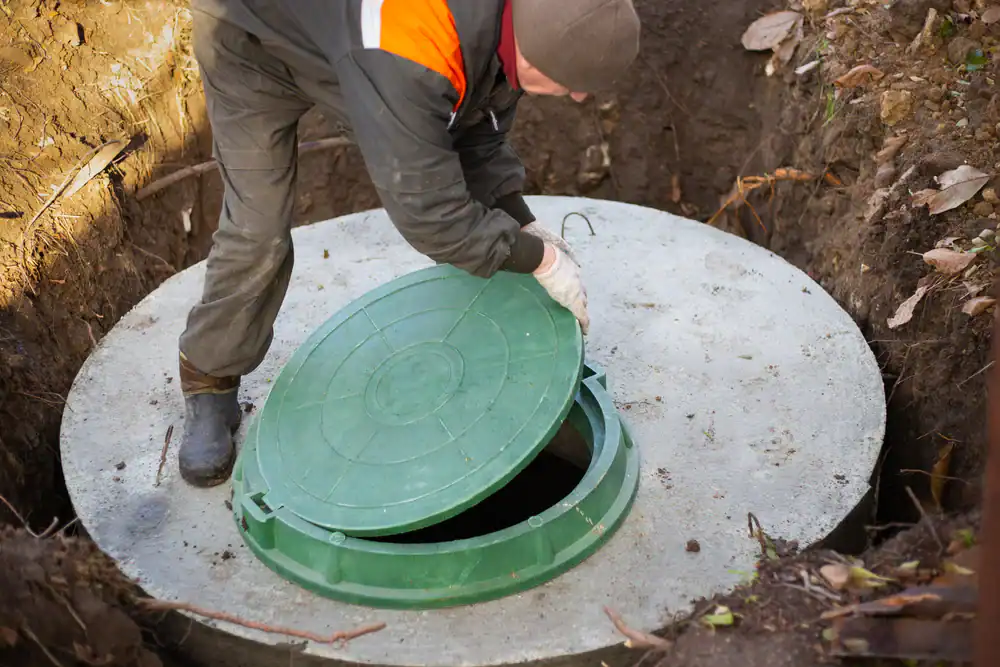
We start by locating your tank if access points aren’t clearly visible. We use electronic locators or probes to find buried lids, then carefully excavate if necessary. Once exposed, we remove the access cover and perform a visual inspection of the tank’s interior condition.
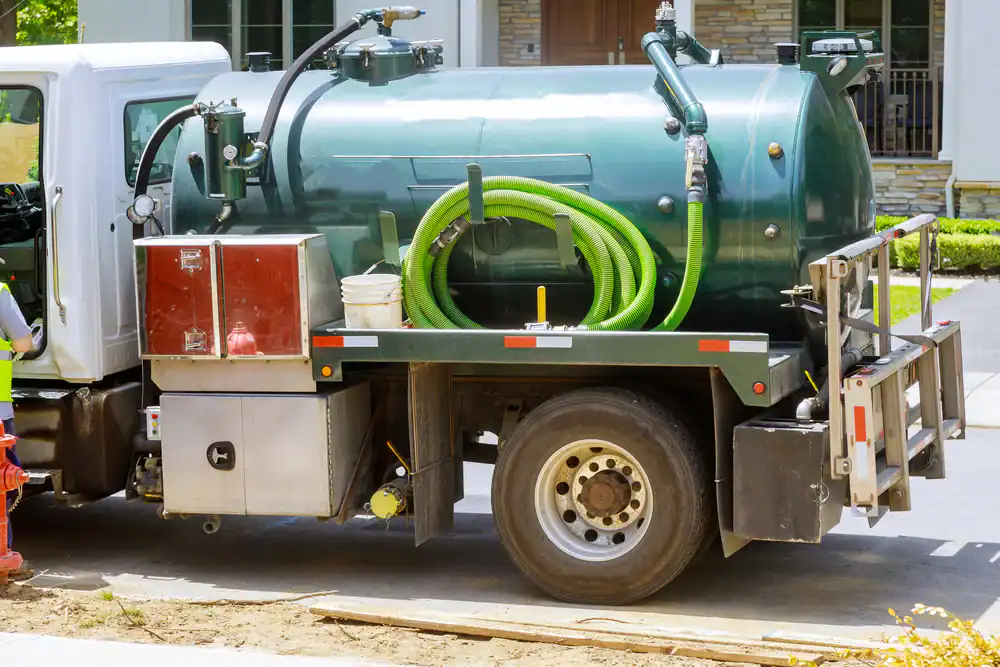
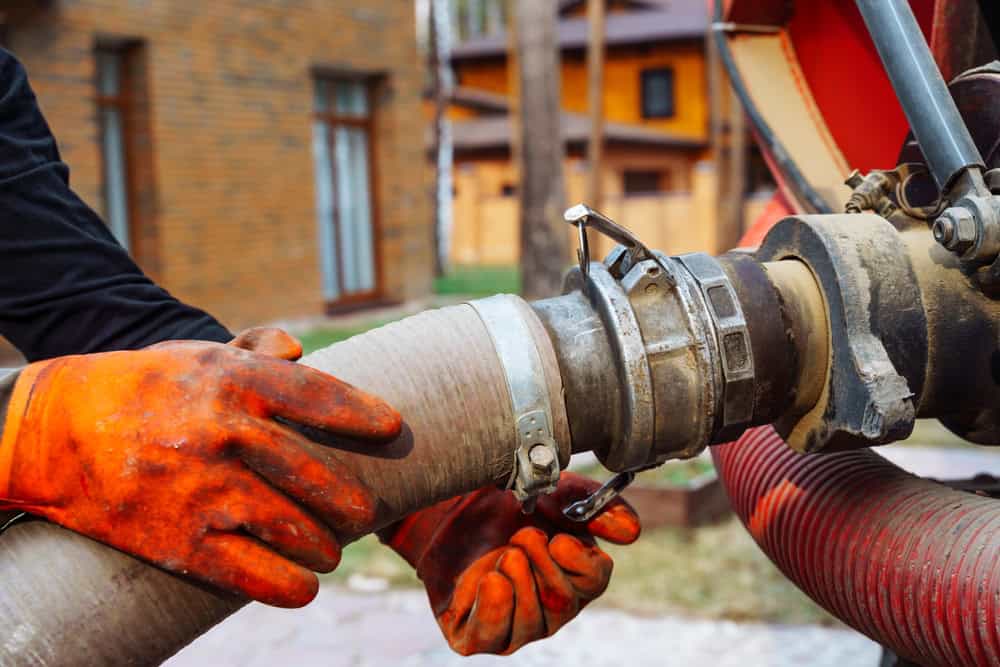
The pumping process removes all contents through a large vacuum hose connected to the service truck. Proper technique requires multiple cycles of pumping and backflushing to break up hardened sludge and floating scum layers. This back-and-forth process ensures complete removal rather than just sucking out liquids and leaving solids behind.
What Happens During a Complete Clean Out Septic Tank Service
A complete clean out septic tank service involves several critical steps that protect your system’s longevity and your property’s value. The process starts with locating and accessing your tank, but what happens next separates professional service from inadequate pumping.
After removing the access lid, we inspect the tank’s interior using a flashlight or inspection camera. We’re looking for cracks in the concrete or fiberglass, checking that baffles are intact and positioned correctly, and examining the inlet and outlet pipes for damage or blockages. These components keep solids in the tank where they belong instead of flowing into your drain field.
The actual pumping begins with inserting a large vacuum hose into the tank. The truck’s pump creates suction that removes liquids first, then we work the hose through the sludge layer at the bottom. This isn’t a quick process. Sludge that’s been accumulating for years compacts and hardens, requiring time and technique to break up and remove.
Proper cleaning requires backflushing, which means pumping liquid back into the tank from the truck to agitate and break up stubborn solids. We repeat this pump-and-flush cycle multiple times until the tank is completely empty except for a thin film of bacteria-rich residue on the walls. This residue is intentionally left behind because it helps restart the biological processes your tank needs to function.
During pumping, we also check your drain field for signs of failure. We look for soggy areas, unusually green grass, or standing water that indicates solids have escaped the tank and clogged the drain field. Catching these signs early can save you thousands in repair costs.
After pumping, we measure the depth of your tank and document the service. This record helps determine your next pumping schedule based on actual accumulation rates rather than guesswork. We’ll also note any repairs needed so you can address them before they become emergencies.
For properties in Suffolk County, NY, our familiarity with Long Island’s conditions means we also check for issues specific to our sandy soil and high water tables. We understand how quickly our soil drains and what that means for your system’s maintenance needs. This local expertise makes a difference in catching problems that generic service providers might miss.
How Long Does Septic Tank Cleaning Take
A complete septic tank cleaning typically takes one to three hours depending on tank size, accessibility, and how long it’s been since the last service. Understanding what affects this timeline helps you plan accordingly and recognize when a service provider is cutting corners.
Tank location and accessibility make the biggest difference. If your access lids are at ground level and clearly marked, we can start work immediately. Buried lids require time to locate and excavate, which can add thirty minutes to an hour to the service. Some older systems have lids buried several feet deep, requiring more extensive digging. This is common in Suffolk County, NY, where older properties may not have updated their access points.
Tank size directly affects pumping time. A standard 1,000-gallon residential tank takes about thirty to forty-five minutes to pump completely when using proper technique. Larger tanks or properties with multiple tanks require more time. We also need to pump slowly enough to break up solids properly rather than just removing liquids. If someone tells you they can pump your tank in fifteen minutes, they’re not doing it right.
The condition of your tank matters too. If it hasn’t been cleaned in many years, accumulated sludge is harder and takes longer to break up and remove. Tanks serviced on regular schedules pump faster because solids haven’t had time to compact and harden. This is another reason why staying on schedule saves you money in the long run.
Additional services extend the timeline but provide valuable protection. Camera inspection of your lines adds about thirty minutes but can identify problems like root intrusion, cracked pipes, or failing baffles before they cause backups. These extras provide value by identifying problems early, but they do add time to the appointment.
Weather and ground conditions can slow things down. In winter, frozen ground makes excavation harder. After heavy rain, saturated soil around the tank can complicate access. Long Island’s sandy soil generally drains well, but seasonal conditions still affect how quickly we can work safely.
Most homeowners can plan on being available for two to three hours for a complete service including inspection, pumping, and any minor maintenance. We’ll let you know if we discover issues that require additional time or a follow-up visit. This time investment now prevents the days of disruption that come with emergency repairs when systems fail unexpectedly.
Choosing Septic Tank Cleaning Services in Suffolk County, NY
Your septic system represents a significant investment in your property’s infrastructure. Regular professional cleaning protects that investment while preventing the expensive emergencies that catch unprepared homeowners off guard.
Suffolk County’s unique soil conditions and strict environmental regulations mean you need service providers who understand local challenges. Long Island’s sandy soil, high water tables, and sole-source aquifer create maintenance requirements that differ from generic national guidelines. Working with experienced local professionals ensures your system gets the specific care it needs.
When your system needs attention, whether for routine maintenance or unexpected problems, we bring four generations of Long Island expertise to every service call. Licensed, insured, and available 24/7 for emergencies, we understand what it takes to keep septic systems running reliably in Suffolk County’s challenging conditions.