Summary:
You just moved from Brooklyn to Suffolk County. Congratulations—you’ve got more space, better schools, and a yard. You’ve also got something you’ve never dealt with before: your own wastewater system.
In NYC, you flush and forget. Out here, what goes down your drains is your responsibility. And if you don’t understand whether you have a cesspool or a septic system, you’re going to learn the hard way—usually when something backs up on a Sunday night.
This isn’t about scaring you. It’s about giving you the information you actually need to avoid expensive surprises and make decisions that protect your home.
What Is a Cesspool and How Does It Work
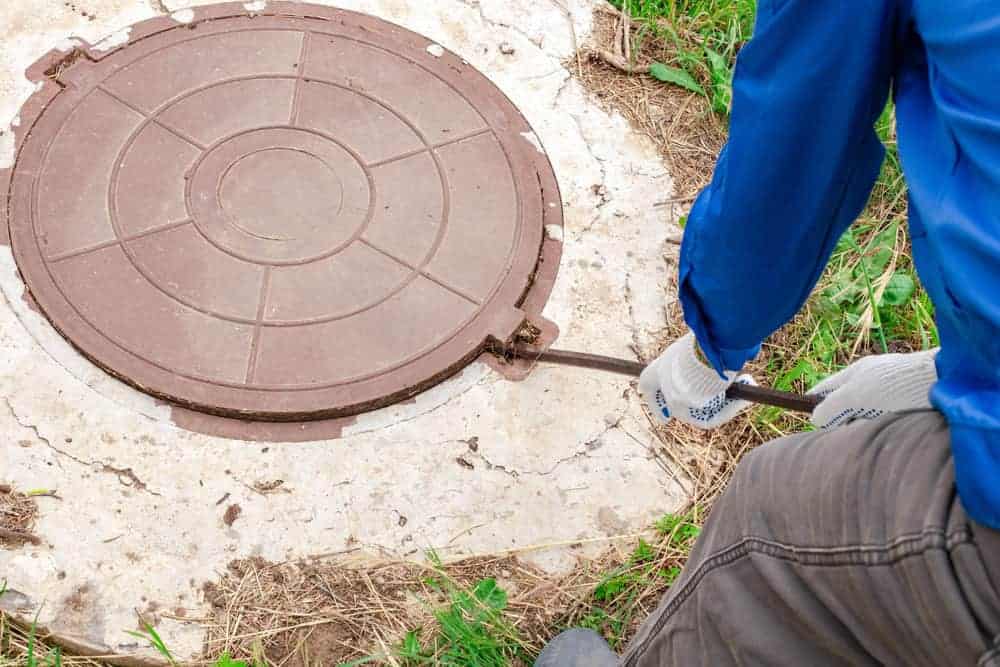
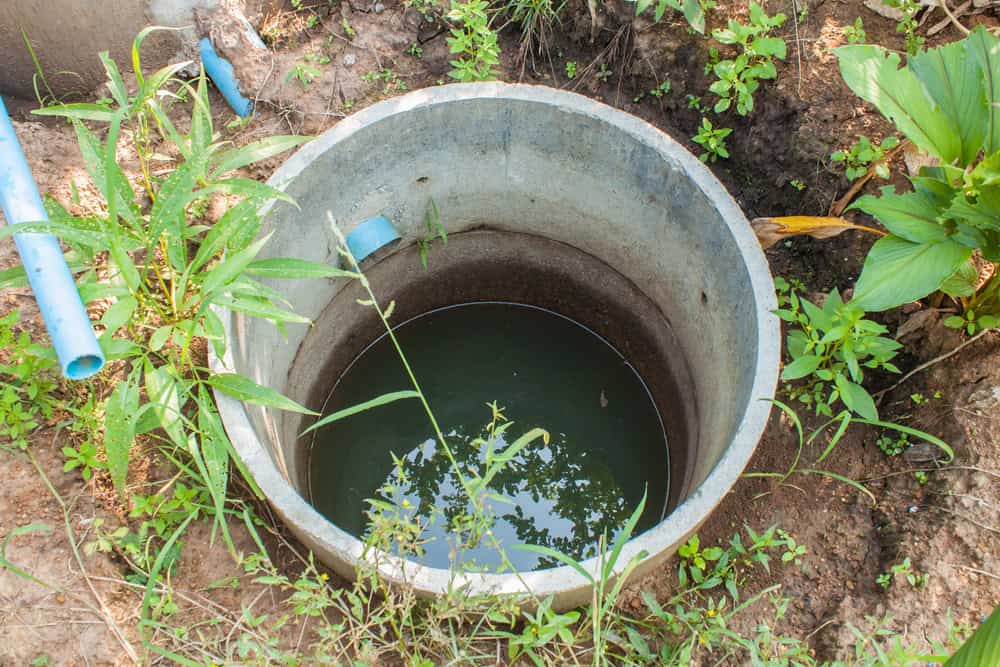
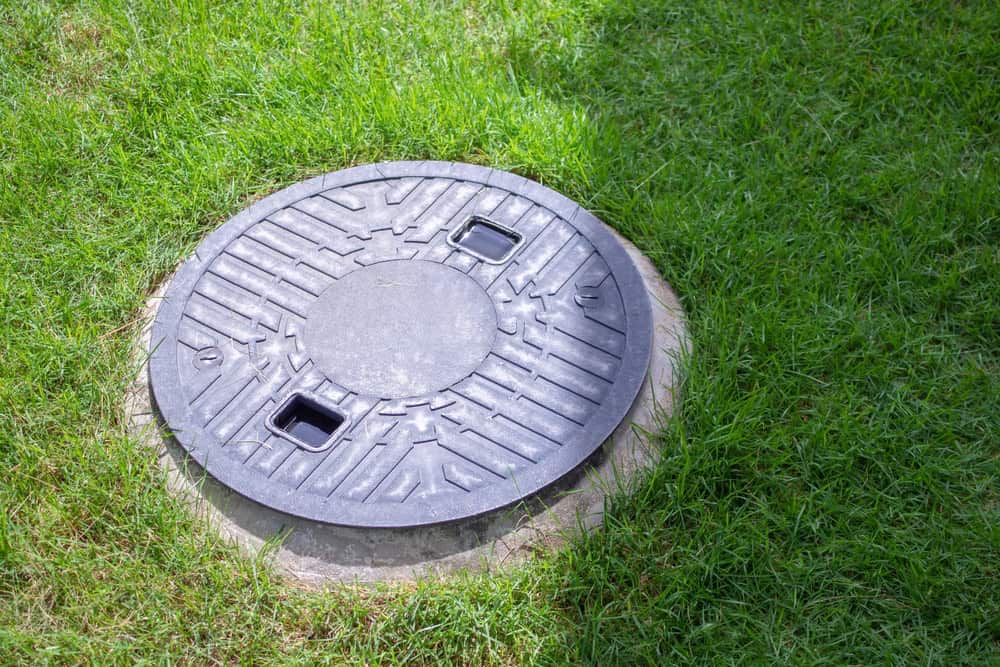
A cesspool is basically a pit in the ground. All the wastewater from your home—toilets, sinks, showers, washing machine—drains into this underground hole lined with concrete or stone. The solids settle at the bottom. The liquids seep out through perforated walls directly into the surrounding soil.
There’s no treatment happening. No separation of waste. No filtration. Just raw wastewater leaching into the ground around your property.
This straightforward design made cesspools popular in older Long Island homes. The system requires no mechanical components or complex filtration processes. However, this simplicity comes with significant drawbacks that have led to regulatory changes across Nassau and Suffolk Counties.
Cesspool Maintenance Costs and Pumping Frequency
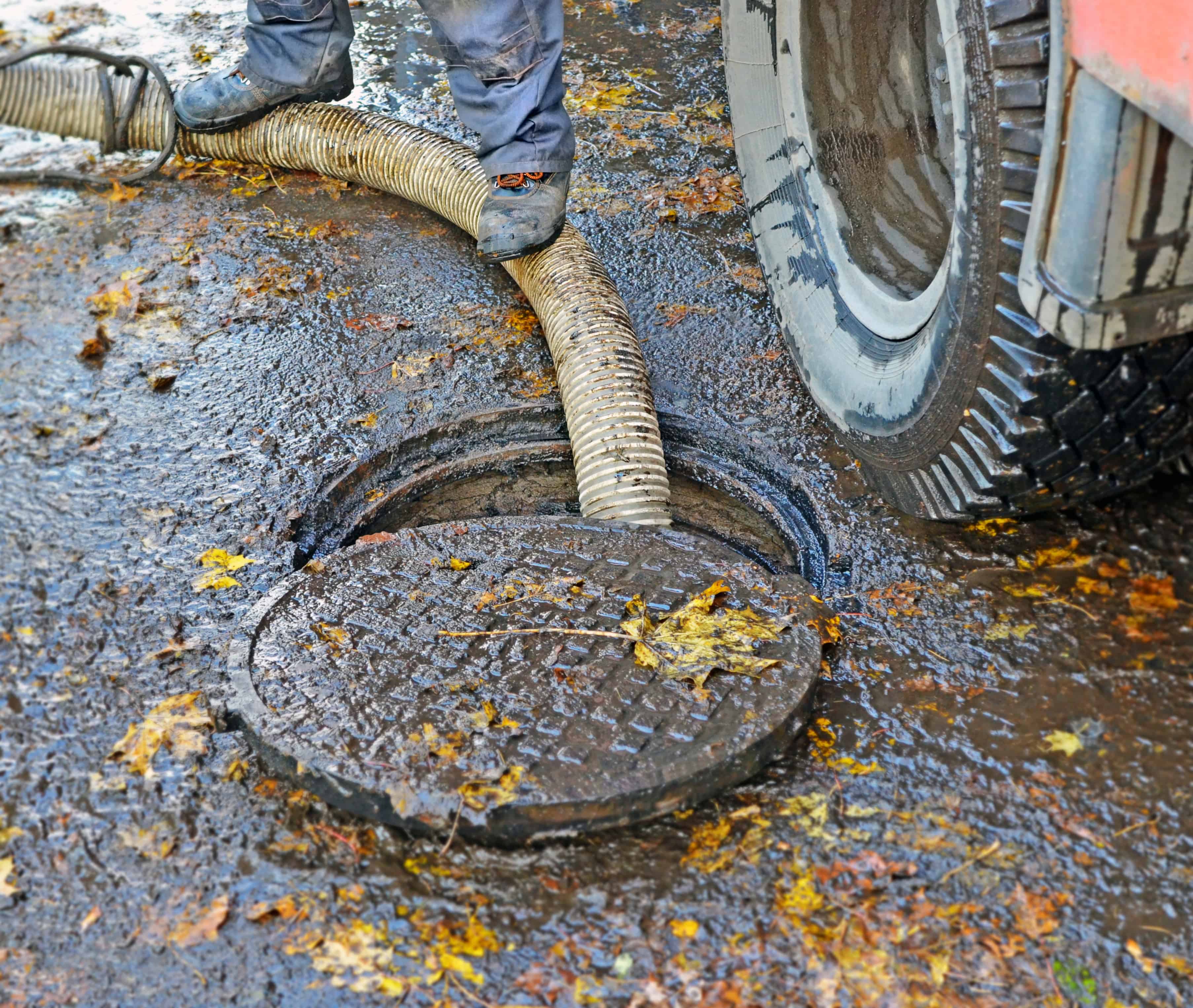
Cesspools demand frequent attention due to their basic design. Most Long Island cesspools need pumping every one to two years, significantly more often than septic systems. The lack of waste separation means solid materials accumulate quickly, reducing the system’s effective capacity.
A family of four might need annual service. Even light usage rarely extends the interval beyond two years. Each pumping typically runs $400 to $700, but emergency calls during backups cost considerably more.
Suffolk County homeowners often don’t realize how much their water usage affects their system until they see the impact firsthand. A family that hosts frequent guests or has teenagers who take long showers might need pumping every year instead of every two years. During holidays when you’ve got extended family visiting, the extra load can push an already-full cesspool over the edge.
The porous walls that allow liquid to escape also permit untreated waste to contaminate surrounding soil and groundwater. Property owners often underestimate the true cost of cesspool ownership. Beyond regular pumping, you’ll face potential soil contamination issues, property damage from overflows, and compliance challenges with evolving environmental regulations.
Soil saturation doesn’t happen overnight. It’s a gradual process that accelerates as your cesspool ages. Early on, you might not notice much change. Your system drains normally. Pumping every two years keeps things running fine.
Then you start seeing signs. Drains slow down, especially during wet weather when groundwater is high. That soggy patch in your yard near the cesspool location doesn’t dry out like it used to. You’re smelling sewage odors outside even though you just had the system pumped six months ago. These aren’t random problems—they’re your soil telling you it can’t keep up with the waste load anymore.
Why Suffolk County Banned Cesspool Installations
Suffolk County sits on a sole-source aquifer—meaning all our drinking water comes from the ground beneath us. Cesspools leak untreated wastewater directly into that groundwater, contributing to nitrogen pollution that’s been killing off marine life in our bays and threatening our drinking water supply.
Long Island gets 100% of its drinking water from underground aquifers, and cesspools dump untreated waste directly into the soil. That untreated waste contains nitrogen, which doesn’t get filtered out. It travels through the sandy soil and ends up in our bays, harbors, and drinking water wells.
Suffolk County banned new cesspool installations in July 2019, closing a loophole that previously allowed cesspool replacements. Nassau County has implemented similar restrictions, requiring advanced treatment systems for new construction and major renovations. Existing cesspools can remain operational but face increasing scrutiny.
When replacement becomes necessary, property owners must upgrade to compliant septic systems or advanced treatment technologies. This regulatory shift reflects growing environmental concerns about nitrogen pollution in Long Island’s water supply.
The transition period creates uncertainty for homeowners. While you’re not required to immediately replace a functioning cesspool, any major repairs or system failures trigger upgrade requirements. Understanding these regulations helps you plan for eventual system replacement and associated costs.
If you’re buying a home with a cesspool, factor replacement into your budget. If you already own one, start planning now rather than waiting for an emergency. The county offers grants that can cover up to $10,000 of the replacement cost, with additional funding available for qualifying homeowners—but you need to apply before your system fails, not after. Once you’re in crisis mode, your options narrow and your costs go up.
Cesspool vs Septic System: How Septic Tanks Work
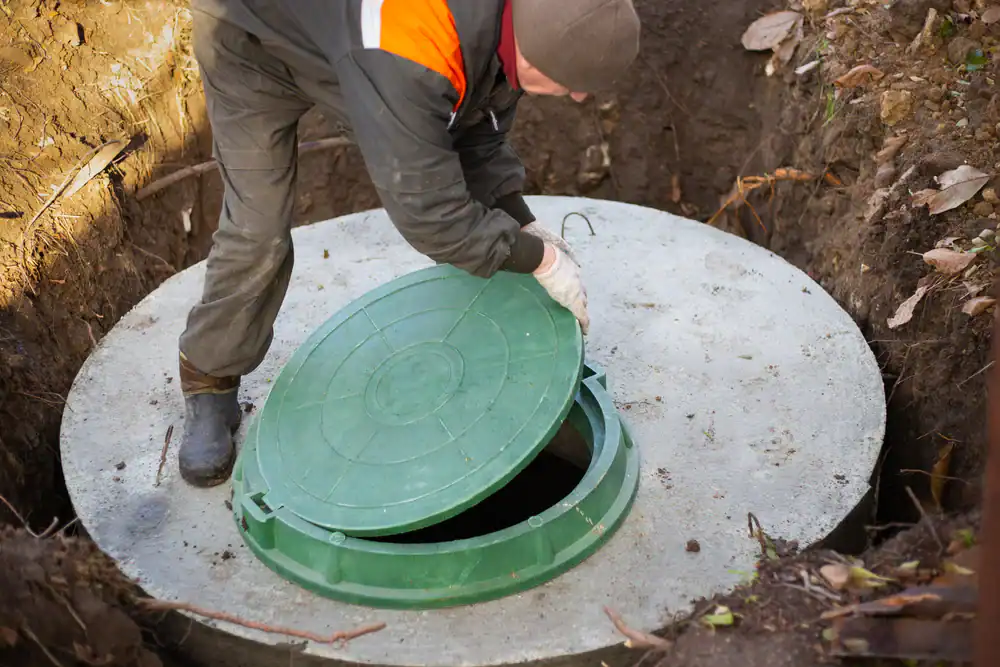
Septic systems represent a more sophisticated approach to wastewater treatment. These systems separate solid waste from liquids in a sealed tank, then distribute treated effluent through a drain field for soil filtration. This two-stage process significantly reduces environmental contamination compared to cesspools.
The separation process occurs naturally through bacterial action. Solids settle to the tank bottom while oils and grease float to the surface. The middle layer of partially clarified water flows to the drain field, where soil provides final filtration before reaching groundwater.
Unlike cesspools that mix everything together in one chamber, septic tanks separate solids from liquids and only send clarified water to the drain field. This fundamental difference is why septic systems last longer, need less maintenance, and protect Long Island’s water quality better than cesspools ever could.
Septic Tank Pumping Schedule and Long-Term Costs
This separation and filtration process is why septic systems protect water quality better than cesspools. It’s also why they last longer and need less frequent maintenance. Most septic tanks only need pumping every three to five years instead of every one to two years like cesspools.
The pumping schedule difference between cesspools and septic systems isn’t arbitrary. It’s driven by how each system handles solids and liquids. Cesspools mix everything together in one chamber. Septic tanks separate solids from liquids and only send clarified water to the drain field.
Septic systems handle usage spikes better because the tank design allows solids to settle and partially decompose while liquids flow out to the drain field. The separation process gives the system more capacity to handle temporary usage spikes. Cesspools don’t have that buffer. Everything competes for the same limited space.
Regular septic maintenance or pumping every two to three years for most households prevents heavy solids from building up and overflowing into your leaching area, which avoids costly system damage, messy backups, and helps extend the overall lifespan of your underground infrastructure.
Proper maintenance of your septic tank system will add life to its service and keep problems at bay. When septic tank maintenance is neglected, this system is sure to fail. Remember that the price for failure is steep and it’ll cost thousands of dollars to have your system replaced.
Repairing a failed drain field is expensive—often more expensive than replacing an entire cesspool. You’re looking at excavation, new piping, new gravel, possibly even a new tank if the damage is severe enough. Costs can easily exceed $15,000 for major septic tank services and repairs. And insurance usually won’t cover it. Most homeowner policies classify septic failures as “maintenance-related,” which means you’re paying out of pocket for the entire repair or replacement.
Cesspool vs Septic Tank Installation Costs in Suffolk County
The upfront cost of a septic system is higher than a cesspool would have been. A conventional septic system installation in Suffolk County typically runs between $10,000 and $20,000, depending on your property’s size and soil conditions.
Advanced nitrogen-reducing systems—which are now required for new installations and major renovations—cost between $15,000 and $25,000. That sounds like a lot compared to the $6,000 to $8,000 a cesspool used to cost. But the long-term economics tell a different story.
Less frequent pumping means lower annual maintenance costs. A septic system that needs service every three to five years costs significantly less over time than a cesspool requiring pumping every one to two years. Multiply that $400 to $700 pumping cost by the frequency difference over a 20-year period, and the septic system starts looking like the better investment.
Grant programs help offset upgrade expenses. Suffolk County offers up to $10,000 for qualifying replacements, while Nassau County provides up to $20,000 for nitrogen-reducing systems. These incentives make system upgrades more affordable but require meeting specific eligibility criteria and using approved contractors.
Your property must have an existing septic system or cesspool, not be connected to public sewers, and have a valid certificate of occupancy. You can’t have tax liens or active foreclosure actions. The system you’re replacing must be considered “failing” by New York State standards—which includes all conventional cesspools and septic systems that don’t remove nitrogen.
To encourage cleaner wastewater systems, Suffolk County offers grant programs that may cover a significant portion of the cost of upgrading to a nitrogen-reducing septic system. Eligibility is based on factors such as location, system type, and environmental impact. While funding availability can change, these programs can make upgrading from a cesspool to a septic system far more affordable for qualifying homeowners.
Choosing Between Cesspool and Septic Tank Systems
If you’re new to Long Island, understanding the difference between a cesspool and a septic system isn’t optional—it’s essential for protecting your home and wallet. Cesspools are being phased out because they can’t protect our water quality. If you have one, it’s a matter of when you’ll need to replace it, not if.
Understanding how these systems work helps you make better decisions about maintenance, budgeting, and timing. A cesspool that’s still functioning but getting older is a known future expense—one you can plan for by researching grant programs, getting quotes, and scheduling the work before it becomes an emergency.
If you’re dealing with a septic system, regular pumping and proper use keep it running for decades. Whether you need cesspool service, system evaluations, or honest answers about what you’re dealing with, we bring four generations of family expertise and almost two decades of service to every job—with Camera inspections , 24/7 emergency response, and straightforward guidance that helps you protect your home without getting sold something you don’t need.