Summary:
Why Regular Septic Tank Cleaning Matters for Huntington, NY Homeowners
Your septic tank handles everything that goes down your drains, but it’s not magic. Over time, solid waste accumulates at the bottom while oils and grease form a layer at the top. When these layers get too thick, your system can’t function properly.
The best approach is staying on top of your septic clean out schedule and having your tank emptied every 2-4 years. Never go longer than 5 years without septic tank cleaning. This simple schedule keeps your system running smoothly and prevents the kind of problems that can cost thousands to fix.
The most common cause of septic tank failure is improper maintenance, which significantly increases repair costs. Think of regular septic tank cleaning as insurance for your home’s most critical system.
How Often Should You Schedule Septic Tank Cleaning in Huntington, NY?
The frequency of septic tank cleaning depends on several factors specific to your household. Your family size, water usage habits, and tank size all play a role in determining the right maintenance schedule.
Larger households produce more waste, requiring more frequent septic tank pumping , while smaller families with larger tanks may require less routine maintenance. Most Huntington, NY homeowners find that every 3-5 years works well, but your specific situation might call for different timing.
New York State regulations require septic tanks to be pumped out every two to three years by licensed septage waste transporters. This isn’t just a guideline—it’s designed to protect both your property and Long Island’s water quality.
Here’s what typically works for different household sizes: A family of four with a standard 1,000-gallon tank usually needs septic tank cleaning every 3-4 years. Larger families or homes with garbage disposals might need service every 2-3 years. Toilet use accounts for roughly 25 to 30% of indoor water consumption, and excess water can rapidly fill the system, necessitating more frequent maintenance.
The key is working with professionals who understand your specific situation. Professional services can assess your tank and provide reminder calls when it’s time for your next cleaning. This takes the guesswork out of maintenance scheduling and helps ensure you never miss critical service intervals.
Warning Signs Your Huntington, NY Home Needs Septic Tank Cleaning
Your septic system usually gives you warning signs before major problems develop. Learning to recognize these early indicators can save you from expensive emergency repairs and unpleasant surprises.
Common indicators include slow draining in sinks, bathtubs, or toilets, foul odors around the property, and wet spots or standing water in the yard. You may also notice gurgling sounds in pipes.
The most obvious sign is slow drainage throughout your home. If your sinks, toilets, or showers are draining slowly, it may indicate a full septic tank that needs pumping because accumulated solid waste and sludge are blocking proper water flow.
Don’t ignore these warning signs, especially if you notice multiple symptoms at once. Signs like slow drains, gurgling sounds, lush grass over the tank, pooling water, sewage odors, or backups clearly indicate your septic tank needs cleaning. Addressing these issues promptly prevents more serious problems.
Pay attention to your yard as well. Unusually green or lush grass over your septic tank area, especially during dry weather, often indicates your system is leaching nutrients where it shouldn’t. Standing water or soggy areas near your tank or drain field are red flags that require immediate attention.
In severe cases, wastewater may back up into the house, causing extensive damage. If you experience any of these issues, contact a professional cesspool service immediately to prevent further complications and potential health risks.
Remember: the longer you wait after noticing these signs, the more expensive the solution becomes. What might have been routine septic tank cleaning can turn into major repairs or even system replacement if left unchecked.
Cost Benefits of Preventive Septic Tank Cleaning
Regular septic tank cleaning is one of the smartest financial decisions you can make as a homeowner. The numbers tell the story clearly: prevention costs hundreds, while repairs and replacements cost thousands.
On Long Island, most homeowners spend around $300 to $800 for septic tank cleaning. The price depends on tank size, accessibility, and time since last cleaning. Compare that to the alternative costs, and the value becomes obvious.
Regular pump-outs run a few hundred dollars. A new septic system? Try several thousand dollars or more. That’s not just a significant expense—it’s a major financial disruption that most families would rather avoid.
Preventing Major System Failures and Replacements
The financial impact of neglecting septic tank cleaning extends far beyond emergency repair costs. When systems fail completely, you’re looking at replacement expenses that can strain any budget.
Replacing your entire septic system could cost $5,000-$15,000 or more. Regular maintenance and protection of your septic system is much less expensive than replacing the drainfield or entire system. That’s a significant chunk of most families’ annual income, and it’s largely preventable with proper care.
Here’s what happens when you skip regular septic tank cleaning: Sludge and scum need to be periodically cleaned from the septic tank to keep things flowing smoothly. If these levels rise too high, solids and grease get forced into the drain field, clogging the underground system and leading to backups into your home. This creates dangerous bacteria exposure and very expensive repairs.
Neglected septic systems result in financial burdens due to costly repairs or replacements. Lack of maintenance leads to drain field failures and serious plumbing issues. Clogged pipes occur when solids build up due to infrequent cleaning.
Regular septic tank cleaning also protects your property value. A failing septic system makes your home difficult to sell and may require expensive upgrades before any transaction can proceed. Regular maintenance is significantly less expensive than emergency repairs or system replacement. Most homeowners find that consistent maintenance saves them thousands of dollars over their system’s lifetime.
Beyond financial considerations, system failures create health hazards for your family. Failure to maintain a septic system contaminates local water sources, posing environmental hazards. This is particularly critical on Long Island, where protecting groundwater quality affects entire communities.
The bottom line: investing in regular septic tank cleaning now prevents much larger expenses later while protecting your family’s health and your community’s environment.
Long Island Regulations and Compliance Requirements
Huntington, NY homeowners must navigate increasingly strict regulations regarding septic system maintenance and upgrades. These aren’t just bureaucratic requirements—they’re designed to protect Long Island’s precious water resources.
Suffolk County has banned the installation of cesspools effective July 1, 2019, which were identified as a primary source of nitrogen pollution. The ban advances water quality efforts and sets the stage for new technologies that reduce nitrogen in residential wastewater by up to 70%.
New regulations effective July 1, 2021, require nitrogen-reducing systems for new family residential construction, major reconstruction projects, and all new commercial projects. If you’re planning any major home improvements, these regulations will likely affect your project.
Current compliance requirements are straightforward but important: Homeowners must have their systems inspected every three years and submit reports to the county. This ensures systems function properly and don’t contribute to nitrogen pollution.
The recent cesspool regulations in Suffolk County are a crucial step towards improving water quality and combating nitrogen pollution. The new regulations address the problem of nitrogen entering ground and surface water, which impacts water quality and ecosystems.
Regular professional septic tank cleaning helps ensure your system meets current standards and positions you well for any future regulatory changes. Professional septic services ensure proper waste disposal in compliance with local regulations, maintaining a healthy septic system while meeting all regulatory requirements.
The good news is that help is available for homeowners who need to upgrade their systems. Suffolk County launched its Septic Improvement Program in 2017 to help cover upgrade expenses through low interest financing, grants, and rebates. Officials hope the new law and financial assistance will lead to more residents taking action to restore water quality.
Staying compliant isn’t just about avoiding penalties—it’s about being a responsible member of your community and protecting the environment your children will inherit.
Professional Septic Tank Cleaning vs. DIY Maintenance
While you can take steps to protect your septic system between professional visits, septic tank cleaning requires specialized equipment and expertise that most homeowners simply don’t have access to.
Cesspool maintenance requires specialized equipment and knowledge that most homeowners don’t have. Professional pumping trucks, proper disposal methods, and system mechanics recognition are essential for effective maintenance. Attempting DIY maintenance can damage your system or create health hazards.
Professional septic tank cleaning offers advantages you can’t replicate on your own: Professional septic tank services ensure thorough maintenance critical for system longevity and proper function. Professionals can identify issues that homeowners might miss and ensure proper waste disposal in compliance with local regulations.
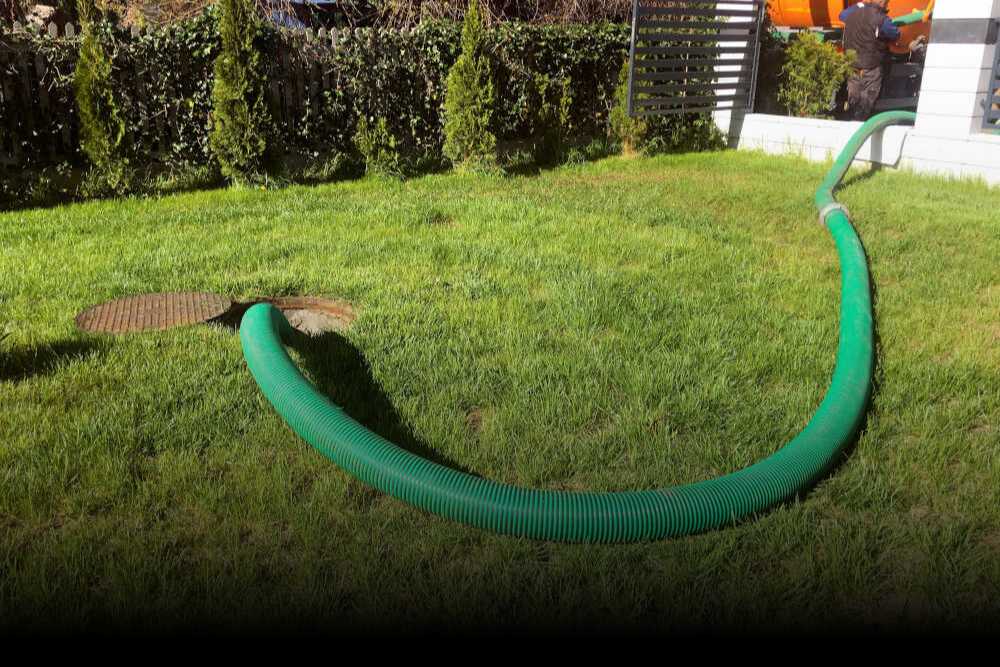
Professional septic tank service involves thorough inspection of the tank and its components. Technicians inspect the system, remove waste, and ensure the tank is clean and functional. Specialized equipment effectively pumps out the tank, ensuring no waste is left behind.
When you choose Quality Cesspool for your Huntington, NY home’s septic tank cleaning, you’re getting expertise that comes from four generations of family experience and almost two decades of dedicated service to Long Island homeowners. We understand the unique challenges of maintaining septic systems in our area and have the tools and knowledge to keep your system running smoothly for years to come.