
Hear from Our Customers
You’ve got slow drains. Maybe a backup. Maybe just a bad feeling about what’s going on underground.
Most contractors will tell you the line’s broken or full of roots and start talking about thousands in repairs. But unless they’ve actually looked inside, they’re guessing. And you’re the one paying for that guess.
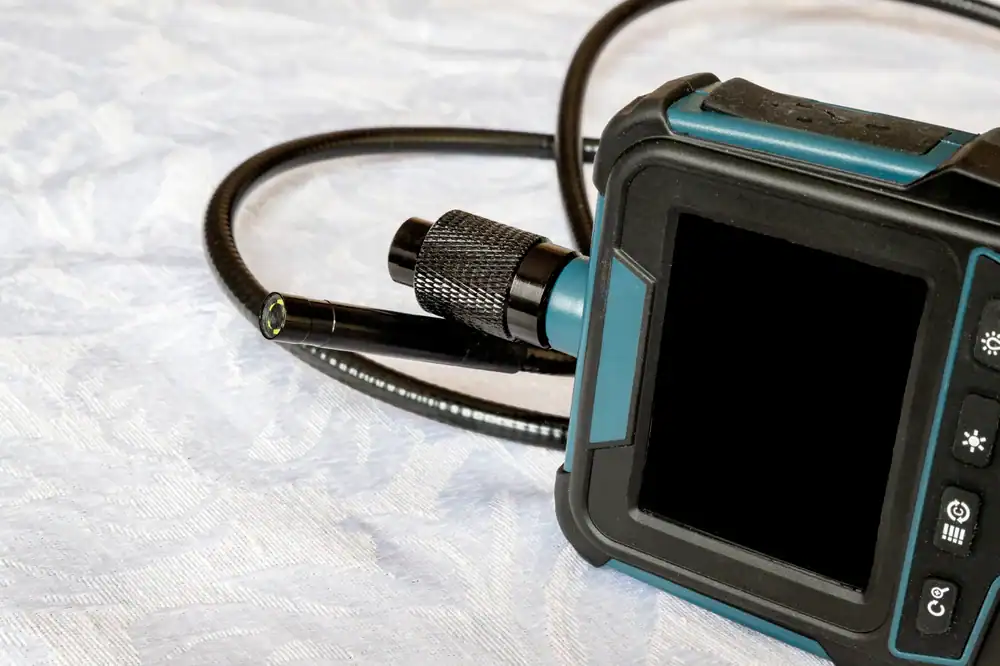
A sewer line video inspection changes that. We send a camera through your pipes and show you what’s actually there. Roots, cracks, bellied sections, grease buildup—whatever it is, you see it. In real time. On screen. No digging, no assumptions, no inflated repair bills for problems that don’t exist.
You get digital footage and reporting that shows the exact location and depth of any issue. If something needs fixing, you’ll know why. If it doesn’t, you’ll know that too. That’s the difference between throwing money at a problem and actually solving it.
We’ve been maintaining cesspool and septic systems across Port Jefferson Station and Suffolk County for years. We’re licensed, insured, and familiar with the local health department regulations that actually matter when your system needs work.
Long Island’s sandy soil and aging infrastructure create specific challenges. A lot of homes here are sitting on cesspools installed decades ago—some with cast iron or clay lines that are well past their expected lifespan. We’ve seen what happens when those systems fail, and we know how to catch problems before they turn into emergencies.
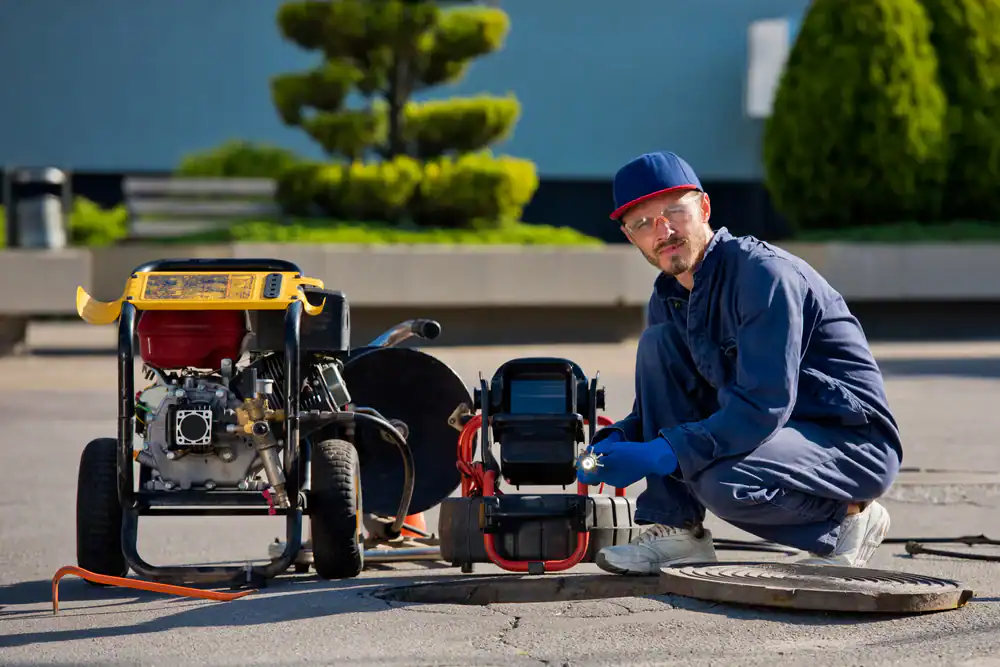
Our trucks carry the latest video inspection equipment, and our team knows how to read what the camera shows. You’re not just getting footage—you’re getting an honest assessment from people who’ve done this work long enough to know the difference between a real issue and a sales pitch.
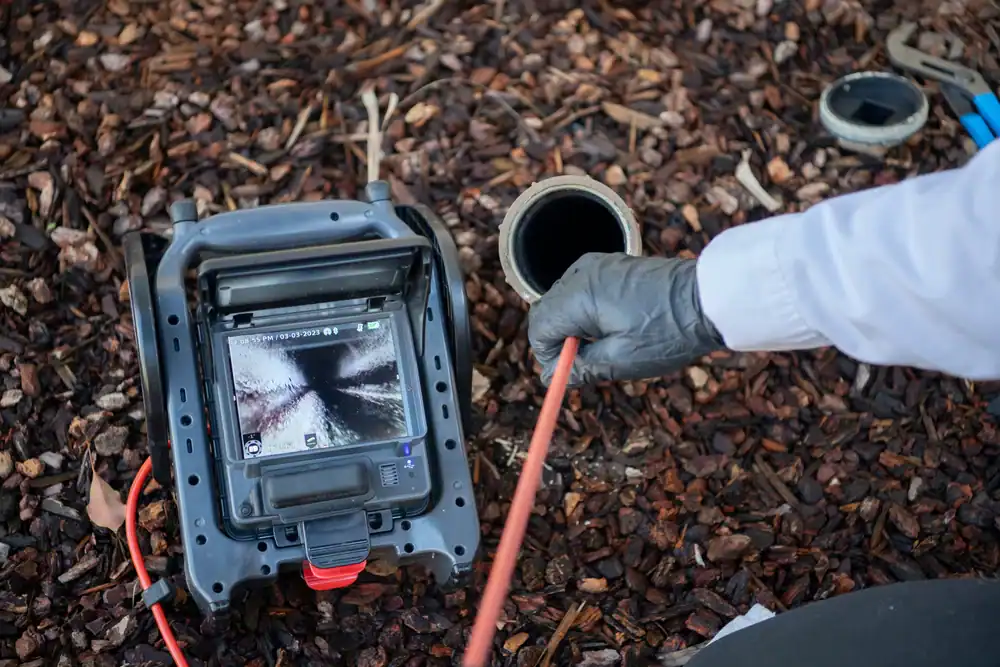
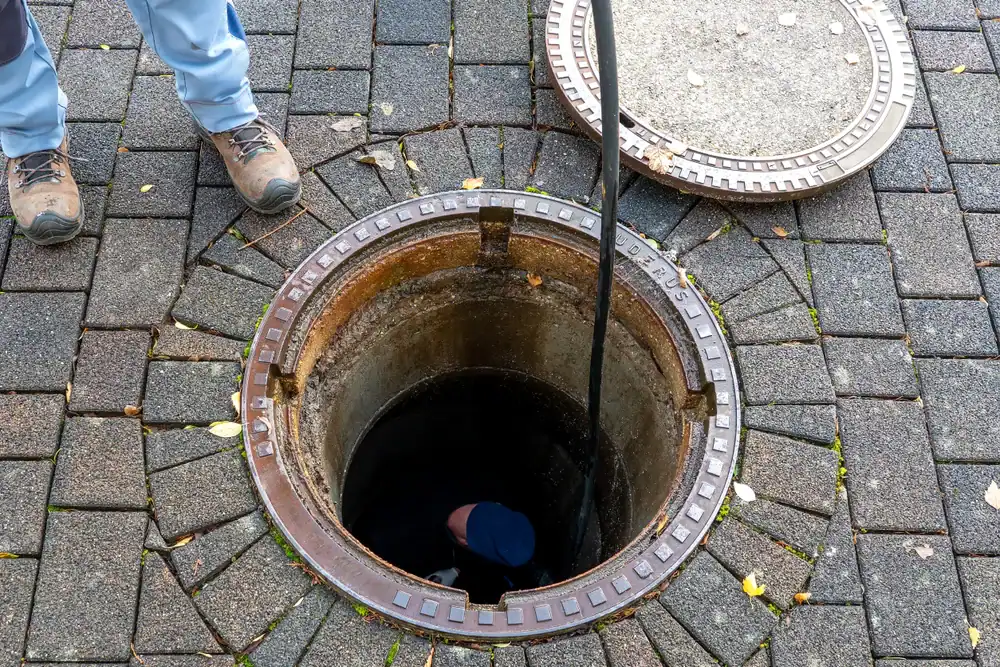
We start by locating your access point—usually a cleanout or an existing opening in the line. The camera head is small and flexible, designed to navigate bends and travel through the entire system without causing damage.
As the camera moves through your pipes, it sends back live video. You can watch with us if you want. We’re looking for blockages, cracks, root intrusion, corrosion, bellied sections where water pools, and any signs of structural failure. The camera also has a locator that tells us exactly how deep the line is and where any problem areas sit underground.
Once we’ve covered the full line, we review the footage with you. We’ll point out anything that needs attention and explain what it means in plain terms—not scare tactics, just facts. You’ll get a written report that includes our findings and recommendations for any follow-up work.
If repairs are needed, we know exactly where to dig. If your system’s in good shape, you’ll have documentation proving it. Either way, you’re making decisions based on what’s real, not what someone thinks might be happening.
Ready to get started?
This isn’t just a camera going down a pipe. It’s a full pipe condition assessment that tells you whether your system is working, failing, or somewhere in between.
We’re looking at real-time clog detection—finding out what’s blocking flow and whether it’s something we can clear or something that’s going to need more involved work. We’re locating underground pipe leaks before they turn your yard into a swamp or contaminate your property. We’re checking for root intrusion, which is one of the most common causes of line failure in older Long Island homes.
Port Jefferson Station has a lot of properties with cesspool systems that were installed when the area was less developed. Many of those systems are now 50, 60, even 70 years old. That’s right around the point where cast iron starts to corrode, clay starts to crack, and Orangeburg pipe starts to collapse. A camera inspection catches those issues while they’re still manageable.
You’ll walk away with digital footage and a written report. If you’re buying a home, that’s documentation you can use during negotiations. If you’re maintaining a property, it’s proof of condition that can help you plan for future work or avoid it altogether.
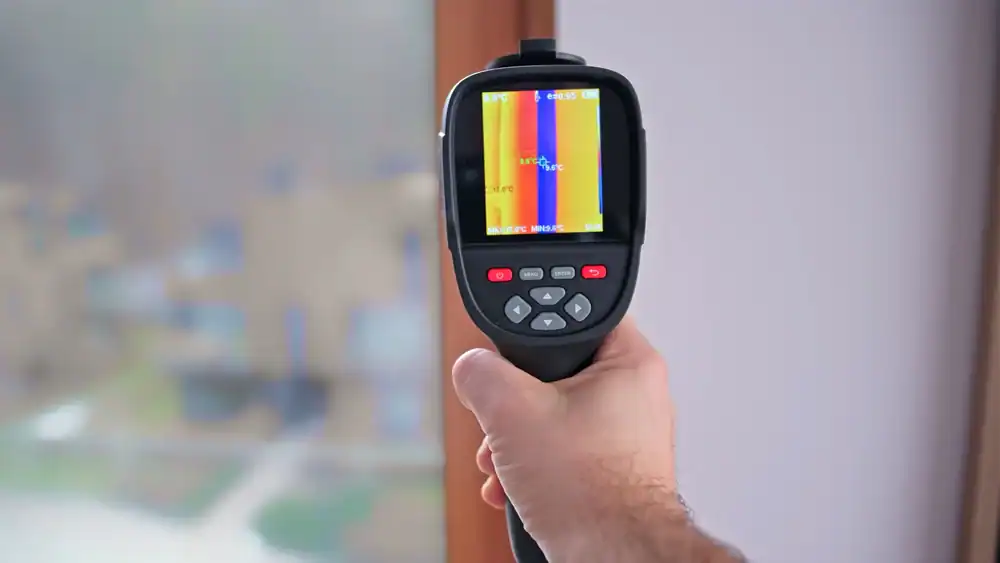
A camera inspection typically costs a few hundred dollars and takes a couple of hours. Digging up your yard to find a problem—without knowing exactly where it is—can run into the thousands before you’ve even started the actual repair.
Here’s the bigger issue: if someone digs in the wrong spot, you’re paying for labor, equipment, restoration, and still don’t have an answer. Then they dig again. A video inspection eliminates that.
You’re paying once to see the entire line, pinpoint the exact location of any issue, and know whether you actually need a repair at all. That’s not an expense—it’s the thing that keeps you from wasting money on guesswork. If you do need work done, we’ll know the depth, the access point, and what’s required before a shovel ever hits the ground.
The camera shows us everything inside the pipe. That includes root intrusion, which is extremely common in older Long Island properties where tree roots work their way into clay or cast iron joints. We’ll see cracks, breaks, and corrosion that weaken the line and lead to leaks or collapses.
We also catch bellied sections—places where the pipe has settled or shifted and now sags, creating a low spot where waste and water collect instead of flowing through. That leads to chronic backups even when there’s no blockage.
Grease buildup, foreign objects, and collapsing pipe materials like Orangeburg all show up clearly on camera. If your line is in good shape, we’ll see that too. The point is that you’re getting a complete picture of what’s happening underground, not just a diagnosis based on symptoms. That’s the difference between fixing the right problem and throwing money at the wrong one.
If you’re buying a home, yes. A system can look fine on the surface and still be years or even months away from failure. Sellers aren’t required to disclose cesspool conditions in most cases, and a standard home inspection doesn’t include a camera going through the lines.
You’re about to make the biggest purchase of your life. Spending a few hundred dollars to see what’s actually underground can save you from inheriting a $20,000 problem the day after closing. We’ve seen it happen more than once.
If you already own the property and everything’s draining normally, a camera inspection isn’t urgent—but it’s a smart move if your system is older or you’ve had slow drains, gurgling, or wet spots in the past. Catching a crack or root issue early means you can plan for a repair on your timeline, not during an emergency when contractors charge more and your options are limited.
Most inspections take between one and three hours depending on the length of the line and how many access points we’re working with. The camera itself is non-invasive—it’s a small, flexible head on a cable that moves through the pipe without scraping, cutting, or putting pressure on weak spots.
If your line is completely blocked, we may need to clear it first so the camera can pass through. That’s normal and something we can handle on the same visit. The goal is to get a clear view of the entire system, and sometimes that means removing an obstruction before we can see what caused it.
There’s no digging unless we find something that needs repair, and even then, we’ll know exactly where to dig instead of tearing up your yard hoping to find the problem. You’re not risking damage to your pipes—you’re getting the information you need to protect them.
Yes. If the camera shows widespread corrosion, multiple cracks, collapsed sections, or a pipe material that’s deteriorated beyond repair, we’ll tell you. That’s not a sales pitch—it’s a reality check based on what we’re seeing on screen.
A full system replacement in Suffolk County typically runs between $15,000 and $25,000 or more depending on the size of the property and the scope of the work. That’s not a small number, which is exactly why you want to know whether it’s actually necessary before someone starts talking about it.
Sometimes the damage is localized. One cracked section, one area with root intrusion—that’s a repair, not a replacement. A camera inspection shows us the difference. If your system is failing in multiple places and patching it would just be delaying the inevitable, we’ll explain why and give you a realistic timeline. If it’s got years of life left, we’ll tell you that too. You deserve to know what you’re actually dealing with.
First, don’t panic. Finding a problem is better than not knowing it’s there. Once we’ve identified the issue and its exact location, we’ll walk you through your options.
Some problems can be cleared or repaired without major excavation. A root blockage might just need cutting and removal. A small crack might be fixable with a targeted repair. If the issue is more serious—a collapsed section, severe corrosion, or a bellied line—we’ll explain what’s involved in fixing it the right way.
You’ll get a written report with our findings and a free estimate for any recommended work. You’re not locked into anything, and you’re not making decisions in the dark. You’ve got documentation, you’ve got answers, and you’ve got time to plan your next move. That’s the whole point of the inspection—so you’re in control of the situation instead of reacting to an emergency.
Other Services we provide in Port Jefferson Station