
Hear from Our Customers
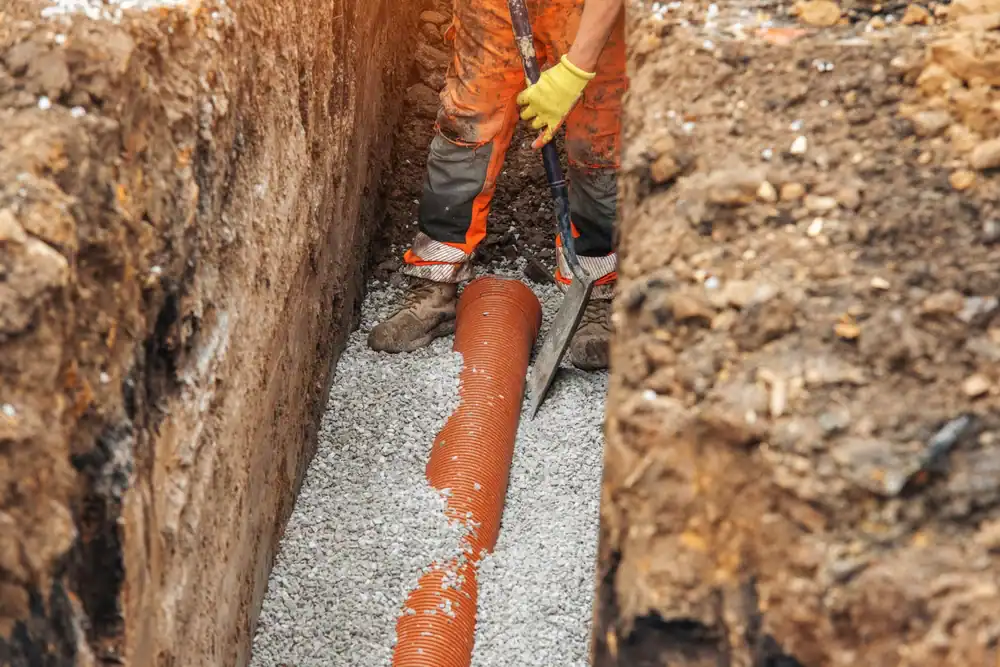
A correctly installed line means your system drains like it should. No more backups in your basement at 2 AM. No more wet spots in your yard that won’t dry up.
When pipes are pitched right and installed at the correct slope, water flows through the gravel and gets reabsorbed by the soil around it. That’s how your system is supposed to work. When it doesn’t, you’re looking at repeated backups, standing water, and eventually a full system failure that runs $15,000 to $30,000 to replace.
Most line problems in Port Jefferson Station come from improper pitch during the original installation or from pipes that have shifted over time. If your home was built before 1970—and many here were—there’s a good chance your lines weren’t installed with the standards we use today. That’s not a failure on your part. It’s just age catching up.
We’ve been handling line changes and main waste line replacement in Port Jefferson Station for nearly two decades. We’re a four-generation family business, which means we’ve seen just about every type of line failure this area can throw at us.
We’re licensed and insured, and we know the local health department regulations inside and out. That matters more than you might think, especially with Suffolk County’s 2019 cesspool installation ban. If your system fails now, you can’t just replace it with another cesspool—you need to upgrade to a septic system or advanced treatment technology.
We’re not the cheapest option, and we’re fine with that. You’re paying for proper trenching and excavation that doesn’t destroy your yard, accurate video inspection that shows exactly where the problem is, and installation that meets code the first time.
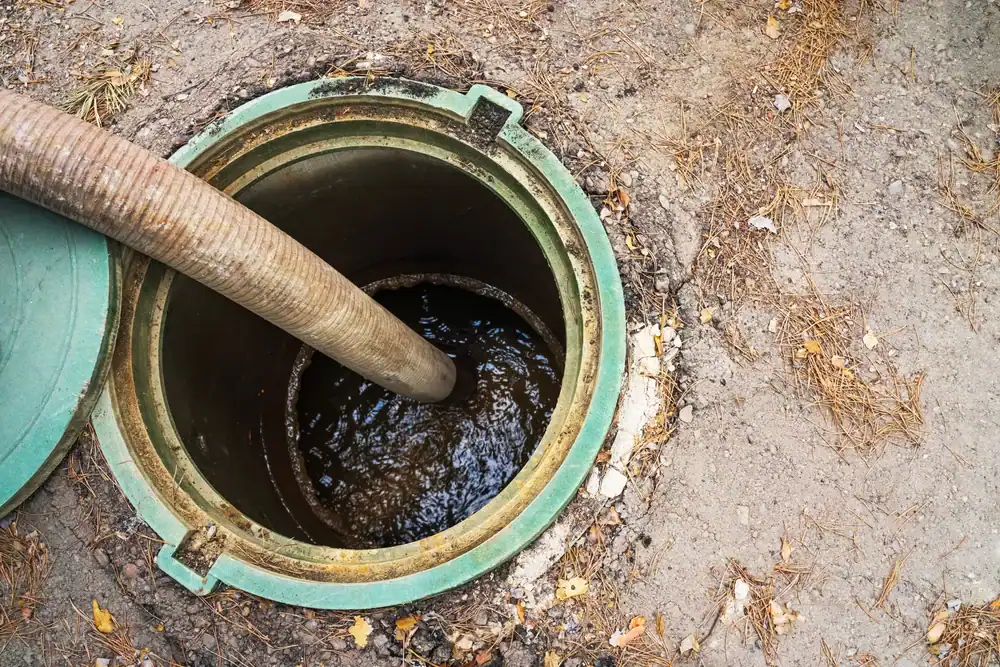
First, we run a video inspection with a foot counter. That tells us exactly where your line is failing—not approximately, not based on a guess. We know the precise location and what’s causing the problem.
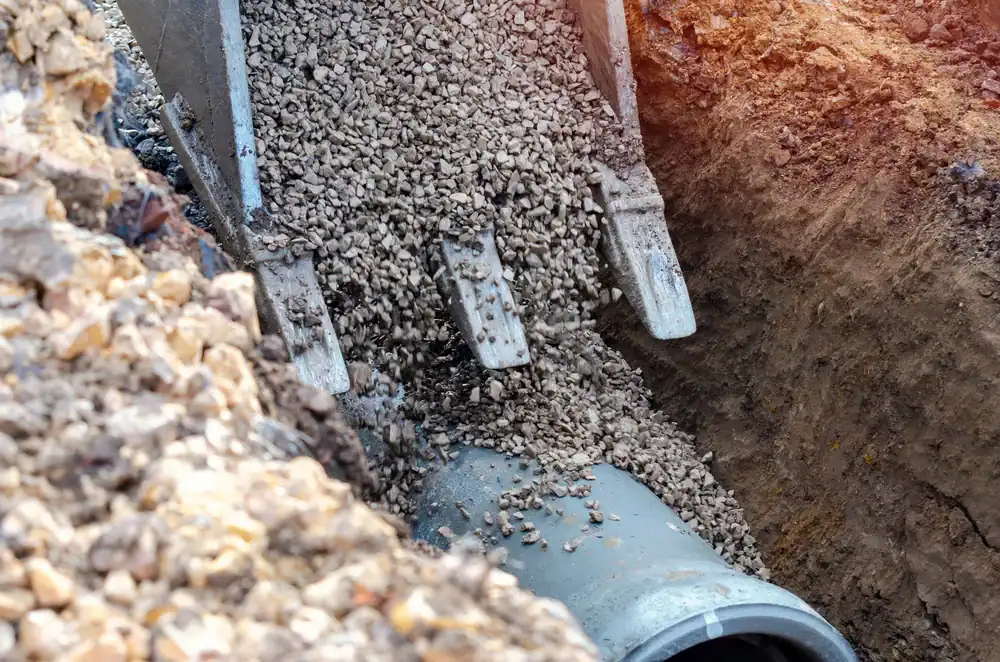
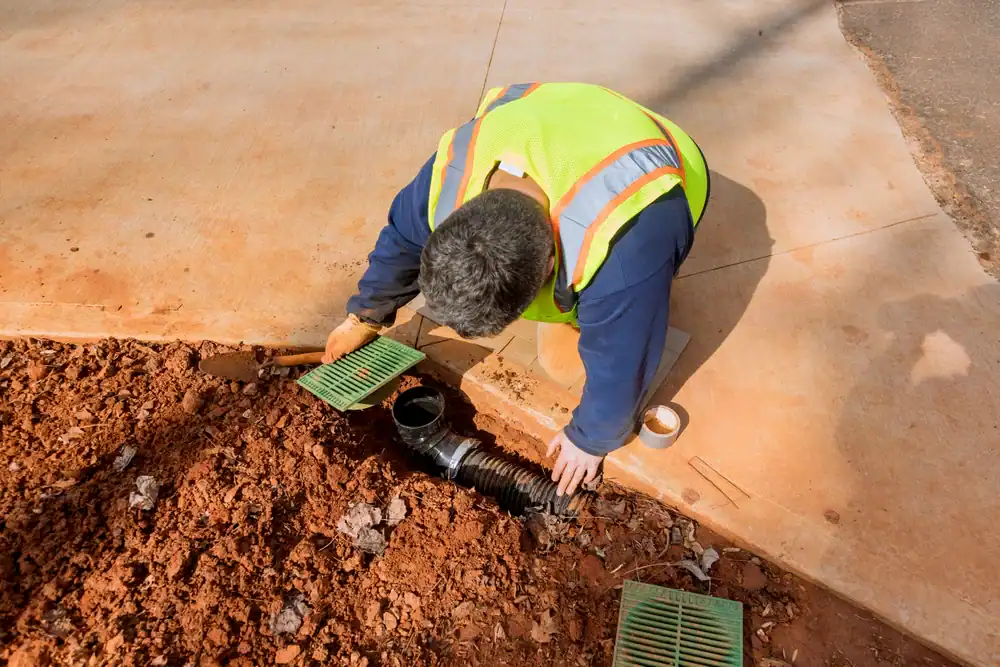
Then we clear a pathway for excavation equipment. We’re careful around utility lines and existing structures because we’ve seen what happens when contractors aren’t. Once we’ve exposed the problem area, we remove the damaged section and install new pipe at the correct pitch—one degree or more, which allows proper drainage.
The new line gets connected to your cesspool or septic system, and we make sure the distribution system respects all setback requirements. After backfilling, we test everything to confirm water is flowing correctly. You get a written report that explains what we found and what we fixed.
The whole process usually takes one to two days, depending on how much line needs replacement and what we find once we start digging. Most Port Jefferson Station properties have sandy soil, which actually makes excavation easier and helps with drainage once everything’s installed correctly.
Ready to get started?
You get complete video inspection before we dig anything. That means you’re not paying for work you don’t need. If the problem is a clog we can clear with rotor rooting, we’ll tell you that instead of selling you a full line replacement.
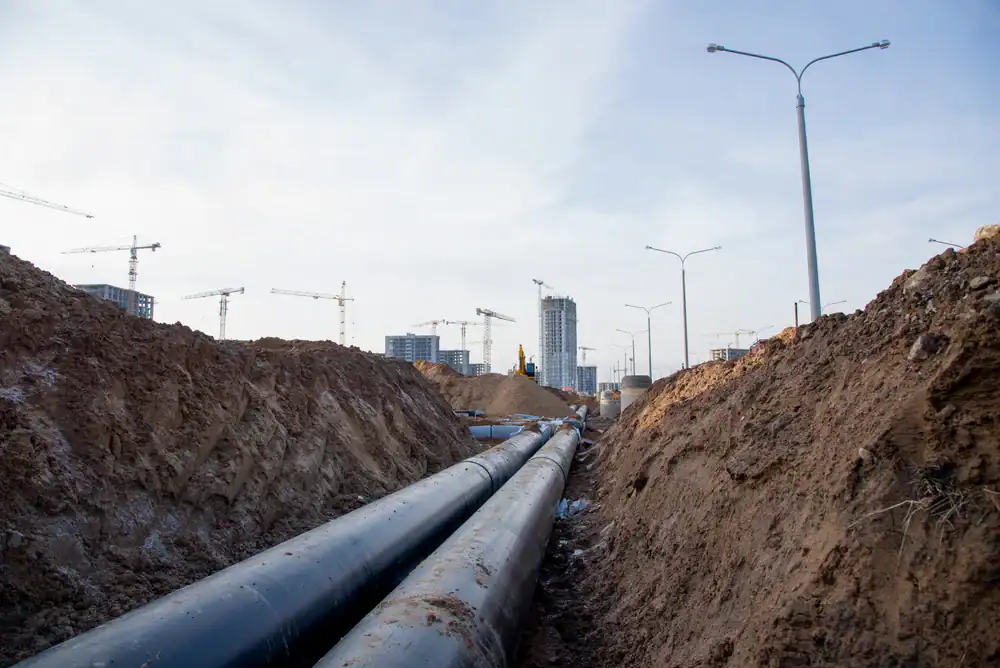
When line changes are actually necessary, we handle the full scope: trenching, excavation, removal of damaged pipe, installation of new lines at proper pitch and slope, connection to your existing cesspool or septic system, and backfilling. We also coordinate with local inspectors if your job requires permits.
Port Jefferson Station has specific challenges that matter for line work. More than 70% of Suffolk County residents rely on septic systems or cesspools, and many of the homes here were built in the 1960s and 70s when installation standards weren’t as strict. That means we’re often dealing with systems that were marginal from day one and have now been in the ground for 50-plus years.
We also handle overflow lines, distribution box connections, and repairs to existing sewer lines. If you’re experiencing backups and pipe failure, we can diagnose whether it’s a line problem, a full cesspool, or something else entirely. That diagnosis matters because the fix is completely different depending on what’s actually wrong.
If you’re experiencing backups, the first question is whether your cesspool is full or your lines are failing. A full cesspool usually means slow drains throughout the house and gurgling sounds when water goes down. Line failure typically shows up as backups in specific areas or wet spots in your yard.
We run a video inspection to see exactly what’s happening. The camera shows us whether your pipes are broken, shifted, or clogged with roots. It also shows us if your cesspool is full or if there’s a blockage between your house and the tank.
Most Port Jefferson Station homes need pumping every two to three years under normal use. If you’re pumping more often than that, or if you’re getting backups right after pumping, that’s usually a sign your lines aren’t draining properly. The video inspection costs a few hundred dollars and can save you thousands by identifying the real problem before anyone starts digging.
The most common cause is improper pitch during installation. If your pipes don’t slope at least one degree toward the cesspool, water doesn’t flow like it should. It sits in the pipe, solids settle, and eventually you get a blockage that won’t clear.
Shifting soil is another big one, especially in older systems. Port Jefferson Station’s sandy soil drains well, but it also shifts over time. Pipes that were installed correctly 40 years ago may have settled or shifted enough that they’re no longer at the right angle.
Root intrusion happens when tree roots find their way into pipe joints looking for water. Once they’re in, they grow and eventually block the whole line. Cast iron pipes, which were common in older installations, can also corrode and collapse over time. The only way to know for sure is to inspect the line with a camera.
It depends on how much line needs replacing and how accessible it is. A simple repair where we’re replacing 10 to 20 feet of pipe in an open area costs less than replacing 50 feet of line that runs under a driveway.
Most line changes in Port Jefferson Station run between $3,000 and $8,000 for typical residential work. That includes excavation, new pipe, proper pitch installation, connection work, and backfilling. If we need to cut through concrete or work around major landscaping, costs go up.
Compare that to ignoring the problem. Emergency pumping during a backup costs $800 to $1,200. Water damage restoration if your basement floods averages $3,000 to $8,000. And if your whole system fails because the lines have been backing up and damaging your cesspool, you’re looking at $15,000 to $30,000 for a complete replacement—and remember, you can’t replace a cesspool with another cesspool anymore under Suffolk County regulations.
Most residential line changes take one to two days once we start digging. Day one is usually excavation, removal of the old pipe, and installation of the new line. Day two is testing, final connections, and backfilling.
Weather can affect the timeline, especially if we get heavy rain during excavation. We also need to work around utility lines, which sometimes means waiting for utility companies to come mark their lines before we can dig.
The actual digging goes faster than most people expect because we use proper excavation equipment and we’ve done this work hundreds of times. What takes time is doing it carefully—making sure we don’t damage utility lines, getting the pitch exactly right, and confirming everything drains properly before we backfill. You can’t check that once the dirt’s back in the trench.
We replace only what’s actually failing. If the video inspection shows damage in one section and the rest of the line is fine, we’ll replace that section. There’s no reason to tear up your whole yard if the problem is localized.
Sometimes we find multiple problem areas in the same line. When that happens, we’ll walk you through what we found and give you options. You can fix everything at once, or you can prioritize the worst section and monitor the rest.
The exception is when we’re dealing with very old pipe—cast iron from the 1960s, for example—that’s corroded throughout. In those cases, replacing the whole run often makes more sense than patching it section by section. The last thing you want is to pay for excavation twice because we fixed one spot and another section fails six months later. We’ll be straight with you about what makes sense for your specific situation.
We’re licensed and insured specifically for this reason. Before we dig, we call 811 and have all utilities marked. We also use hand digging around known utility locations to avoid damage.
If something does get damaged—and it’s rare, but it happens—our insurance covers it. That includes utility lines, irrigation systems, and any structures that get affected during excavation. You’re not on the hook for repairs.
This is one reason to make sure whoever you hire is properly licensed and insured. We’ve seen homeowners hire unlicensed contractors to save money, only to end up paying thousands out of pocket when something gets damaged and the contractor has no insurance. The few hundred dollars you might save upfront isn’t worth that risk, especially when you’re talking about excavation work that involves heavy equipment and underground utilities.
Other Services we provide in Port Jefferson Station