Summary:
How Vacuum Truck Technology Works for Septic Tank Cleaning
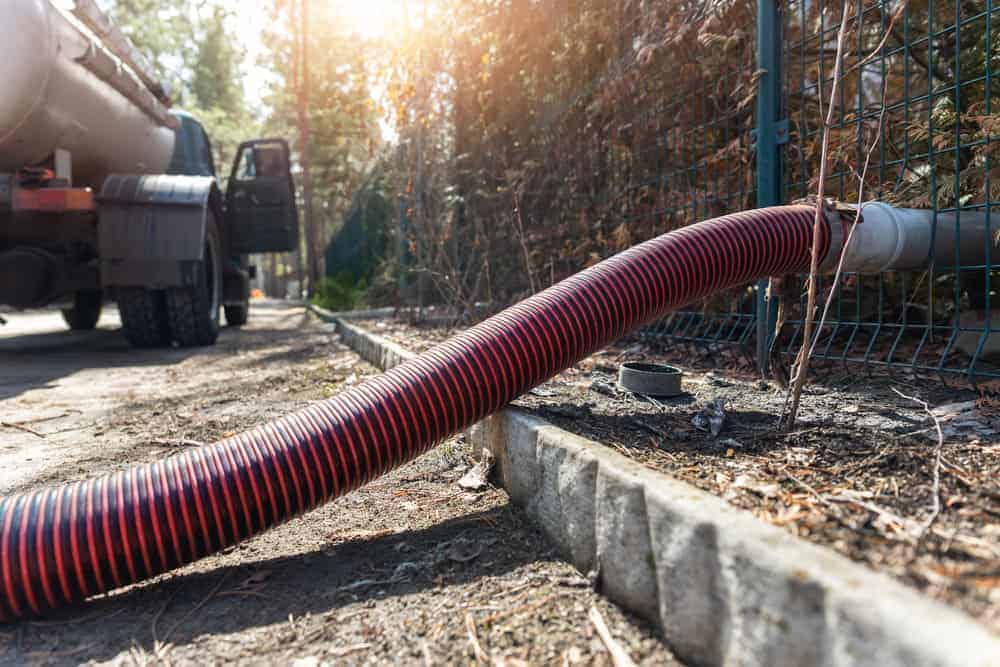
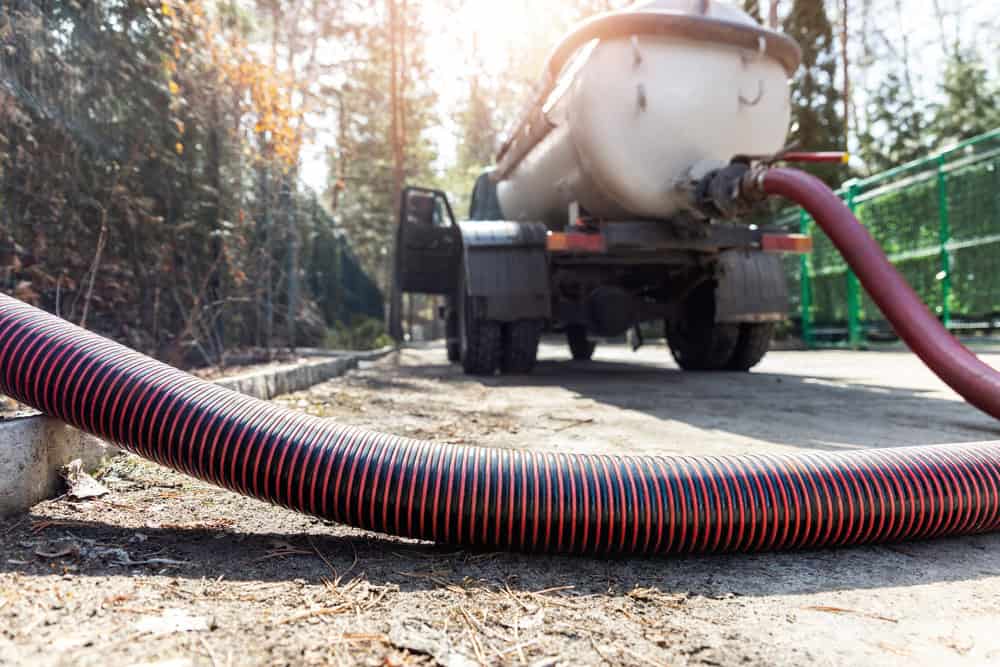
The vacuum truck is the workhorse of professional septic service. These aren’t standard trucks with a tank strapped on—they’re purpose-built vehicles designed specifically for waste removal. The core component is a powerful vacuum pump that creates negative air pressure, essentially sucking waste from your tank into a sealed storage container mounted on the chassis.
Tank capacity matters for Long Island properties. Most residential vacuum trucks hold between 1,000 and 4,000 gallons, though commercial operations might use larger units. The pump’s strength is measured in CFM (cubic feet per minute) and vacuum pressure, which determines how quickly your tank empties and how well the system handles long hose runs or deeper tanks.
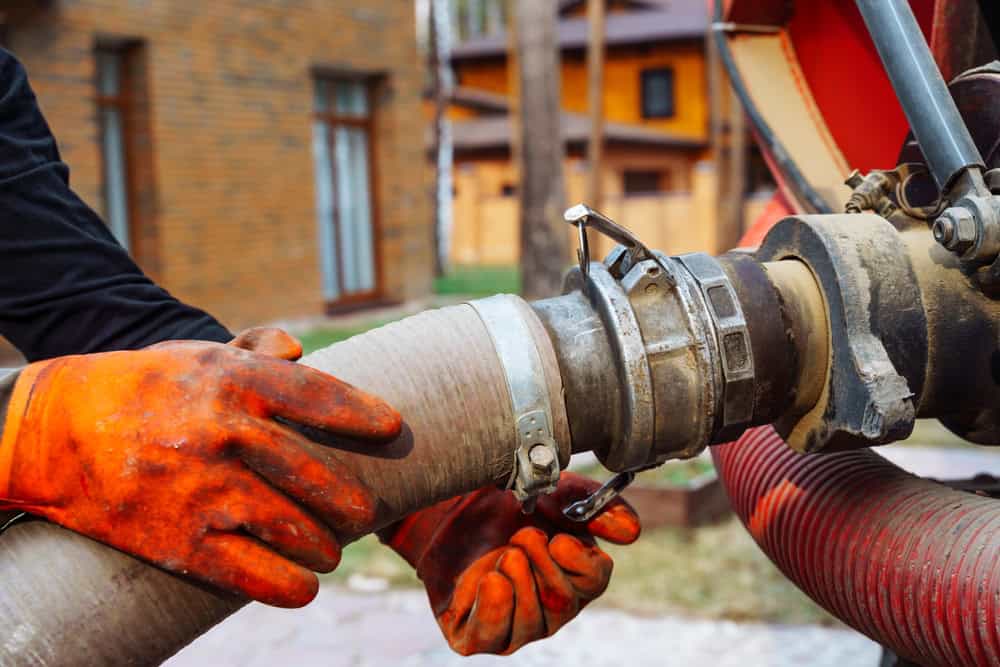
Modern vacuum trucks use PTO-driven systems, meaning the truck’s engine powers the pump. This setup provides consistent, reliable suction without needing separate motors. The waste travels through heavy-duty hoses—typically 3 inches in diameter—into the truck’s tank, where it stays sealed until proper disposal at a treatment facility.
What Makes Modern Vacuum Pumps More Effective
Not all vacuum pumps deliver the same results. The difference comes down to pump type, power output, and how well the system handles the specific waste conditions in your tank. Rotary vane pumps are common in septic work because they create strong, consistent suction and handle the mix of liquids and solids found in residential tanks.
Pump power directly affects how thoroughly your tank gets cleaned. Weak suction means longer service times and incomplete waste removal. Some companies rush through jobs, leaving residual sludge that shortens the time until your next service. Quality equipment pulls everything out—the liquid effluent, the floating scum layer, and the settled sludge at the bottom.
Long Island’s sandy soil creates another consideration. Because water drains quickly here, solids can accumulate faster than in areas with heavier soil. That means your vacuum system needs enough power to handle thicker sludge buildup without clogging or losing suction mid-job.
The hose management system matters too. Professional setups include heated reels for winter work, swivel connections that prevent kinks, and storage on both sides of the truck for easier positioning. These details speed up service and reduce the risk of equipment failure during your appointment.
Material compatibility is critical for septic waste. The pumps need robust seals and proper lubrication systems to handle corrosive wastewater without breaking down. Equipment that works fine for general liquid transport often fails when dealing with septic waste day after day. That’s why we invest in pumps with proven track records in wastewater applications.
How Complete Waste Removal Protects Your System
Thorough pumping isn’t just about emptying your tank. It’s about removing the layers that cause problems when left behind. Your septic tank contains three distinct layers: scum floating on top, liquid in the middle, and sludge settled at the bottom. Each layer needs proper removal to prevent system failure.
The scum layer consists of fats, oils, and lighter solids that float. If this layer gets too thick, it can flow into your outlet pipe and clog your drain field. The sludge layer at the bottom contains heavier solids that haven’t broken down. When sludge reaches about 12 inches deep, it’s time to pump. Wait longer and those solids start escaping into your drain field, where they clog the soil and cause expensive damage.
Some companies do partial pumping to save time. They remove enough waste to stop immediate problems but leave significant sludge behind. This approach means you’ll need service again sooner, and you’re paying repeatedly for incomplete work. Complete waste removal means pulling out all three layers, not just the liquid and surface material.
The disposal process matters too. We transport waste to licensed treatment facilities where it’s processed according to environmental regulations. This protects Long Island’s groundwater and ensures compliance with county requirements. Companies that cut corners on disposal create environmental hazards and potential legal problems for property owners.
Your tank’s condition becomes visible during thorough pumping. Our technicians can inspect baffles, check for cracks, and identify structural issues that need attention. Rushed jobs miss these problems, leaving you vulnerable to sudden failures. Taking the time to do it right means catching small issues before they become emergencies.
For Long Island homeowners, complete pumping also means understanding your system’s specific needs. Older cesspools without septic tanks require more frequent service. Properties with garbage disposals or heavy water usage need attention every 1-2 years instead of the standard 3-5 year schedule. We measure waste levels to customize your maintenance schedule based on actual conditions, not generic timelines.
Non-Invasive Inspection and Advanced Septic Cleaning Tools
Camera inspection technology changed septic service completely. Before these systems existed, diagnosing problems meant guessing, digging, or waiting for visible damage. Now, high-definition cameras mounted on flexible cables let our technicians see exactly what’s happening inside your pipes and tank without excavating your yard.
The camera itself is waterproof and designed to navigate the bends and turns in your plumbing. LED lights illuminate the interior of pipes, and the video feeds back to a monitor in real-time. We can spot cracks, blockages, root intrusion, and structural damage that would otherwise stay hidden until causing major problems.
For Long Island properties, this technology is particularly valuable because tank locations aren’t always documented. Older homes might have incomplete records or landscaping that’s changed since installation. Camera systems can follow your sewer line from the house to locate the tank without digging test holes across your property.
What Camera Inspections Reveal About Your System
A camera inspection shows you the actual condition of your system, not someone’s guess about what might be wrong. The footage reveals blockages and their exact location, so repairs target the problem area instead of excavating blindly. You see root intrusion before it completely clogs your lines. Cracks and structural damage become visible while they’re still manageable.
The inspection process is straightforward. Our technician inserts the camera through an access point—usually a cleanout or the tank opening. As the camera moves through your system, it records everything. The footage gets saved, giving you documentation of your system’s condition. This becomes valuable for tracking changes over time or providing evidence during real estate transactions.
Cost savings come from precision. Without camera technology, diagnosing a slow drain might mean digging up sections of your yard to find the problem. With cameras, you know exactly where the issue is before any excavation starts. That means smaller repair areas, less property damage, and lower labor costs.
Time savings matter too. Traditional diagnosis could take days of trial and error. Camera inspections provide answers in under an hour in most cases. For homeowners dealing with backups or drainage issues, that speed difference means getting your system working again quickly instead of waiting while technicians troubleshoot.
The technology also catches problems early. During routine maintenance, cameras can identify developing issues before they cause symptoms. A small crack that’s not yet leaking, roots that are just starting to penetrate pipes, or buildup that hasn’t caused blockages yet—these show up on camera inspection. Addressing them proactively costs far less than waiting for emergency repairs.
Long Island’s soil conditions make this technology especially important. Sandy soil erodes more easily than clay, and tree roots seek out water sources aggressively. Regular camera inspections help you stay ahead of these local challenges instead of reacting after damage occurs.
How Effluent Filters and Hydro Jetting Protect Your Drain Field
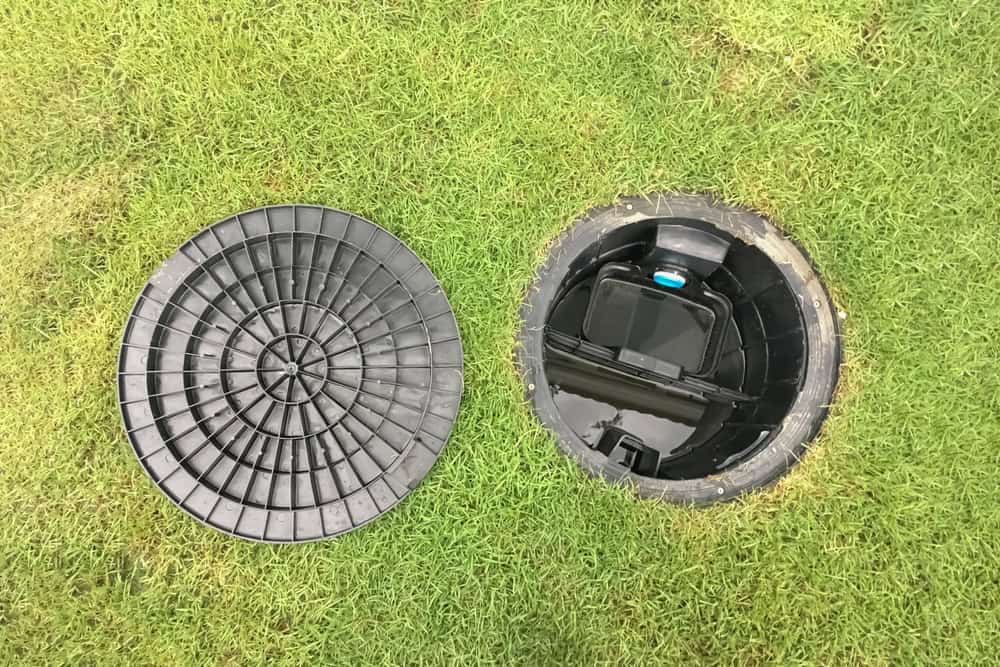
Effluent filters are small devices that make a big difference in system longevity. Installed in your septic tank’s outlet pipe, these cylindrical filters catch solids before they flow into your drain field. Think of them as a last line of defense preventing debris from clogging the soil where your treated wastewater disperses.
The filter works like a strainer. As liquid exits your tank, it passes through the filter screen while solids get caught and fall back into the tank. This keeps suspended particles—things like toilet paper fragments, hair, and organic matter—from reaching your drain field pipes. Without this protection, those solids gradually clog your drain field soil, reducing its ability to absorb water and eventually causing system failure.
Drain field replacement costs anywhere from $5,000 to $20,000 on Long Island. Effluent filters help you avoid that expense by preventing the clogs that cause drain field failure. The filters themselves need cleaning every 6-12 months, typically during routine pumping. That’s a small maintenance task compared to replacing your entire drain field.
Hydro jetting handles problems that basic snaking can’t touch. This technology uses high-pressure water jets to scour the inside of your sewer lines, removing grease buildup, tree roots, and stubborn blockages. The narrow nozzle directs pressurized water streams that cut through debris and flush it away completely.
For sewer line cleaning, hydro jetting offers a long-term solution rather than a temporary fix. A standard drain snake might poke a hole through a clog, but it leaves most of the buildup clinging to your pipe walls. Hydro jetting strips everything away, leaving your pipes clean and flowing freely. This thorough cleaning means you go longer between service calls.
The technology works particularly well for tree root intrusion, a common problem on Long Island properties. Roots seeking water sources work their way into sewer lines through tiny cracks or joints. Once inside, they grow and multiply until they block flow completely. Hydro jetting cuts through these roots and flushes them out, then the high-pressure water helps seal small openings that roots used to enter.
Advanced septic tools like these represent the difference between reactive repairs and proactive protection. Effluent filters catch problems before they reach your drain field. Camera inspections find issues while they’re still small. Hydro jetting clears blockages thoroughly instead of temporarily. Together, these technologies help Long Island homeowners avoid the expensive emergencies that come from neglected systems.
Understanding the Technology Behind Your Septic Service
Professional septic tank cleaning technology exists for a reason—your system is too important and too expensive to service with outdated methods. Vacuum trucks with powerful pumps ensure complete waste removal. Camera inspections reveal problems without destroying your yard. Effluent filters protect your drain field from premature failure. Hydro jetting clears blockages that simple snaking can’t touch.
When you understand the equipment behind the service, you know what to expect and what questions to ask. You recognize the difference between companies using modern technology and those cutting corners with minimal equipment. You make informed decisions about maintenance instead of hoping for the best.
Long Island’s unique conditions—sandy soil, high water tables, and strict environmental regulations—make proper equipment even more critical. Your septic system protects your property value and the aquifer that supplies your drinking water. That’s worth doing right. If you’re looking for septic service that uses the right technology to protect your investment, we bring nearly two decades of experience and the equipment to back it up.