Summary:
When Your Huntington Cesspool Needs Pumping
Most Huntington homeowners need cesspool pumping every 2-3 years, but your timeline depends on household size and water usage. The key is recognizing the warning signs before they become emergencies.
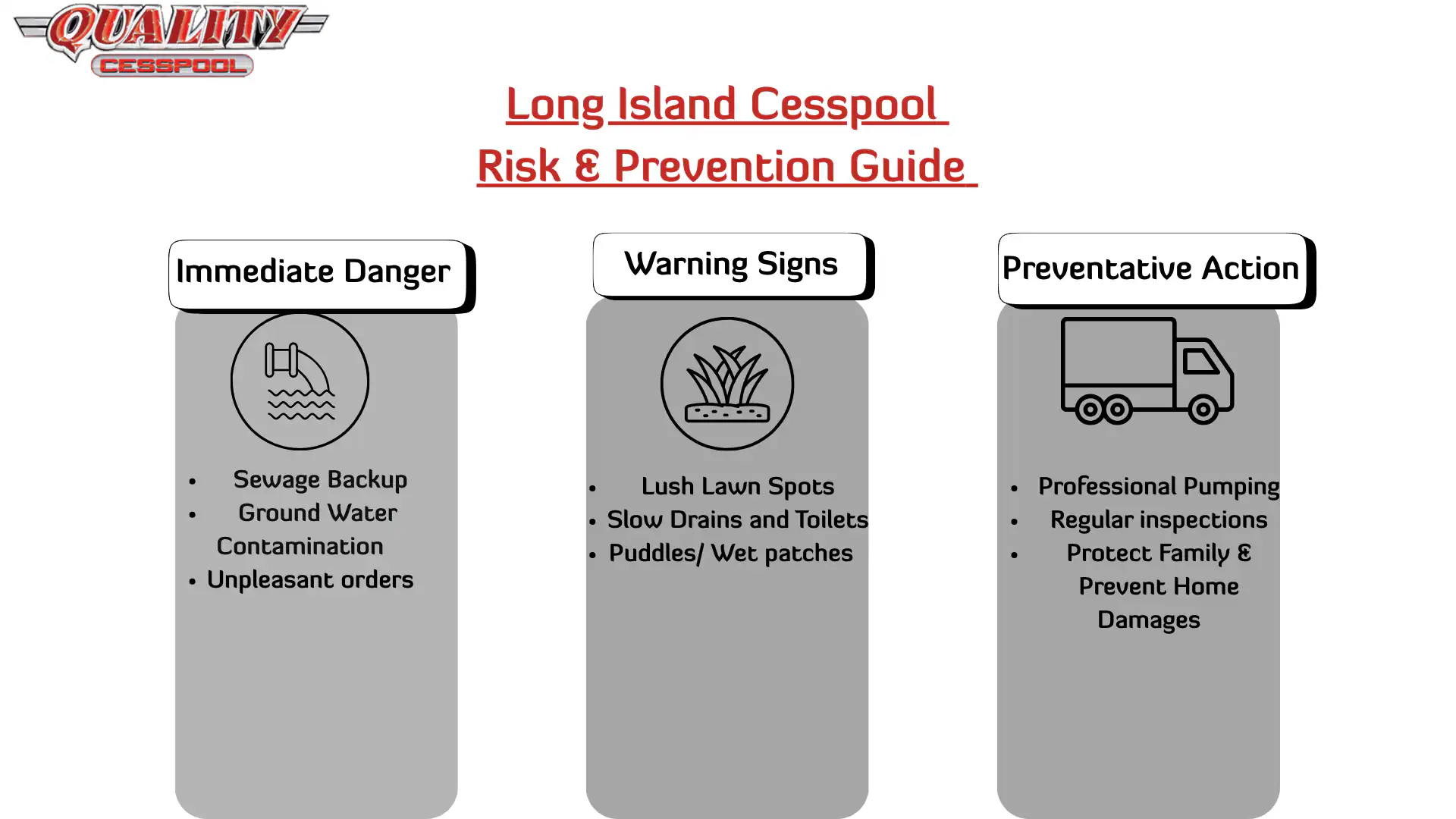
Slow drains throughout your house signal trouble brewing. When sinks, tubs, and toilets all start draining sluggishly, your cesspool is likely reaching capacity. Gurgling sounds from your plumbing fixtures tell the same story—your system is struggling to handle the waste load.
Foul sewage odors around your property are another clear indicator. These smells don’t just disappear on their own, and they’ll only get worse without professional attention.
Warning Signs That Demand Immediate Attention
Some cesspool problems can’t wait for your next scheduled maintenance. If you notice sewage backing up into your home—whether through floor drains, toilets, or other fixtures—stop using water immediately and call for emergency service.
Wet spots or standing water in your yard near the cesspool location indicate serious problems. This isn’t just an inconvenience; it’s a health hazard that can contaminate your property and affect your neighbors. The liquid you’re seeing is raw sewage that’s supposed to be contained underground.
Water backing up when you flush toilets or run water down drains means your system has reached its limit. This complete blockage won’t resolve itself, and continuing to use your plumbing will only make the situation worse. Emergency cesspool pumping can often restore function within hours, but the longer you wait, the more extensive the cleanup becomes.
Long Island’s clay soil conditions make these problems particularly challenging. Unlike sandy soil that absorbs liquids quickly, clay holds water and can cause surface contamination when cesspools overflow. That’s why Huntington homeowners need to stay ahead of these issues rather than react to them.
The good news is that most of these emergencies are completely preventable with regular maintenance. A properly maintained cesspool shouldn’t produce foul odors, cause backups, or create wet spots in your yard.
How Often Huntington Homes Need Service
The “every 2-3 years” rule isn’t universal. Your actual pumping schedule depends on several factors specific to your Huntington property.
Household size makes the biggest difference. A family of two might go four years between pumpings, while a household of six might need service annually. Water usage patterns matter too—homes with teenagers, frequent guests, or heavy laundry loads fill up faster.
Your cesspool’s age and size also affect the timeline. Older systems or smaller cesspools need more frequent attention. If you’re not sure about your system’s specifications, a professional inspection can provide that information and help establish the right maintenance schedule.
Seasonal factors play a role in Huntington specifically. Heavy spring rains can overwhelm systems that are already near capacity. Many homeowners find it helpful to schedule pumping in late fall or early spring, before the ground freezes or the rainy season begins.
Don’t rely on calendar dates alone, though. Pay attention to your system’s performance. If drains are slowing down or you’re detecting odors earlier than expected, don’t wait for your scheduled service. It’s always cheaper to pump a little early than to deal with a backup emergency.
The investment in regular pumping—typically a few hundred dollars—prevents repair bills that often run into thousands. More importantly, it keeps your family comfortable and your property clean.
Professional Cesspool Pumping Process
Quality cesspool pumping involves more than just removing waste. Professional service includes inspection, complete waste removal, and system assessment to catch potential problems early.
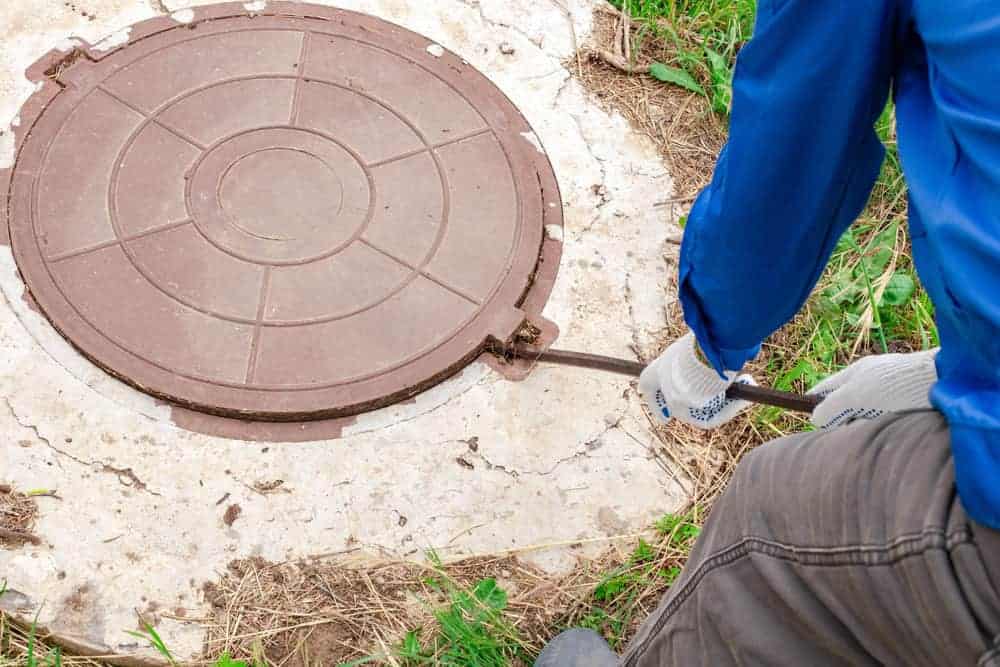
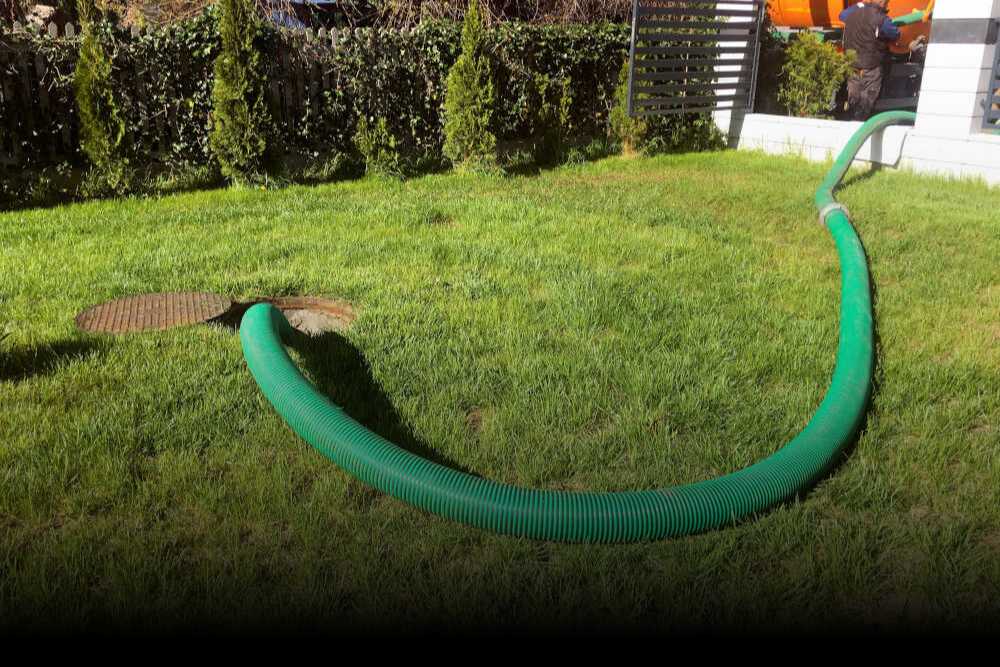
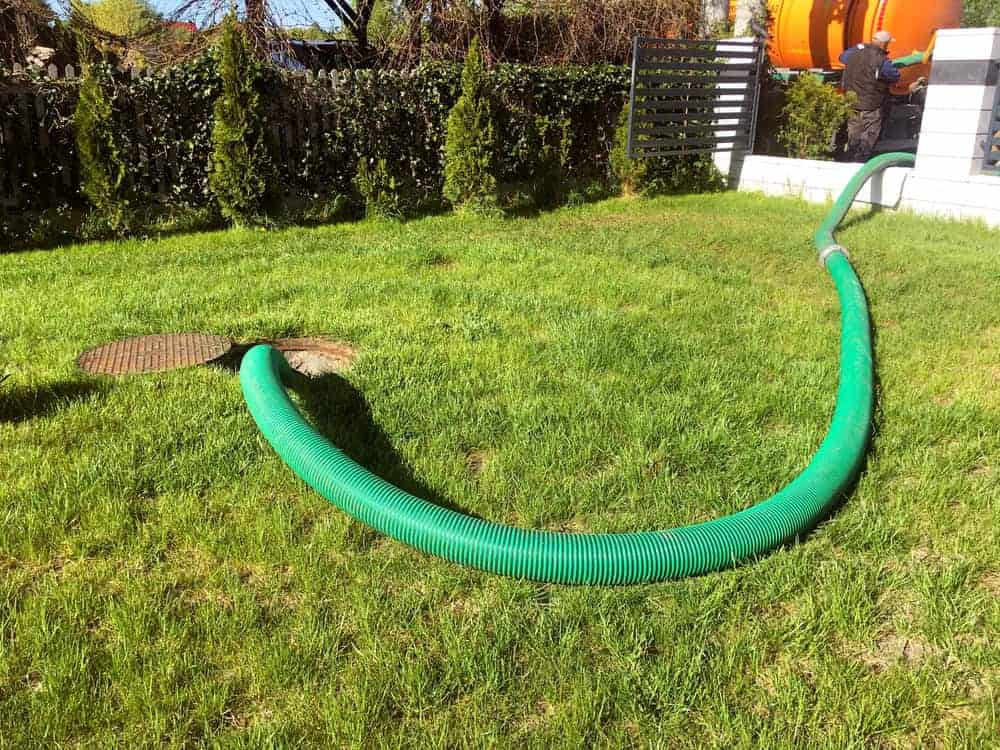
The process begins with locating and accessing your cesspool. Our technicians arrive with specialized equipment designed for thorough waste removal. Modern vacuum trucks can handle various cesspool sizes and conditions, ensuring complete pumping in a single visit.
After waste removal, we conduct a visual inspection of accessible system components. This step often reveals developing issues before they cause failures, saving you from future emergencies and expensive repairs.
What Happens During Professional Service
Professional cesspool pumping follows a systematic approach that ensures thorough cleaning and system assessment.
First, we locate your cesspool and prepare the work area. This includes setting up equipment and taking safety precautions to protect your property and our crew. Proper setup prevents damage to your landscaping and ensures efficient waste removal.
The actual pumping uses powerful vacuum equipment to extract all liquid and solid waste from your tank. Complete removal is crucial—partial pumping leaves behind accumulated solids that can cause problems quickly. Our trucks are equipped to handle the full capacity of most residential cesspools.
During the pumping process, we monitor the waste for signs of system problems. Excessive grease, foreign objects, or unusual waste characteristics can indicate issues that need attention. This real-time assessment helps identify problems before they cause system failures.
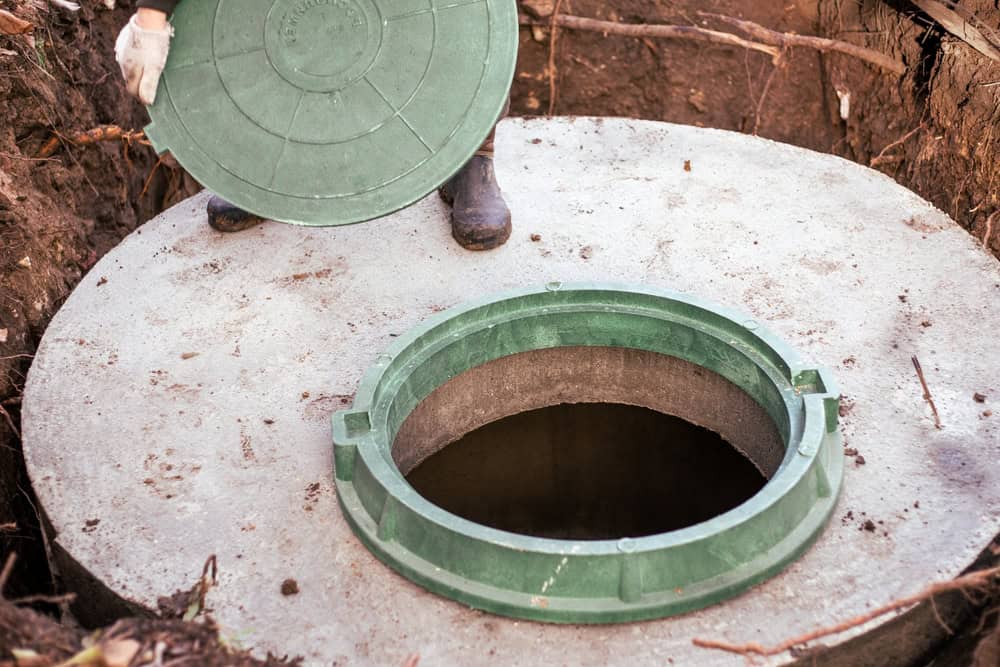
After pumping, we inspect the accessible portions of your cesspool structure. We look for cracks, deterioration, or other damage that could affect system performance. While we can’t see everything without excavation, this visual inspection catches many developing problems.
Finally, we clean up the work area and provide you with information about your system’s condition. If we notice any concerns, we’ll explain what they mean and recommend appropriate next steps. Most homeowners appreciate understanding their system’s current status and what to expect going forward.
Why Professional Equipment Makes a Difference
The equipment used for cesspool pumping directly affects the quality and completeness of the service. Professional-grade vacuum trucks and specialized tools ensure thorough waste removal that DIY approaches can’t match.
Modern pumping trucks feature powerful vacuum systems capable of handling both liquid and solid waste efficiently. These trucks can remove waste from depths and distances that smaller equipment can’t reach. The capacity also means we can completely empty most residential cesspools in a single visit.
Specialized hoses and pumping attachments allow access to cesspools in challenging locations. Whether your system is under a deck, near landscaping, or in a tight space, professional equipment can reach it without damaging your property.
The vacuum power also enables complete waste removal, including settled solids that accumulate at the bottom of cesspools. Incomplete pumping leaves these materials behind, reducing your system’s effective capacity and shortening the time until your next service.
Professional equipment also includes safety features that protect both the technicians and your property. Proper ventilation systems prevent dangerous gas buildup, while containment measures ensure waste doesn’t spill during the removal process.
Perhaps most importantly, professional service includes proper waste disposal. The waste removed from your cesspool must be transported to approved treatment facilities and disposed of according to environmental regulations. This isn’t something homeowners can handle on their own, and improper disposal can result in significant fines and environmental damage.
Choosing Reliable Cesspool Service in Huntington
Regular cesspool maintenance protects your home, your family’s health, and your property value. When problems arise, quick professional response can mean the difference between minor inconvenience and major disaster.
We have served Huntington families for four generations, building our reputation on reliable service and honest communication. We understand Long Island’s unique soil conditions and environmental requirements, ensuring your system receives appropriate care.
Don’t wait for warning signs to become emergencies. Contact us today to schedule service or discuss your system’s maintenance needs.