Summary:
Early Warning Signs Your Cesspool Needs Pumping
Your cesspool system communicates through subtle changes that are easy to miss if you’re not paying attention. The earliest signs often show up in your daily routine long before you’re dealing with a crisis.
Slow drains throughout your house are typically the first red flag. When multiple fixtures start draining sluggishly, it’s not a coincidence. Your cesspool is telling you it’s reaching capacity and struggling to handle the volume of wastewater your household produces.
Water usage patterns matter too. If your family has grown, you’re doing more laundry, or you’ve been entertaining more frequently, your cesspool fills faster than usual. Most Huntington homes need pumping every 2-3 years, but heavy usage can cut that timeline in half.
Sounds and Smells That Signal Problems
Your nose and ears can detect cesspool problems before your eyes do. These sensory warnings are your system’s way of asking for help before things get messy.
Gurgling sounds from toilets, sinks, or drains indicate air displacement in your pipes. When your cesspool approaches capacity, wastewater moves more slowly through the system, creating air pockets that produce those telltale gurgles. This isn’t normal plumbing behavior and shouldn’t be ignored.
Sewage odors around your property are impossible to miss once they start. These smells typically begin near your cesspool location and can spread across your yard, especially during warm weather. The odors indicate that your system is backing up and waste is sitting too close to the surface.
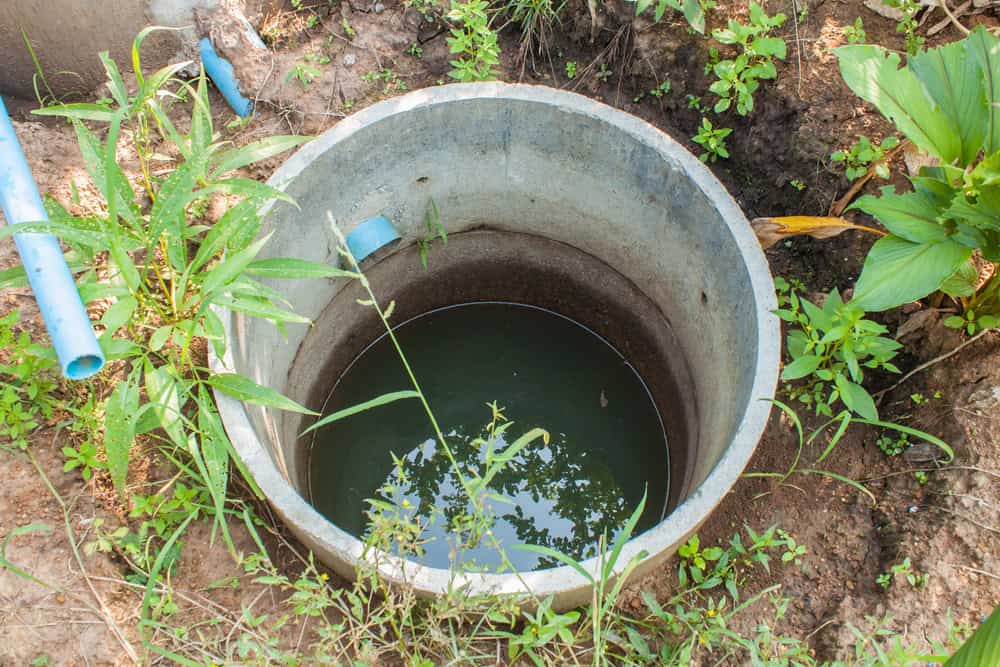
Standing water or unusually green grass over your cesspool area suggests overflow. When a cesspool can’t handle incoming wastewater, it begins to seep upward rather than filtering down through the soil. This creates wet spots that don’t dry up and can make grass grow faster due to the nutrient content.
Inside your home, you might notice toilet water levels rising when you run water elsewhere, or bubbling in your toilet bowl when you drain sinks or tubs. These cross-connections between fixtures happen when your cesspool can’t accept more wastewater and pressure builds up in your plumbing system.
The key is catching these signs early. Once sewage starts backing up into your house, you’re no longer dealing with routine maintenance. You’re facing an emergency that costs significantly more to resolve and creates health hazards for your family.
What Happens When You Wait Too Long
Delaying cesspool pumping doesn’t save money – it costs you more in the long run. Understanding the progression of cesspool failure helps explain why early action is so important.
When solid waste accumulates beyond your system’s capacity, it begins blocking the normal flow of wastewater. Initially, you’ll notice slower drains and occasional gurgling. But as the blockage worsens, wastewater has nowhere to go except back toward your house.
Sewage backups into your home represent a complete system failure. At this point, you’re not just paying for pumping – you’re looking at emergency service calls, potential damage to flooring and belongings, and health risks from exposure to raw sewage. Emergency weekend service can cost twice as much as scheduled maintenance.
The environmental impact escalates quickly too. When your cesspool overflows, untreated wastewater flows into the surrounding soil and potentially into groundwater. This creates contamination issues that can affect your neighbors and violate local health regulations in Huntington.
Property damage extends beyond the immediate mess. Sewage backups can damage flooring, walls, and personal belongings. The cleanup process often requires professional remediation services, and some items may need complete replacement. Your homeowner’s insurance might not cover all these costs, especially if the backup resulted from lack of maintenance.
System replacement becomes necessary when overflow damage occurs repeatedly. A failing cesspool that’s been neglected often requires complete replacement rather than simple repair. In Huntington, complete system replacement can cost $15,000-30,000, compared to a few hundred dollars for routine pumping.
The timeline matters more than most homeowners realize. What starts as a $300-400 pumping service can become a multi-thousand-dollar emergency within months if ignored. Regular maintenance every 2-3 years prevents these expensive scenarios and keeps your system functioning reliably.
How Cesspool Pumping Works in Huntington
Understanding the pumping process helps you know what to expect and why professional service is necessary. This isn’t a DIY job – it requires specialized equipment and proper waste disposal methods.
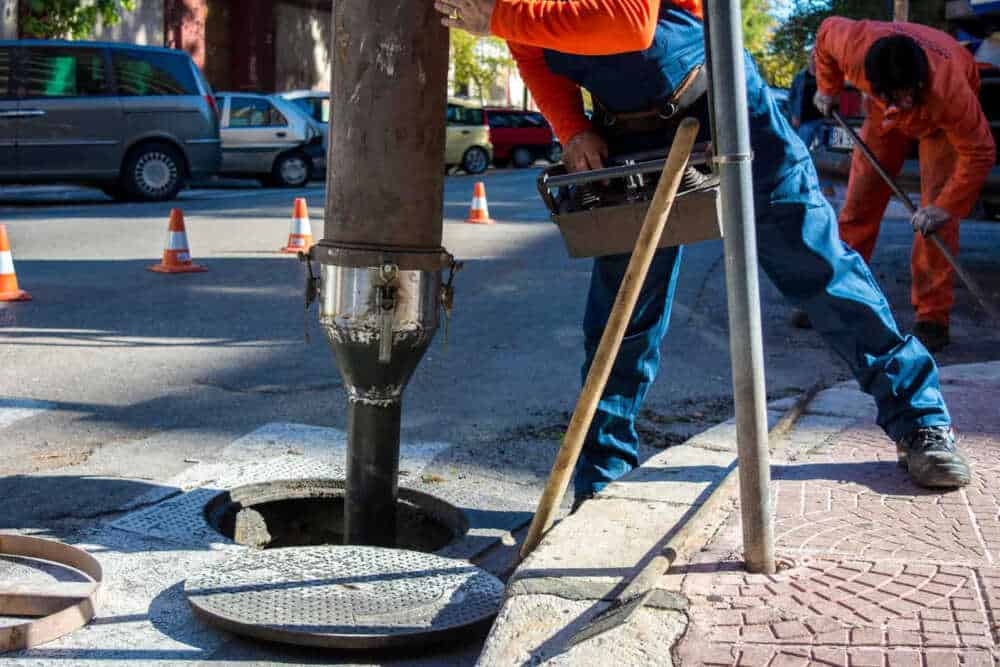
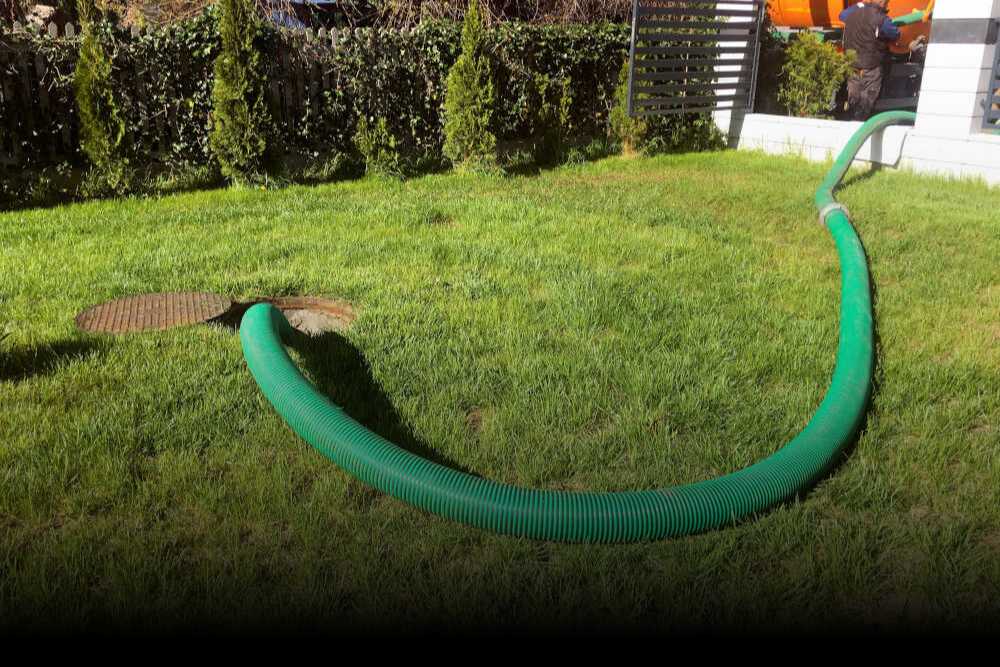
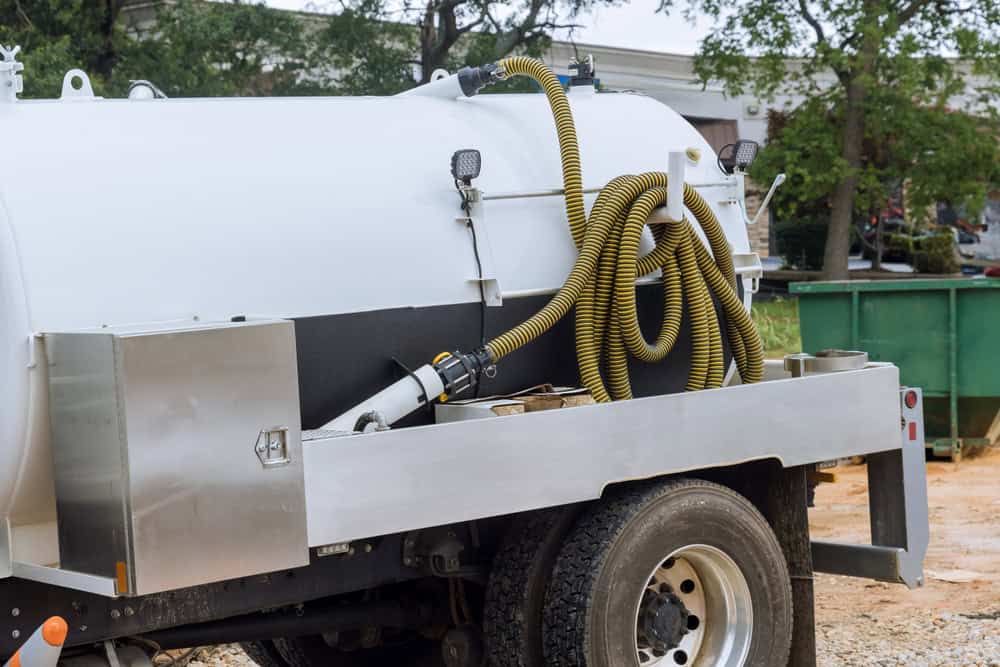
Professional cesspool pumping involves more than just removing liquid waste. We use powerful vacuum trucks to extract accumulated sludge, scum layers, and liquid from your tank. The process typically takes 1-3 hours depending on tank size and accessibility.
The waste removal process is thorough and systematic. We don’t just pump until the tank appears empty – we remove the solid waste layers that build up over time and can cause future problems if left behind.
What to Expect During Professional Service
When you schedule cesspool pumping in Huntington, the process follows a predictable sequence that minimizes disruption to your daily routine.
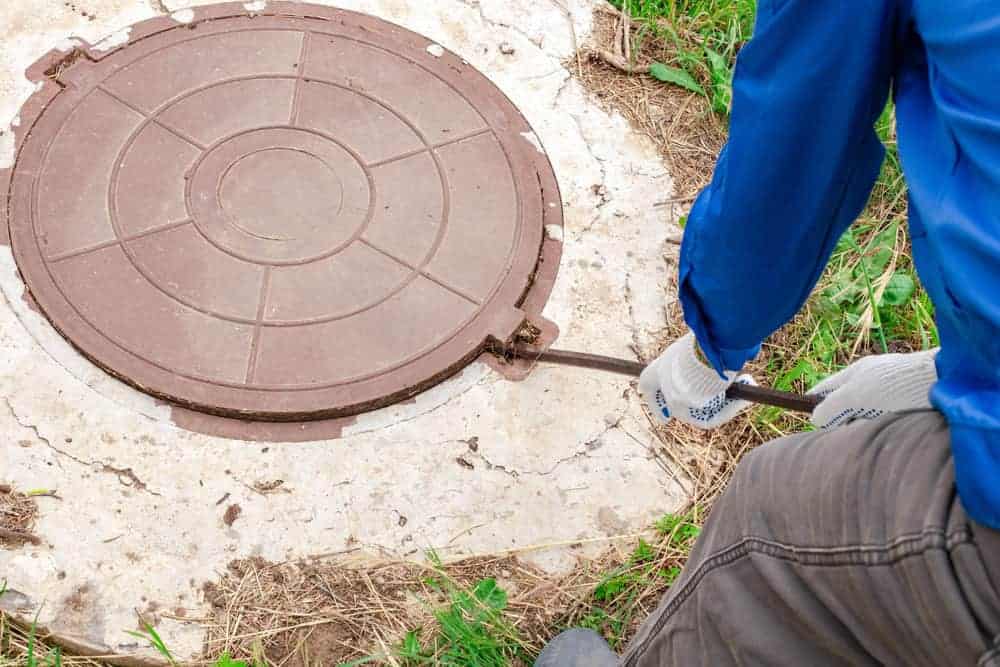
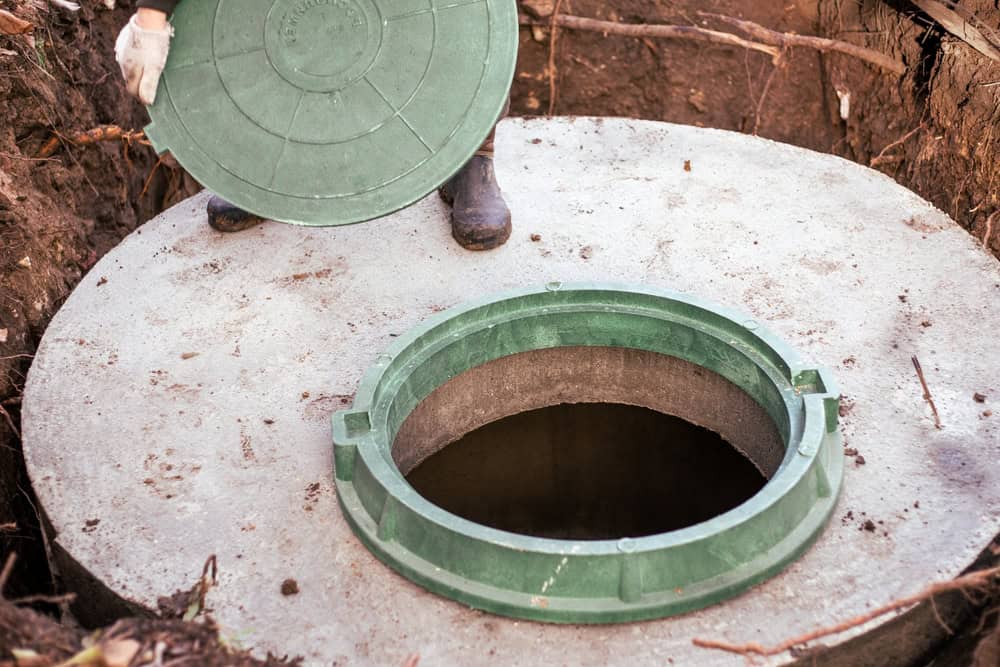
The service begins with locating and accessing your cesspool. Many Huntington properties have tanks that aren’t clearly marked or have been covered over the years, so we may need time to locate the access point. We have the equipment and experience to find your tank efficiently.
Once accessed, the actual pumping process is relatively quick. Modern vacuum trucks can handle most residential cesspools within an hour or two. The equipment is designed to extract both liquid and solid waste completely, ensuring your system starts fresh.
During pumping, we inspect your tank for signs of damage or wear. We check inlet and outlet baffles, look for cracks in the tank walls, and assess the overall condition of your system. This inspection can identify potential problems before they become expensive repairs.
The cleanup process is thorough and respectful of your property. Our service includes proper cleanup of the work area and restoration of any disturbed landscaping. You won’t be left with a mess to clean up after we complete the service.
Waste disposal follows strict regulations. All pumped material is transported to approved treatment facilities for proper processing. This isn’t something homeowners can handle on their own, and improper disposal can result in significant fines and environmental damage.
Documentation is provided after service completion. You’ll receive records showing the amount of waste removed, the condition of your system, and recommendations for future maintenance. These records are valuable for property transfers and can help you track your system’s performance over time.
Choosing the Right Service Provider
Not all cesspool services are equal, and choosing the right provider makes a significant difference in both service quality and long-term system health.
Local experience matters in Huntington because soil conditions, regulations, and system types vary by location. Companies that understand Long Island’s sandy soil conditions and local health department requirements provide better service than generic providers who may not understand regional challenges.
Licensing and insurance are non-negotiable requirements. Professional cesspool service requires proper licensing to handle waste materials and transport them to approved facilities. Insurance protects you from liability if something goes wrong during service.
Equipment quality affects service effectiveness. Modern, well-maintained pumping trucks provide more thorough waste removal and reduce the risk of property damage. Companies that invest in quality equipment typically provide better service overall.
Transparent pricing helps you avoid surprises. Reputable companies provide clear estimates before beginning work and don’t add unexpected charges. Emergency service costs more than scheduled maintenance, but you should know the pricing upfront.
Customer service and communication separate good companies from great ones. You want a service provider who explains what they found, answers your questions, and provides honest recommendations about future maintenance needs. Avoid companies that use scare tactics or pressure you into unnecessary services.
Response time becomes critical during emergencies. Companies that offer 24/7 service and can respond quickly to urgent situations provide valuable peace of mind. When your cesspool backs up on a weekend, you need a company that will actually answer and dispatch a technician promptly.
Protecting Your Huntington Home with Regular Maintenance
Your cesspool system is one of your home’s most critical components, even though it operates out of sight. Recognizing the warning signs and acting promptly protects your investment and prevents expensive emergencies.
Regular pumping every 2-3 years costs a few hundred dollars and keeps your system functioning reliably. Waiting until problems develop can cost thousands and create health hazards for your family. The choice between routine maintenance and emergency repairs is really no choice at all.
When you notice slow drains, gurgling sounds, or sewage odors around your Huntington property, don’t wait to see if the problem resolves itself. Contact Quality Cesspool for professional assessment and service that keeps your system running smoothly for years to come.