Summary:
Why Regular Cesspool Pumping Prevents Costly Long Island Emergencies
Cesspool pumping every 2-3 years prevents the backups and system failures that plague Long Island homeowners. Waiting until your system backs up costs significantly more than preventive maintenance pumping.
Over time, buildup reduces capacity and increases risk of overflow—making regular cesspool pumping crucial. Regular maintenance prevents emergency repairs, ultimately saving you money in the long run.
Your cesspool isn’t designed to hold waste indefinitely. Most Long Island cesspools hold 1,000-1,500 gallons and require pumping when solid waste reaches 25-30% of total capacity.
How Often Should Long Island Homeowners Pump Their Cesspools
Household size determines optimal cesspool pumping schedules. Single-person homes typically need pumping every 3-4 years, while families of four require service every 1-2 years. Homes with garbage disposals, large laundry loads, or frequent entertaining need more frequent pumping to prevent premature system failure.
Generally, it’s recommended to pump out the cesspool every three to five years. However, water usage factors like running multiple loads of laundry daily, long showers, and lots of dishwasher use can fill your tank faster. Garbage disposals add more solids to your tank, which means more frequent pumping.
Missed pump-outs or failed reports can mean fines of $250–$2,000 in New York. Suffolk County requires cesspool pumping records for property transfers and renovation permits. Homeowners must maintain documentation showing regular waste removal by licensed contractors to avoid delays during real estate transactions.
The key is establishing a maintenance schedule before problems arise. We measure actual waste accumulation rates during each service to customize maintenance schedules for your specific usage patterns. Factors like soil conditions, system age, and seasonal occupancy changes affect pumping frequency and timing recommendations.
Warning Signs Your Long Island Cesspool Needs Immediate Pumping
Common signs of cesspool issues include slow drainage in sinks, bathtubs, and toilets, foul odors around the property, and pooling water in the yard, especially near the cesspool area. Slow draining fixtures, sewage odors around your property, and gurgling sounds from drains indicate your cesspool needs immediate pumping. Standing water or wet spots near the cesspool location signal system overload requiring emergency service.
Early signs of hydraulic failure are gurgling drains, a circle of lawn that is always soggy, and more green than the rest of the yard. In winter these areas may take longer for snow to accumulate as the warm wastewater just below the surface melts the falling snow. Hydraulic failures typically require the homeowner to pump their system several times per year.
Any sewage backup into your home requires immediate professional intervention to prevent health hazards. Don’t ignore these warning signs. Regular maintenance is vital to prevent such occurrences. Identifying symptoms early can save significant hassle and expense.
The consequences of waiting become severe quickly. Many cesspools built prior to 1970 were built from concrete blocks and have far exceeded their structural life span. If left ignored these aging pieces of infrastructure can “catastrophically fail,” which often results in a large sewage filled sinkhole in the yard which people and pets can fall into.
Long Island Cesspool Regulations and Compliance Requirements
Existing cesspools are generally allowed to remain in operation on Long Island, but with some important exceptions and changes coming. Cesspools, outlawed in new construction since 1973, will no longer be allowed as replacements for old cesspools. Homeowners are not required to replace existing systems, but voluntary replacements must meet 1973 standards for new systems.
Only licensed professionals like our certified cesspool services can certify, inspect, pump, and report under current Nassau/Suffolk and NY State rules. Cesspool pumping is mandatory for all Long Island homes with existing systems.
Environmental Impact and Water Quality Protection
The New York State Department of Environmental Conservation has determined that conventional septic systems and cesspools on Long Island are considered failing since they are neither designed, nor capable of removing significant amounts of nitrogen. Conventional septic systems and cesspools are not designed to remove nitrogen. As a result, nitrogen in sewage easily seeps into the ground, then to groundwater, and ultimately to our bays and harbors.
Nitrogen pollution from cesspools and septic systems has been identified as a leading cause of degraded surface water quality on Long Island, contributing to restrictions on shellfishing, toxic algae blooms, and massive fish kills. Approximately 40,000 residential properties on the North Shore of Nassau County are currently served by cesspools and septic systems. Reversing the degradation of water quality depends on the replacement of existing systems with new nitrogen-reducing technologies.
Too much nitrogen can lead to algae blooms (some of which are toxic to humans) which, when these blooms die off, can deplete the bay of oxygen needed by fish and other marine life. In addition, excess nitrogen can lead to the loss of wetland marshes as their roots become too shallow to withstand storms and other disturbance. Since these wetlands protect Long Island’s shorelines from storms, serve as a natural filter for stormwater, and provide habitat for marine life, their destruction can cause significant negative impacts.
The good news? IA OWTS systems have been shown to remove up to 90% of the nitrogen that leads to these problems. Suffolk County provides up to $10,000 base grant for system improvements, while Nassau County provides grant funding of up to $20,000 to replace conventional septic systems and cesspools with nitrogen-reducing systems.
Professional Service Requirements and Safety Considerations
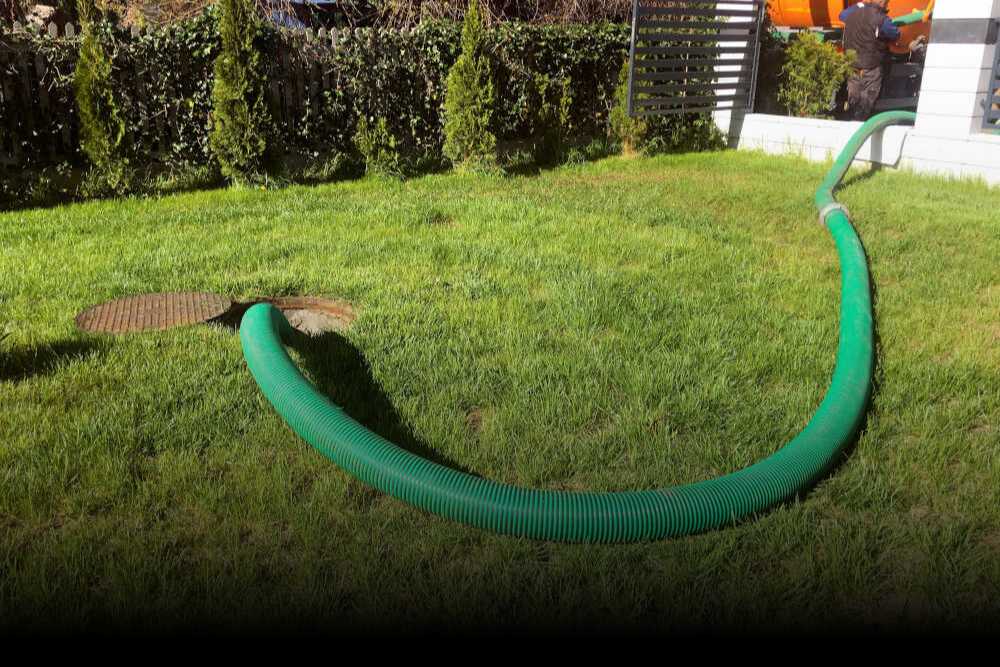
Cesspool pumping requires specialized vacuum trucks, safety equipment, and proper waste disposal permits that homeowners cannot access. Professional pumping also includes system inspection and documentation required for county compliance. Attempting DIY cesspool pumping creates serious health risks from toxic gases and contamination exposure.
If a homeowner is not experienced in cesspool maintenance , they should hire a professional to inspect and maintain the cesspool. A professional can identify any potential problems and provide advice on how to properly maintain the cesspool. It is important to have the work done by a professional. This will ensure that the job is done correctly and that any potential problems are identified and addressed before they become serious. Additionally, it is important to ensure that the septic tank is inspected regularly to ensure that it is working correctly and to identify any potential problems.
Professional inspection by licensed technicians includes checking structure, inflow pipe, and visible leaks. Pump cesspool every 2–3 years, or at signs of trouble. Surface check includes removing roots, checking for wet/soft soil and odors, and clearing vents. Keep records: Document inspections, repairs, and pump-outs—required by New York law.
Quality matters when choosing your cesspool service provider. Companies that have been in the business for many years tend to have a deeper understanding of the specific challenges faced on Long Island. We have seasoned professionals who can provide more accurate diagnostics and efficient solutions. Exceptional customer service distinguishes top cesspool services. We prioritize customer satisfaction and are responsive, transparent, and willing to go the extra mile to ensure your needs are met. We offer 24/7 emergency support, clear communication, and a friendly, professional approach.
Protecting Your Long Island Property Investment with Regular Cesspool Service
The price for failure is steep and it’ll cost thousands of dollars to have your system replaced. We guarantee that you won’t like the number that is printed on that bill. The one simple service that prevents this scenario? Regular cesspool pumping every 2-3 years.
Waiting too long between pumping services allows waste layers to compact and harden, making removal more difficult and expensive. Systems pumped on schedule require less time and effort, reducing service costs while maintaining optimal performance. Don’t gamble with your property’s most critical infrastructure.
For Long Island homeowners who want reliable, professional cesspool services, Quality Cesspool provides the expertise and dependability your property deserves. Schedule your maintenance before problems arise—your future self will thank you.