Summary:
What Happens When You Skip Septic Tank Cleaning
Your septic tank isn’t magic. It’s a concrete or plastic box buried in your yard that holds everything your household sends down the drain. Over time, solid waste settles at the bottom as sludge while grease floats to the top as scum. The liquid in between flows out to your drain field where soil filters it naturally.
When you skip pumping, those solid layers keep building. Eventually there’s no room left for the liquid to separate properly. Solids start escaping into your drain field, clogging the soil and preventing it from absorbing wastewater. Once that happens, you’re not dealing with a simple pump-out anymore. You’re looking at drain field repair or replacement, which is where costs spiral out of control.
Most homeowners don’t realize how fast this progression happens. A family of four can fill a standard 1,000-gallon tank to capacity in about 18 months. Push it to three or four years without service, and you’re gambling with thousands of dollars every day you wait.
Signs Of A Full Septic Tank Before It's Too Late
Your septic system will warn you before it fails completely. The problem is most people don’t recognize the signs until sewage is already backing up into their home.
Slow drains are usually the first indicator, especially if multiple fixtures are affected at once. If your toilet, shower, and kitchen sink are all draining slower than normal, your tank is likely full. Gurgling sounds from your drains or toilets mean air is trapped in your plumbing because wastewater isn’t flowing freely.
Foul odors around your property, particularly near the tank or drain field, signal that gases from decomposing waste are escaping. Standing water or unusually lush grass over your drain field is a red flag. When your system is overloaded, wastewater seeps to the surface and acts as fertilizer. That bright green patch in your yard isn’t a good thing.
The worst sign is sewage backing up into your home through toilets, showers, or floor drains. By this point, your tank has exceeded capacity and the entire system is compromised. This is a health hazard and an emergency that requires immediate professional attention. Waiting even a day can cause extensive property damage and expose your family to harmful bacteria.
If you notice any of these warning signs, don’t wait to see if they resolve on their own. They won’t. The longer you delay, the more expensive the fix becomes. A simple pump-out that costs a few hundred dollars can prevent a $15,000 system replacement.
Many Long Island homeowners also report toilets that don’t flush with their usual power or water pooling around the septic tank area after rain. These aren’t minor inconveniences. They’re symptoms of a system that’s already struggling and heading toward failure.
The soil conditions on Long Island, combined with older homes and high water tables, make septic systems particularly vulnerable when they’re not maintained properly. You might think you can push it another few months, especially if the signs seem minor. But septic overflow prevention starts with recognizing these early warnings. Once the drain field starts clogging with solids, the deterioration accelerates. What seems like a small issue today can become a complete system failure within weeks.
The Real Cost Of Septic Replacement Vs. Annual Pumping
Let’s talk numbers because that’s what matters when you’re deciding whether to schedule maintenance or roll the dice.
A standard septic tank cleaning in Long Island costs between $300 and $600 depending on tank size and access. If you pump every three to five years as recommended, you’re spending maybe $100 to $200 per year to keep your system functioning properly.
Compare that to septic system replacement. A complete system replacement, including new tank and drain field, runs between $10,000 and $15,000 for most residential properties. If your property has difficult soil conditions, limited space, or requires an advanced treatment system, costs can climb to $20,000 or more. That’s not including the cost to repair your lawn, landscaping, or any structures that need to be removed to access the system.
Even if you only need drain field replacement because you caught the problem before total failure, you’re still looking at $5,000 to $12,000. The drain field is the most expensive component of your septic system because it requires excavation, new distribution pipes, gravel, and soil work across a large area of your property.
Breaking it down further, neglecting a $400 pump-out every three years means you’re saving $1,200 over a decade. But one system failure wipes out that “savings” twenty times over. You’re not being frugal by skipping maintenance. You’re making a bet that will almost certainly cost you more in the long run.
The financial hit doesn’t stop at the replacement cost either. When your septic system fails, you often can’t use your plumbing until it’s fixed. That might mean hotel stays for your family, eating out for every meal, and taking time off work to deal with contractors.
If sewage backs up into your home, you’re also paying for professional cleaning, sanitization, and potentially replacing damaged flooring, drywall, and belongings. Insurance typically doesn’t cover septic system failure caused by lack of maintenance.
There’s also the impact on your property value. If you’re trying to sell your home, a failed or failing septic system will either kill the deal or force you to replace it before closing. Buyers won’t take on that liability, and mortgage companies won’t approve loans for properties with known septic issues.
The math is simple. Regular septic tank cleaning costs a few hundred dollars every few years. Neglect costs thousands when it fails, plus the stress, disruption, and health risks that come with sewage emergencies.
How Often Should You Actually Pump Your Septic Tank
The standard recommendation is every three to five years, but that’s not the full story. Your actual pumping schedule depends on several factors including household size, tank capacity, water usage, and whether you have a garbage disposal.
A couple living alone with a 1,500-gallon tank might safely go five years between pumpings. A family of five with a 1,000-gallon tank should pump every two to three years. The EPA recommends having your tank inspected every one to three years and pumped when the sludge and scum layers occupy about one-third of the tank’s volume.
Most professionals can assess this during an inspection and give you a specific timeline based on your system’s condition. This is far more accurate than guessing or following a generic schedule. If you use a garbage disposal, pump more frequently. Food waste doesn’t break down as easily as human waste and accelerates sludge buildup.
Annual Pumping Schedule Vs. Waiting Until You Have Problems
Some homeowners adopt an annual pumping schedule regardless of tank size or household usage. While this might seem excessive, it’s actually a smart insurance policy if you want zero risk of system failure.
Annual septic tank cleaning ensures your tank never reaches capacity, your drain field never gets overloaded with solids, and you catch any developing issues before they become emergencies. The cost difference between pumping every year versus every three years is only a couple hundred dollars annually.
For many Long Island homeowners, especially those with older systems or large families, that peace of mind is worth it. You never have to worry about warning signs, never have to track when your last service was, and never risk a holiday weekend emergency when your tank overflows during a family gathering.
The alternative approach is waiting until you notice problems. This is the most expensive strategy, even though it seems like you’re saving money by not paying for service you don’t “need.” By the time symptoms appear, your tank is already overfull and your drain field may already be compromised.
Even if you get lucky and pump right as symptoms start, you’re still cutting it close. Septic systems don’t fail on convenient schedules. They fail when they’re full, which could be right before you host Thanksgiving dinner, during a winter freeze, or when contractors are booked out for weeks. Emergency service costs more, and the stress of dealing with a septic crisis while trying to manage daily life is something most people would pay extra to avoid.
There’s also the issue of drain field longevity. Every time your tank gets close to capacity, solids start escaping into your drain field. Even if you pump before total failure, those solids are already in your soil, slowly clogging the pores that allow wastewater to filter through.
Over time, this cumulative damage shortens your drain field’s lifespan. Regular pumping before the tank reaches capacity prevents this gradual deterioration and can extend your drain field’s life by decades. Think of it like changing your car’s oil. You could wait until the engine starts making noise, but by then you’ve already caused damage.
For Long Island specifically, the combination of older homes, varying soil conditions, and high water tables makes regular maintenance even more critical. Many properties have septic systems that were installed decades ago and are already operating on borrowed time.
What To Expect During Professional Septic Tank Pumping
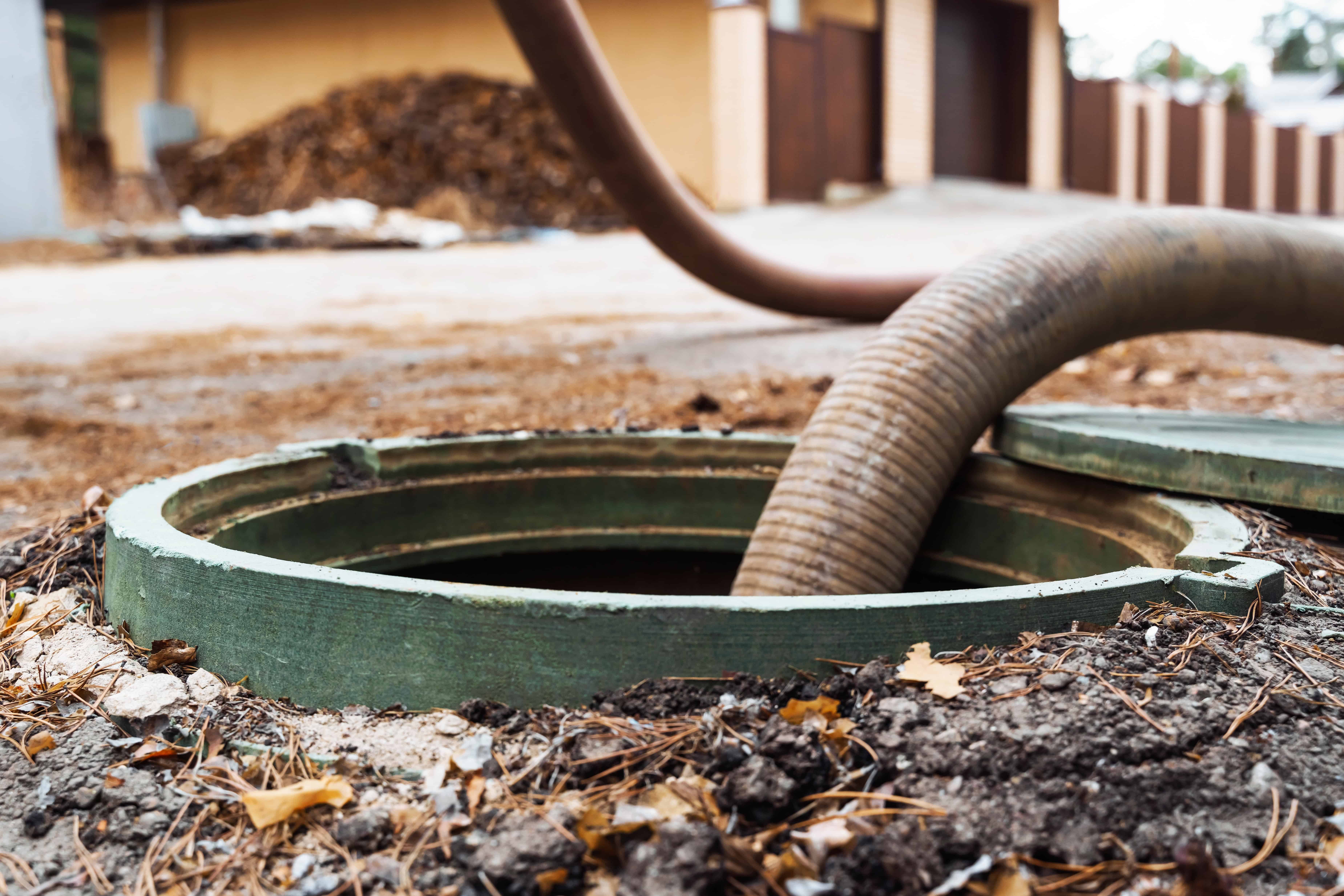
Understanding the process helps you know what you’re paying for and why it matters. A professional pumping service starts by locating and uncovering your tank’s access lid. If your system doesn’t have a riser bringing the lid to ground level, this might involve some digging.
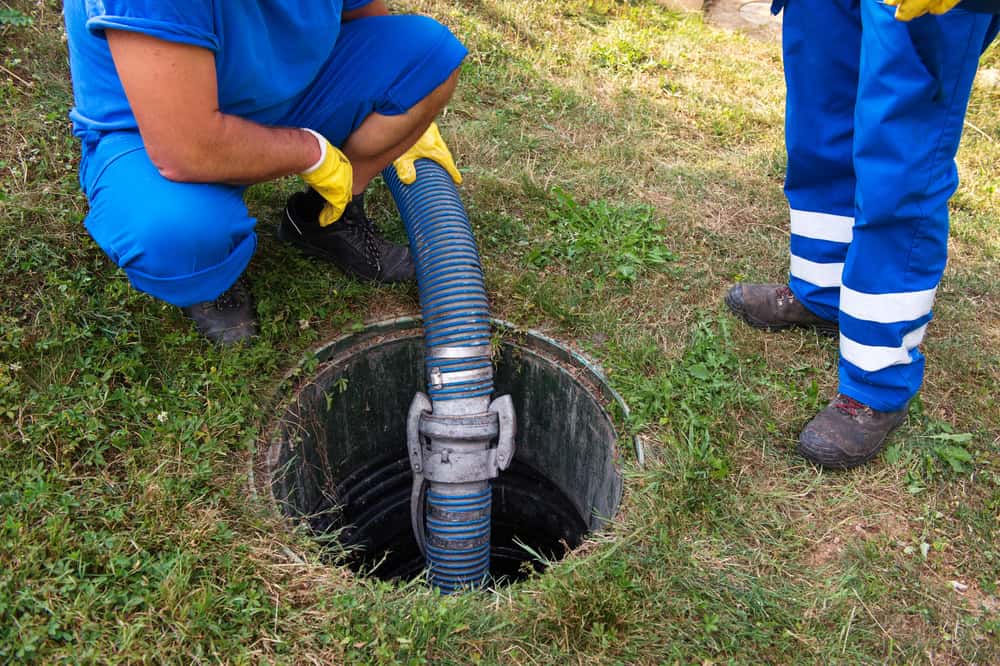
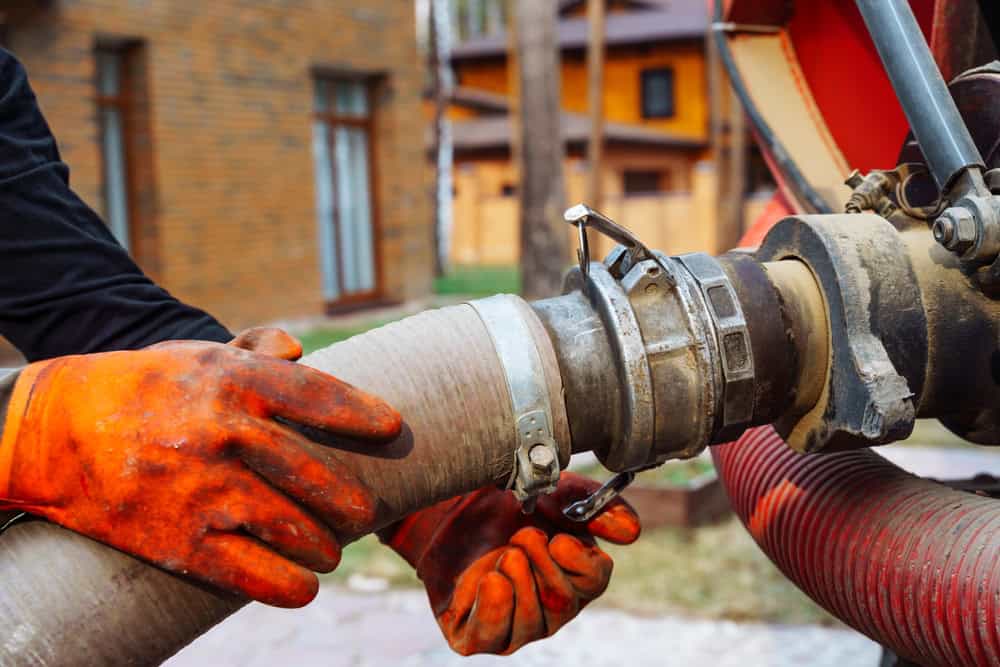
Once the tank is open, the technician will inspect the levels of sludge and scum to confirm pumping is needed and assess overall system condition. The actual pumping uses a vacuum truck to remove all liquid and solid waste from the tank. This isn’t just sucking out the water. The technician should also break up and remove the sludge layer at the bottom and scrape off the scum layer at the top.
A thorough pump-out removes everything, leaving your tank empty and ready to start fresh. This process typically takes 30 minutes to an hour depending on tank size and access. After pumping, a good service provider will inspect the tank’s interior for cracks, check the inlet and outlet baffles for damage, and look at the drain field area for signs of saturation or failure.
They should also measure how much solid waste was in the tank, which helps determine if your pumping schedule needs adjustment. If you’re pumping every three years but the tank is only half full, you can probably extend the interval. If it’s completely packed, you need to pump more often.
The waste removed from your tank goes to a treatment facility where it’s processed according to environmental regulations. This is one reason DIY septic pumping isn’t practical or legal in most areas. Licensed professionals have the equipment and permits to handle and dispose of sewage properly.
Some companies offer additional services during pumping like video camera inspections of your drain lines, filter cleaning or replacement, and bacterial additive treatments. Whether these extras are worth it depends on your system’s age and condition.
After service, you should receive documentation showing the date, amount pumped, tank condition, and any recommendations for repairs or schedule adjustments. Keep these records with your home maintenance files. They’re useful for tracking your system’s health over time and can be required for real estate transactions.
The entire process should be straightforward and professional. The crew should protect your lawn, clean up any mess, and leave your property in the same condition they found it. Quality septic tank cleaning service matters when you’re trusting someone with a critical component of your home’s infrastructure.
Protecting Your Investment With Regular Septic Maintenance
Your septic system is one of the most important and expensive components of your home, yet it’s probably the one you think about least. That needs to change.
Regular maintenance isn’t just about avoiding catastrophic failure. It’s about protecting a major investment, preserving your property value, and ensuring your family’s health and safety. Preventing sewer line backup and septic overflow starts with a consistent pumping schedule, not reactive emergency calls.
The homeowners who end up with $15,000 repair bills aren’t unlucky. They’re the ones who ignored maintenance, dismissed warning signs, and assumed their system would keep working indefinitely without attention. The homeowners who never have septic emergencies are the ones who schedule regular service, stay ahead of problems, and treat their system as the critical infrastructure it is.
The difference between these outcomes is a few hundred dollars every few years and the discipline to follow through. If it’s been more than three years since your last pumping, or if you can’t remember when you last had service, now is the time to schedule it. Don’t wait for warning signs. Don’t gamble on making it through one more season. We can save you from the nightmare of sewage backing up into your home and the financial devastation of emergency system replacement.