Summary:
Health Hazards of Overfilled Cesspools in Long Island
When your cesspool overflows, it’s not just dirty water seeping into your yard. In addition to nitrogen pollution, failing septic systems release pathogens that are a direct threat to human health. Raw sewage contains dangerous bacteria, viruses, and parasites that can cause serious illness.
The contamination spreads quickly through Long Island’s sandy soil. What starts as a soggy patch in your backyard can become a breeding ground for disease. Children and pets playing in contaminated areas face immediate exposure to harmful pathogens.
Research by environmental groups and the U.S. Geological Survey has found that Long Island’s water is particularly vulnerable to contamination due to its close proximity to the soil under residents’ feet. A significant risk comes from the many septic tanks or cesspools still used in many homes on Long Island. This unique geography means contamination spreads faster here than in other regions.
Sewage Backups and Property Damage
The most obvious sign of a broken cesspool is a plumbing system backup. But by the time sewage is backing up into your home, you’re already facing a serious emergency. The damage happens fast and the cleanup costs add up quickly.
Sewage backups don’t just affect your basement. You might notice water backing up in basement drains or toilets, or see wet, soggy areas over your drain field. The contaminated water damages flooring, walls, and personal belongings. Everything it touches needs professional cleaning or replacement.
Insurance coverage for sewage backups varies, and many homeowners discover their standard policy doesn’t cover the full cost of cleanup and restoration. The average sewage backup cleanup can cost thousands of dollars, not including the temporary housing expenses while your home is being restored.
We’ve received calls in the middle of the night when homeowners had cesspool problems and sewage was overflowing into the basement of their house. This real customer experience shows how quickly these emergencies can escalate. What seems like a minor drainage issue in the evening can become a major disaster by morning.
The contamination isn’t just unpleasant—it’s hazardous. Professional remediation teams must remove all contaminated materials and sanitize affected areas. The process can take days or weeks, depending on the extent of the damage. During this time, your home may be uninhabitable.
Environmental Impact on Long Island's Water Supply
Long Island’s unique geography makes cesspool failures particularly dangerous for our environment. In Suffolk County alone, where about 75% of homes have on-site sewage disposal, there are approximately 250,000 cesspools that discharge “raw, untreated human waste,” according to a 2019 report by local health officials. When these systems fail, the environmental consequences affect entire communities.
Nitrogen pollution from cesspools and septic systems has been identified as a leading cause of degraded surface water quality on Long Island, contributing to restrictions on shellfishing, toxic algae blooms, and massive fish kills. Your overfilled cesspool doesn’t just threaten your property—it contributes to a region-wide environmental crisis.
The contamination travels through groundwater to reach Long Island Sound and local bays. Nitrogen buildups have polluted drinking water sources and have contributed to hypoxic areas in the Sound. These are areas of low dissolved oxygen concentrations stemming from excessive amounts of nutrients, like nitrogen, causing abnormal and dense plant growth. This process disrupts marine wildlife, wrecking food chains as fish clear the area and more immobile organisms, like crabs and starfish, are left to suffocate, effectively creating dead zones.
The problem is getting worse. The Nature Conservancy says that efforts in recent years to protect and restore Long Island’s water have begun to pay off, but now more frequent floods exacerbated by climate change have created a new risk. “Climate change poses new threats as rising sea levels and more extreme weather put a strain on antiquated wastewater systems,” the group states on its website.
Local regulations are tightening in response. Suffolk County has implemented stricter requirements for cesspool replacement and maintenance . Homeowners who ignore these requirements face potential fines and may be required to upgrade their systems at significant expense.
Warning Signs Your Cesspool is Dangerously Full
Recognizing the early warning signs can save you from a costly emergency. Identifying symptoms early can save significant hassle and expense. The key is knowing what to look for before the situation becomes critical.
The telltale signs that signal it’s time to service your cesspool include unpleasant odors, slow drainage, water in the basement, and gurgling sounds. These symptoms often appear gradually, making them easy to dismiss as minor annoyances.
Don’t wait for multiple symptoms to appear. Even one warning sign indicates your cesspool needs professional attention. The longer you wait, the more expensive the solution becomes.
Drainage Problems Throughout Your Home
Some common signs of cesspool issues include slow drainage in sinks, bathtubs, and toilets. When your cesspool is overfilled, there’s nowhere for new wastewater to go. The backup starts with the fixtures closest to the ground level and works its way up through your plumbing system.
You might notice that multiple drains are affected at once. There are several indicators that you have a clog or blockage in your cesspool system: drains are backed up. Typically if there is a blockage, you will see all drains in your home backing up. This is different from a single clogged drain, which usually affects just one fixture.
The drainage problems often start subtly. Your shower might drain a little slower than usual. The kitchen sink takes an extra few seconds to empty. These small changes are easy to ignore, but they’re your cesspool’s way of warning you about a developing problem.
Unusual “gurgling” sounds when running water or flushing toilets are another clear warning sign. These sounds occur when air gets trapped in your plumbing system because wastewater can’t flow freely to your cesspool. The gurgling indicates that your system is struggling to handle the normal flow of wastewater.
Don’t assume the problem will resolve itself. Drainage issues caused by cesspool problems only get worse over time. What starts as slightly slow drainage can quickly escalate to complete backups and sewage overflows. Unfortunately, at that point, the problem may be severe and be much more costly than a typical service, pump and clean. This is why we highly recommend getting your cesspool system regularly inspected, pumped and cleaned. This will not only save you money from requiring significant repair work but it will also help you prevent any unnecessary surprises down the road.
Odors and Yard Contamination Signs
Foul odors around the property are among the most noticeable signs of cesspool problems. These aren’t just unpleasant—they indicate that raw sewage is escaping from your system and contaminating your property.
The odors often start near your cesspool location but can spread across your entire yard. Bad smells around your septic tank area usually mean it’s time for service. The smell gets stronger during warm weather when bacterial activity increases and gases rise more readily from the contaminated soil.
Pooling water in the yard, especially near the cesspool area, is a serious warning sign that demands immediate attention. This standing water contains raw sewage and poses immediate health risks to your family and pets. The contaminated water can seep into basement foundations, creating additional problems inside your home.
Areas of grass of a deeper green color than the surrounding grass on your lawn and noticeably soggy areas of the lawn or soil indicate that your cesspool is leaching wastewater into areas where it shouldn’t go. While the extra nitrogen might make grass grow faster, it signals that your system is failing and contaminating your property.
The contamination spreads beyond the immediate area. Wet spots or standing water in your yard could mean your cesspool is overflowing. This is serious and needs fast attention. Children and pets can accidentally come into contact with contaminated soil or water, leading to serious illness.
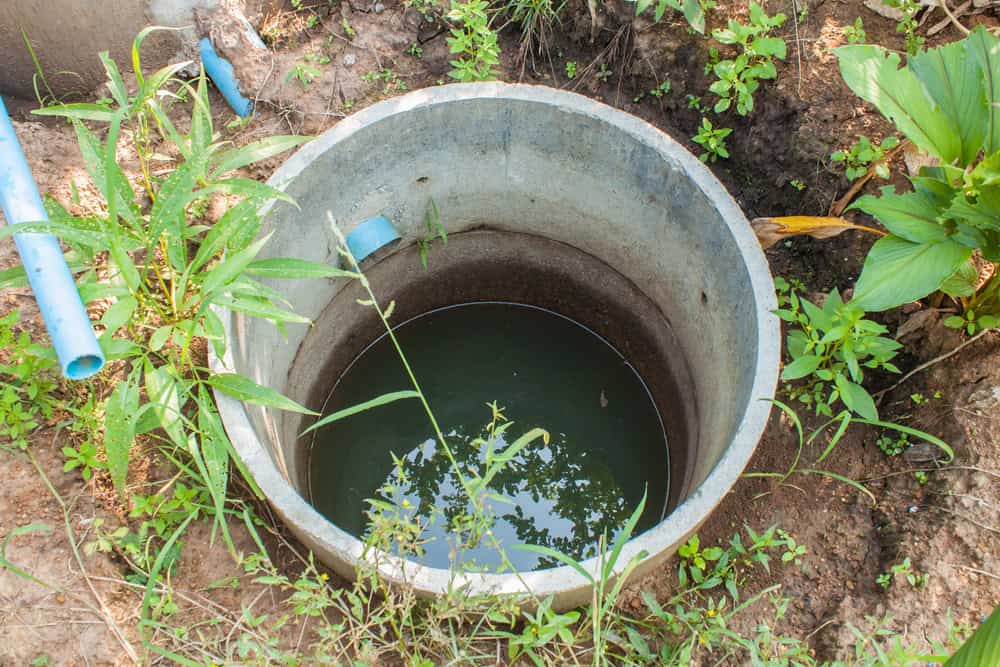
Many cesspools built prior to 1970 were built from concrete blocks and have far exceeded their structural life span. If left ignored, these aging pieces of infrastructure can “catastrophically fail,” which often results in a large sewage-filled sinkhole in the yard which people and pets can fall into. This represents the most dangerous scenario—a complete structural collapse that creates an immediate safety hazard.
Protecting Your Long Island Home from Cesspool Dangers
The hidden dangers of an overfilled cesspool extend far beyond unpleasant odors or slow drains. From serious health risks to environmental contamination, the consequences affect your family, your property, and your entire community. Taking immediate action can save you thousands of dollars and can prevent your local water system from being further contaminated.
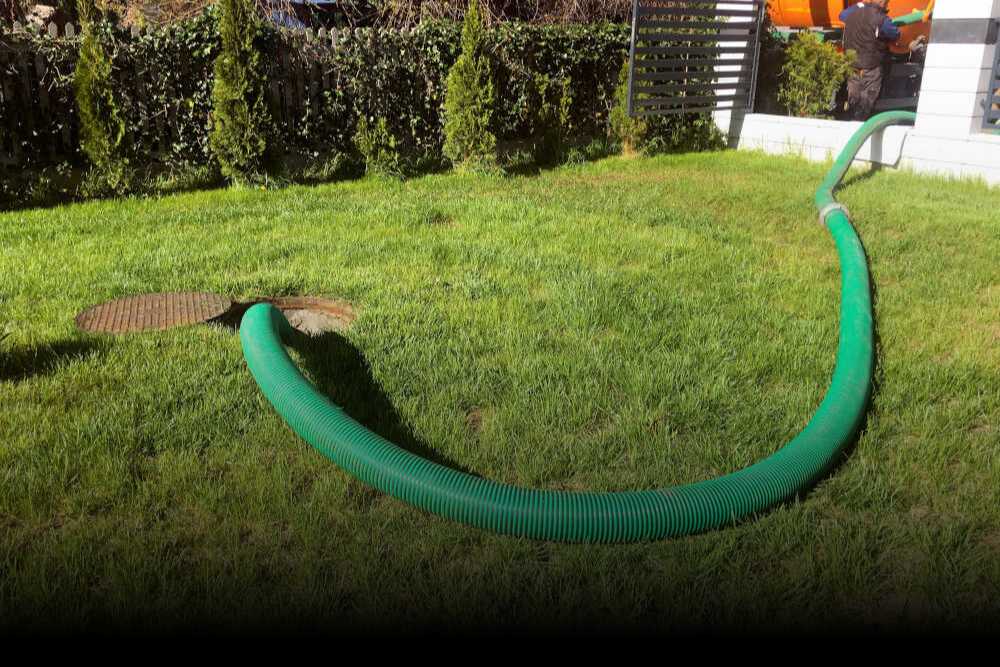
Cesspools should typically be pumped every 2-3 years, but the frequency may vary based on usage and the size of your system. Regular maintenance isn’t just recommended—it’s essential for protecting everything you’ve worked to build. Don’t wait for warning signs to appear before taking action.
If you’re experiencing any of the warning signs discussed, or if it’s been more than two years since your last cesspool service, contact Quality Cesspool today. We understand the unique challenges of Long Island’s soil conditions and regulations, and we’re here to protect your family and property from these hidden dangers.