Summary:
What Makes Septic Tank Cleaning Dangerous
Septic tanks aren’t just holding containers you can empty like a trash bin. They’re active biological systems processing human waste, and that process creates an environment that can literally kill you if you don’t know what you’re doing.
The biggest threat most people don’t even think about is the gas. Septic tanks produce methane and hydrogen sulfide as bacteria break down waste. Both are toxic, and both are heavier than air, meaning they settle in the tank and don’t just drift away when you pop the lid. Brief exposure to high concentrations can cause dizziness, nausea, and unconsciousness. Longer exposure or higher levels can be fatal.
Then there’s the waste itself. Raw sewage contains E. coli, hepatitis A, salmonella, and parasites that cause serious illness. You’re not just risking a stomach bug—you’re talking about infections that require hospitalization. Even if you wear gloves, one splash near your face or a cut on your hand becomes a pathway for dangerous pathogens.
Why You Can't Just Rent Equipment and Wing It
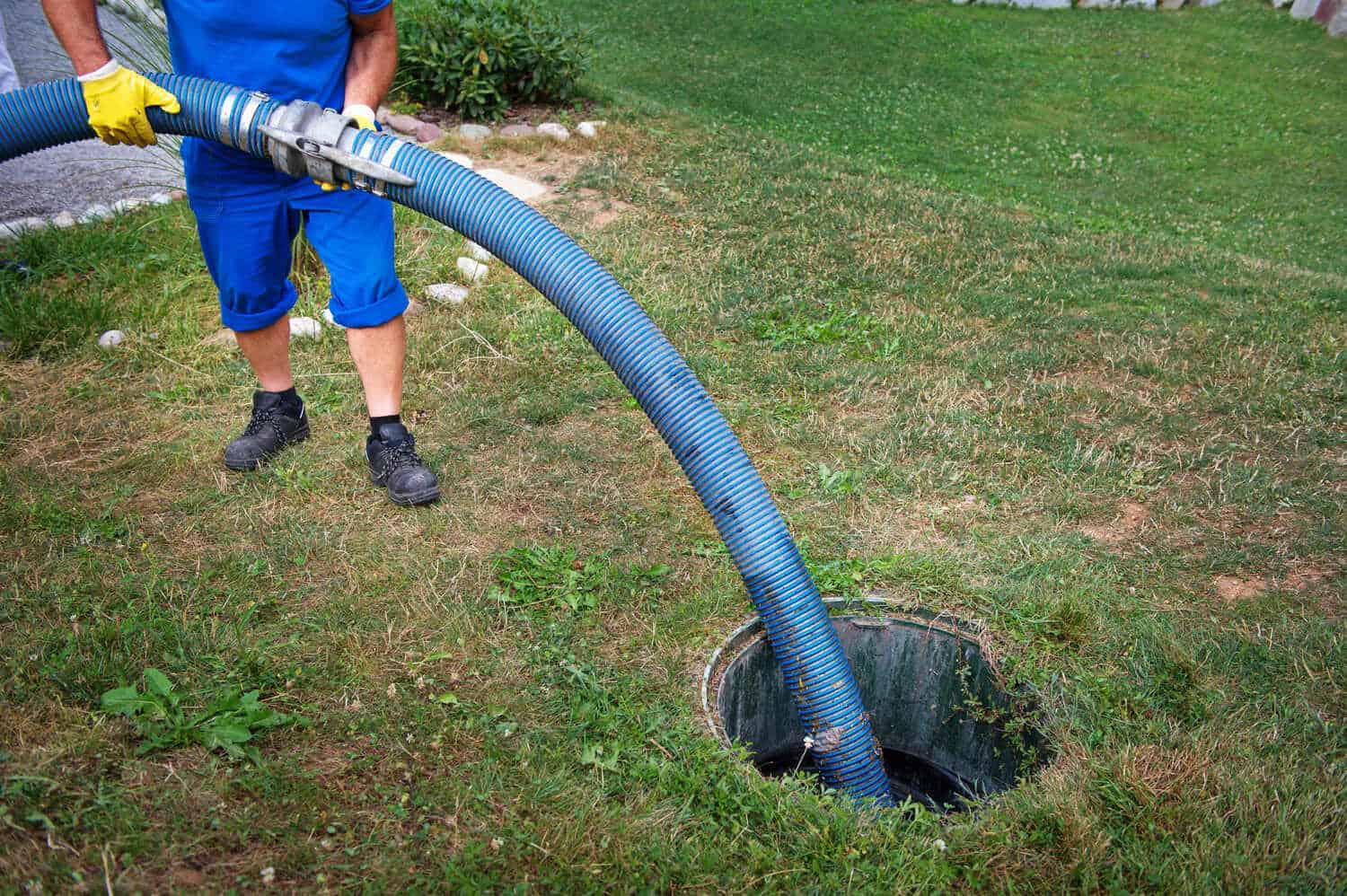
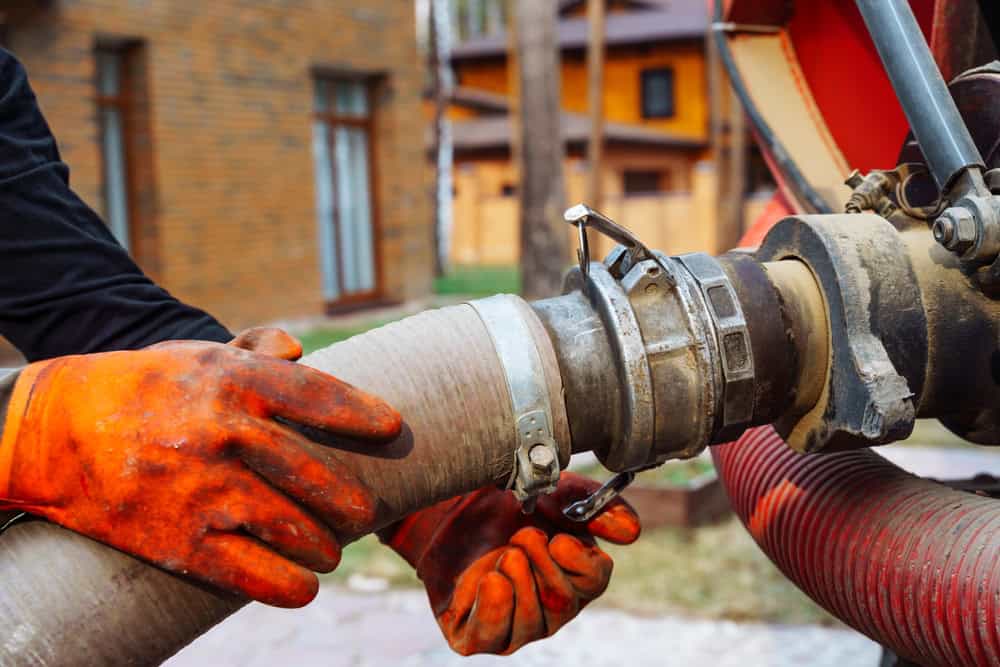
The equipment issue goes deeper than most homeowners realize. Professional septic companies use industrial vacuum trucks that cost hundreds of thousands of dollars. These aren’t machines you can rent at the local hardware store for the weekend.
Some people try using smaller pumps or even shop vacs, thinking they can make it work. The problem is that septic waste isn’t just liquid. There’s a thick scum layer on top and heavy sludge at the bottom. Breaking through that scum layer alone can be nearly impossible without the right tools, and incomplete pumping means you’ve done all that work for nothing. The tank fills back up faster, and you’re right back where you started.
Even if you somehow manage to pump the tank, you’re left with thousands of gallons of raw sewage that needs proper disposal. You can’t dump it in your yard or down a storm drain. That’s illegal and can result in massive fines from Suffolk County. Licensed septic companies have permits and relationships with approved treatment facilities. We know exactly where waste needs to go and how to transport it safely.
The reality is that attempting this yourself means either incomplete cleaning that doesn’t solve your problem, or improper disposal that creates legal and environmental issues. Neither option saves you money when you factor in the consequences. And that’s assuming nothing goes wrong during the actual pumping process—which brings us to the next problem.
How DIY Attempts Damage Your Septic System
Your septic system is more complex than it appears from the surface. There are baffles that prevent solids from entering the drain field, inlet and outlet pipes positioned at specific heights, and a carefully balanced bacterial ecosystem that breaks down waste. Damage any of these components, and you’re looking at repair bills that make professional pumping look like pocket change.
When homeowners try to pump tanks themselves, they often damage baffles by inserting hoses or tools incorrectly. A broken baffle costs $250 to $900 to replace. Cracked tank walls from improper access or pressure can run $500 to $4,000 in repairs. And if you accidentally pump out too much liquid, you can collapse the tank entirely under soil pressure, which means you’re replacing the whole system at $8,000 to $15,000.
The bacterial balance matters more than most people realize. Your septic tank relies on specific bacteria to break down solid waste. Using the wrong chemicals or pumping methods can kill these beneficial bacteria, causing your system to stop working properly even after pumping. Then you’re dealing with backups, odors, and the need for expensive treatments to restore bacterial health.
Professional technicians know how to pump tanks without disturbing these critical components. We understand the correct depth for hoses, how much liquid to leave behind to maintain bacterial colonies, and how to inspect for damage while we work. This isn’t knowledge you pick up from a YouTube video. It comes from training, certification, and experience with hundreds or thousands of systems.
The other issue is that professionals inspect while they pump. We’re checking for cracks, measuring sludge levels, examining baffles, and identifying problems before they become emergencies. When you DIY, you miss all of that. You might successfully pump the tank but completely miss the cracked baffle that’s about to fail, or the root intrusion that’s starting to block your lines. Six months later, you’re calling for emergency service anyway, except now the problem is worse and more expensive.
The Real Cost of DIY Septic Maintenance
Let’s talk actual numbers, because this is where the “savings” argument falls apart completely. Professional septic pumping in Long Island typically costs $300 to $500 every three to five years. That’s your baseline for doing it right.
Now compare that to what happens when DIY goes wrong. Emergency pumping because you caused a backup costs three to four times the normal rate. Septic system repairs average $600 to $3,000 for minor issues, and $1,000 to $5,000 for extensive damage. Complete system replacement runs $8,000 to $15,000. These aren’t worst-case scenarios—they’re common outcomes when untrained people attempt septic work.
But the costs don’t stop at repairs. There’s property damage to consider. Sewage backups into your home require professional remediation, usually $3,000 to $7,000 for cleanup, sanitization, and restoration. That includes replacing carpets, repairing drywall, treating for mold, and ensuring your home is safe to live in again.
Health Risks That Turn Into Medical Bills
The health risks of DIY septic work aren’t abstract possibilities—they’re documented medical emergencies that happen regularly. Exposure to septic gases can cause respiratory damage requiring treatment. Contact with sewage can lead to serious infections that need antibiotics or hospitalization.
Think about what happens if you get sick from pathogen exposure. You’re looking at doctor visits, lab work, medications, and possibly lost work time. If someone in your family has a compromised immune system, the risks multiply. Children, elderly family members, and anyone with existing health conditions face more severe consequences from sewage exposure.
Then there’s the long-term impact on your property. If you contaminate your yard or groundwater through improper disposal, you’re responsible for environmental cleanup. In Suffolk County, where drinking water comes entirely from underground aquifers, groundwater contamination is taken extremely seriously. You could face fines, mandatory remediation, and legal liability if your actions affect neighbors’ wells or the community water supply.
Insurance typically doesn’t cover damage from DIY maintenance attempts. If you break your septic system trying to save money, you’re paying for repairs out of pocket. If you cause environmental contamination, you’re liable for cleanup costs. The financial protection you have for other home issues doesn’t apply when you choose to skip professional service and handle it yourself.
Why Long Island Makes DIY Even Riskier
Long Island presents unique challenges that make professional septic service even more critical here than in other areas. The soil conditions, water table, and regulatory environment all work against DIY attempts.
Long Island’s clay-heavy soils don’t drain well, which means septic systems already work harder than they would in sandier regions. This creates more stress on your system and less margin for error. If you damage something during a DIY pump-out, the consequences show up faster and more severely than they would elsewhere.
The high water table is another factor. Many Long Island properties have groundwater close to the surface, which affects how septic systems function and increases the risk of contamination if something goes wrong. We understand these local conditions and adjust our methods accordingly. We know which areas have higher water tables, which soil types cause specific problems, and how to work safely in these conditions.
Suffolk County regulations have gotten stricter in recent years, and they’re only going to get tighter. Cesspools can no longer be replaced with similar systems—they must be upgraded to modern septic systems when they fail. This means any mistake that damages your current system could trigger a mandatory upgrade costing significantly more than routine maintenance ever would.
Local professionals also understand the permitting requirements, disposal regulations, and inspection standards that apply specifically to Long Island. We have the licenses and insurance required to work legally. When you attempt this yourself, you’re operating outside the regulatory framework, which creates liability you probably haven’t considered.
The age of Long Island’s septic infrastructure adds another layer of risk. Many systems were built before 1970 using materials and methods that wouldn’t meet current standards. These aging systems are more fragile and more prone to damage during maintenance. A professional can assess the condition of an older system and adjust their approach. A homeowner with a rental pump has no way to know if their 50-year-old concrete tank is about to crack under pressure.
What Professional Septic Service Actually Includes
Understanding what you’re actually paying for helps explain why professional service is worth every dollar. This isn’t just someone showing up with a truck to empty your tank. It’s a comprehensive process that protects your system, your property, and your family.
Professional septic pumping starts with a thorough inspection. We locate your tank, assess access points, check for visible damage, and measure sludge levels before pumping begins. We’re looking for warning signs of problems you wouldn’t know to check for—cracks in the tank, damaged baffles, root intrusion, or signs that your drain field is failing.
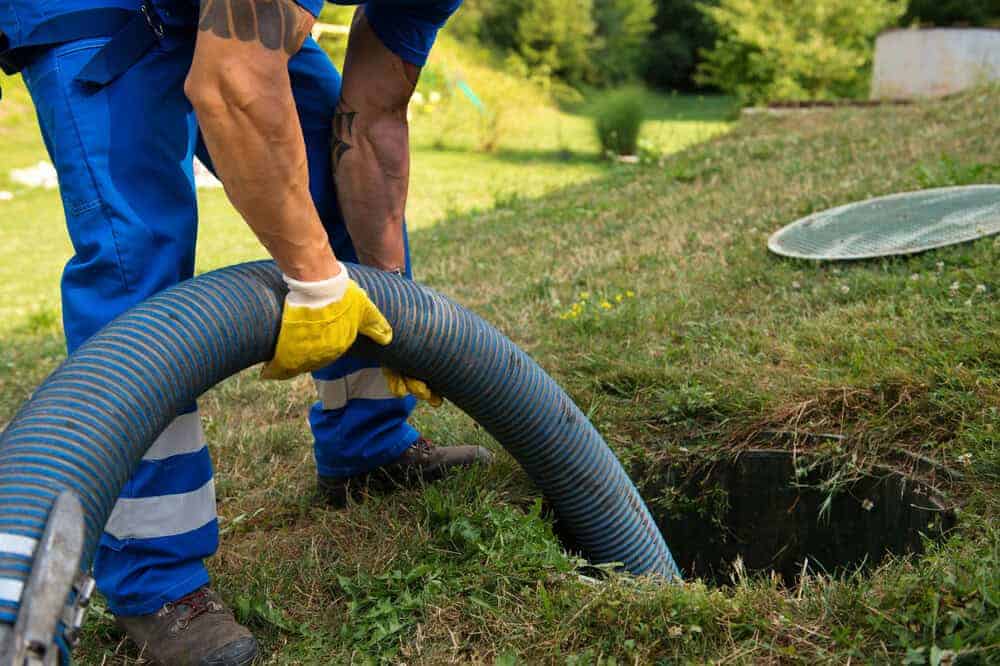
The pumping itself uses specialized vacuum equipment that can handle the thick sludge and scum layers that cause most problems. We know how to break through the scum, extract all the solid waste, and leave enough liquid to maintain the bacterial balance your system needs. We clean the tank properly without damaging the internal components that keep everything working.
After pumping, we inspect again. We’re checking the condition of baffles, looking for cracks or leaks, examining the inlet and outlet pipes, and making sure everything is structurally sound. If we find issues, you learn about them while they’re still small and affordable to fix, not six months later when they’ve turned into emergencies. When the job is done, you get documentation of the service—proof that your system was maintained properly, which matters for home sales, insurance, and regulatory compliance. We’ve been providing this level of service to Long Island homeowners for nearly two decades, bringing four generations of experience to every job.