Summary:
What Happens Inside a Neglected Cesspool
Your cesspool is designed to separate solids from liquids, with heavier waste settling at the bottom while liquids drain into the surrounding soil. Over time, that solid layer grows thicker. When you skip regular cesspool pumping, those accumulated solids don’t just sit there harmlessly.
They start blocking the perforated walls that allow liquid to escape. Your system loses its ability to drain properly. Water backs up slower at first, then not at all.
The bacteria that normally break down waste get overwhelmed. Sludge builds up faster than it can decompose. Eventually, your cesspool reaches capacity and has nowhere left to send the wastewater from your home.
How Long It Takes for a Cesspool to Fail Without Pumping
The timeline for cesspool failure depends on your household size and water usage. A single person might go three to four years between pumpings without major issues. A family of four pushes their system to the limit in one to two years.
Here’s what most Long Island homeowners don’t realize: your cesspool doesn’t give you much warning before it fails completely. The system might seem fine for months, even years past when it should have been pumped. Then one morning, your toilet won’t flush. Your shower drain gurgles. By afternoon, there’s sewage backing up into your lowest bathroom.
The problem is that solid waste accumulates gradually but fails suddenly. Think of it like a clogged artery. Everything seems normal until the blockage reaches a critical point. When your cesspool hits that threshold, you’re not dealing with a maintenance issue anymore. You’re dealing with an emergency that requires immediate professional attention.
Most cesspools on Long Island hold between 1,000 and 1,500 gallons. When solid waste reaches 25-30% of that capacity, it’s time for pumping. Wait too long, and those solids start clogging the drainage pipes that carry waste away from your home. The entire system backs up, and suddenly you’re looking at damage that goes far beyond a simple pump-out.
Regular cesspool maintenance catches the problem before it becomes a crisis. Skipping it means you’re gambling with thousands of dollars and your family’s health. The odds aren’t in your favor.
The Real Cost of Cesspool System Failure
When homeowners skip cesspool pumping, they’re not saving money. They’re just delaying an expense that grows exponentially worse over time. A routine pump-out costs a few hundred dollars. A failed cesspool system costs $8,000 to $15,000 to replace.
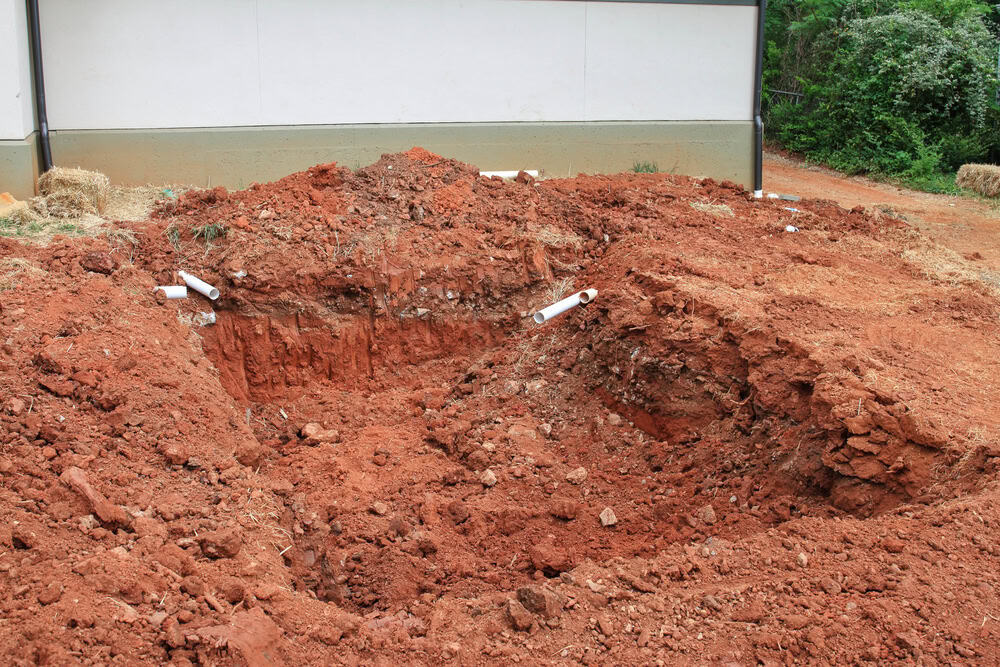
That replacement cost isn’t just for the cesspool itself. You’re paying for excavation, which means tearing up your yard. You’re paying for the new tank and installation. If your system has damaged the surrounding soil or contaminated your property, those costs climb even higher. Some homeowners face additional expenses for environmental remediation when their failing cesspool has leaked sewage into the ground.
Suffolk County regulations add another layer of cost. If your cesspool fails and needs replacement, you can’t just install an identical system. New regulations require nitrogen-reducing systems that cost significantly more than traditional cesspools. The average cost for these advanced systems runs around $25,000, plus engineering and design services.
But the financial damage doesn’t stop at replacement costs. A backed-up cesspool causes immediate property damage. Sewage flooding your bathroom destroys flooring, drywall, and anything else it touches. You’ll need professional biohazard cleanup, which isn’t cheap. Your homeowner’s insurance might not cover damage from lack of maintenance, leaving you to foot the entire bill.
There’s also the cost of emergency service versus scheduled maintenance. When your cesspool backs up at 2 AM on a Sunday, you’re paying premium rates for immediate response. That same service during normal business hours, scheduled in advance, costs a fraction of the emergency price.
Lost time has a cost too. A failed cesspool disrupts your entire household. You can’t use your plumbing until the problem is fixed. That means no showers, no laundry, no cooking, no normal daily activities. For some families, it means paying for a hotel while repairs are completed.
The math is straightforward. Spending $300-500 every two to three years on cesspool pumping prevents spending $8,000-25,000 on emergency replacement. One option is planned maintenance. The other is a financial disaster that happens at the worst possible time.
Warning Signs Your Cesspool Needs Immediate Attention
Most cesspool failures don’t happen without warning. Your system sends signals that something’s wrong, usually weeks or even months before complete failure. The problem is that many homeowners don’t recognize these signs or assume they’ll go away on their own.
They don’t go away. They get worse. And by the time you can’t ignore them anymore, you’re dealing with a much bigger problem than if you’d addressed the issue early.
Knowing what to watch for gives you time to schedule cesspool service before you’re facing an emergency. Here’s what your system is trying to tell you.
Slow Drains and Gurgling Sounds Throughout Your Home
When your cesspool starts reaching capacity, the first thing you’ll notice is slower drainage. Water takes longer to clear from your sinks, showers, and tubs. It’s subtle at first, easy to dismiss as a minor clog. But if multiple drains throughout your home are slowing down at the same time, your cesspool is the problem.
Gurgling sounds are another early warning sign. When you flush a toilet or drain a sink, you hear bubbling noises coming from other fixtures. That’s air trapped in your plumbing system because wastewater isn’t draining properly into your cesspool. The system is full, and there’s nowhere for the waste to go.
These symptoms start mild and progressively worsen. What begins as slightly slow drainage turns into water that barely moves at all. The gurgling gets louder and more frequent. Eventually, water stops draining completely, or worse, starts backing up into your home.
Most homeowners try to solve this problem with drain cleaners or by calling a plumber to clear what they think is a clog. But if your cesspool is full, no amount of drain cleaning will fix the issue. You need cesspool pumping, and you need it soon.
The lowest drains in your home show symptoms first. If you have a basement bathroom or first-floor shower, those fixtures will back up before upstairs drains. That’s because sewage backs up from the bottom of your plumbing system. By the time your second-floor bathroom is affected, your cesspool has been critically full for a while.
Don’t wait for complete backup to call for service. Slow drains and gurgling sounds are your cesspool’s way of telling you it’s time for maintenance. Addressing the problem now, while it’s still manageable, saves you from dealing with sewage flooding your home later.
Foul Odors and Wet Spots in Your Yard
A properly functioning cesspool doesn’t smell. When you start noticing sewage odors around your property or inside your home, your system is failing. Those smells mean wastewater isn’t being contained and processed the way it should be.
Outdoor odors usually show up first. You might notice a rotten egg smell or raw sewage scent near where your cesspool is located. This happens when your system is so full that gases can’t vent properly, or when sewage is leaking from an overloaded tank. Either way, it’s a clear sign that your cesspool needs immediate attention.
Indoor sewage smells are even more serious. If you’re smelling sewage inside your home, wastewater is backing up in your plumbing system. This often happens before you see visible backup, giving you a small window to call for emergency cesspool service before sewage floods your drains.
Wet spots in your yard tell you that your cesspool is overflowing or leaking. Even if it hasn’t rained, you notice soggy areas or standing water above where your cesspool is located. The ground stays wet because sewage is saturating the soil instead of draining properly.
Unusually lush, green grass in one specific spot is another telltale sign. Sewage acts as fertilizer, so when your cesspool leaks, the grass directly above it grows thick and dark green compared to the rest of your lawn. Homeowners sometimes think this is a good thing until they realize what’s causing it.
These symptoms indicate your cesspool has moved past the “needs maintenance soon” stage into the “needs maintenance now” category. Sewage leaking into your yard contaminates your property and potentially your neighbors’ properties. It creates health hazards and environmental problems that can result in fines from local health departments.
Suffolk County takes groundwater contamination seriously. Long Island’s drinking water comes entirely from underground aquifers. When cesspools fail and leak sewage into the soil, they threaten the water supply for millions of people. That’s why regulations are strict and why neglecting cesspool maintenance can result in mandatory system replacement at your expense.
If you’re seeing wet spots, smelling sewage, or noticing that one patch of grass looks suspiciously healthy, don’t wait to investigate. These signs mean your cesspool is already failing. The sooner you address it, the less damage you’ll face and the lower your repair costs will be.
Protecting Your Home with Regular Cesspool Maintenance
Neglecting cesspool pumping isn’t a small oversight. It’s a decision that puts your home, your family’s health, and your finances at serious risk. The cost difference between regular maintenance and emergency replacement is staggering. A few hundred dollars every couple of years versus thousands when your system fails.
The warning signs are there if you know what to look for. Slow drains, foul odors, wet spots in your yard—these aren’t problems that fix themselves. They’re your cesspool telling you it needs attention before a small issue becomes a major disaster.
Your cesspool works hard every single day to manage your household waste. Regular pumping and maintenance keep it functioning properly for decades. Skipping that maintenance means you’re gambling with one of the most important systems in your home. When you need reliable cesspool service on Long Island, we have the experience and equipment to keep your system running smoothly and prevent costly emergencies.