
Hear from Our Customers
You know that sinking feeling when your drains start backing up or you smell something foul around your property. We get it—cesspool problems don’t just disrupt your day, they disrupt your life.
When your cesspool is working properly, you forget it exists. Your drains flow freely, there are no odors, and your family stays healthy and comfortable. You can focus on what matters instead of worrying about when the next backup might happen.
That’s exactly what our professional cesspool services deliver for Mastic homeowners. Regular maintenance, expert repairs, and emergency response that keeps your system running like it should—quietly, efficiently, and without drama.
We’ve been serving Mastic and Suffolk County families for years, and we understand exactly what you’re dealing with. Long Island’s sandy soil and high water table create unique challenges that most companies just don’t get.
We’re not the fly-by-night outfit that shows up, pumps your tank, and disappears. We’re your neighbors, and we know that proper cesspool care in this area requires real expertise and the right equipment. From routine maintenance to emergency repairs, we handle it all with the professionalism and reliability Mastic homeowners deserve.
First, we locate and assess your cesspool system—sometimes these covers are buried three feet down, but we have the tools to find them quickly. Our technicians inspect the tank condition and measure waste levels to determine exactly what’s needed.
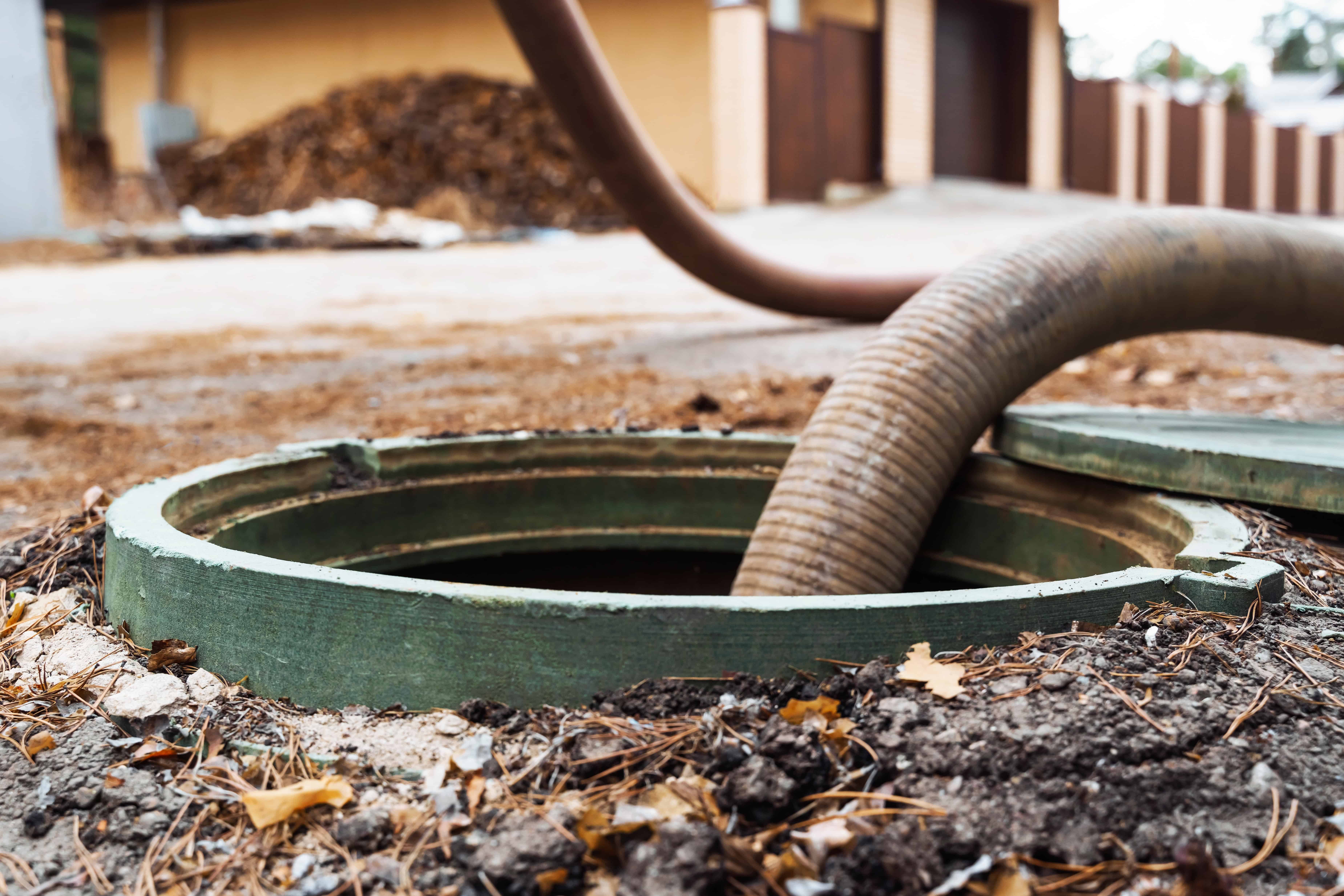
Next comes the actual pumping using our specialized vacuum trucks. We remove all accumulated solids and liquids, then clean the tank walls to restore proper function. This isn’t just about emptying the tank—it’s about thorough cleaning that extends your system’s life.
Finally, we document everything for your records and Suffolk County compliance requirements. You’ll know exactly when your next service is due, and you’ll have the paperwork you need for property transfers or permits. No guesswork, no surprises.
Ready to get started?
Our cesspool services cover everything from routine pumping and cleaning to emergency repairs and inspections. We handle cesspool location services when you can’t find your access covers, structural assessments to prevent dangerous collapses, and proper waste disposal that meets all environmental regulations.
For Mastic homeowners, this means comprehensive care that addresses Long Island’s specific challenges. Our sandy soil allows faster drainage but also means systems can fail quickly without proper maintenance. We understand these local conditions and adjust our services accordingly.
Suffolk County requires documentation for all cesspool services, especially for property transfers and renovation permits. We provide complete records that keep you compliant and protect your investment. Whether you need routine maintenance or emergency response, we’re equipped to handle it professionally and efficiently.
Most Mastic cesspools need pumping every 2-3 years, but this depends on your household size and water usage. A family of four typically needs more frequent service than a single-person household.
Long Island’s sandy soil affects how quickly your cesspool processes waste, and our local water table conditions can impact system performance. We measure actual waste accumulation during each service to customize your maintenance schedule based on your specific usage patterns.
Waiting too long between pumpings allows solids to compact and harden, making removal more difficult and expensive. Regular maintenance costs much less than emergency repairs and helps your system last longer.
Slow-draining sinks, toilets, or bathtubs are usually the first warning signs. Foul odors around your property, especially near the cesspool area, indicate that waste is seeping out or the system is overloaded.
Gurgling sounds from your drains, sewage backups into your home, or standing water near your cesspool location all require immediate professional attention. These problems won’t fix themselves and typically get worse quickly.
In Mastic’s coastal environment, you might also notice unusually green grass over your cesspool area, which indicates leakage. Any of these signs mean it’s time to call us for emergency service before the problem becomes a health hazard or causes property damage.
Cesspool pumping in Suffolk County typically costs between $250-$450 for a standard 1,000-gallon system. The exact price depends on your tank size, accessibility, and current condition.
Emergency services or systems that haven’t been maintained regularly cost more because they require additional time and effort to clean properly. Built-up solids and grease make the job more complex and time-consuming.
Regular maintenance pumping costs significantly less than waiting until your system fails. We provide upfront pricing so you know exactly what to expect, and we can help you set up a maintenance schedule that keeps costs predictable.
Existing cesspools are generally allowed to remain in operation, but Suffolk County has implemented stricter regulations in recent years. New cesspool installations are prohibited, and some areas require upgrades during property transfers.
Properties in high-priority areas near waterways may face mandatory upgrade requirements sooner than others. The county is working to reduce nitrogen pollution from older systems that contribute to environmental problems in our local bays and harbors.
We stay current on all local regulations and can tell you exactly what applies to your property. If upgrades are required, we can help you understand your options and timeline. Regular maintenance and proper documentation help ensure compliance with current rules.
Cesspool pumping requires specialized vacuum trucks, safety equipment, and proper waste disposal permits that homeowners cannot access. The work also involves serious health risks from toxic gases and contamination exposure.
Suffolk County requires licensed contractors to perform cesspool services and maintain proper documentation. DIY pumping won’t meet these legal requirements and could create liability issues for your property.
Professional pumping includes system inspection, proper waste disposal, and the documentation you need for county compliance and property transfers. When you consider the equipment costs, safety risks, and legal requirements, professional service is actually the more economical choice.
Cesspool collapses create dangerous sinkholes that can injure people and damage property. They’re most common in spring and fall when older systems are most vulnerable, especially when tanks are empty and there’s no pressure supporting the walls.
Long Island’s soil conditions and seasonal weather changes contribute to structural failures in aging cesspools. Heavy rains and ground saturation can trigger sudden collapses, creating holes large enough to swallow vehicles or endanger anyone nearby.
Regular inspections help identify structural problems before they become dangerous. We check for wall deterioration, settling, and other warning signs during routine service. If we spot potential issues, we’ll recommend repairs or replacement before a collapse occurs, protecting your family and property.