
Hear from Our Customers
Your septic system works around the clock, but you shouldn’t have to worry about it. When we handle your septic maintenance, you get reliable performance without the stress of unexpected backups or costly emergency repairs.
Regular pumping and inspection prevent the headaches that come with system failures. You avoid the embarrassment of sewage odors in your yard and the expense of emergency service calls. Your system operates efficiently, protecting both your property value and your family’s health.
With proper maintenance, you’re not just fixing problems—you’re preventing them entirely.
We’ve been serving Aquebogue and the greater Long Island area for years, and we understand what makes local properties different. We know the sandy soil conditions, the water table challenges, and how seasonal homes affect system usage patterns.
We’re not the company that shows up, pumps your tank, and disappears. We take time to inspect your system, explain what we’re seeing, and give you straight answers about what your septic actually needs. When you call us, you’re getting technicians who live and work in this area.
Our approach is simple: no surprises, no runaround, just professional service that gets the job done right the first time.
First, we locate and open your septic tank access ports safely. We inspect the tank to check sludge and scum levels, looking for any signs of damage or potential issues while we’re there. This isn’t just a quick look—we’re checking baffles, measuring levels, and assessing your system’s overall condition.
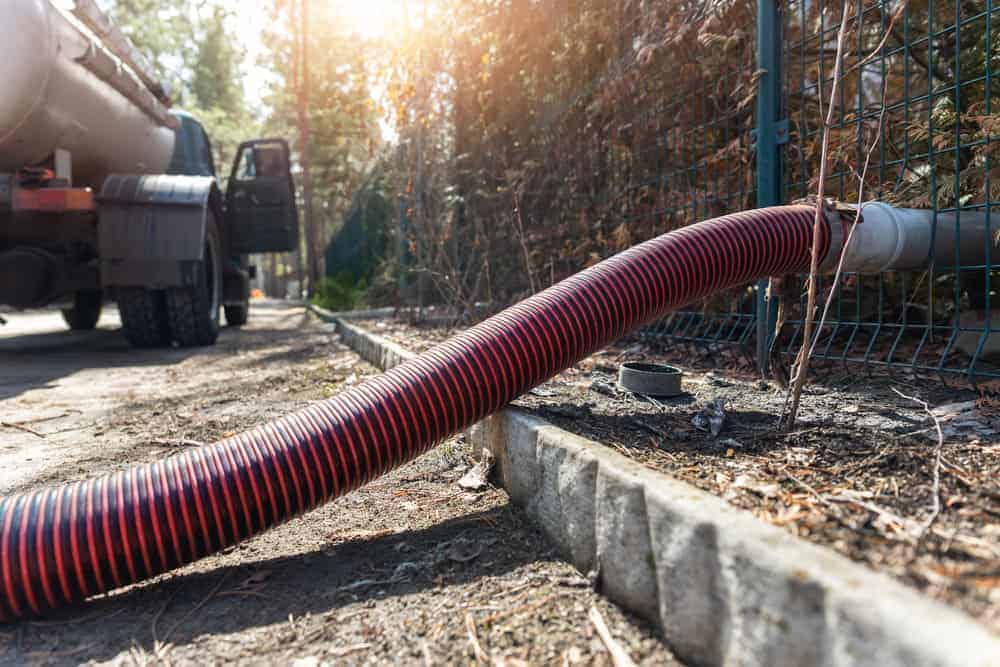
Next comes the actual pumping using our specialized equipment that’s maintained specifically for Long Island’s soil conditions. We remove all accumulated waste completely, not just the easy-to-reach material.
Then we secure your tank properly, clean up our work area, and provide you with a clear record of the service. You’ll get honest recommendations about your pumping schedule based on your actual usage and system size, not some generic timeline that doesn’t account for local conditions.
Ready to get started?
Every septic service includes complete waste removal, thorough tank inspection, and a clear explanation of your system’s condition. We check your baffles, measure sludge levels, and look for any signs of wear or damage that could cause problems down the road.
In Aquebogue, most residential septic tanks need pumping every 3-5 years, but your actual schedule depends on household size, water usage, and system age. Long Island’s sandy soil means solids can escape your tank faster than in other areas, which is why many local professionals recommend more frequent service than national guidelines suggest.
We handle all waste disposal according to environmental regulations, so you don’t have to worry about where it goes or whether it’s being handled properly. Our equipment is calibrated specifically for Long Island’s unique conditions, ensuring efficient service that protects both your system and the local water table that supplies our drinking water.
Most residential septic tanks in Aquebogue need pumping every 3-5 years, but Long Island’s sandy soil conditions often require more frequent service. Sandy soil drains quickly, which sounds good, but it doesn’t trap solids as effectively as other soil types.
This means solids can escape your tank and reach your drainfield faster than they would elsewhere. Many local septic professionals recommend pumping every 2-3 years rather than the national standard of 3-5 years.
Your actual schedule depends on household size, water usage, and your system’s age and condition. We’ll give you honest recommendations based on what we see during inspection, not generic timelines.
Septic pumping costs in Aquebogue typically range from $300 to $600, depending on your tank size, accessibility, and current condition. Standard residential tanks with easily accessible ports fall on the lower end of this range.
Larger tanks or those requiring excavation to access ports cost more. Emergency services and weekend calls usually include additional fees, which is why we recommend staying on a regular maintenance schedule.
The best approach is getting a clear quote upfront that includes all charges. No reputable company should surprise you with hidden fees after the work is done. Regular maintenance pumping costs far less than emergency repairs or system replacement, which can run thousands of dollars.
Septic additives cannot replace proper pumping, and many can actually harm your system. Many additives contain chemicals that kill the beneficial bacteria your septic system needs to function properly.
Some additives can corrode tank components or contaminate groundwater. The EPA and most septic professionals recommend against using additives in residential systems for these reasons.
Proper pumping physically removes accumulated solids that no additive can eliminate. It’s the only reliable maintenance method for long-term system health. Additives are marketing gimmicks that can’t replace the fundamental need to remove solid waste from your tank.
Watch for drains running slower than usual, gurgling sounds in toilets or sinks, and odors outside near your tank or drain field. You might also notice wet spots or unusually green grass patches over your system area.
Backups after heavy rain are common on Long Island’s South Shore due to high water tables. If you notice two or more of these signs, it’s time to call a professional rather than waiting.
Ignoring these warning signs can lead to a failed drain field, which is a major repair costing $10,000 to $25,000. Early intervention through proper pumping and maintenance prevents these expensive problems and keeps your system running reliably.
Septic pumping requires specialized vacuum trucks that cost tens of thousands of dollars, proper waste disposal permits, and knowledge of safety procedures. The equipment needed isn’t available for rent, and improper pumping can damage your tank or create hazardous conditions.
Sludge pumped from septic tanks must be transported and disposed of following strict safety and environmental regulations. This process is highly regulated at both local and state levels in New York.
Professional pumping also includes system inspection that identifies potential problems before they become expensive failures. DIY attempts miss these crucial assessments and can void warranties or create liability issues if something goes wrong.
Yes, Suffolk County has strict regulations for septic systems, and most work requires permits. New installations and major repairs must meet current environmental standards, including nitrogen-reducing technology requirements that went into effect in recent years.
If you’re selling your home, expect a septic inspection to be part of the process. Some areas near the coast or in sensitive zones may require system upgrades during major renovations or when adding bedrooms.
The county offers grants and low-interest loans up to $30,000 to help homeowners upgrade to modern systems that reduce nitrogen pollution by more than 70%. Working with licensed professionals ensures your system meets all current requirements and qualifies for available funding programs.