
Hear from Our Customers
You know that sinking feeling when drains start backing up or you catch a whiff of something foul in your yard. We get it. Your septic system isn’t something you think about until it stops working—and by then, you’re looking at a mess, an emergency bill, and a lot of stress you didn’t need.
When your system works right, you forget it’s even there. That’s exactly what should happen. Our maintenance keeps your septic tank operating the way it’s supposed to, so you can focus on everything else that matters in your life.
Regular service means no surprises, no emergency calls, and no sewage backing up into your home. It means your system lasts longer, costs less to maintain, and stays compliant with Suffolk County’s evolving regulations.
We’ve been the go-to septic company for Setauket homeowners for more than ten years. We’re a family-owned, locally-operated business that understands exactly what Long Island septic systems face—from our sandy soil conditions to Suffolk County’s strict environmental regulations.
We’ve seen it all: aging systems that need careful attention, new installations that must meet today’s nitrogen-reduction standards, and emergency situations that require immediate response. What sets us apart is straightforward service that actually solves your problems without overselling or creating unnecessary work.
Being local means we understand Setauket’s unique challenges. We know how the sandy soil affects drainage, we stay current with county regulations, and we’ve built relationships with homeowners who trust us to keep their systems running right year after year.
When you call us, we start by locating your septic tank and assessing its current condition. We measure waste levels, check for any obvious issues, and determine exactly what service your system needs—whether that’s routine pumping, maintenance, or repairs.
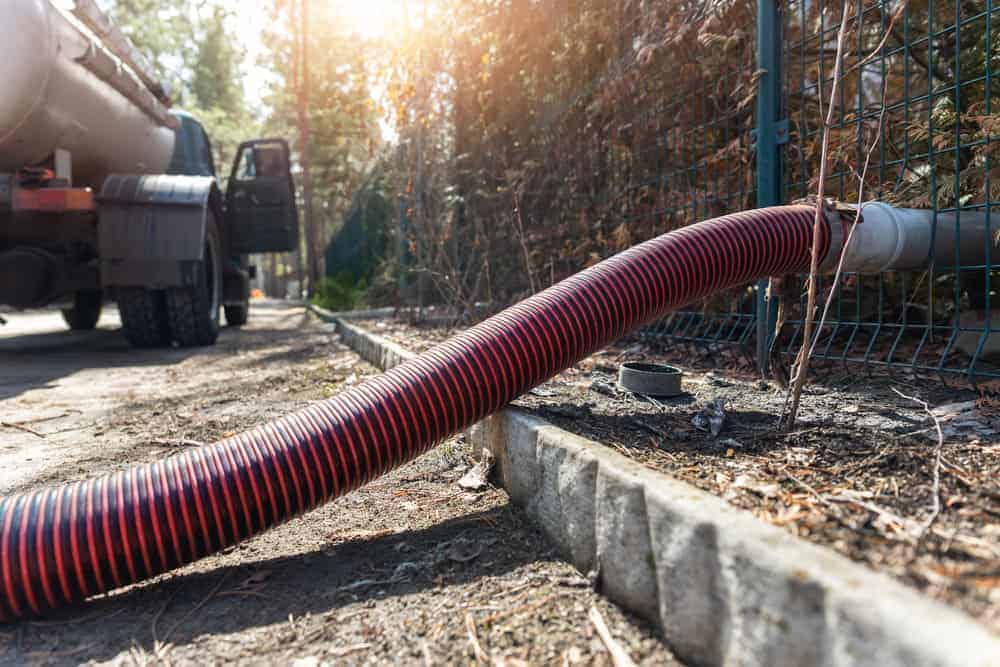
During pumping, we use specialized vacuum trucks to remove all accumulated waste and sludge from your tank. This isn’t just about emptying it—we inspect the tank walls, baffles, and connections to catch potential problems before they become expensive emergencies.
After service, you receive documentation that shows what we found, what we did, and when you’ll likely need service again. This paperwork is important for Suffolk County compliance and helpful if you ever sell your home. We also provide specific recommendations based on your household size and usage patterns, so you know exactly when to schedule your next service.
Ready to get started?
Our septic tank services cover everything Setauket homeowners need: routine pumping and cleaning, system inspections, repairs, and installations that meet Suffolk County’s current standards. We handle both emergency situations and scheduled maintenance with the same level of professional attention.
Setauket’s location in Suffolk County means your septic system faces specific challenges. The sandy soil drains quickly but doesn’t filter wastewater as thoroughly as other soil types, which is why regular maintenance is even more critical here. Plus, Suffolk County’s nitrogen-reduction requirements mean many older systems need upgrades or more frequent service.
We stay current with all local regulations, from the cesspool ban that took effect in 2019 to the innovative treatment system requirements for new construction. Whether you need help navigating grant programs for system upgrades or just want reliable service that keeps your current system running properly, we provide the expertise and documentation you need.
Most Setauket homes need septic tank pumping every 2-3 years, though this depends on your household size and water usage. A typical 4-person household with a 1,000-gallon tank usually needs service every 2-3 years, while smaller households might go 3-5 years between pumpings.
Long Island’s sandy soil affects this timeline because wastewater moves through it faster than other soil types, giving less time for natural filtration. This means regular pumping becomes even more important to prevent system overload and protect groundwater quality.
We measure actual waste levels during each service to give you a personalized recommendation based on how your specific system performs. Factors like garbage disposal use, laundry habits, and seasonal occupancy changes all affect how quickly your tank fills up.
Watch for slow-draining sinks, toilets, or showers—this is usually the first sign your system is getting full. Gurgling sounds from drains or toilets, especially after flushing, indicate your system is struggling to handle the waste load.
Bad odors around your property, particularly near where your septic tank is located, mean waste isn’t being processed properly. If you notice unusually green or lush grass over your septic area compared to the rest of your yard, that’s often a sign of system overflow.
The most serious warning sign is sewage backing up into your home through toilets, sinks, or floor drains. This is an emergency that requires immediate professional attention to prevent health hazards and property damage. Don’t wait if you notice any of these symptoms—early intervention costs much less than emergency repairs.
Suffolk County banned new cesspool installations in July 2019, but existing systems can continue operating with proper maintenance. However, if you’re doing major renovations, adding bedrooms, or replacing a failed system, you’ll likely need to install a modern septic system or innovative treatment system that reduces nitrogen output.
The county offers grants up to $10,000 to help homeowners upgrade to nitrogen-reducing systems, and some towns have additional rebate programs. These advanced systems can reduce nitrogen pollution by up to 70% compared to traditional cesspools.
Whether you need to upgrade depends on your specific situation—the age and condition of your current system, any planned home improvements, and your property’s location relative to sensitive water areas. We can assess your system and explain exactly what regulations apply to your situation, plus help you understand available financial assistance programs.
Septic tank pumping in Setauket typically costs between $400-700, depending on your tank size and how much waste needs to be removed. A 1,000-gallon tank usually falls on the lower end of this range, while larger tanks or systems that haven’t been pumped in several years cost more due to additional labor required.
Regular maintenance pumping costs significantly less than emergency service calls, which often include weekend or holiday fees. More importantly, routine pumping prevents expensive system failures that can cost thousands of dollars to repair or replace.
The investment in regular pumping pays for itself by extending your system’s lifespan and preventing costly emergencies. We provide upfront pricing so you know exactly what to expect, and we can explain how factors like tank accessibility and additional services might affect your total cost.
DIY septic tank pumping isn’t safe or legal. Professional pumping requires specialized vacuum trucks, safety equipment, and proper waste disposal permits that homeowners can’t access. More importantly, septic tanks contain toxic gases like hydrogen sulfide and methane that can cause serious illness or death without proper safety precautions.
Suffolk County also requires documentation of pumping services performed by licensed contractors, especially for property transfers and renovation permits. Attempting to service your own system means you won’t have the compliance records you need for county requirements.
Professional service includes system inspection that can catch problems early, proper waste disposal at licensed facilities, and documentation that protects your investment. The cost of professional service is minimal compared to the health risks and legal complications of trying to do it yourself.
A cesspool is basically a large concrete pit that temporarily holds waste before it seeps into the surrounding soil. Cesspools don’t separate solids from liquids or provide any treatment—everything just sits together until it eventually drains away. Suffolk County banned new cesspool installations in 2019 because they contribute significantly to nitrogen pollution.
A septic tank is a more advanced system that separates solid waste from liquids, allows beneficial bacteria to break down organic matter, and sends partially treated wastewater to a drain field for further filtering. Modern septic systems provide much better treatment and environmental protection.
If you currently have a cesspool, you can continue using it with proper maintenance, but if it fails or you do major home renovations, you’ll need to replace it with a proper septic system. We can help you understand your options and navigate the replacement process, including available grant programs to help with costs.