
Hear from Our Customers
You won’t deal with sewage backups in your home when your septic system gets proper maintenance. Regular septic pumping prevents the nightmare scenarios that cost thousands to fix.
Your drains flow freely again. No more slow toilets or standing water in your shower. No more holding your breath when you walk outside because of that unmistakable sewage smell.
Most importantly, you protect your family’s health and your property value. A well-maintained septic system means your West Hampton Dunes home stays safe and sellable.
We’ve served West Hampton Dunes homeowners for over a decade. We understand the unique challenges of maintaining septic systems on this barrier island.
The high water table, sandy soil conditions, and strict Suffolk County regulations require specialized knowledge. We’ve handled septic tank maintenance for properties from the oceanfront to the bay side.
When you call us, you’re working with licensed, insured professionals who live and work in your community. We know which systems work best in West Hampton Dunes’ coastal environment.
First, we locate and inspect your septic tank to assess its condition. Our technicians check sludge levels and identify any potential issues before they become expensive problems.
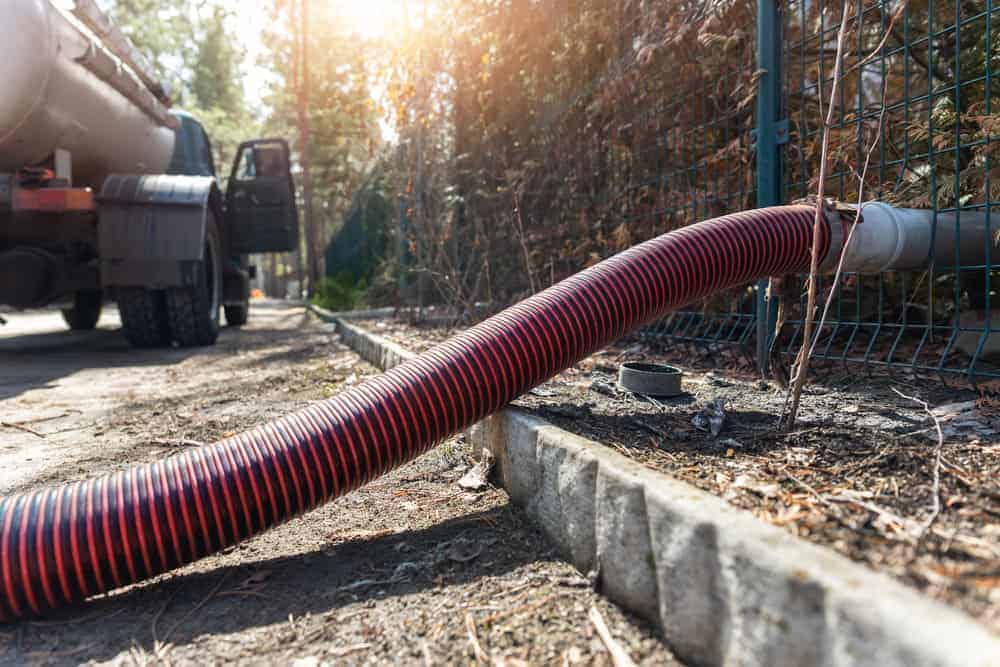
Next, we pump out accumulated waste using professional-grade vacuum trucks. We remove all sludge and liquid waste, then properly dispose of it at licensed treatment facilities.
Finally, we inspect your system components and provide recommendations for ongoing maintenance. You’ll know exactly when your next service is due and what to watch for between visits.
Ready to get started?
Our septic tank service includes thorough pumping, system inspection, and maintenance recommendations. We handle everything from routine pumping to emergency repairs.
West Hampton Dunes properties face unique challenges due to the coastal environment. Salt air, high water tables, and sandy soils affect how septic systems perform. Our service accounts for these local conditions.
We also provide septic inspections for real estate transactions, emergency pumping when systems back up, and guidance on Suffolk County’s new I/A system requirements. Many West Hampton Dunes homeowners qualify for county grants up to $10,000 for system upgrades.
Most septic tanks in West Hampton Dunes need pumping every 3-5 years, but your specific schedule depends on household size and usage patterns. A family of four with a 1,000-gallon tank typically needs service every 3-4 years.
West Hampton Dunes’ coastal conditions can affect pumping frequency. High water tables during storm seasons and the sandy soil composition mean some systems fill faster than others. We recommend annual inspections to determine the right schedule for your property.
Slow drains throughout your house are usually the first warning sign. If your toilets take longer to flush, your shower drains slowly, or your kitchen sink backs up frequently, your tank is likely full.
Sewage odors in your yard or home indicate serious problems that need immediate attention. You might also notice wet spots in your lawn or sewage surfacing in your yard. These signs mean your system is failing and could create health hazards if not addressed quickly.
Septic tank pumping in West Hampton Dunes typically costs between $300-600, depending on your tank size and accessibility. A standard 1,000-gallon tank usually runs $300-450, while larger 1,500-gallon tanks cost $400-600.
Additional factors affect pricing, including how long it’s been since your last pumping and whether we need to locate or dig up your tank access. We provide upfront pricing before starting any work, so you know exactly what to expect.
Suffolk County requires I/A (Innovative/Alternative) systems for new construction and major renovations, but existing systems can usually remain as-is with proper maintenance. You only need to upgrade if you’re building new or doing major reconstruction.
However, upgrading voluntarily can be smart financially. Suffolk County offers grants up to $10,000, and Southampton provides additional Community Preservation Fund assistance. These grants often cover most upgrade costs while reducing your environmental impact.
Complete septic system failure means sewage backs up into your home or surfaces in your yard, creating immediate health hazards. You’ll need emergency pumping to remove waste, then system evaluation to determine if repair or replacement is necessary.
Emergency repairs typically cost $1,500-6,500, depending on the extent of damage. That’s why regular maintenance is so important – preventing failure costs much less than fixing it after the fact. Emergency situations also require temporary housing arrangements until your system is safe again.
Simple habits make a huge difference in septic system longevity. Never flush anything except toilet paper and waste – no feminine products, wipes, or medications. Avoid putting grease, coffee grounds, or harsh chemicals down your drains.
Spread out laundry loads rather than doing several loads in one day, and fix leaky faucets promptly. These small changes reduce the load on your system and help it process waste more efficiently. Regular pumping combined with good habits can extend your system’s life by decades.